Recommended Brazilian Coffee Bean Brands: Origin Information, Flavor Characteristics, and Taste Profile
Professional coffee knowledge exchange. For more information on coffee beans, read on.
Brazil is the largest country in South America, and its coffee production ranks first in the world, accounting for about one-third of total global production. Even so, the coffee beans Brazil produces are not very expensive. So how much does a cup of Brazilian coffee actually cost? In this article, FrontStreet Coffee will explain everything for you.
Why is Brazil's Coffee Production So High?
According to FrontStreet Coffee's understanding, Brazil lies in the Western Hemisphere's Latin American region, in eastern South America on the west coast of the Atlantic Ocean. On land, it borders every country on the South American continent except Ecuador and Chile. What is more, the vast majority of its territory lies between the equator and the Tropic of Capricorn, giving it the most extensive tropical range in the world. One-third of its territory has a tropical rainforest climate, while two-thirds have a tropical savanna climate. Those superior tropical conditions are highly suitable for the growth and production of coffee, a tropical cash crop.
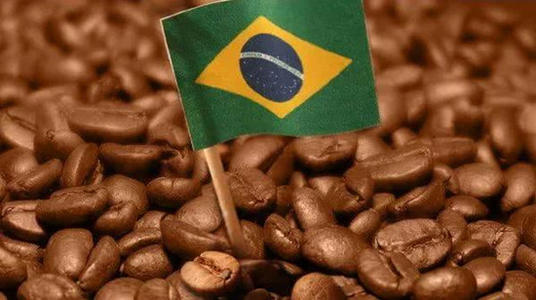
Brazil has also made full use of its tropical environment, emphasizing coffee production and sales, so its coffee output, export volume, and per capita consumption have ranked at the top of the world for many years. The world has long called it the "Coffee Kingdom."
Why Isn't Brazilian Coffee Expensive?
As mentioned above, Brazil is the world's largest coffee-producing country, but that does not mean its entire territory suits coffee cultivation. According to FrontStreet Coffee's understanding, its main production areas are concentrated in the central and southern provinces. The land suitable for coffee in Brazil is relatively flat, with most plantations below 1,200 meters in altitude and without large shade trees. Because ripe and unripe berries are harvested at the same time during picking, the result is not considered specialty coffee.
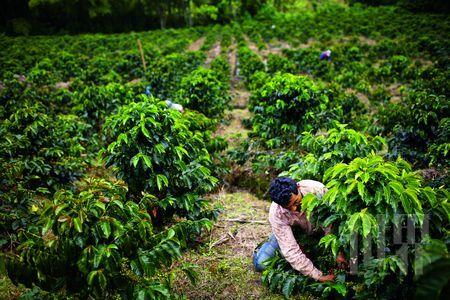
It follows that Brazilian coffee is generally planted in fairly flat areas. To adapt, Brazilian plantation owners developed improved Arabica trees decades ago that do not require high altitudes or shade, so they can be planted on plains or grasslands in direct bright sun, unlike the traditional shade-grown method at higher elevations.
According to FrontStreet Coffee's understanding, most Brazilian plantations sit only a few hundred meters high, and even flat land is used for cultivation without hesitation. This sun-exposed approach lets the cherries grow faster, but flavor development is less complete. The density of the beans, also known as hardness, is not as good as that of high-altitude beans either. Acidity is significantly lower and flavor more monotonous, so the coffee is rarely used for high-quality single-origin beans and instead goes into espresso blends, which naturally keeps the price low.
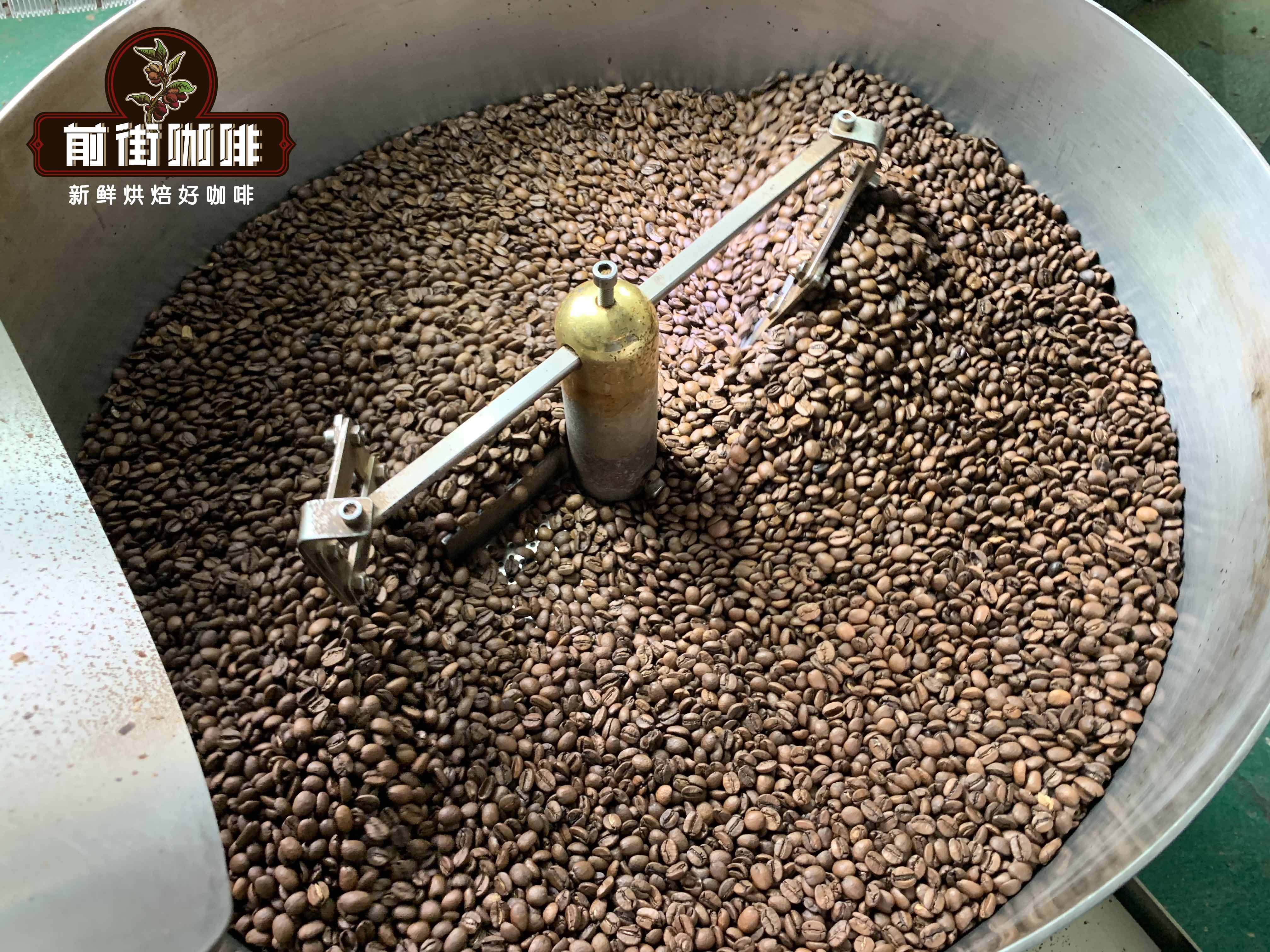
How Much Does a Cup of Brazilian Coffee Cost?
To enjoy delicious Brazilian coffee, choosing pour-over beans is the surest way to taste the highest quality the Brazilian region can offer. Here we have to talk about Brazilian Queen Estate beans, which hold a certain status in the specialty coffee market.
Queen Estate is located in Mogiana, within Sao Paulo state, Brazil's most famous coffee-producing region. The area is very close to southern Minas. Coffee grows among bushes, grasslands, and other vegetation. In this region there are many farming families, some running traditional large-scale farms and others taking a small-scale modern approach. Modern technology combined with mountain coffee-growing culture has produced green coffee of the highest quality.
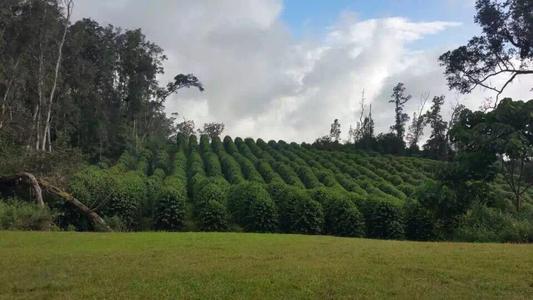
Queen Estate sits in the northern part of the Mogiana region in Sao Paulo state. The estate is very well known in Brazil and is owned by the Carvalho Dias family. Carvalho Dias owns four major estates that have won awards every year since the first Brazil Cup of Excellence competition in 1999, winning more than 12 times in 7 years. In 2004 they even swept the championship, 9th place, and 11th place. That is why FrontStreet Coffee has introduced this bean for coffee lovers to taste, and next FrontStreet Coffee will share information about it with everyone.
FrontStreet Coffee's Brazilian Queen Estate Coffee Beans
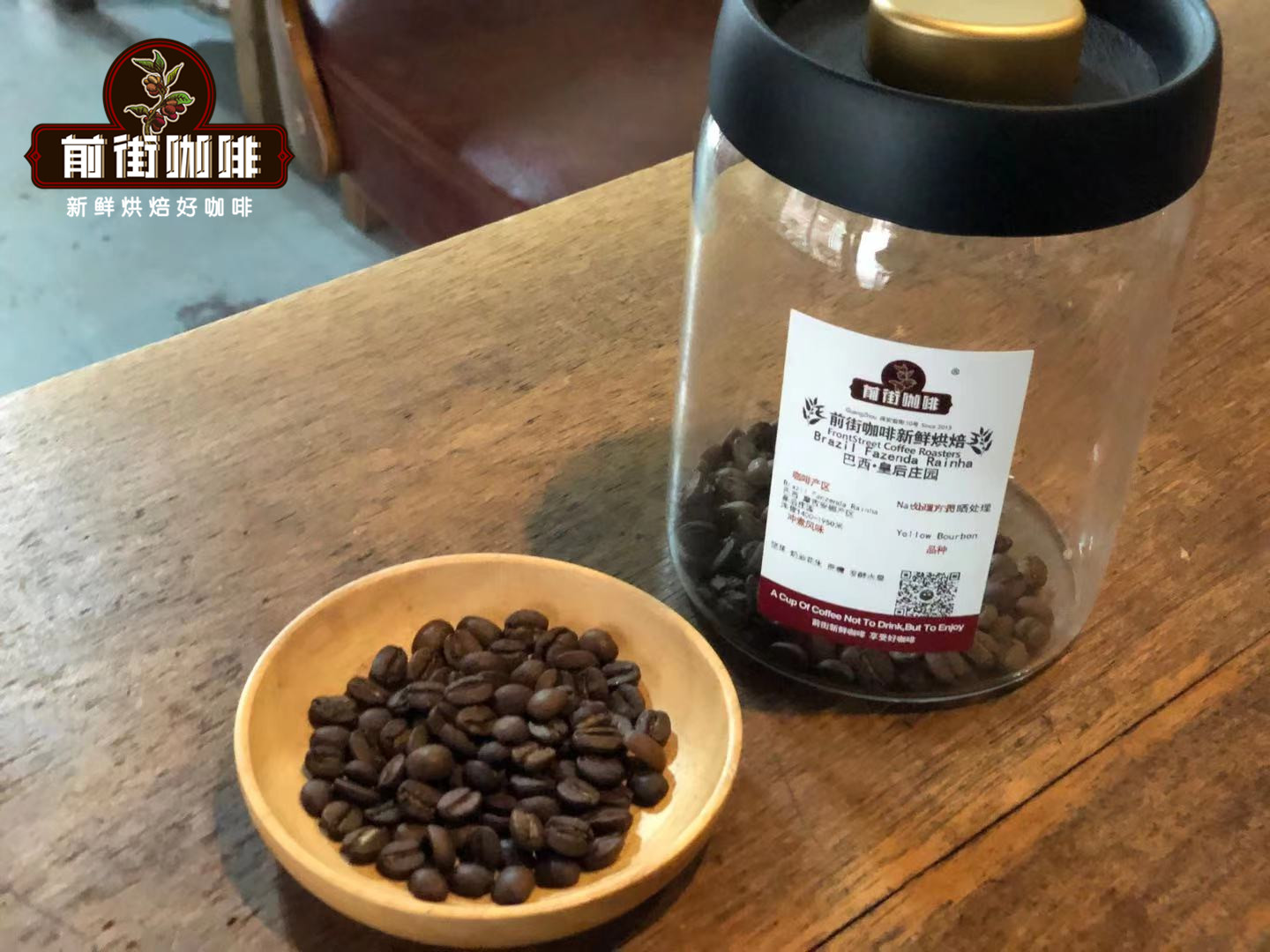
Country: Brazil
Region: Sao Paulo State (Queen Estate)
Altitude: 1400-1950m
Variety: Yellow Bourbon
Processing Method: Pulped Natural/Natural
Flavor: Nuts, cream, peanuts, fermented fruits, sugarcane sugar
As described above, the Queen Estate variety is Yellow Bourbon. Yellow Bourbon is a Bourbon variant cultivated in Brazil; because of recessive genes, its fruit appears yellow. Yellow Bourbon beans are naturally sweet, clean, and well balanced, with tropical fruit aroma. According to FrontStreet Coffee's understanding, 200 of the 280 acres at Queen Estate are planted with the Yellow Bourbon variety.
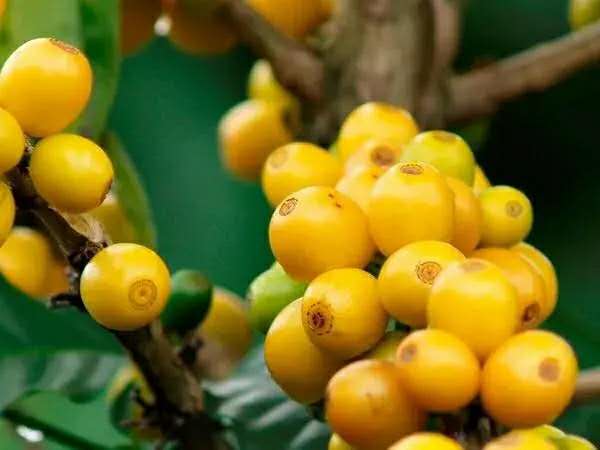
Queen Estate also uses Brazil's distinctive pulped natural processing method. Because Brazil's local climate is relatively dry, producers created the pulped natural method as a local specialty for green coffee. Pulped natural processing can control how far the mucilage ferments after the skin and pulp are removed. It skips the "ferment in water tanks, rinse with clean water" stage of washed processing, and without that fermentation step the flavor of the beans is completely different.
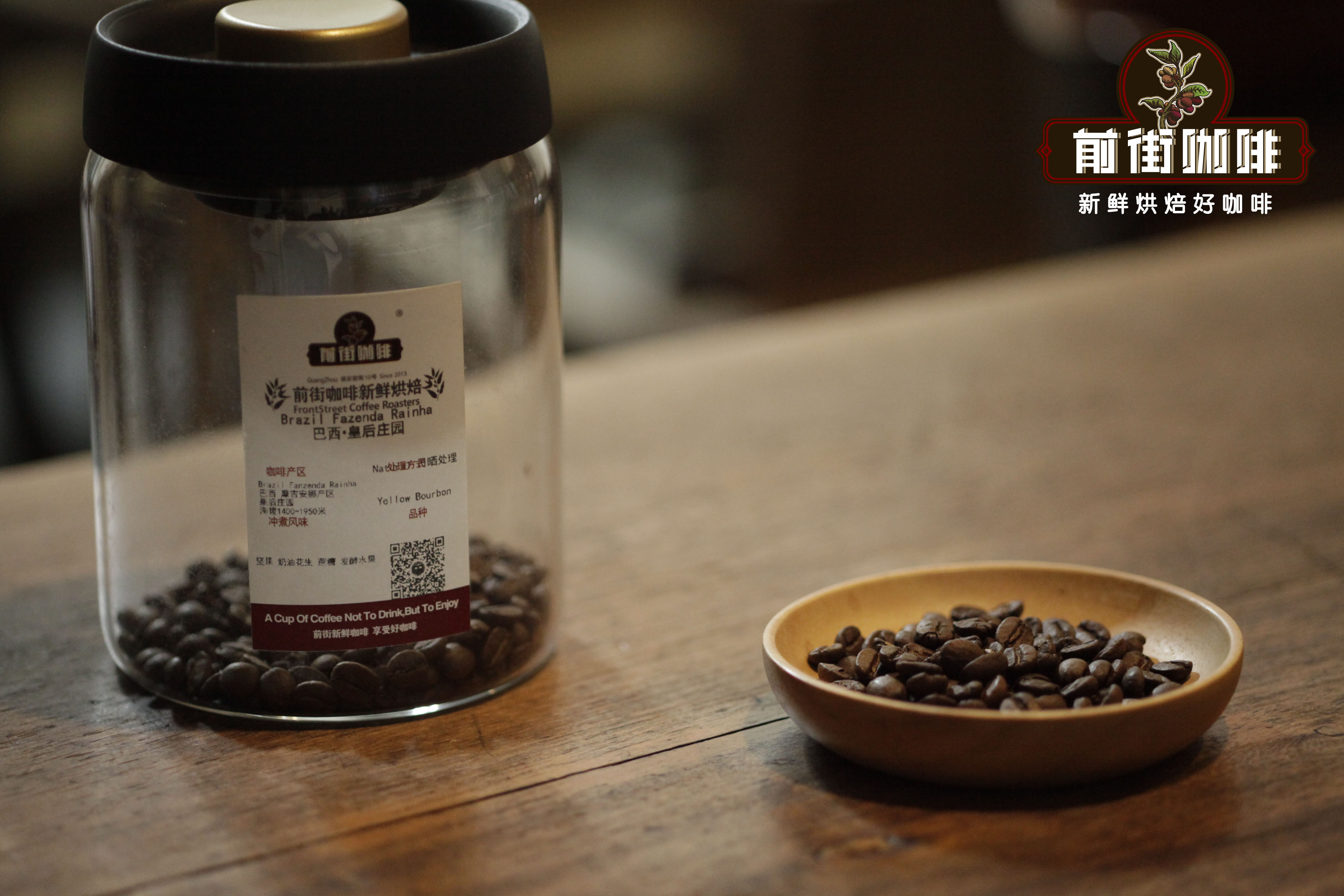
So what does it cost? Using FrontStreet Coffee's pricing as a reference, a cup of pour-over costs 30 yuan, while a half-pound (227g) package of Brazilian Queen Estate beans costs 85 yuan.
So how can this bean's flavor be drawn out through pour-over? Next, FrontStreet Coffee will share the pour-over parameters for this Brazilian Queen Estate coffee.
Brazilian Queen Estate Pour-Over Brewing Parameters
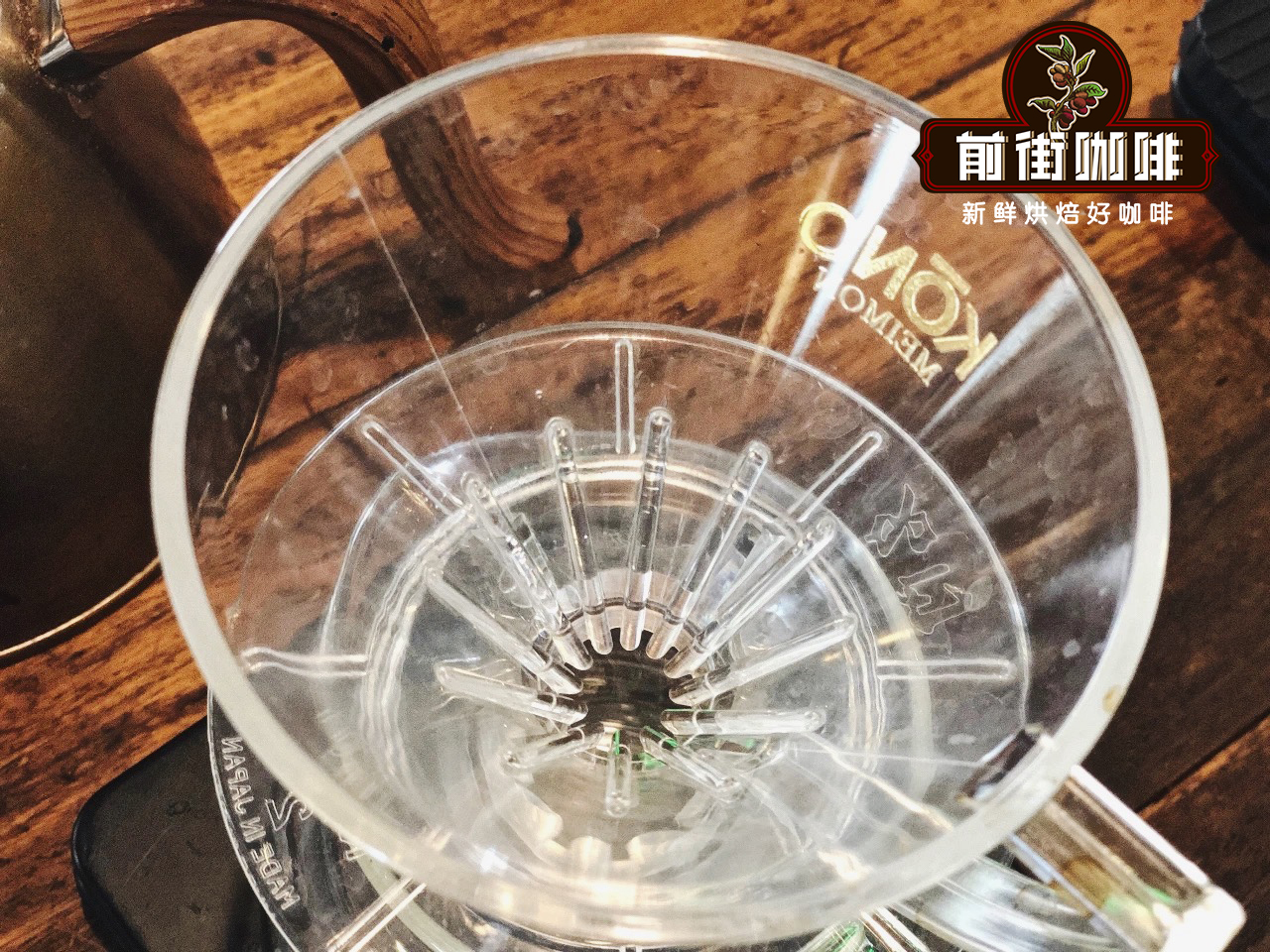
Dripper: KONO
Dose: 15g
Water Temperature: 90°C
Grind Size: Medium grind, 75% pass-through rate on #20 standard sieve
Water-to-Coffee Ratio: 1:15
Brewing Method: Multi-stage extraction
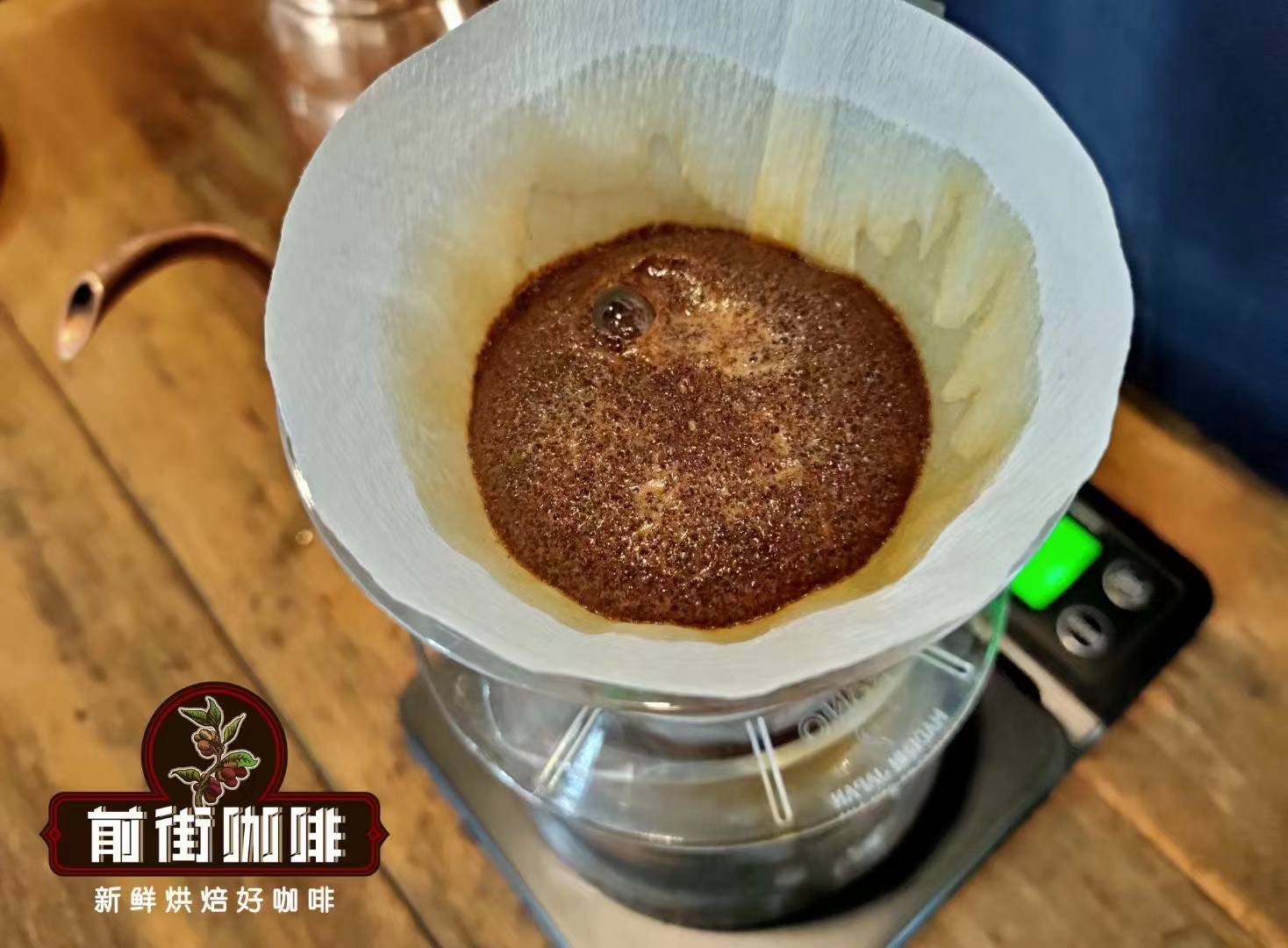
Use 30g of water for a 30-second bloom. Pour with a small stream in circles to 125g for stage separation. When the water level drops and is about to expose the coffee bed, keep pouring to 225g and stop. When the water level drops and is about to expose the coffee bed again, remove the dripper. (Timing starts from the bloom.) A V60 dripper extracts in 2'00", while a KONO dripper takes slightly longer at 2'10".
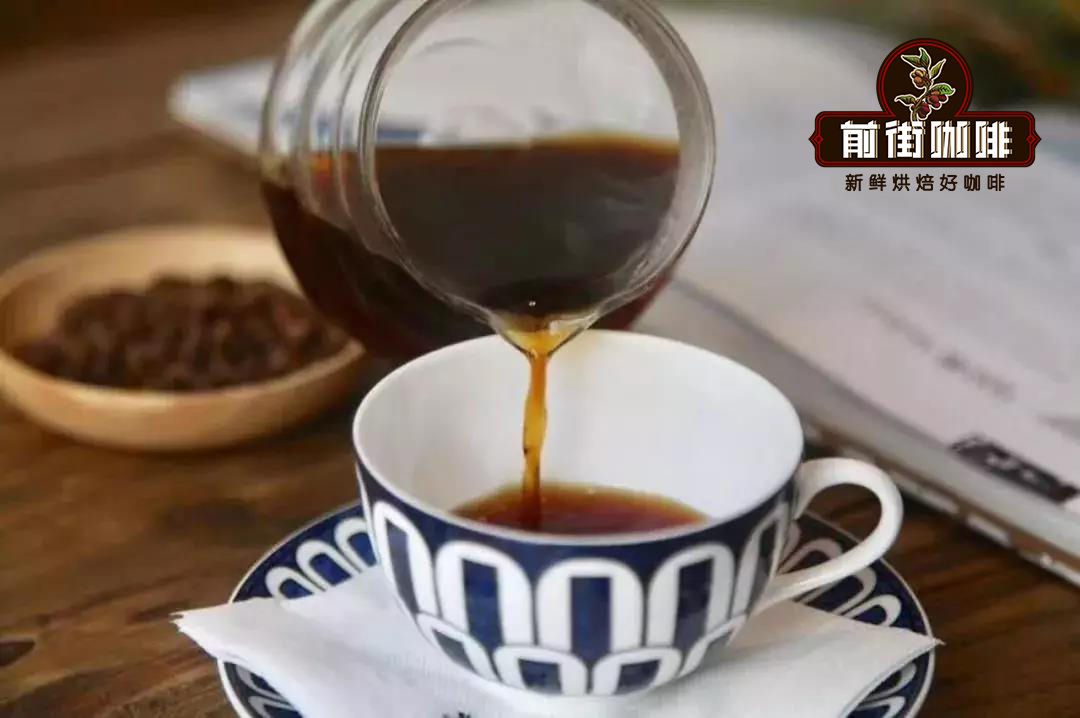
Brazilian Queen Estate Coffee Bean Flavor: A balanced mouthfeel, with almond and cocoa as the main notes and the sweetness of sugarcane sugar pushed forward. This is a coffee with good fullness and abundant sweetness.
For more specialty coffee beans, keep exploring FrontStreet Coffee's lineup.
FrontStreet Coffee Recommendation
Brazil is the world's largest coffee producer, and its beans cover a huge range, yet they share a moderate acidity and a fine balance of sweetness, bitterness, and body that makes them a natural fit for medium roasting. That roast brings out a heady nut aroma and a mellow cup with a gentle acidity, and the beans work equally well as a single origin or in a blend.
For a first taste of Brazil, FrontStreet's Cerrado Red Bourbon is a classic single origin. Cerrado is a well-known Brazilian region prized for high-quality beans, and this lot is the red Bourbon common across South America. Roasted medium, it shows creamy peanut, toasted bread, caramel, and hazelnut, with a round body, little acidity, and a light bitter edge, and it suits pour-over as well as a moka pot, an espresso SOE, a siphon, and a French press.
FrontStreet's Queen's Estate single origin comes from Mogiana, close to South Minas, where fertile red volcanic soil feeds the fruit into a full aroma; some farms keep to traditional operation while others have adopted modern, standardized management, and local quality has improved greatly. The variety is the rare Yellow Bourbon, a natural mutation of Red Bourbon with a cleaner fruit character, and across pour-over, a moka pot, and a home espresso machine it reveals a sugarcane sweetness found in few other regions, along with fruit and chocolate.
Brazil's low-acid, balanced cup and friendly price also make it the first choice for many espresso recipes. FrontStreet's classic blend with its rich crema, the nutty premium blend, the well-balanced Black Cocoa that so many baristas recommend, and FrontStreet Coffee's Commercial Blend made for cafes all include Brazilian beans, which bring chocolate and cream aroma plus a gentle sweet-sour-bitter profile that keeps extraction stable.
Important Notice :
FrontStreet Coffee is a long-established specialty coffee roaster in Guangzhou China, selling freshly roasted beans from its own farm in Yunnan as well as dozens of carefully selected single-origin beans from around the world for both pour-over and espresso. The products deliver consistently excellent quality and great value, with shipping within 24 hours. Guangzhou's FrontStreet Coffee shop is recommended by many coffee lovers, and the beans are now available online at the Tmall 。
FrontStreet Coffee has moved to a new address:
FrontStreet Coffee Address: 315,Donghua East Road,GuangZhou
Tel:020 38364473
 Scan and follow the En Gafei WeChat official account. Please indicate that the reprint comes from "En Gafei".