Yirgacheffe Coffee Price: Yirgacheffe Coffee Bean Price & Drip Bag Coffee Cost

Today's subject is Yirgacheffe. The phrase "coffee enters the mouth, a hundred flowers bloom" fits it perfectly—the comforting sensation of flowers awakening taste buds and olfactory cells all at once. So how do washed and natural Yirgacheffe differ in flavor?
Difference One: Two Different Green Bean Processing Methods
Coffee must be processed immediately after harvest, or it will begin to ferment and develop off-flavors. There are two routes—natural processing and washed processing—and each creates a different flavor profile.
Natural beans carry complete natural richness, gentler aromas, and more body. Washed beans show good richness, high aroma, and lively acidity.
Natural Processing (Natural/Dried-in-the-Fruit)
After harvest the cherries are sun-dried with nothing removed—the oldest processing method still in use. Drying typically takes about 4 weeks, and the process must be extremely rigorous to preserve every bit of flavor. Natural processing demands a very dry local climate. In some regions, drying machines assist the process, their hot air speeding drying and helping control the degree of moisture loss.
Full Washed Processing (Washed)
This method uses washing and fermentation to remove the pulp, mucilage, and parchment. Farms using it must build washing tanks and have a continuous supply of fresh water. During processing the fermented beans sit in the tank and are moved back and forth, so friction between the beans and the force of flowing water scrub them until smooth and clean.
After washing, the beans are still enclosed in parchment at 50% moisture content. They must be dried down to 12%, or they will keep fermenting, go moldy, and spoil.
Sun-drying is the better route here. It takes 1–3 weeks but produces excellent flavor and is highly preferred.
Difference Two: Coffee Bean Appearance
Green beans: Washed green beans are generally blue-green, while natural-processed green beans are yellow-green.
Roasted beans: Washed Yirgacheffe has more silver skin; natural Yirgacheffe has less.
Difference Three: Taste Differences
Dry Aroma Differences:
Cupping: [Using 8 grams of coffee powder to 150ml of 94°C hot water in a cup, let the coffee steep for 3–4 minutes until a crust forms]
Natural Yirgacheffe coffee: Light fermented wine aroma, spice fragrance
Washed Yirgacheffe coffee: Jasmine flower aroma, lemon or lime citrus aroma
Taste Differences:
Natural Yirgacheffe coffee: Natural processing is somewhat complex, with a light fermented wine aroma. The bitter notes are heavier, the taste much richer, with honey sweetness and cocoa edged with spice, a full body, and a persistent aftertaste.
Washed Yirgacheffe coffee: Washed processing has brighter acidity, like citric acid, with a more refreshing taste, more prominent citrus fragrance, and some black tea sensation toward the end.
Similarity: Both have fruit acidity, similar to lemon and citrus fruits.
Pour-Over Data
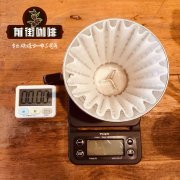
Natural Yirgacheffe coffee: Recommend 15g of coffee, 89°C water temperature, Fuji grinder setting 4, V60 dripper, and a 1:15 coffee-to-water ratio. First pour 30g and bloom for 30s, second pour to 104g and stop, continue pouring to 225g, discard the tail water. Extraction time around 2:02.
Washed Yirgacheffe coffee: Recommend 15g of coffee, 92°C water temperature, 1:15 coffee-to-water ratio, V60 dripper. First pour 30g and bloom for 30s, second pour to 110g and stop, continue pouring to 215g, discard the tail water. Extraction time around 2:05.
Brewed this way, you can experience Yirgacheffe's comforting rush of flowers across the taste buds and olfactory cells.
Light Roasting Preference
So why do some roasters now apply a light roast to Yirgacheffe?
Light roasting makes the fruit aromas of this tropical-grown coffee more prominent and rich. On entry, its slight acidity resembles an apple's tart perfume, which actually underlines the coffee's richness and makes the bitterness more aromatic and worth savoring. Coffee, after all, is a fruit, and Yirgacheffe's defining trait is that it keeps its sweet-and-sour fruit character even after roasting at high heat.
In any country, the decision to roast rests with the barista and roaster. Their personal understanding of the beans and their different preferences determine the method.
Yirgacheffe Coffee Brand Recommendations
Yirgacheffe contains countless villages, micro-regions, cooperatives, and processing stations. In most of Ethiopia, coffee farmers still live difficult lives and lack the capacity to build family-run processing workshops—which is why so many processing stations exist, buying cherries from surrounding smallholders, processing them, and selling to green bean merchants. Yirgacheffe quality therefore inevitably varies. Without a keen palate, the safest way to find excellent Yirgacheffe is to choose a highly reputable brand.
FrontStreet Coffee's Yirgacheffe offers full guarantees on brand and quality, and excellent value: each 227g package costs only 85–95 yuan. At 15g of beans per cup, one package makes 15 cups, about 6 yuan each.
FrontStreet Coffee Recommendation
FrontStreet Washed Yirgacheffe Everyday Coffee. The most classic introduction to the region and to Ethiopian coffee generally. It brings white jasmine, bright citrus and lemon acidity, and a clean tea-like body, at an everyday price that has made it the first specialty bean for many drinkers.
FrontStreet Natural Red Cherry Coffee. Same Yirgacheffe terroir, a different method: only fully ripe, sound cherries are taken, screened once more at the mill, then dried whole on raised beds for three to five weeks with regular turning to prevent uneven fermentation. It keeps the classic Yirgacheffe profile while adding tropical fruit—citrus acidity, juicy berries, honeyed sweetness, and a creamy smoothness.
FrontStreet Gotiti Cooperative Coffee. From the Worka area on Yirgacheffe's southeastern edge, this lot began as part of the Worka cooperative under the YCFCU. Traditional washed processing leaves it with no bitter edge, just fresh, bright citrus and lemon acidity and jasmine fragrance.
Important Notice :
FrontStreet Coffee is a long-established specialty coffee roaster in Guangzhou China, selling freshly roasted beans from its own farm in Yunnan as well as dozens of carefully selected single-origin beans from around the world for both pour-over and espresso. The products deliver consistently excellent quality and great value, with shipping within 24 hours. Guangzhou's FrontStreet Coffee shop is recommended by many coffee lovers, and the beans are now available online at the Tmall 。
FrontStreet Coffee has moved to a new address:
FrontStreet Coffee Address: 315,Donghua East Road,GuangZhou
Tel:020 38364473
 Scan and follow the En Gafei WeChat official account. Please indicate that the reprint comes from "En Gafei".