Is Yirgacheffe Coffee Expensive? How Does It Taste and How Should You Brew It? Ethiopian Yirgacheffe Coffee Flavor and Taste Characteristics
For professional coffee knowledge exchange and more coffee bean information, follow Coffee Workshop (WeChat official account: cafe_style).
For more specialty coffee beans, add FrontStreet Coffee on WeChat, ID: qjcoffeex.
As the birthplace of coffee, Ethiopia produces a wealth of high-quality beans. With friendly prices, great value, and distinctive, fresh flavors, they are favorites of many coffee shops and brands. Ethiopian Yirgacheffe in particular wins fans over time and again.
FrontStreet Coffee currently sells 4 coffee beans from the Yirgacheffe region. Among them, the Red Cherry natural-processed beans from Yirgacheffe's Arletland processing station are especially loved by customers. This bean is currently priced at 88 RMB/227 g—outstanding value. At 15 g per cup, one bag brews 15 cups, so each cup costs only about 6 RMB.
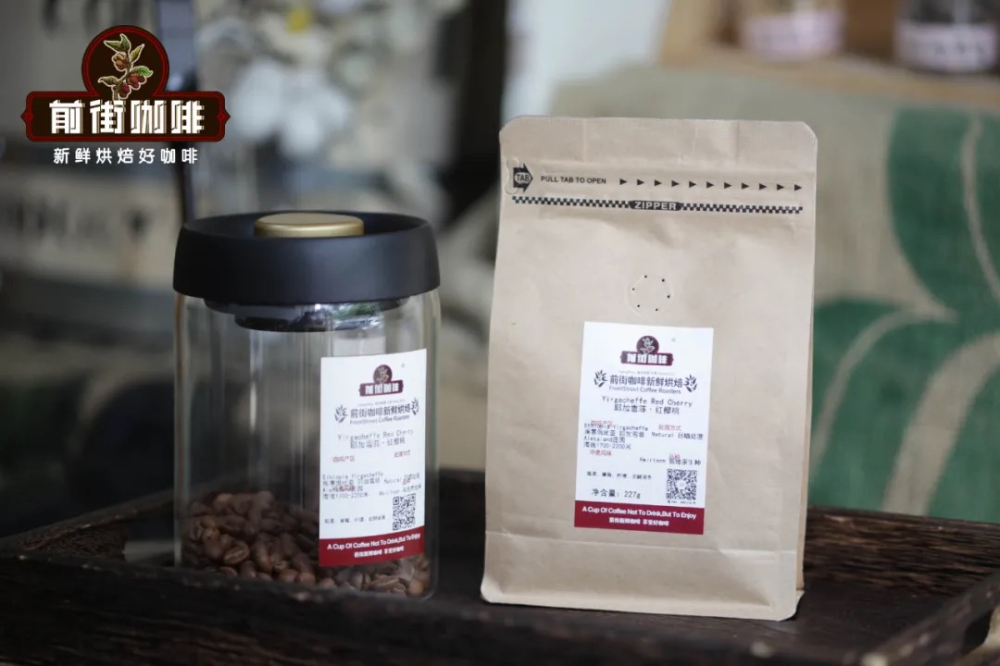
Ethiopia Yirgacheffe Natural Red Cherry Coffee Beans
Region: Ethiopia Yirgacheffe
Processing Station: Arletland Processing Station
Altitude: 1700-2200m
Processing Method: Natural Process
Variety: Ethiopian Heirloom Varieties
Flavor: Bright citrus acidity, berries, sweet-tart strawberry, honey sweetness, subtle fruit fermentation aroma
01 | Regional Introduction
A Unique Geographic Environment
Yirgacheffe is a small Ethiopian town at 1,700–2,100 meters—one of the highest coffee-growing regions in the world and a byword for Ethiopian specialty coffee. Lake Turkana, Lake Abaya, and Lake Chamo bring abundant water vapor to the area. In the rift valleys represented by Misty Valley, fog lingers year-round, with spring-like seasons, gentle breezes, and cool humidity, where thousands of coffee trees thrive—nurturing Yirgacheffe's unmistakable terroir of shifting, interwoven floral and fruit aromas.

The Historical Origins of Yirgacheffe Coffee
Yirgacheffe's coffee trees were first planted by European monks (not unlike Belgian monks growing wheat for beer), later taken over by farmers or cooperatives. The trees spread naturally through forests, fields, and backyards. Come harvest season, Ethiopian coffee trading companies come to town to buy the beans farmers have collected, ultimately auctioning and exporting them under the Yirgacheffe coffee brand.
About the Red Cherry Project - OPERATION CHERRY RED
Many coffee lovers know the name Red Cherry Project—but what exactly is it? Only a few could explain.
To help Ethiopian coffee farmers earn better incomes and raise local living standards, the Dutch trading company Trabocca and local farmers launched the OPERATION CHERRY RED PROJECT in 2007. It was designed purely to incentivize farmers to improve bean quality. At the start of the local harvest season, Trabocca would designate microclimate-zone harvest plans, hand-picking 100% mature red cherries, with yields of roughly 1,500–3,000 kg.
In 2008 the project invested $5,000 in new natural drying racks; in 2009 another $8,000 went to drying racks and shade nets; in 2010 a $9,000 generator was purchased; and in 2011 a further $10,000 improved local coffee transport roads, making shipping faster and more efficient. Trabocca also provides interest-free loans for new cherry depulpers and bean sorters, and in 2012 invested $14,000 to build a high-quality cupping laboratory in Addis Ababa to ease supplier procurement.
Trabocca backs farmers with loans, new hardware, and processing knowledge and technical assistance—promising generous purchase prices if output meets cupping standards in both the Addis Ababa and Amsterdam cupping rooms. Trabocca's passing score is 88 points.
Red Cherry Project beans are sealed in plastic inner bags (GrainPro or vacuum bags) immediately after processing at origin, then shipped to Djibouti to await sea freight. Through real-time monitoring, safe transport, and timely, appropriate processing, the project pursues perfect quality. Roasters can buy these high-quality beans through the project, which lifts Ethiopian coffee quality and prices—allowing Trabocca to return profits to farmers and keep improving quality.
02 | Processing Method
This natural-processed coffee has slightly larger beans, with slightly lower density and moisture content. Every coffee from this station counts as high-quality specialty coffee, outclassing other coffees regardless of processing method—arguably the best coffee the Yirgacheffe region produces.
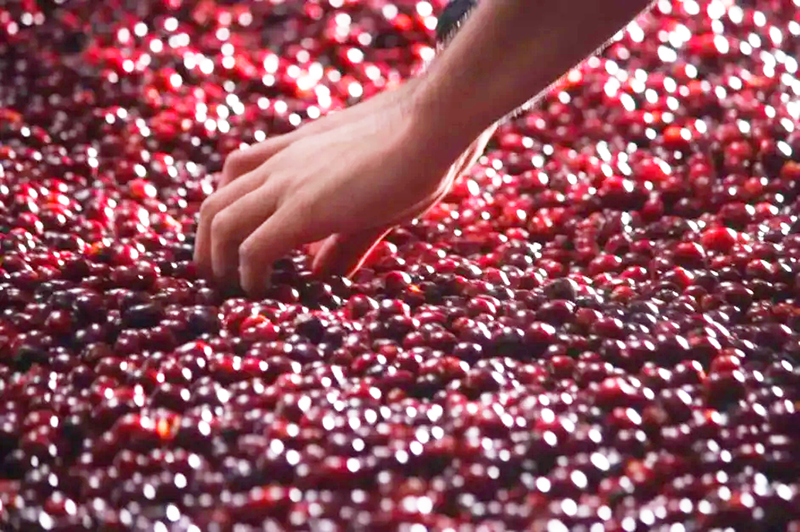
After the station selects usable cherries, the whole fruit—pulp and skin intact—goes onto elevated racks for natural drying. This labor-intensive rack method keeps the fruit off the ground, preventing earthy off-flavors during drying and yielding exceptionally clean fruit character. After more than two weeks of drying, the dark brown cherries are professionally stored to mature fully in flavor. Before shipment, the beans are hulled from the dried cherries—resulting in remarkable sweetness.
03 | Green Bean Analysis
Yirgacheffe Coffee Grading:
By processing method, Yirgacheffe coffee falls into two main categories:
Type A: Washed, graded to SCAA standards as Gr-1 and Gr-2. Smaller numbers mean higher grades. G1 washed Yirgacheffe has a distinctive style, with citrus and floral notes woven through the cup—irresistible.

Type B: Natural, graded as Gr-1, Gr-3, Gr-4, Gr-5. The top-graded G1 natural Yirgacheffe is bursting with fruit aroma. Opening a bag of freshly roasted G1 natural Yirgacheffe will upend everything you thought you knew about coffee—only those who have tasted the highest-grade natural Yirgacheffe believe that coffee is, at heart, a fruit.
Exported in ordinary jute bags printed with Trabocca.
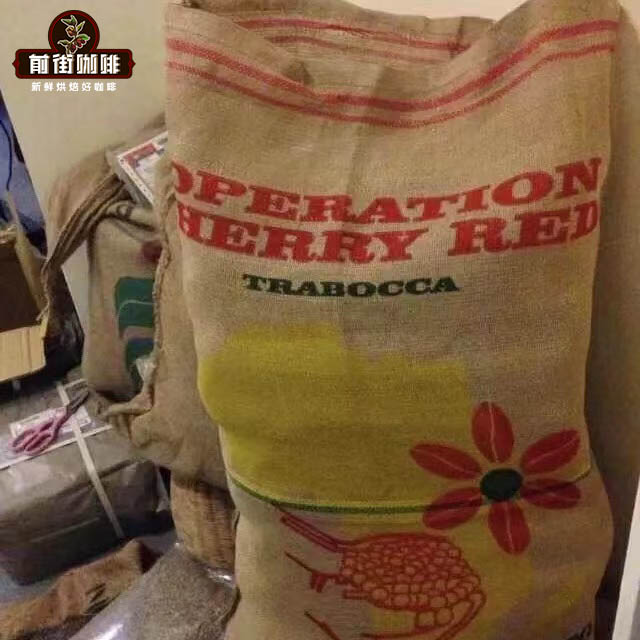
Yirgacheffe's varieties are local heirlooms—small-bean types, relatively round, with very small beans mostly at 14–15 screen size.
Grade 1 Yirgacheffe Cherry Red green beans are yellow-green, typical of natural coffee, with uniform, plump beans and few defects.
04 | Roasting Analysis
Such vibrantly flavored beans don't suit medium-dark roasting, so this Yirgacheffe is lightly slow-roasted to best express its rounded sweetness and rich florals and fruit. The small, low-moisture beans absorb more heat during roasting, and the Maillard reaction proceeds relatively quickly.
In the first roast I used a high drop-in temperature—160 heat power until the beans dehydrated and turned yellow—to ensure enough heat to carry through first crack toward second. For the second, third, and fourth roasts, the same 200°C drop-in temperature and heat power were used, gradually reducing heat during roasting as needed.
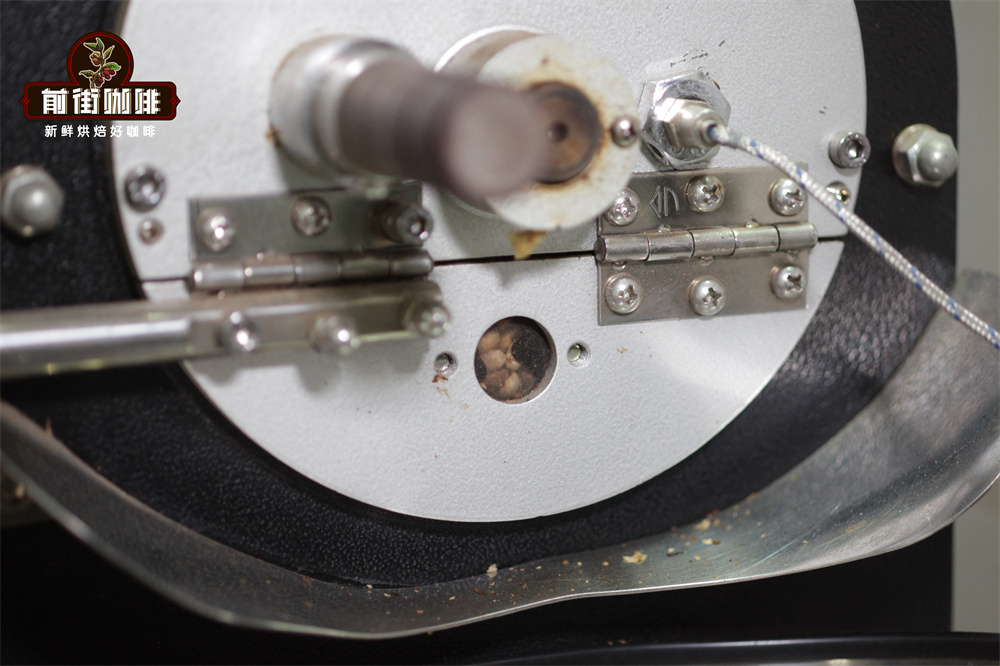
This roast is a quick-roasted light roast:
Cupping: Roast one: strawberry, raspberry, vanilla, honeydew, juicy
Roast profile 2: strawberry, raspberry, vanilla, honey, juice
Roast two: mango, black plum, citrus juice
Roast profile 3: mango, black plum, blueberry, citrus juice
Roast three: citrus juice, cream
Roast profile 3: citrus juice, cream
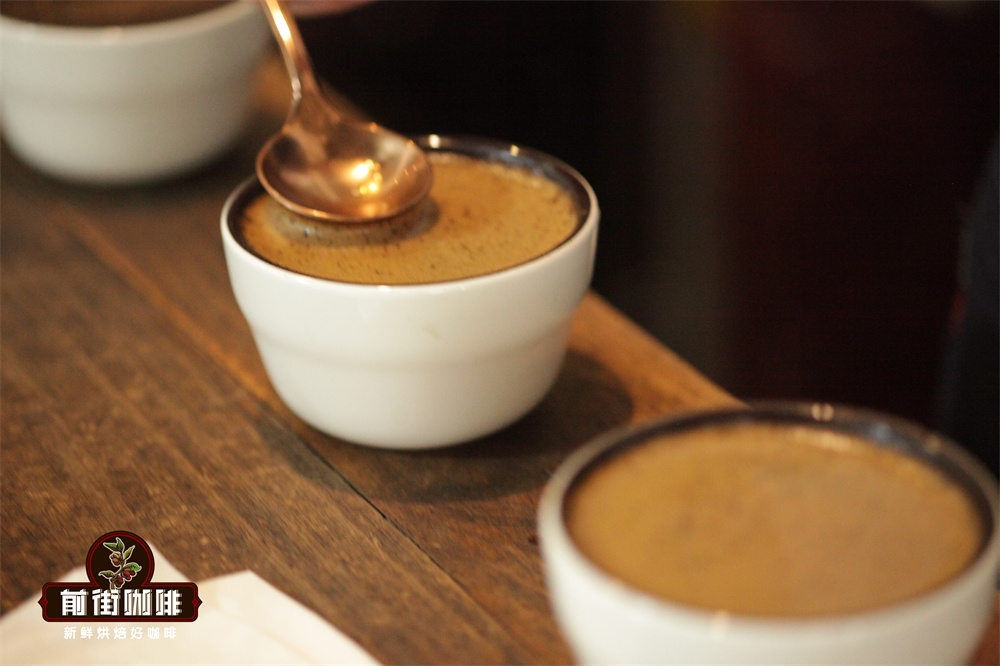
Roaster: Yang Jia 600g semi-direct flame.
Quick-roast mode: charge at 200°C, damper at 3.5, reduce heat to 160 after 1 minute with the damper unchanged, adjust heat once at 148 down to 130, roast to 5'03" at 151°C when the bean surface turns yellow, the grassy aroma disappears completely, and dehydration ends—then adjust heat to 105 and open the damper to 4.
At the 8th minute, wrinkles and black spots appear on the bean surface and the toast aroma clearly turns to coffee aroma—the prelude to first crack. Listen carefully from here. At 9'07" first crack begins; reduce heat to 70 and open the damper fully (adjust heat very carefully—not so low that the crack stalls), dropping at 194°C.
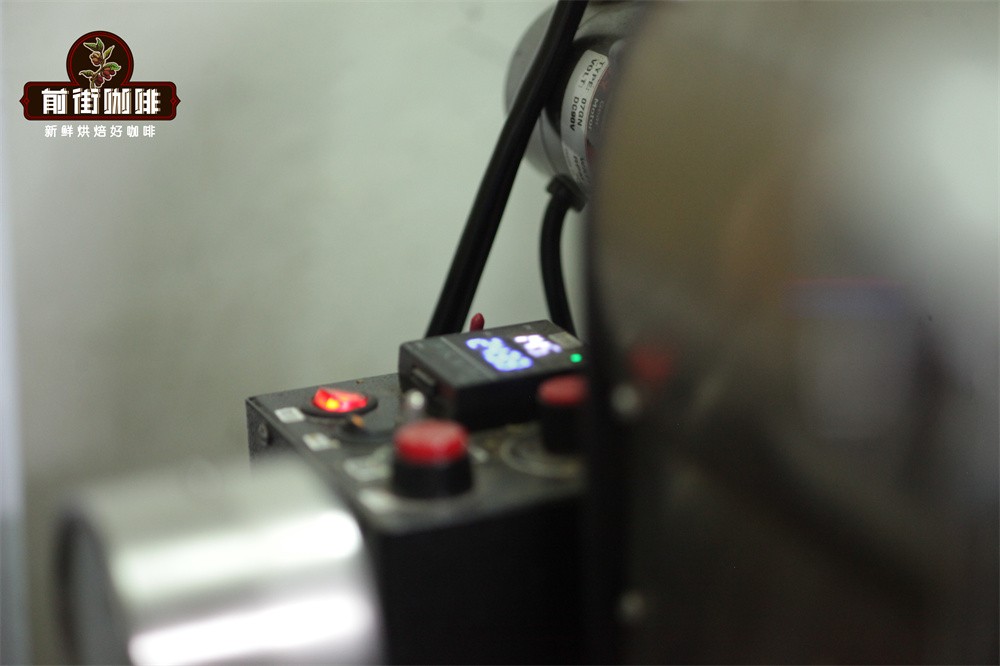
FrontStreet Coffee noticed this Yirgacheffe's dry aroma gives off strong fruit fragrance with rich dried-fruit notes of strawberry, mango, and apricot jam. The wet aroma is like sweet syrup—thick apricot pulp wrapped in rustic honey or chocolate. The entry is gentle, with medium body; the acidity isn't obvious but is lively and bright, like fruit tea.
04 | Brewing Analysis
For brewing, pour-over and siphon are ideal. While grinding, you can smell the overwhelming natural fruit aroma with evident sweetness—gentle and elegant, sweet and charming. Yirgacheffe's aromas are extraordinarily complex, showcasing a mouthfeel that's hard to put into words.
First Brew:
V60 dripper, 15 g coffee, water temperature 90°C, medium-fine grind (85% pass rate through China #20 standard sieve), water-to-coffee ratio 1:15.
Bloom with 30 g water for 30 seconds, small-stream circular pour to 125 g for segmentation, continue pouring to 225 g when the water level drops to just expose the coffee bed, remove the dripper when the bed is just exposed again (timing from the bloom), extraction time 2'00".
Flavor: Prominent strawberry acidity, astringent finish, with off-flavors.
Second Brew (Correction):
V60 dripper, 15 g coffee, water temperature 86°C, medium-fine grind (78% pass rate through China #20 standard sieve), water-to-coffee ratio 1:15.
Flavor: Smooth, much richer flavor, layered, with enhanced fermented berry sweetness.
The wet aroma of fermented berries and fruit wine is almost hard to believe for a Yirgacheffe—personally, I'm not fond of that wet aroma. But from the silky entry to the delicate body, the emergence of ripe fruit's sweet-tart balance is amazing. The sweetness exceeds any Yirgacheffe I've tasted before, and the aftertaste is superb—a true fruit bomb; you'll still taste sweetness half an hour later.
Yirgacheffe Coffee Brand Recommendations:
Under the Yirgacheffe name sit countless villages, micro-regions, cooperatives, and processing stations. In most of Ethiopia, coffee farmers still live very difficult lives—they lack the means to build family processing workshops, so many stations spring up to buy cherries from surrounding smallholders, process them, and sell to green traders. Quality inevitably varies. To find excellent Yirgacheffe without an expert's palate, choose a high-credibility brand.
FrontStreet Coffee Recommendation
If you're new to Ethiopian coffee, start with the most classic FrontStreet Coffee Washed Yirgacheffe: white jasmine florals, bright citrus and lemon acidity, and a tea-like finish, at a friendly price—many people's very first specialty bean. Yirgacheffe itself is a small town in Sidamo province at 1,700–2,100 meters, with coffee planted above 1,800 meters—among the world's highest farms. The name has long been shorthand for that distinctive white-floral, lemon-citrus character; in 2010, because Yirgacheffe had grown so famous, Ethiopia's commodity exchange formally split it from Sidamo as its own appellation.
Within Yirgacheffe are many micro-regions and villages with seasoned cooperatives. FrontStreet Coffee Washed Idido Cooperative, from the Worka area at Yirgacheffe's southeastern end—once part of the Worka cooperative under the YCFCU union, later recognized as a "single origin" in its own right—uses the most traditional washed processing. It carries none of the old-fashioned bitterness: clean, bright citrus and lemon acidity plus jasmine fragrance that wins people over at first sip. For natural-process fans, FrontStreet Coffee Natural Red Cherry uses only fully ripe, defect-free cherries, sun-dried three to five weeks on raised beds and turned every 2–3 hours in the early days to prevent uneven fermentation. Dried in the fruit, it combines classic Yirgacheffe character with tropical fruit: citrus acidity, berry juiciness, honeyed sweetness, and cream-like smoothness.
FrontStreet Coffee's suggested pour-over for Yirgacheffe: V60 dripper, 15 g of coffee, 90–91°C water, 1:15 ratio, ground to fine granulated sugar (80% pass through a #20 sieve; EK43s at 10). Bloom with 30 g for 30 seconds, pour to 125 g within about a minute, then add the final 100 g (to 225 g) at 1:35; drawdown finishes at 2:00–2:10.
Important Notice :
FrontStreet Coffee is a long-established specialty coffee roaster in Guangzhou China, selling freshly roasted beans from its own farm in Yunnan as well as dozens of carefully selected single-origin beans from around the world for both pour-over and espresso. The products deliver consistently excellent quality and great value, with shipping within 24 hours. Guangzhou's FrontStreet Coffee shop is recommended by many coffee lovers, and the beans are now available online at the Tmall 。
FrontStreet Coffee has moved to a new address:
FrontStreet Coffee Address: 315,Donghua East Road,GuangZhou
Tel:020 38364473
 Scan and follow the En Gafei WeChat official account. Please indicate that the reprint comes from "En Gafei".