How Much Does Yirgacheffe Cost? Is Yirgacheffe Coffee Expensive? How Much is a Cup of Yirgacheffe?

When people think of African coffee, Ethiopia - the birthplace of coffee - comes to mind first. Citrus and lemon acidity, jasmine, ripe strawberry, tropical fruit, berries, and honey are all common terms used to describe Ethiopian beans. Among them, Yirgacheffe carries the greatest reputation, and "Yirgacheffe flavor" has long been one of the synonyms for specialty coffee.
For friends stepping into specialty coffee, FrontStreet Coffee usually suggests "Yirgacheffe daily coffee beans" as the first choice. It offers a distinctive flavor at an affordable price (25 yuan per 100g small pack), and it is also one of the easiest origins for newcomers to recognize. Anyone who has tried Yirgacheffe immediately recalls the bright, uplifting lemon acidity, the floral aroma, and the honeyed sweetness, alongside a gentle fruit acidity and citrus character that make for a refreshing, pleasant mouthfeel. Unlike traditional bitter-toned coffee, Yirgacheffe has none of that heavy, burnt bitterness; instead it presents a clean aroma spectrum closer to fruit tea, which is why so many fall in love at first sip. That is also why Yirgacheffe is the gateway choice for many enthusiasts.
Yirgacheffe: A Small Town
Ethiopian coffee cultivation is concentrated in the western and southern regions, and smallholder family farms account for 90% of the total. Nearly 1.2 million smallholder families make their living from coffee. The local production system is divided into four types - forest coffee, semi-forest coffee, garden coffee, and large-scale plantations - with garden coffee the most common. Because smallholder volumes are so small, the region has many cooperatives and processing plants of various sizes, mainly handling the local raw beans. Farmers deliver their harvested cherries to nearby processing plants built near water sources for unified processing, and subsequent sales go out under the plant's name. The Yirgacheffe region is one of these.
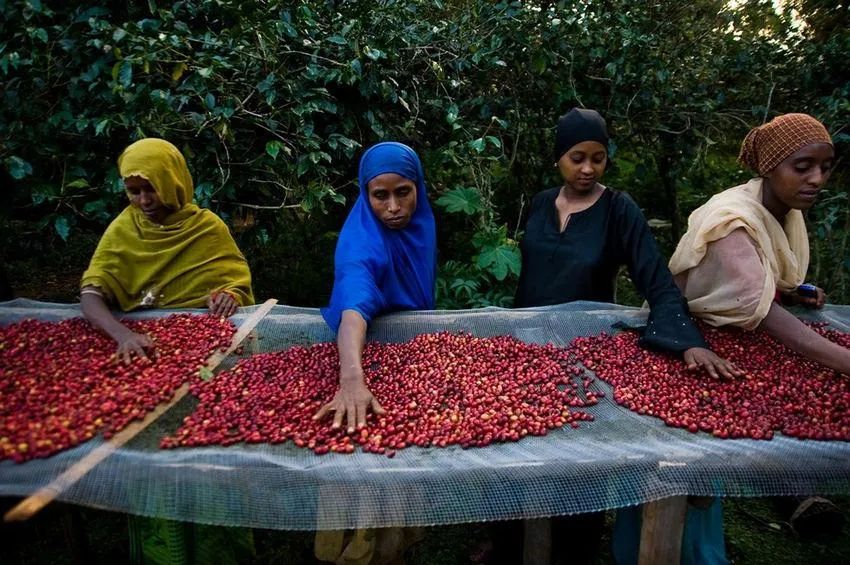
Yirgacheffe is a small town in the northwestern part of Ethiopia's Sidamo province. Located in the Gedeo zone, the town sits downstream of large lakes, with abundant springs and rivers flowing through and providing ample fresh water for washing stations. FrontStreet Coffee also notes that in the ancient Ethiopian language, "Yirgacheffe" is made of two words: Yərga (ይርጋ), meaning peace and settling down, and Č̣äfe (ጨፌ), referring to marsh-like wetlands. Yirgacheffe thus carries the meaning of "let us settle and thrive in this wetland."
Nestled among mountains and accompanied by lakes, this area sits at an altitude of 1,700-2,100 meters, making it one of Ethiopia's highest coffee-growing regions. Originally part of Sidamo, it later became an independent Yirgacheffe region because of its unique flavor and growing reputation. The small town is often shrouded in mist, with spring-like weather year-round: gentle breezes, cool but not hot temperatures, rain without dampness, and no winter frost damage - extremely suitable for coffee as an agricultural crop. The coffee grown here carries a distinctive citrus and floral aroma.
FrontStreet Coffee's Yirgacheffe Selection
FrontStreet Coffee offers several Yirgacheffe coffees, all either washed or sun-dried natural. Among them, the washed Gedeb cooperative and the sun-dried Red Cherry are the most representative.
Washed Gedeb Cooperative Coffee
The Gedeb cooperative has 300 member smallholder farmers and is known for growing some of Ethiopia's highest-quality coffee. Its processing follows the most traditional washed approach, earning it the reputation as "the last pure land of Yirgacheffe." When customers come to FrontStreet Coffee hoping for washed fruity coffee, the baristas tend to recommend the Gedeb cooperative coffee from the bean display first. It lacks the heavy bitterness of traditional black coffee and instead features fresh, bright citrus and lemon acidity with jasmine fragrance, which is why so many coffee lovers fall for it at first taste.
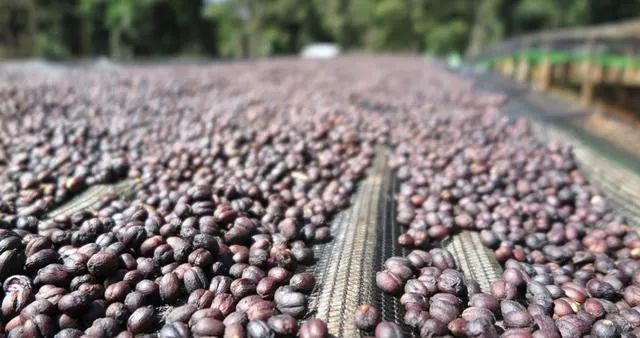
Traditionally, after harvest, farmers placed cherries directly on terraces or spread them on the ground to dry in the sun. Once moisture reached about 12%, the fruit could be sent for hulling and packing. Coffee processed this way often developed earthy flavors, over-fermentation, and rotten-fruit tastes. To fix these defects, Ethiopia introduced washed processing technology from Central and South America.
Washed processing means pouring cherries into water tanks and skimming off the unripe beans that float, machine-removing the pulp, and placing the beans in clean water tanks for fermentation. The acids produced during fermentation help the mucilage layer detach. The parchment is then rinsed thoroughly with clean running water and finally dried in sunlight. The multiple steps of washed processing remove defective beans and leave a cleaner acidity in the cup.
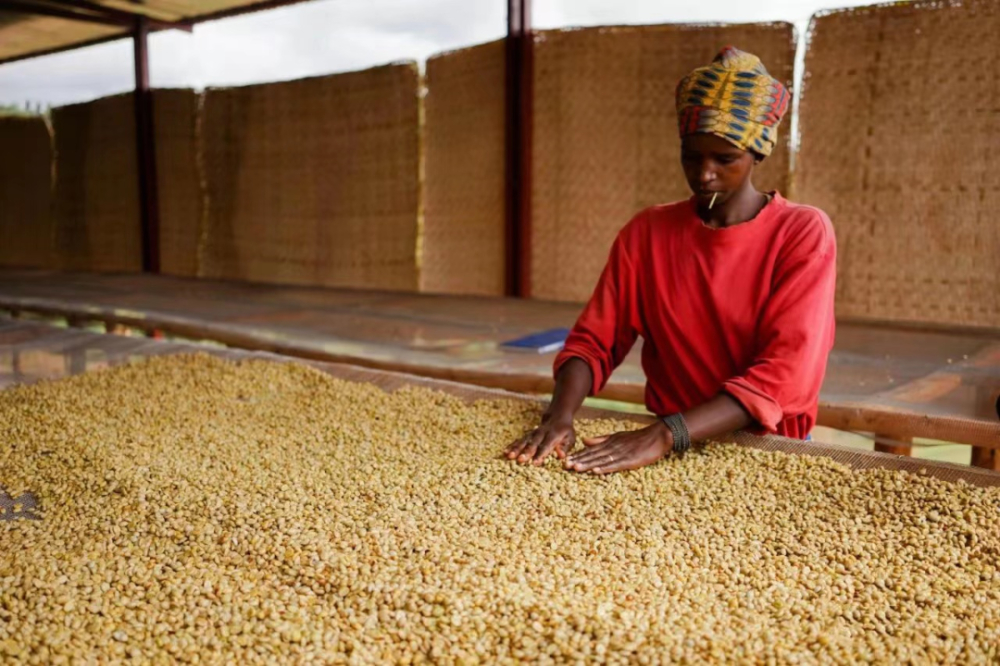
Sun-Dried Red Cherry Coffee
The "Red Cherry Project" was launched in 2007 by the Dutch trading company Trabocca BV to improve the quality of Ethiopian coffee.
The project targets high-altitude regions such as Ethiopia's Yirgacheffe, improving techniques including washed, semi-washed, and sun-dried methods. Professional cuppers participate, and different harvest volumes are set for different microclimate zones during the harvest season. Only 100% ripe red cherries may be harvested, with production running roughly 1,500-3,000 KG. The economic credit support, new hardware equipment, and production knowledge Trabocca provides have markedly improved bean quality in the Yirgacheffe region and across Ethiopia, raising coffee prices and, in turn, farmer incomes.
FrontStreet Coffee's sun-dried Yirgacheffe Red Cherry beans are selected from Aletland Farm's full-red-fruit sun-dried processing. The raw beans are light yellow, full-bodied, intact in appearance, with a low defect rate, and graded G1. Sun-dried Yirgacheffe has more intense flavor and richer layers, with wine-like fermentation notes and greater sweetness.
Yirgacheffe's Aroma and Flavor
On roasting, FrontStreet Coffee believes Yirgacheffe should head in an acidity-forward direction, so it uses a medium-light roast. The washed Gedeb cooperative beans are lightly roasted to preserve more bright acidity and white floral aroma, while the sun-dried Red Cherry beans are medium-light roasted to show full berry sweetness and acidity. Before launching any bean, FrontStreet Coffee holds at least one cupping session. Under consistent standards, cupping lets us assess the coffee's strengths and weaknesses more objectively.
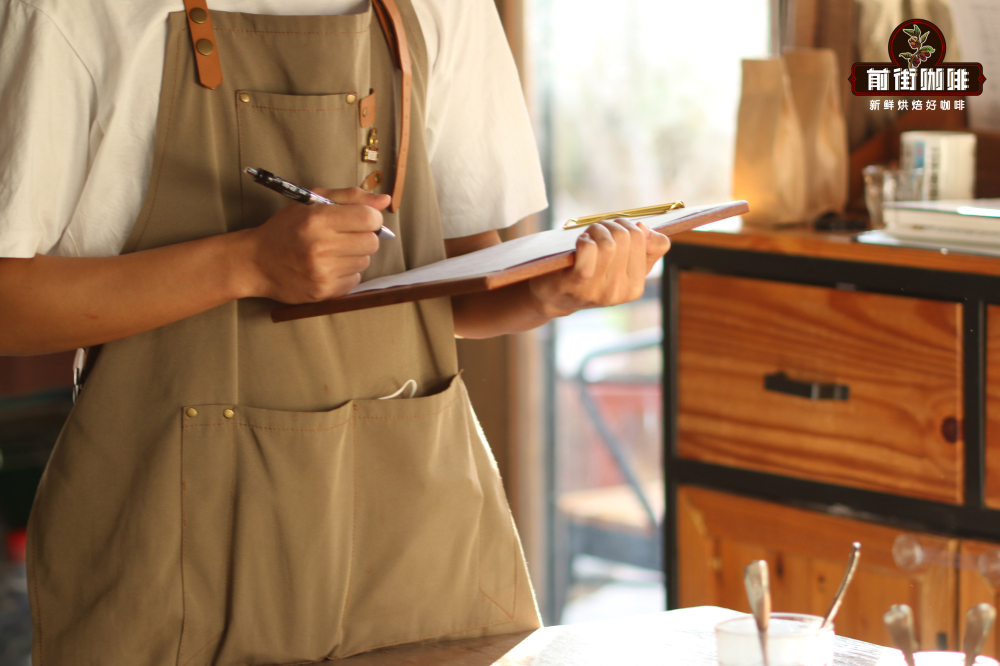
Cupping Flavors
Washed Gedeb Cooperative Coffee: The dry aroma reveals fresh passion fruit, citrus, and berry sourness. The wet aroma shows citrus and berries. On tasting, there is citrus acidity, berry sweetness, almond, tea notes, and a honey-sweet aftertaste. Light body, bright acidity, clean and refreshing.
Sun-Dried Red Cherry Coffee: The dry aroma presents full berry sweetness and acidity. Slurped at different temperatures, it shows soft berry sweetness and acidity, ripe-fruit fermentation, obvious honey sweetness, and a black tea aftertaste, with a smooth mouthfeel.

Yirgacheffe Brewing Recommendations
Whatever the extraction method, FrontStreet Coffee believes the freshness of the beans is crucial. Coffee roasted more than two months ago has likely lost much of its aroma, and even excellent technique can hardly restore the cup's fragrance. So that everyone can taste coffee at its best stage, FrontStreet Coffee only ships beans roasted within the last 5 days, ready to brew as soon as they arrive.
Because Yirgacheffe is light roasted, the beans are relatively hard and need water at 92°C-93°C to fully extract the floral and fruit flavors. FrontStreet Coffee recommends a medium-fine grind (78% pass-through rate on a China standard #20 sieve). Too coarse a grind cannot extract body, leaving thin coffee; too fine a grind easily over-extracts at high water temperature, turning the coffee bitter.

During cupping, FrontStreet Coffee noticed that these beans show different flavors at different temperatures, so the brewing method uses three-stage extraction to let different compounds express themselves as the bed temperature rises gradually. To highlight the fresh, charming aroma of washed Yirgacheffe, FrontStreet Coffee brews with a V60 dripper. Its spiral-rib design lets the grounds degas better, maximizing the activation and dissolution of acidic aroma compounds.
For the ratio, FrontStreet Coffee considers 1:15 to 1:16 acceptable. For a richer mouthfeel, use 1:15; to experience the floral sweetness more clearly, use 1:16 so the flavors spread more.
Brewing Parameters
- Dripper: V60
- Water Temperature: 92-93°C
- Dose: 15g
- Coffee-to-Water Ratio: 1:15
- Grind Size: Fine sugar size (78% pass-through rate on #20 sieve)

Three-Stage Pouring: Use twice the weight of the coffee grounds in water to moisten the bed into a dome and bloom for 30 seconds. Then, with a small stream, pour in circles from the inside out to 125g for the first stage. Wait until the bed drops to half the dripper's height, then continue with the same fine stream to 225g for the third stage. Remove the dripper after all the liquid has filtered through, with a total time of about 2 minutes.

FrontStreet Coffee Recommendation
Yirgacheffe is the best-value doorway into bright, floral Ethiopian coffee, and FrontStreet's lineup lets you compare two sides of it. FrontStreet Washed Yirgacheffe is the everyday lot - white jasmine, bright citrus and lemon acidity, and a tea-like finish - and its low price makes it an easy first cup.
If you want the washed expression of a single village, FrontStreet Gedingding Cooperative is graded G1 and washed traditionally, showing elegant white florals, citrus, orange, and green tea. For richer, sweeter layers, FrontStreet Natural Red Cherry is sun-dried from whole ripe red fruit, adding berry juice, honey sweetness, and a creamy smoothness on top of the classic Yirgacheffe citrus.
Important Notice :
FrontStreet Coffee is a long-established specialty coffee roaster in Guangzhou China, selling freshly roasted beans from its own farm in Yunnan as well as dozens of carefully selected single-origin beans from around the world for both pour-over and espresso. The products deliver consistently excellent quality and great value, with shipping within 24 hours. Guangzhou's FrontStreet Coffee shop is recommended by many coffee lovers, and the beans are now available online at the Tmall 。
FrontStreet Coffee has moved to a new address:
FrontStreet Coffee Address: 315,Donghua East Road,GuangZhou
Tel:020 38364473
 Scan and follow the En Gafei WeChat official account. Please indicate that the reprint comes from "En Gafei".