Is Your Moka Pot Coffee Bitter and Astringent? The Correct Way to Use a Moka Pot
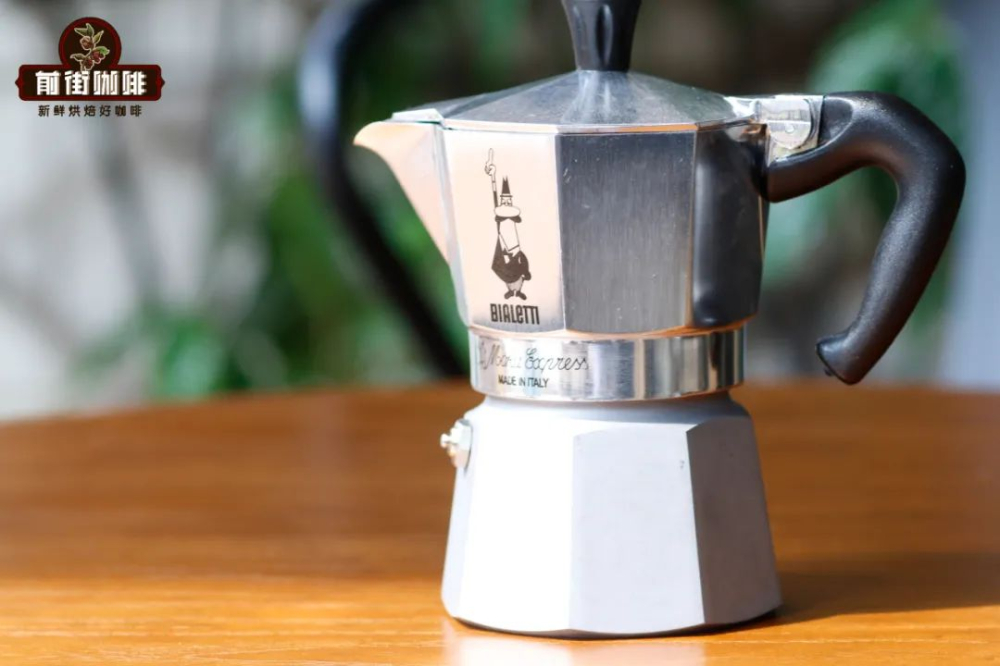
The moka pot is a device that extracts rich coffee through heat and pressure. It was invented in 1933 by the Italian Alfonso Bialetti and is popular mainly in Europe, especially its home country, Italy, where the vast majority of households keep one at home.
Traditional moka pots are made of aluminum alloy and can only be heated over an open flame. Today most on the market are made of stainless steel and can sit directly on an induction stove. When buying, you can also choose different sizes to suit your needs, the most common being the small 2-3 serving size.
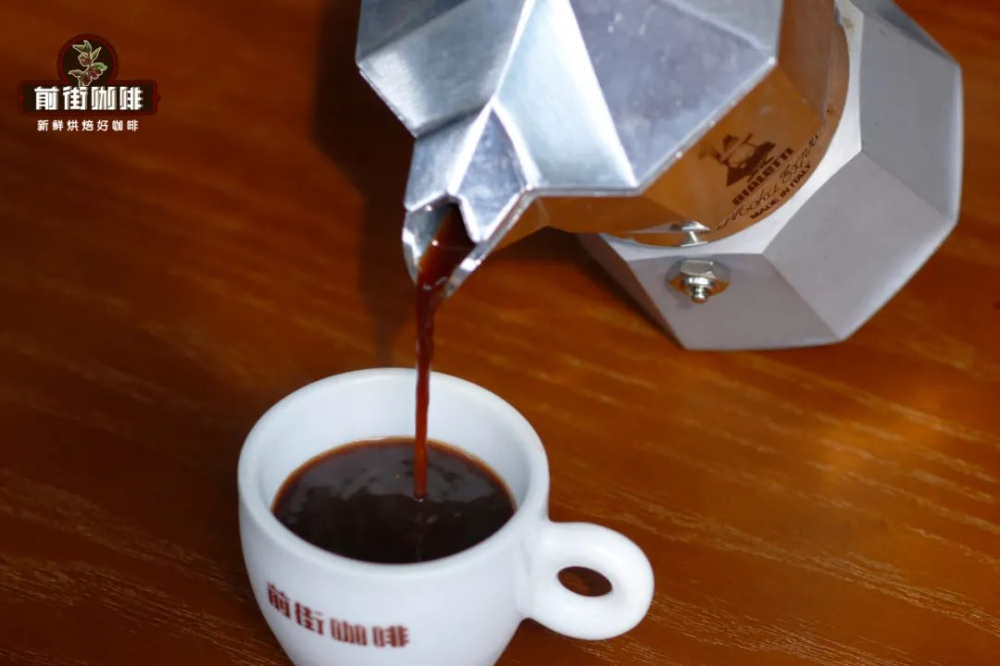
Structure and Working Principle
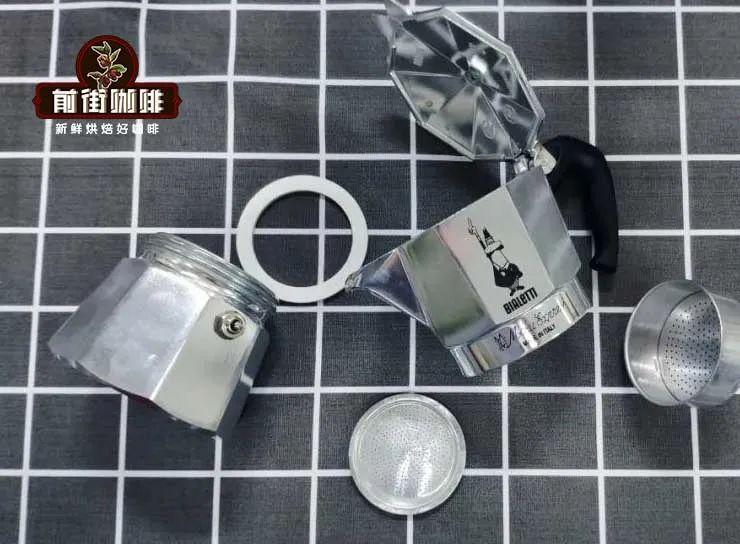
As the diagram shows, the moka pot is divided into upper and lower sections and is made up mainly of three parts: the upper chamber that holds the coffee liquid, the filter basket that holds the grounds, and the lower chamber that holds water. To extract coffee, heat raises the water in the lower chamber until it generates steam pressure. Once the pressure is sufficient, it pushes the hot water upward, through the coffee grounds to dissolve the soluble aromatics, and continues to break through upward, producing a rich, full-bodied coffee liquid.
Preparation and Equipment
Before extracting coffee, prepare a package of beans within their optimal tasting window, a gas or induction stove, a grinder, and water. FrontStreet Coffee uses FrontStreet Coffee's Sunflower Warm Blend (Honduras Sherry coffee blended with Ethiopia Natural Red Cherry coffee), an electric ceramic stove, and an EK43s grinder as used in their store.
Brewing Steps
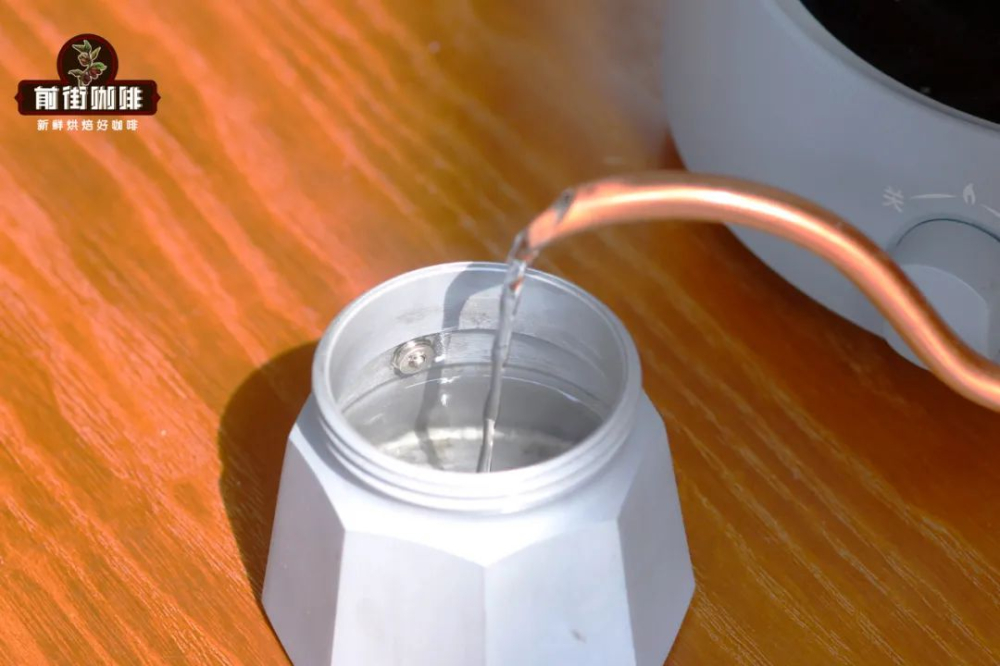
1. Add hot water to the lower chamber, keeping the water level about 0.5cm below the pressure-relief valve (safety valve). Cold water lengthens the time the grounds are soaked, causing over-extraction and bitterness, so FrontStreet Coffee suggests using hot water, which also shortens the extraction time.
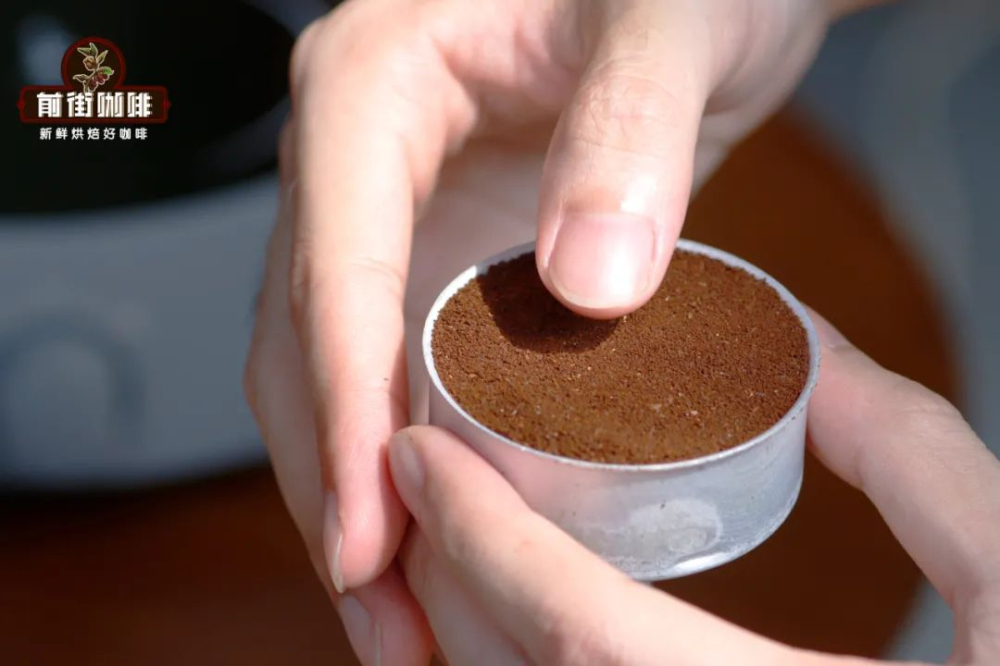
2. The grind size should be finer than pour-over but coarser than espresso. Use the filter basket's screen gap as a reference to ensure the particles are properly filtered out. Pour the grounds gently into the basket and use your fingers to tap and level them evenly.
3. Place the filter basket back into the lower chamber and tighten the upper chamber. Set it on the electric ceramic stove to begin heating and wait for the pot to come up to temperature.
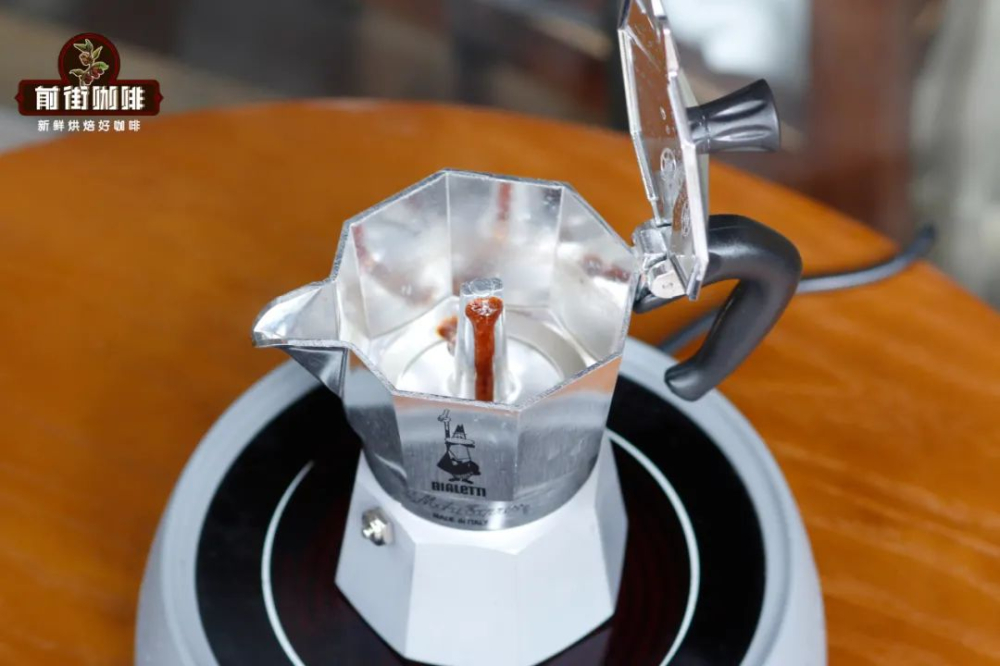
4. When you hear a hissing sound from inside the pot, turn the stove to low and open the lid of the upper chamber. You will see coffee liquid and crema slowly flowing out.
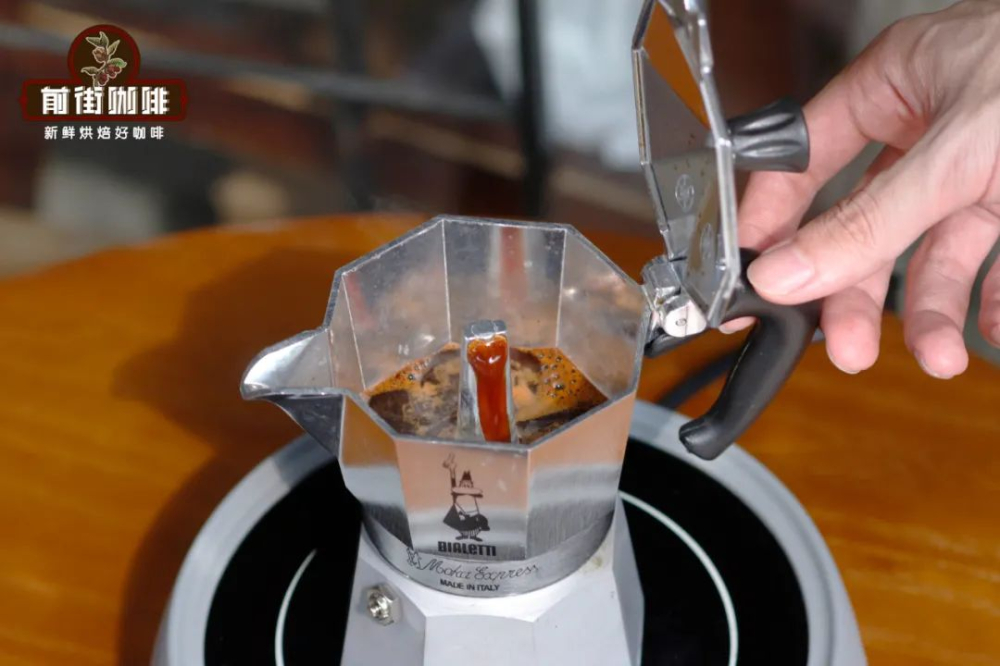
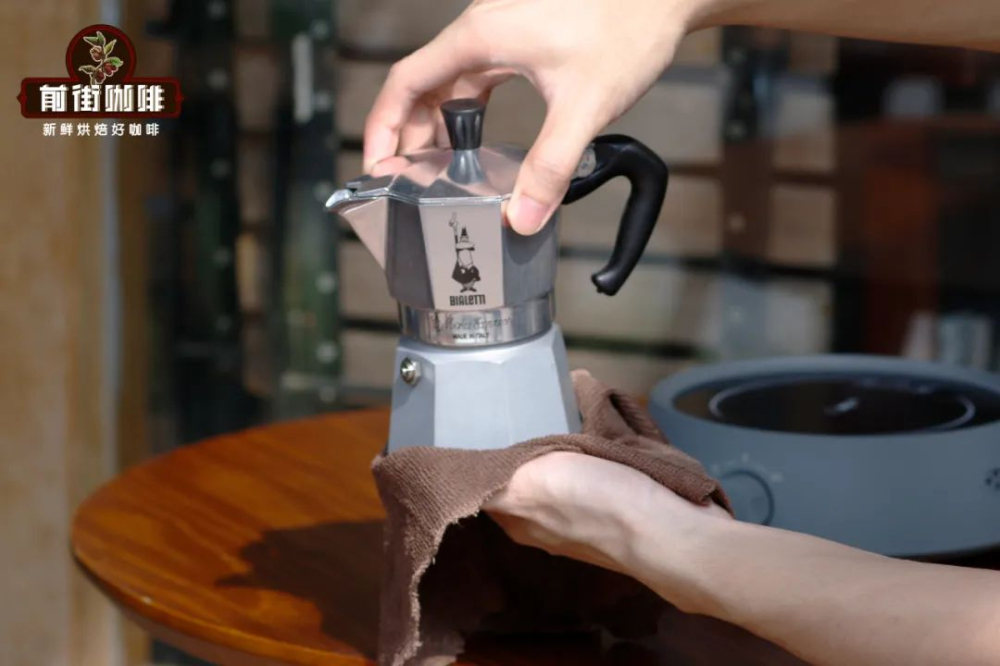
5. When the upper chamber is half full of coffee liquid, turn off the heat and move the pot to the table, letting the residual heat and pressure finish extracting the remaining liquid. Note that a moka pot uses metal components, so avoid touching the body while it is hot to prevent burns.
6. The extracted liquid can be tasted straight and will be very rich with strong flavors. You can mix it with milk or other ingredients to taste. The moka pot coffee extracted by FrontStreet Coffee has a rich whiskey aroma, vanilla-cookie fragrance, and sweet-and-sour tropical fruit. Mixed with heated milk to make a milk coffee, it shows a dense, sweet chocolate-cream texture.
Tips and Troubleshooting
Though the moka pot is simple and easy to operate, a few things still deserve attention. The water base comes with a marked pressure-relief valve. When adding water, the level must never exceed the valve, or it will lose its relief function and increase the risk of explosion. The flow of the coffee also gives you feedback. If the liquid sprays out directly, the water temperature is too high; if it flows very slowly, the water is too cool, and you need to raise the heat while always watching the temperature.
If the moka pot coffee tastes bitter and astringent, the grind may be too fine, causing over-extraction. Adjust it coarser in time so the flavors contact more water, which reduces the bitterness and weakens the astringency.
Bean Selection and Freshness
If you want the concentrated espresso from your moka pot to carry a rich crema, FrontStreet Coffee recommends freshly roasted medium-dark beans. As the roast deepens, the beans undergo caramelization and produce large amounts of gas, which is released under pressure during extraction. As storage time lengthens, that gas largely dissipates, making a rich crema hard to extract. Every bean FrontStreet Coffee ships is freshly roasted within 5 days, so you can enjoy it during its optimal tasting period.
FrontStreet Coffee Recommendation
For a moka pot, a blend is usually the easiest place to start, and FrontStreet's Classic Blend is designed for exactly this kind of brewing. Built on a traditional mamba recipe for espresso and moka pot alike, it produces an outstanding crema even on a modest home setup, with a mellow, rounded body that suits drinkers at any level. FrontStreet's Black Cocoa Blend is the value pick: 100% Arabica, with ample crema, a full body, and a friendly price. If you like a warmer, nuttier profile, the Autumn Chestnut Blend combines Honduras Caturra and Papua New Guinea Typica into a balanced 100% Arabica cup of roasted chestnut, caramel and brown sugar sweetness, soft chocolate mid-palate, and a clean, long finish with nut, cocoa, and a whisper of spice.
Single origins work beautifully too. FrontStreet's PWN Indonesian Golden Mandheling is deep-roasted and low in acidity, thick and lingering, with plenty of herbal and dark-chocolate notes and a faint earthy edge, while FrontStreet's Brazil Queen's Estate is balanced and nutty with a clear caramel sweetness and a smooth, non-astringent body that suits a pour-over, espresso, or moka pot. For a cleaner sweetness, FrontStreet's Papua New Guinea Bird of Paradise, grown at 1600-1800 meters on volcanic soil as an AA-grade triple-washed Typica, drinks like a "little Blue Mountain." Whichever you choose, remember the two rules that matter most: use hot water in the base, and keep the grind coarser than espresso so the shot never turns bitter.
Important Notice :
FrontStreet Coffee is a long-established specialty coffee roaster in Guangzhou China, selling freshly roasted beans from its own farm in Yunnan as well as dozens of carefully selected single-origin beans from around the world for both pour-over and espresso. The products deliver consistently excellent quality and great value, with shipping within 24 hours. Guangzhou's FrontStreet Coffee shop is recommended by many coffee lovers, and the beans are now available online at the Tmall 。
FrontStreet Coffee has moved to a new address:
FrontStreet Coffee Address: 315,Donghua East Road,GuangZhou
Tel:020 38364473
 Scan and follow the En Gafei WeChat official account. Please indicate that the reprint comes from "En Gafei".