Which Indonesian Coffee Bean Brands Are Best? Premium Indonesian Coffee Bean Recommendations - Golden Mandheling Coffee Beans
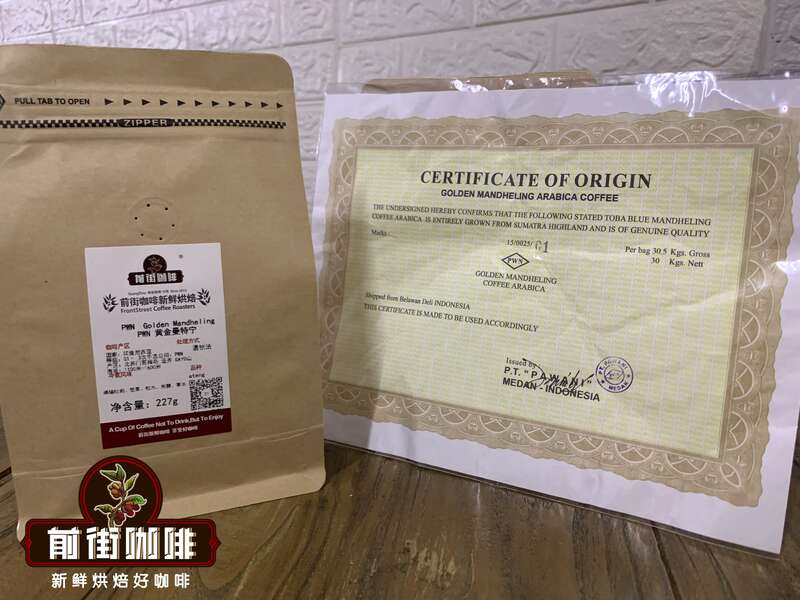
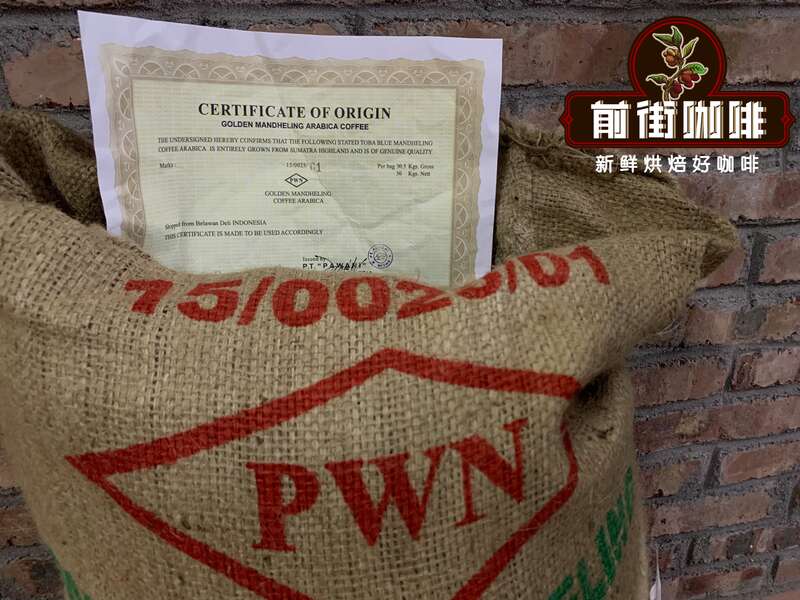
FrontStreet Coffee has long been a fan of Indonesia's PWN Golden Mandheling. This year, because of the pandemic's impact, the October harvest arrived at FrontStreet Coffee in mid-November, together with its accompanying PWN Golden Mandheling certificate. What did the 2020 pandemic actually do to Indonesia's coffee production and exports?
2020 Indonesian Production Holds Steady
Even as higher Arabica output offset some of the Robusta losses, Indonesia's coffee production for 2020/21 is expected to hold at 10.7 million bags. Southern Sumatra and Java account for 75% of the country's Robusta crop, but a delayed rainy season cut 50,000 bags, bringing that figure to 9.4 million bags. In Northern Sumatra, the country's main Arabica region, favorable growing conditions lifted production by 50,000 bags to 1.3 million bags.
How COVID-19 Hit Indonesia's Exports
With low prices failing to stimulate more trade, the country's ending stocks are expected to sit at 2.4 million bags, and coffee exports are projected to fall by 100,000 bags to 6 million bags.
Why PWN Golden Mandheling Keeps Winning FrontStreet Coffee Over
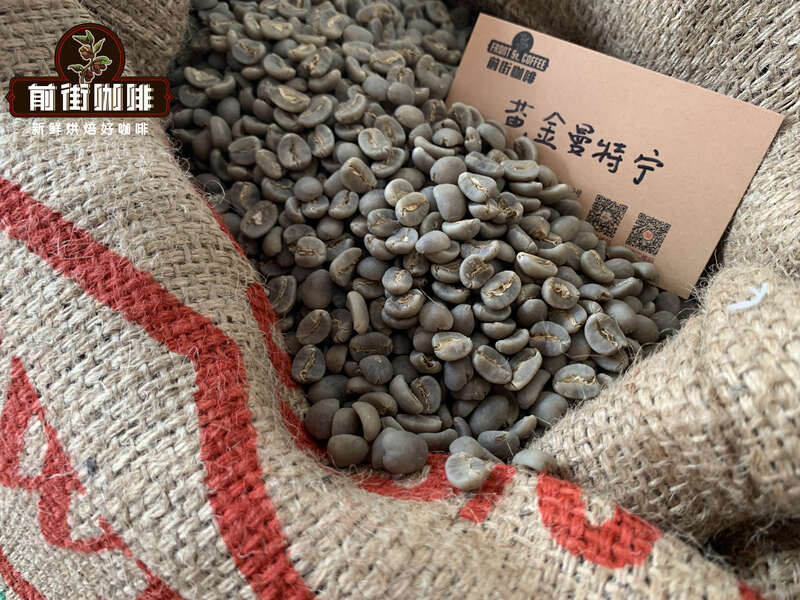
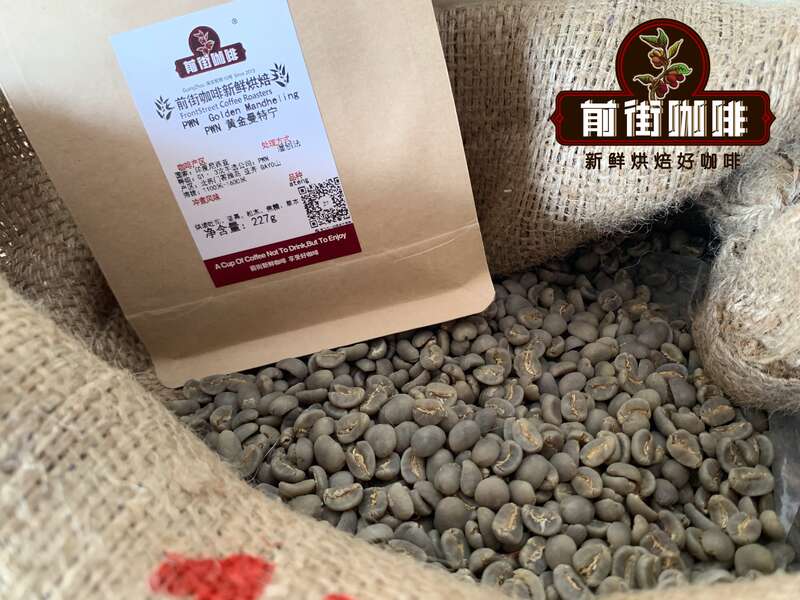
FrontStreet Coffee's first reaction is four words: "mellow and clean." PWN Green Bean Company applies strict screening standards to the Golden Mandheling it sells. After processing, the green beans are sorted by density and color, then passed through four rounds of hand sorting. The specs sit above screen size 18, with fewer than 3 defective beans in a 300 g green bean sample—the top G1 grade—with a deep green color and a neat, flat bean shape.
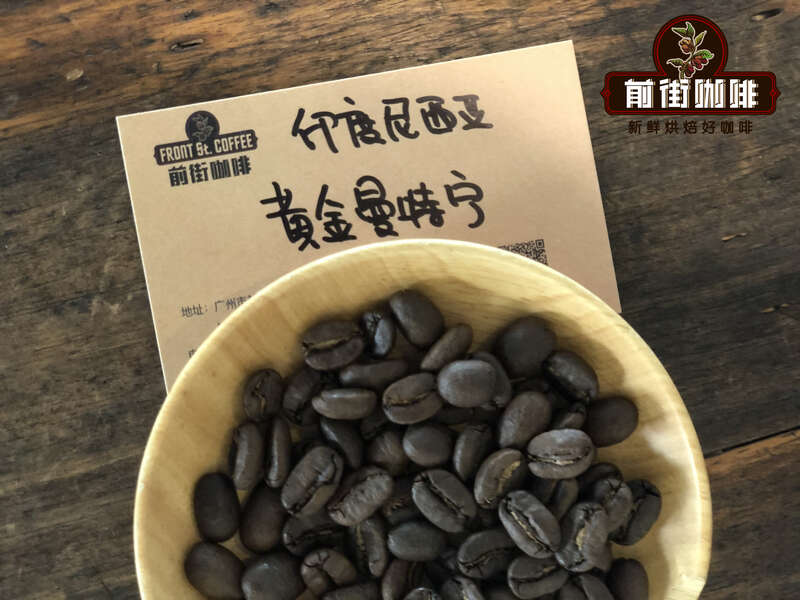
Not every Golden Mandheling comes from PWN. This year, another coffee that went through three rounds of hand sorting was also released from Indonesia's Gayo Mountain region. Cupping the two side by side, FrontStreet Coffee found that PWN's clean, sweet, mellow character could not be replicated by the other. The second Golden Mandheling showed higher acidity and a thinner mouthfeel, missing the rich flavor that defines Mandheling.
The Variety Behind PWN Golden Mandheling
The variety in the new-crop PWN Golden Mandheling FrontStreet Coffee received is "Ateng"—an unfamiliar name to most drinkers. Ateng suits the Aceh region well and develops good flavor there. It is a hybrid of Robusta and Arabica, specifically Catimor (known locally in Indonesia as TIMTIM) crossed again with Arabica. Put simply, Ateng is the "grandson" of Robusta. Two generations of genetic improvement have left it cleaner in the cup than TIMTIM, with higher sweetness.
Wet-Hulled Processing for Golden Mandheling
Wet hulling—Giling Basah in the local language—is Indonesia's traditional processing method. By name alone it sounds like washed processing, but the two produce completely different cups. Wet-hulled coffee is typically rich and intense, with a very distinct personality. FrontStreet Coffee believes that while Mandheling's unique flavor is largely about variety, wet hulling is also a key reason Indonesia's producing regions taste the way they do.
Reading the October 2020 Harvest
FrontStreet Coffee compared Golden Mandheling from earlier harvests with the October harvest and found that the May harvest carried lower moisture content than the October lot. Shipping, storage, trade, and roaster storage can all shift the moisture content of green coffee significantly.
Roasting the New-Crop PWN Golden Mandheling
PWN Golden Mandheling is a high-moisture green bean, with a moisture reading well removed from natural-process beans, so dehydration demands extra care. For high-moisture greens, you can close the air damper immediately after charging, steam for 30 seconds, then open to level 3 until the beans turn light green or white, open the damper to level 4, and open to level 5 (maximum) after first crack. How does FrontStreet Coffee keep the same roasting curve when the October crop carries even more moisture? Under the same development time and final temperature, the roaster extends the dehydration phase on the October beans, pushing the yellowing point out to 6 minutes 30 seconds.
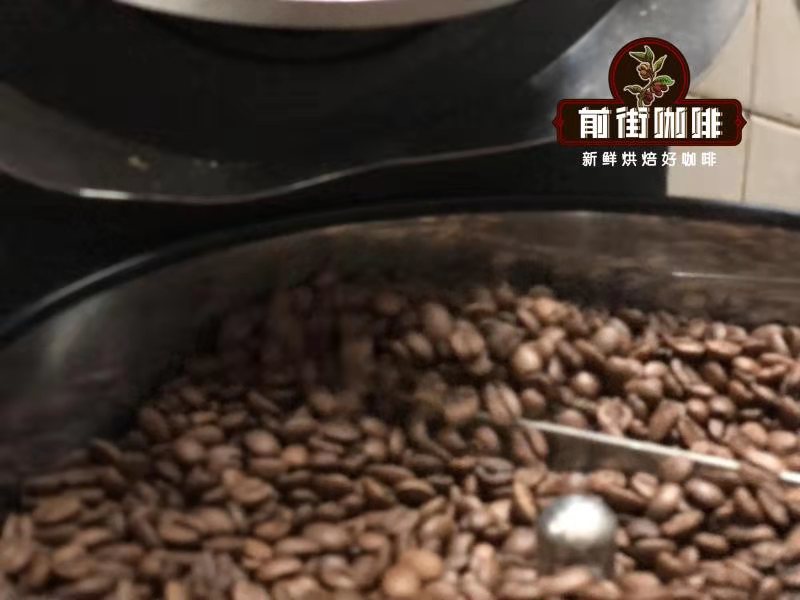
On a Yangjia 800N, charge weight 480 g. Heat the roaster to 200°C and add the beans, set the air damper to 3; after 1 minute adjust the heat to 160°C, damper unchanged. Roast until 5'40", temperature 148°C, when the bean surface turns yellow and the grassy smell disappears entirely—dehydration complete—then adjust heat to 140°C and damper to 4. At 9'40", the surface shows rough wrinkles and dark spots and the toast smell shifts clearly into coffee aroma, marking the run-up to first crack; listen closely, first crack begins at 9'54", reduce heat to 60°C, set the damper to 5, and discharge at 204.5°C.
Brewing PWN Golden Mandheling
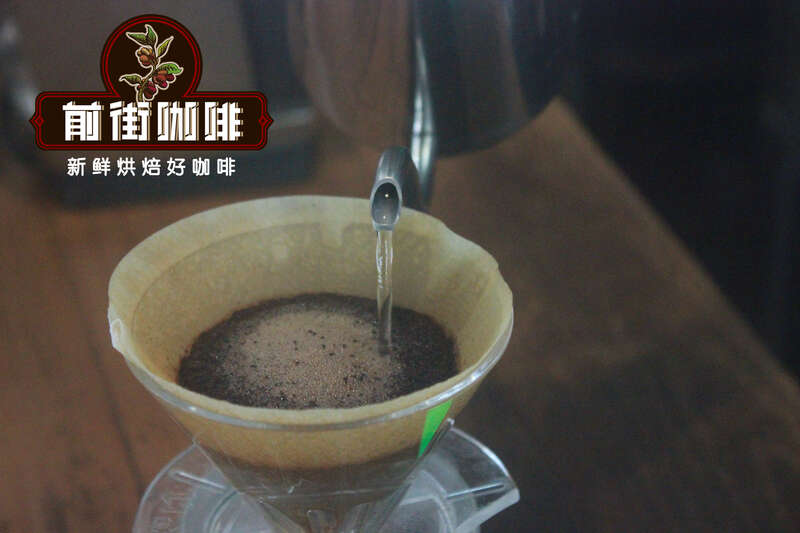
KONO dripper; 15 g coffee, 88°C water, grind size BG 6M (60% passing a China-standard 20 mesh sieve), water-to-coffee ratio close to 1:14, brew time around 1:55. FrontStreet Coffee's method: 30 g water for the bloom, 30 s bloom, then pour to 120 g and stop, using a vertical stream and a slow, small circular motion; second pour to 210 g, with the stream and circling slightly faster to keep fine particles from clogging the filter and over-extracting.
In the cup, the October harvest shows acidity a touch more pronounced than the May harvest—a faint dark-chocolate acidity laced with nutty and herbal notes, a caramel-sweet finish, and an overall cleaner profile than the May lot.
FrontStreet Coffee Recommendation
For the full wet-hulled experience, FrontStreet's PWN Golden Mandheling is the benchmark—a genuine PWN lot showing the certificate and the marked jute bags, still the clearest way to tell a true Golden Mandheling from a look-alike. Expect a heavy, syrupy body with dark chocolate, caramel, and the wild herbal, faintly earthy edge that only Giling Basah produces. It is medium-dark roasted to soften the acidity and let that thick, sweet finish come through—a natural for anyone who doesn't want sour coffee. FrontStreet especially likes it as pour-over: 15 g at a 1:15 ratio, 87-88°C water, a coarse-sugar grind, and a three-pour method, with the last gentle center pour pulling up the caramel sweetness.
If you'd rather have Mandheling in a milk drink, FrontStreet's house espresso blend is the move—Brazilian creamy-nut character rounded out with medium-dark Mandheling for butter, roasted chestnut, and caramel, plus a touch of Robusta to fatten the crema. It holds up beautifully in a latte or a layered Dirty, and it is forgiving enough for anyone just starting out.
Important Notice :
FrontStreet Coffee is a long-established specialty coffee roaster in Guangzhou China, selling freshly roasted beans from its own farm in Yunnan as well as dozens of carefully selected single-origin beans from around the world for both pour-over and espresso. The products deliver consistently excellent quality and great value, with shipping within 24 hours. Guangzhou's FrontStreet Coffee shop is recommended by many coffee lovers, and the beans are now available online at the Tmall 。
FrontStreet Coffee has moved to a new address:
FrontStreet Coffee Address: 315,Donghua East Road,GuangZhou
Tel:020 38364473
 Scan and follow the En Gafei WeChat official account. Please indicate that the reprint comes from "En Gafei".