What Determines the Flavor of Drip Bag Coffee and What is Its Shelf Life?
Question 1 | Are coffee beans the key factor determining the flavor of drip bag coffee?
Yes. Coffee beans are the soul of coffee, and they set the flavour profile of a drip bag. Whether you taste florals or fruit, whether the cup leans acidic or bitter, all of it comes back to the bean's character. Understanding varieties therefore helps you quickly pick a drip bag that matches your taste.
The most common varieties are Yirgacheffe, Kenya, Mandheling, Colombia, Guatemala, and more. Just hearing the names can be dizzying, and with so many tongue-twisting options, which one should you buy? Beans decide the acidity, bitterness, and aroma of drip bag coffee. Choose the right bean and you are more than halfway there.
If you prefer acidic flavours, look to beans from African growing regions. If you prefer balance, beans from the Americas are worth exploring. And if you prefer bitterness, Asian growing regions will suit you.
Question 2 | Are sun-dried or washed coffee beans better?
To judge whether sun-drying or washing is better, we first need to understand the two methods.
Washed Process:
Large amounts of water and machinery remove the pulp, while screening out defective beans, followed by dehulling, fermentation in water, washing, sun-drying, and bagging.
Natural Process:
Dry with the pulp intact, then dehull, sun-dry, and bag.
From this we can see that washed beans have already gone through multiple screenings to remove defective and inferior beans during pulping, so what remains is of a higher grade. Natural beans, lacking that screening, retain relatively more defects.
In Ethiopia, for example, grades are marked by G. G1 indicates the lowest defect rate, flawless beans, and the best quality grade. G2 indicates a slightly higher defect rate, and so on. Generally washed beans include G1 and G2, while natural beans include G1, G3, G4, and G5.
Someone might then ask: if washed beans are of a higher grade, is there still any reason to choose natural beans? The answer lies in flavour. The washed process preserves the bean's original taste to a large degree. Washed beans typically show bright fruit acidity and light flavours, restoring the "fruit character" of the coffee bean. Put simply, washing strips away the beautifying effects and presents the original flavour honestly, which is why it demands a higher bean grade. The natural process, by contrast, amplifies the bean's sweet aroma, letting sugars and aromas from the fruit skin work more completely into the bean through sun-drying, so the cup carries more gelatinous content and an irresistible caramel sweetness. In the end, it comes down to the flavour you prefer: washed beans generally outrank natural beans, while natural beans carry richer flavour.
Question 3 | Should drip bag coffee be dark or light roast?
During high-temperature roasting, starch in the bean converts to caramel. Dark roast beans are therefore darker in colour and more bitter in taste, with a pleasant caramel aftertaste. Light roast beans do not lose their fruity character entirely; they are lighter in colour and taste, with fresh, fruit-like acidic aromas. If you particularly enjoy fruity aromas, try light roast beans.
Light roast preserves more complete fruit flavour and carries fruit acidity, suiting those who prefer fruit. Dark roast beans taste more bitter but offer a pleasant aftertaste and richness, suiting those who prefer caramel.
Question 4 | Is the optimal tasting period for drip bag coffee only 15 days?
Whether you buy drip bag coffee online or in person, the shop grinds and roasts fresh green beans once you order, seals them in independent packages with good preservation, and ships quickly, with the delivery time serving as the bean's resting period. Coffee aromas are extremely volatile, and left too long they fade from distinctive to ordinary.
The optimal tasting period for drip bag coffee is therefore around 15 days. Stored at home, it is best not to exceed 3 months. Some shops include independent preservation packets to extend shelf life. In general, the shelf life of drip bag coffee is around 3 months, with an optimal tasting period of 15 days or less.
FrontStreet Coffee's recommended drip brewing parameters:
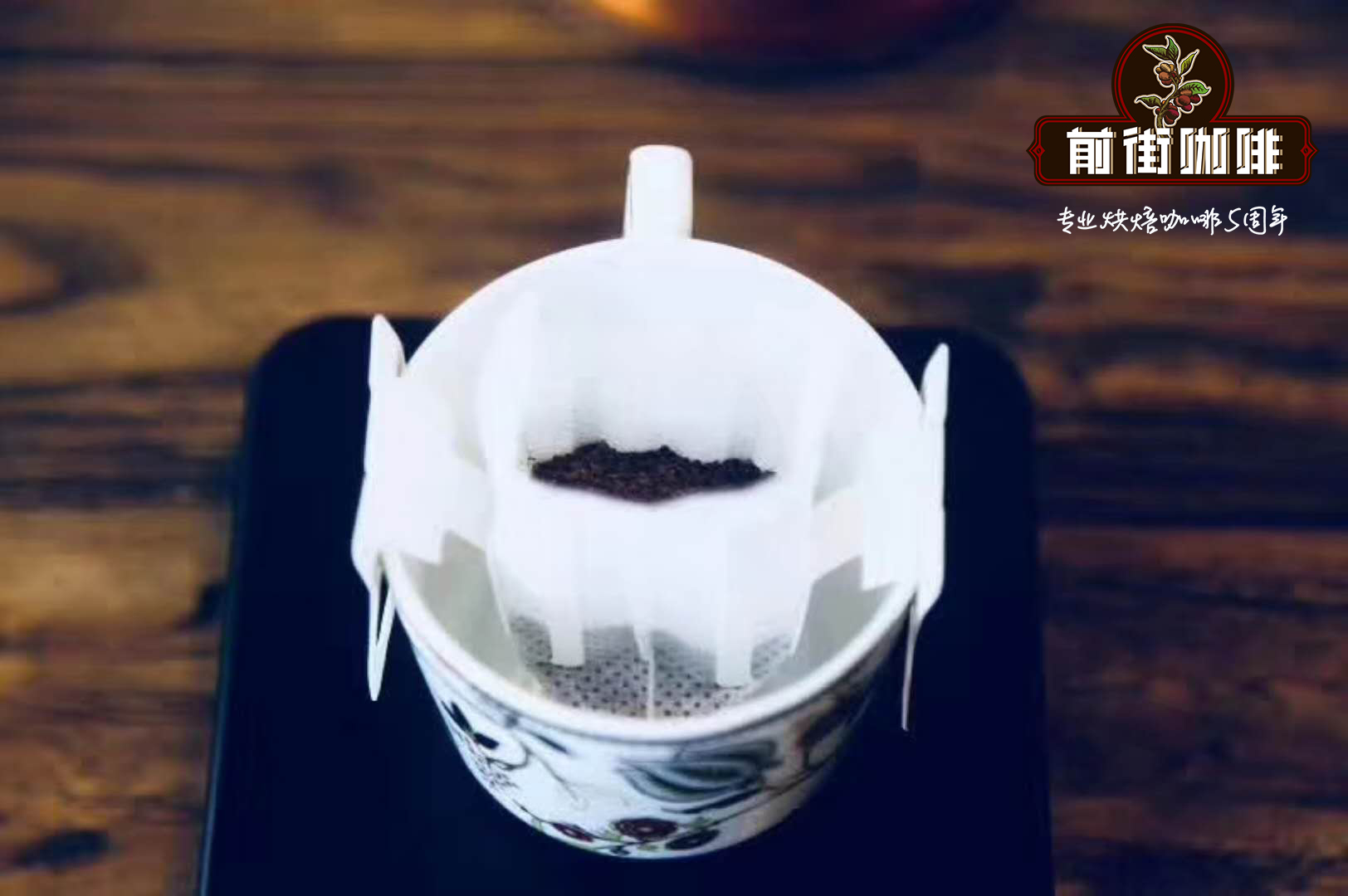
Water temperature 90°C, a shallow coffee cup, and brewing while soaking to increase richness. With a 1:15 coffee-to-water ratio, 10 grams of coffee grounds and 150 grams of water is sufficient.
FrontStreet Coffee Recommendation
Since the bean decides the flavour of a drip bag, choosing well matters more than anything else, and FrontStreet Coffee's Ethiopian lots are a reliable place to start. The Washed Yirgacheffe is the classic benchmark, with white jasmine, bright citrus and lemon acidity, and a tea-like finish, and it suits anyone who wants clarity rather than bitterness. It comes from Yirgacheffe, a small town in the Sidama zone of southern Ethiopia at roughly 1700-2100 metres, where coffee is planted above 1800 metres, among the highest growing zones in the world.
The Gudingding Cooperative coffee narrows the focus further. From the Woka area at the south-eastern edge of Yirgacheffe, it began as part of the YCFCU-affiliated Woka Cooperative before becoming a single-origin lot, and its traditional washing gives a clean cup of citrus and lemon with jasmine florals and no bitterness. If you prefer something sweeter and fuller, the Natural Red Cherry uses only fully ripe cherries dried in the sun for three to five weeks, yielding citrus acidity, juicy berry, honey sweetness, and a creamy texture. Because drip bags are sealed soon after roasting, these coffees hold their aromatics well, and brewed at 90-91°C with a 1:15 ratio they show why the bean, not the bag, sets the flavour.
Important Notice :
FrontStreet Coffee is a long-established specialty coffee roaster in Guangzhou China, selling freshly roasted beans from its own farm in Yunnan as well as dozens of carefully selected single-origin beans from around the world for both pour-over and espresso. The products deliver consistently excellent quality and great value, with shipping within 24 hours. Guangzhou's FrontStreet Coffee shop is recommended by many coffee lovers, and the beans are now available online at the Tmall 。
FrontStreet Coffee has moved to a new address:
FrontStreet Coffee Address: 315,Donghua East Road,GuangZhou
Tel:020 38364473
 Scan and follow the En Gafei WeChat official account. Please indicate that the reprint comes from "En Gafei".