How to Blend Coffee Beans? Sharing Various Single-Origin Coffee Bean Blending Ratios and Recipes
Blending coffee is like mixing paint: the blender takes raw materials and builds a flavor that never existed before. It is not an exaggeration to call blending an art. As with any art, it asks for experience and inspiration, but also for precise calculation. Nothing about a great blend is accidental; it is the product of long accumulation.
Building a good blend may sound daunting, but that should not stop anyone from trying. FrontStreet Coffee breaks the process into four parts to show how it approaches blending.
Part One: Defining the Purpose
1. Reducing cost.
Some cafes blend lower-quality beans with higher-quality ones to cut costs and widen margins.
2. Creating a long-term, stable flavor.
Coffee is an agricultural product. The same origin can taste different from one harvest to the next and even from one batch to another within a year, which exposes a weakness of single-origin coffee: you cannot confidently promise that next year's version of a lot you loved this year will taste the same, especially with coffees whose flavor is driven by processing, where other factors between origin and cafe can also shift the cup.
A stable blend solves that problem. When a bean in a new harvest falls short or changes character, a similar replacement can be found, and the flavor holds steady.
3. Creating flavors a single bean cannot reach.
A single-origin coffee is like an individual, with strengths and weaknesses alike. Blending is like building a team, using each member's strengths to cover the others' gaps. Pairing a high-sweetness bean with a high-acidity one to find sweet-sour balance, or adding Brazilian beans to lift overall body, are both classic reasons to blend.
Part Two: Deciding the Target Flavor
With the purpose settled, the next step is to define the target flavor of the blend. Clear goals show you where to begin, and this stage tests how well the blender understands the beans on hand and the flavor signatures of different regions.
When FrontStreet Coffee first created the Warm Sun blend, the goal was clear: a coffee with wine-like aromas. Three candidates went straight onto the shortlist for their barrel fermentation and distinct wine character, namely Honduras Sherry Barrel, Honduras Lychee Orchid, and Colombia San Jose.
After repeated trials and a look at cost-effectiveness, Honduras Sherry Barrel was chosen as the foundation of Warm Sun.
Part Three: Choosing the Blending Type
Broadly, blending before roasting is called "raw blending," and blending after roasting is called "roasted blending." Each has advantages and drawbacks; neither is inherently better, and the choice depends on what suits your goals.
Raw blending lets you roast everything to the same degree, which makes the result more consistent and uniform. It also cuts the number of roasting sessions to one, improving efficiency, and the single roast degree simplifies quality control, since there is only one resting period to track rather than several different roast dates that can introduce flavor differences.
Its limits, however, are clear. Raw blending is generally best reserved for beans of similar density. Combine a bean suited to light roasting with one suited to dark roasting and roast them together, and you can easily end up with 1 + 1 coming out well below 2.
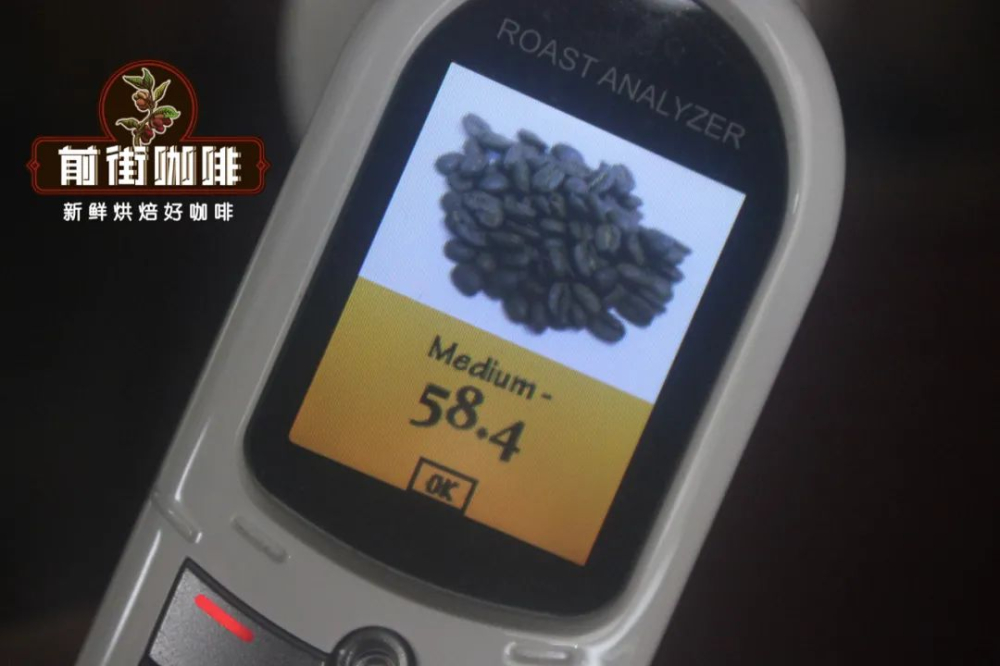
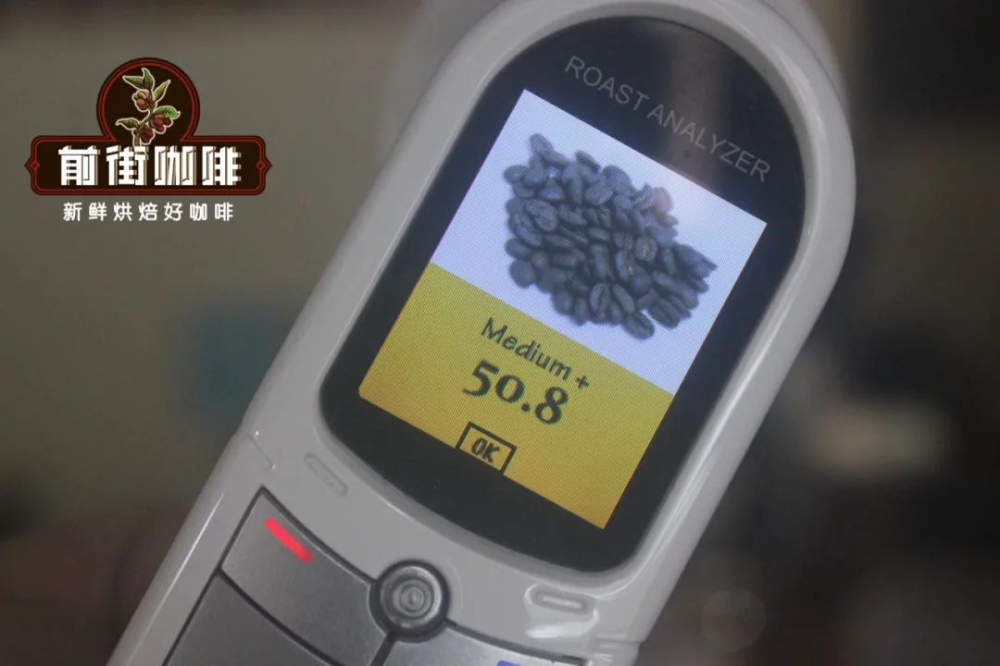
Roasted blending lets each bean be roasted to its own ideal level, maximizing what each one offers. FrontStreet Coffee uses roasted blending for Warm Sun, roasting the Honduras Sherry Barrel and the natural Yirgacheffe Red Cherry Project separately to maximize the wine aroma of the Sherry Barrel while preserving the fruity acidity and citrus-berry aromas of the natural Yirgacheffe. After adjustment, the natural Yirgacheffe measured an Agtron value of 58.4, while the Sherry Barrel component measured 50.8.
As noted, though, roasted blending makes daily quality control harder. Different roast dates mean more resting periods to manage; picture a blend built from 4-5 beans, and a single product suddenly requires tracking 4-5 separate roast dates.
Part Four: Setting the Ratios
Finally comes the ratio, a step as important as any other. FrontStreet Coffee recommends splitting it into preliminary and final confirmation.
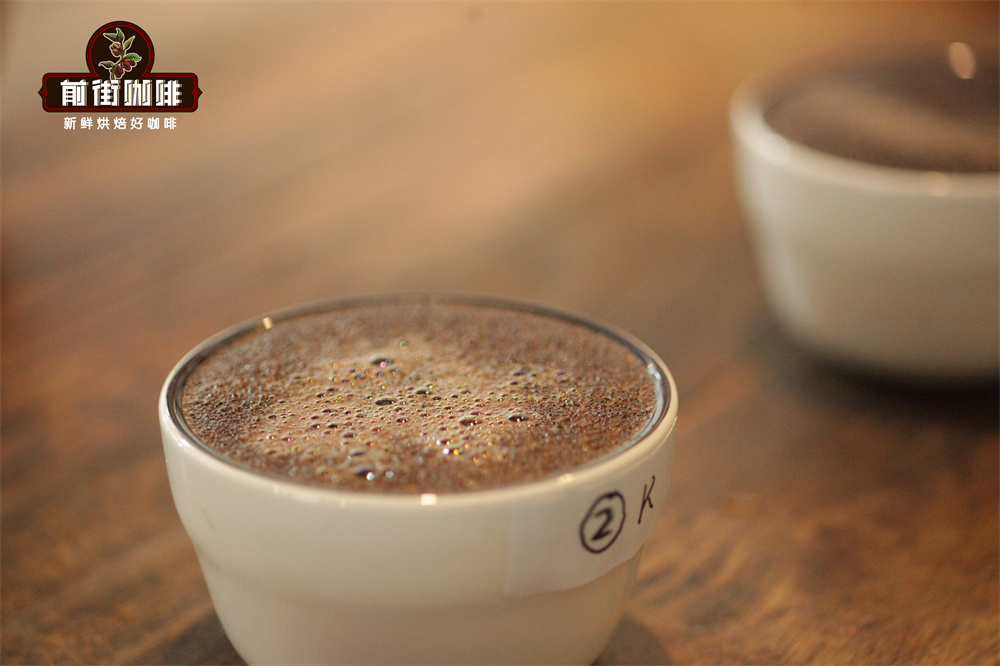
Preliminary confirmation uses cupping, extracting several candidate beans separately. This serves two purposes.
First, it evaluates the flavor and quality of each candidate. Before blending, you need to confirm that the coffee meets standard and to note any flavor differences, a step that matters greatly for a specialty-grade blend.
Second, it establishes a rough ratio. After extraction, the brewed coffee is mixed in different proportions to design several schemes, and slurping narrows them down to an optimal range.
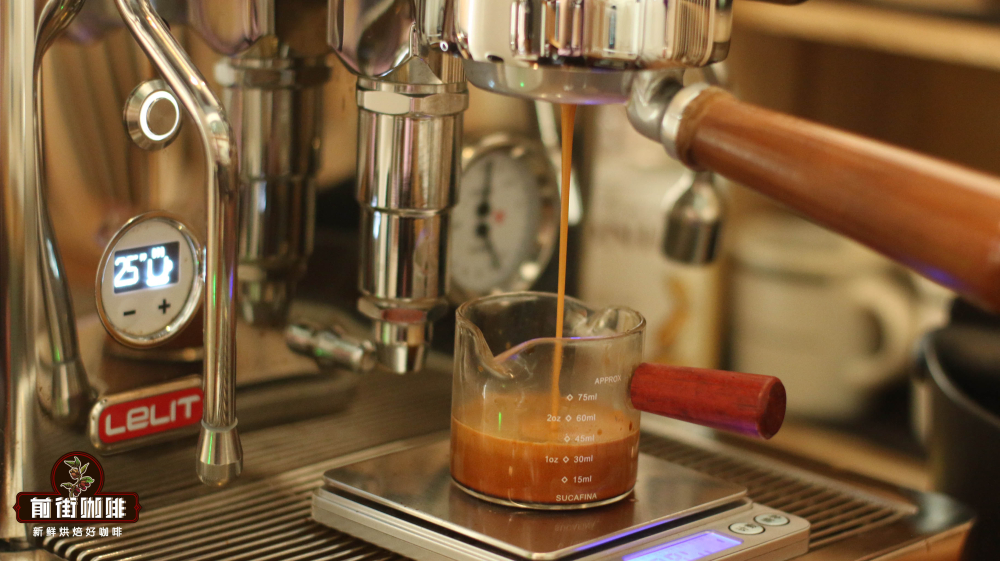
Final confirmation means roasting according to the blending type chosen in Part Three and the range established in the preliminary step, then tasting with the extraction method that matches the product's positioning. Warm Sun, for instance, was built to supply espresso, so it was tasted as espresso, Americano, and milk coffee to confirm performance. If a blend is meant for pour-over, then pour-over is the method used to confirm it.
FrontStreet Coffee Recommendation
FrontStreet Coffee sells five espresso blends, each built around a different brief, and all beans ship within 5 days of roasting so the flavor reaches you intact. For homes and offices, as well as specialty neighborhood cafes, FrontStreet Coffee's Premium Blend pairs washed Colombian coffee with pulped natural Brazilian coffee. It shows nuts, dark chocolate, and caramel with a comfortable bitter-sweet balance, pours smoothly into a latte, holds latte art steadily, and has a rich roasted aroma; as a Dirty it layers cleanly with a deep brown surface. Also aimed at cafes is FrontStreet Coffee's Commercial Blend, which follows the classic Brazil-and-Colombia structure with a small addition of Robusta. It layers toasted bread, almond, and walnut over nuts, cocoa, and caramel, with good crema flow, low acidity, and a full body at a price that makes it a practical house option.
FrontStreet Coffee's Black Cocoa Blend, widely recommended by baristas, suits cafes of all kinds as well as bakeries, drink shops, and home espresso machines. It combines washed Yunnan Small Bean with pulped natural Brazilian coffee, bringing a nutty, ripe-plum acidity and a ground aroma of cream chocolate and cocoa cookie. The flavor is balanced and the crema carries a golden sheen, which makes it a natural fit for both shops and the home counter. For newcomers learning latte art or for specialty shops aiming at a premium position, the Classic Blend is a medium-dark three-origin recipe inspired by the old Mamba pairing of Mandheling and Brazil, with a small amount of Robusta added for aroma and crema. It lets a beginner pull an espresso with golden crema at home.
When the traditional, darker side of espresso starts to feel repetitive, the Strawberry Candy blend answers with fruit rather than bitterness. Made from three single-origin coffees, it carries rose florals and, in an Americano or latte, flavors of grape, dried blueberry, sweet orange, and fruit candy, giving sweeter milk drinks a distinctly different profile.
Important Notice :
FrontStreet Coffee is a long-established specialty coffee roaster in Guangzhou China, selling freshly roasted beans from its own farm in Yunnan as well as dozens of carefully selected single-origin beans from around the world for both pour-over and espresso. The products deliver consistently excellent quality and great value, with shipping within 24 hours. Guangzhou's FrontStreet Coffee shop is recommended by many coffee lovers, and the beans are now available online at the Tmall 。
FrontStreet Coffee has moved to a new address:
FrontStreet Coffee Address: 315,Donghua East Road,GuangZhou
Tel:020 38364473
 Scan and follow the En Gafei WeChat official account. Please indicate that the reprint comes from "En Gafei".