How is Indonesian Coffee? Introduction to Indonesian Sulawesi Toraja and How to Drink Indonesian Coffee
Indonesia: The World's Largest Archipelagic Coffee Producer
Indonesia is the largest archipelagic country on earth. Coffee cultivation there dates back to the 18th century, when Arabica trees were first introduced under Dutch colonial rule. Today the main producing islands are Sumatra, Java, and Sulawesi. The Mandheling coffee they produce is deep, low in acidity, and full-bodied - a cup many call "the world's most important coffee." Indonesia ranks as the world's fourth-largest coffee producer, with an annual output of 7 million bags. Coffee is harvested twice a year, in May-June and September-October, with the highest volumes coming from Sumatra and Aceh provinces.
Farms are small, typically 1-3 hectares. Indonesian Mandheling is generally processed using the semi-washed, or wet-hulled, method. Farmers harvest ripe cherries, remove the skin and pulp while keeping the thin parchment layer on the beans, then soak them in water: unripe beans that float are skimmed off, while the dense, sinking quality beans, parchment intact, are sun-dried on raised beds or on the ground before machine drying evens out the moisture. The most distinctive step is hulling the beans while they still hold roughly 18% moisture, parchment and all; just before shipping, the beans are polished and cleaned. This is the processing method the world knows as the Indonesian wet-hulled method. Large mills can control every step precisely and deliver consistent flavor and quality, while smallholder farmers process their lots in their own courtyards, producing flavors that vary widely with each farmer's technique.
Sulawesi Toraja: Premium Arabica from the Highlands
Sulawesi, Indonesia's third-largest island, produces roughly 70,000-80,000 bags of coffee a year - only about 9% of the national total. The trees grow in rainforest at 750-1500 meters, and most of the high-quality lots come from the Toraja highlands in the southwest. Sitting at 1500 meters on the equator, Toraja enjoys afternoon rain and mist year-round along with fertile volcanic soil - close to ideal natural conditions for growing coffee.
Most Indonesian coffee is handled by local trading and export companies. In the small Binalestari area of Toraja, the coffee is Arabica of grade G1. The raw beans are long and rice-shaped with a beautiful jade-green color, quite different from the yellowish-brown of Golden Mandheling or Sumatra Mandheling. Defects and poorly fermented white beans are scarce, making this a high-quality smallholder coffee free of distracting earthy notes.
Tasting Notes and Roast Levels
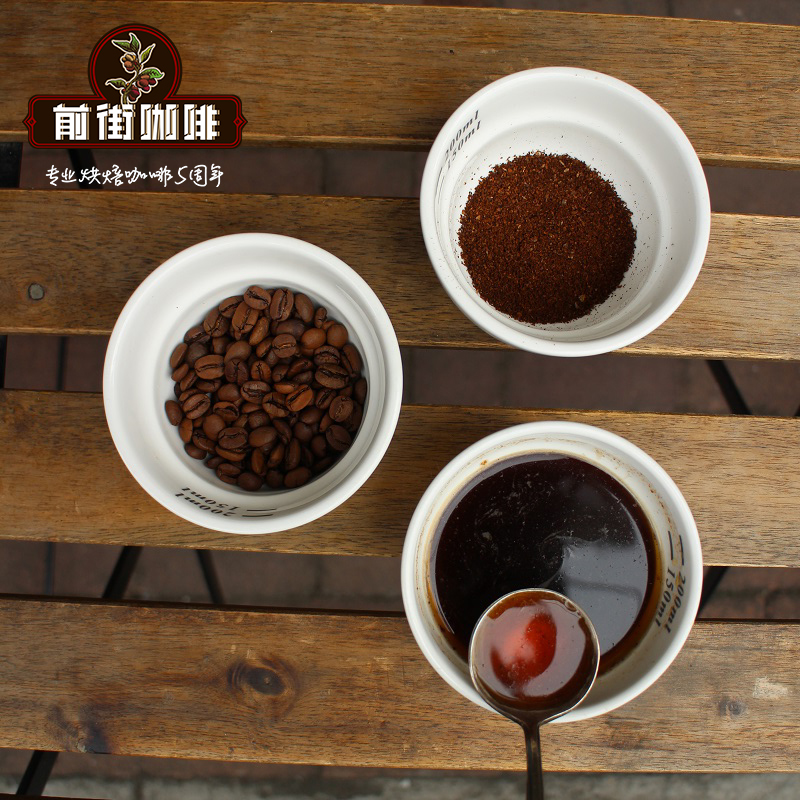
Light roast - end of first crack (City): Freshly ground, the coffee gives off a distinct grass-jelly aroma, and while brewing it releases an unusual fragrance of ginseng and licorice with no muddy, earthy or grassy defects. The cup is clean and light with moderate complexity. Instead of bright citrus acidity, the acidity turns quickly to sweetness with a honeyed character, and the finish carries the aroma of high-mountain oolong tea.
Dark roast - beginning of second crack (Full City): Ground, it smells of cream and popcorn. Brewed, it offers dark-chocolate sweetness with a complex, aromatic, and pure mouthfeel that is smooth and buttery, finishing with longan honey and brown sugar.
Taken to medium-dark or dark, Sulawesi Toraja develops rich, thick maltose flavors along with the low herbal notes typical of Indonesian Mandheling - a completely different profile from the light roast and a superb alternative to Golden Mandheling.
Distinctive Processing Character
Sulawesi Toraja keeps Indonesia's older traditions alive: its small farms produce coffee by all three methods at once - washed, natural, and semi-washed (wet-hulled) - which makes it the most unusual origin among Indonesian coffees. Though it does not match the sheer thickness of Sumatra Mandheling, it is smoother, with less earthy and mushroomy flavor, brighter acidity, and a refreshing fruity finish.
FrontStreet Coffee's Pour-Over Brewing Recommendations
Use a V60 at 90°C, a Fuji grinder set to 3.5, a coffee-to-water ratio of 1:15, and a total brew time of around 2 minutes.
FrontStreet Coffee Recommendation
For a deeper dive into Indonesian flavor, FrontStreet Coffee's PWN Golden Mandheling is the benchmark. Produced by Indonesia's PWN company under exceptionally strict standards - beans screened at size 18 or larger, fewer than 3 defects per 300g green sample to meet the top G1 grade, followed by three rounds of hand sorting - it delivers a clean cup and pronounced sweetness that ordinary Mandheling rarely matches. Roasted medium-dark, it shows rich roasty aromas with chocolate, nut, and caramel notes while keeping Mandheling's wild herbal character.
To brew it as pour-over, FrontStreet Coffee suggests 87-88°C water, a 15g dose at a 1:15 ratio, and a coarse-granulated-sugar grind, poured in three stages: about 30ml to bloom and degas, 100ml to lift the bed and bring out the golden crema, then a gentle final 95ml poured into the center to boost sweetness. If you prefer espresso, FrontStreet Coffee's Classic Blend - Brazilian base with medium-dark Mandheling and a touch of Robusta - offers butter, roasted chestnut, and caramel flavors plus thick crema for lattes and Dirty drinks.
Important Notice :
FrontStreet Coffee is a long-established specialty coffee roaster in Guangzhou China, selling freshly roasted beans from its own farm in Yunnan as well as dozens of carefully selected single-origin beans from around the world for both pour-over and espresso. The products deliver consistently excellent quality and great value, with shipping within 24 hours. Guangzhou's FrontStreet Coffee shop is recommended by many coffee lovers, and the beans are now available online at the Tmall 。
FrontStreet Coffee has moved to a new address:
FrontStreet Coffee Address: 315,Donghua East Road,GuangZhou
Tel:020 38364473
 Scan and follow the En Gafei WeChat official account. Please indicate that the reprint comes from "En Gafei".