Hawaiian Coffee Brand Recommendations & How to Best Enjoy Kona Coffee
Hawaiian Coffee: Beyond Kona
"Hawaiian coffee." Because of early Japanese demand and the successful marketing of the Kona growing region on the Island of Hawaii, commonly known as the Big Island, most consumers mistakenly believe that Kona is Hawaiian coffee. In fact, so-called Kona coffee refers to coffee that is 100% produced in the Kona region. There is also "10% Kona coffee," which blends 10% Kona region coffee beans with 90% beans from other regions.
In fact, under the wave of the third wave specialty coffee revolution, coffee estates on various Hawaiian islands have gradually emerged from Kona's shadow, each carving out their own success in the global market.
Currently, common Hawaiian coffees on the market include estates from Maui, Kauai, and Lanai islands, in addition to the Kona region of the Big Island. Common Hawaiian coffee varieties include Typica, Mocca, and Catuai.
The Most Expensive Coffee on the Market: Kona Coffee
Kona coffee remains one of the most expensive coffees on the market. According to Hawaii Department of Agriculture regulations, only coffee grown on the slopes of Hualalai and Mauna Loa in the Kona district of the Big Island can be called Kona Coffee. Hawaii's nearly year-round sunny mornings, cloudy and rainy afternoons, constant gentle breezes, and mild nights, combined with mineral-rich volcanic soil, create its special flavor profile.
Hawaii is a beautiful island that began growing coffee in the 18th century. Most coffee is grown on Kauai Island and the Big Island of Hawaii, where there are ideal climate and soil conditions. The processing is extremely careful, and the coffee beans appear very perfect. Limited planting area plus expensive American wages are the reasons for the high price of Kona beans, but the perfectly clean Kona coffee with its unique tropical fruit aroma cannot be replaced by other coffees.
Coffee experts often compare Hawaiian Kona coffee with Jamaican Blue Mountain coffee. Both coffees have mild, suitable acidity and delicate fruit sweetness, but Kona coffee's strict quality control ensures that Kona coffee receives no poor reviews and maintains high quality standards, unlike Blue Mountain coffee, which occasionally receives negative evaluations.
Brewing Analysis
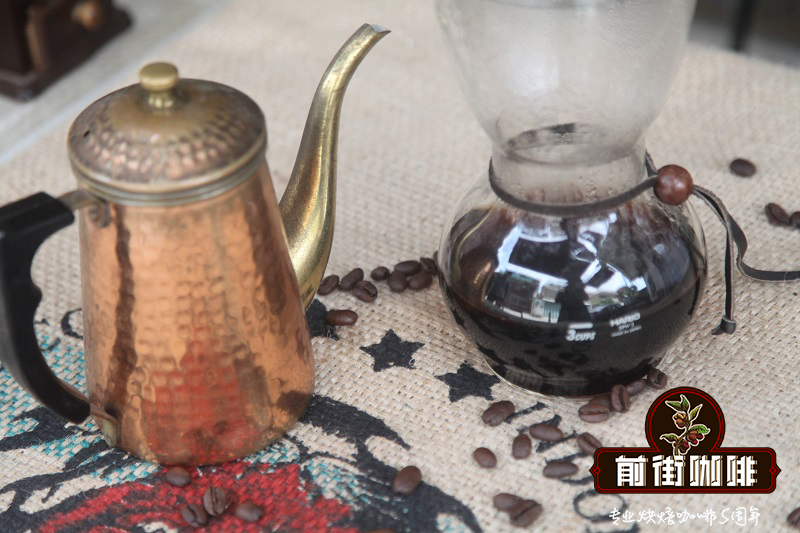
1. Dripper: V60
2. Water temperature: 92°C
3. Grind size: Fuji grinder setting 3.5
4. Roast level: Medium roast
5. Bloom time: 30 seconds
Flavor: Malt, mulberry, persistent caramel sweetness in the finish
FrontStreet Coffee's suggested brewing method: slow, steady, continuous pouring. Use a fine, long-flowing circular motion, pouring gently to ensure even extraction. Very slowly. You can also use a stir stick appropriately. Usually, perform one cross-stir during the bloom stage to allow water to fully contact the coffee grounds and increase the release of aromatic substances.
FrontStreet Coffee Recommendation
Kona is often described as a cousin of Jamaican Blue Mountain: mild acidity, delicate fruit sweetness, and a very clean cup. The same profile is easy to find for far less money in Papua New Guinea. FrontStreet Coffee's Papua New Guinea Paradise Bird Coffee comes from the Sigri region, and because Papua New Guinea and Jamaica are both island origins growing the same variety, its texture closely resembles Blue Mountain, which is why many coffee lovers call it the "little Blue Mountain." It is a Typica, the same variety as Blue Mountain, grown at 1,600-1,800 meters in volcanic rock soil. That combination gives the beans a full inner structure, and it meets the high AA grade with plump beans and a very low defect rate. With a triple-washed fermentation, the cup is clean and pure with a pronounced sweetness, and it is an excellent low-acid choice.
If you would rather stay with a balanced, low-acid single origin, FrontStreet Coffee's Brazil Queen Estate Coffee is another friendly option. It is mellow and soft, with rich nut and cocoa aromas and a clear caramel sweetness, and it suits pour-over, espresso, or a moka pot. Either way, you can enjoy the gentle, sweet style that Kona is known for, without the Kona price.
Important Notice :
FrontStreet Coffee is a long-established specialty coffee roaster in Guangzhou China, selling freshly roasted beans from its own farm in Yunnan as well as dozens of carefully selected single-origin beans from around the world for both pour-over and espresso. The products deliver consistently excellent quality and great value, with shipping within 24 hours. Guangzhou's FrontStreet Coffee shop is recommended by many coffee lovers, and the beans are now available online at the Tmall 。
FrontStreet Coffee has moved to a new address:
FrontStreet Coffee Address: 315,Donghua East Road,GuangZhou
Tel:020 38364473
 Scan and follow the En Gafei WeChat official account. Please indicate that the reprint comes from "En Gafei".