What Are the Varieties of Black Coffee? List of Common Coffee Shop Flavors and Types
Introduction to Coffee Bean Selection
The market is flooded with coffee beans from every producing region and origin imaginable, which leaves many drinkers unsure where to start. In this article, FrontStreet Coffee walks you through how to choose beans that match your own taste.
The Three Major Coffee Growing Regions
By the world coffee map, growing regions fall into three great zones: Africa, the Americas, and Asia. FrontStreet Coffee will introduce the general flavor profiles of each.
African Coffee Region
Starting with Africa, whose beans are famous for their singular acidity. Any discussion of the region must begin with Ethiopia — the birthplace of coffee, from which every variety in the world spread. Vast numbers of wild coffee trees still grow there. Because of that diversity, and with the Ethiopian government protecting the wild trees, specific variety information is rarely disclosed; locally they're simply called "Ethiopian native varieties."
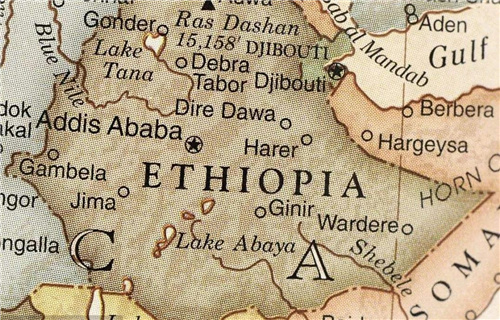
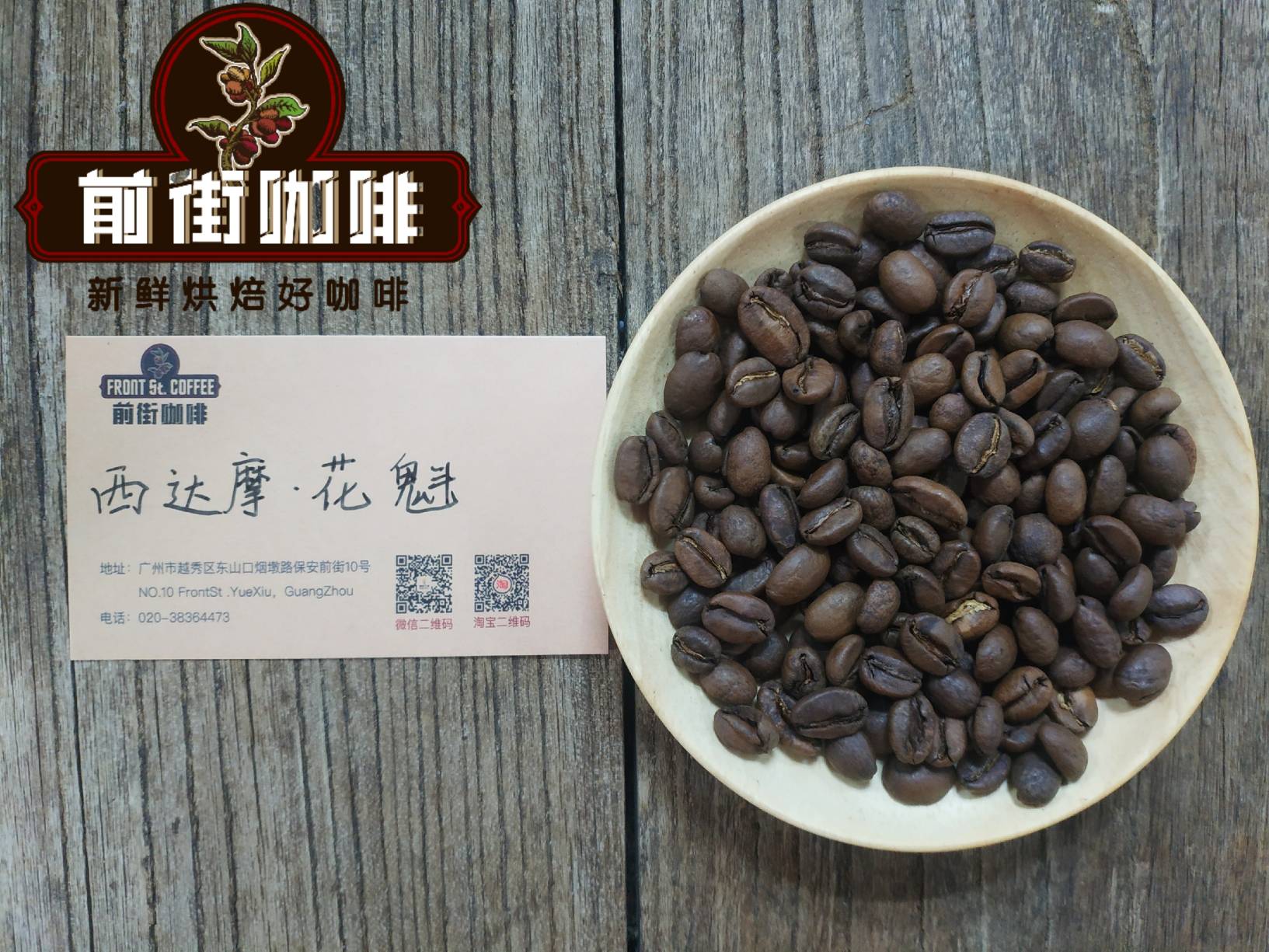
Ethiopia's most famous growing regions are Yirgacheffe and Sidamo. FrontStreet Coffee has sourced many beans from both — washed Yirgacheffes led by lemon and citrus notes, and Sidamo beans with berry acidity. For example, the "Horse" lot FrontStreet Coffee carries comes from Sidamo, beloved for its rich strawberry and cream flavors.
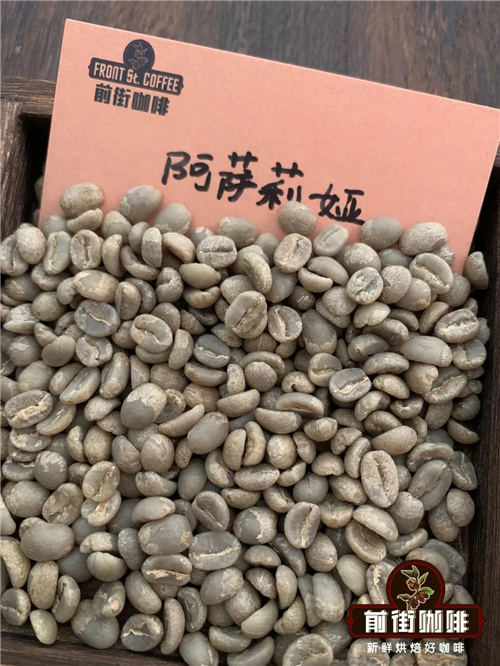
Another famous African origin is Kenya. Kenyan beans are also celebrated for acidity, but it differs subtly from Ethiopia's. FrontStreet Coffee puts it simply: Kenyan acidity leans toward cherry tomato and raspberry — fresh, vivid fruit. The Asali lot in FrontStreet Coffee's lineup is a classic Kenyan: a rush of fresh cherry tomato on entry, in an acidity that is genuinely delightful.
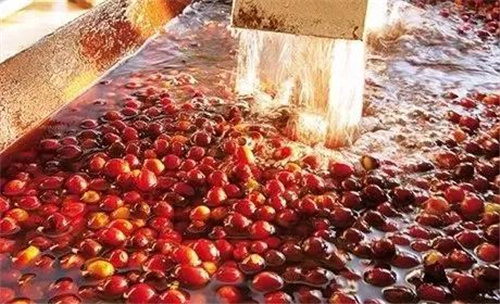
As FrontStreet Coffee understands it, Africa generally favors natural processing. The Natural Red Cherry lot, for instance, uses the ancient, original natural method: whole cherries — pulp and skin intact — are laid on raised beds for sun drying, kept off the ground to prevent earthy contamination. After more than two weeks of drying, the dark brown fruits are stored to await full flavor development; only before shipping does the mill hull the beans from the dried cherries. Naturals show lower acidity, obvious sweetness, and full body, though less cleanliness than washed coffee. Kenya, by contrast, generally uses the 72-hour washed process, so Kenyan acidity comes across clean — cherry tomato, dark plum, and berry textures. Choose your African beans according to whichever of these styles you prefer.
Latin American Coffee Region
Latin American beans lack Africa's characteristic acidity, trading it for nut and chocolate notes. Brazil and Colombia are the region's two most representative producers. Brazil's coffee terrain comes in two forms: plateaus above 200 meters and plains below 200 meters. Bourbon dominates the plantings, and Brazilian coffee is marked by low acidity, nutty flavors, balance, and moderate body — like FrontStreet Coffee's Brazil Red Cherry, rich in nut, chocolate, and cream. Brazilian varieties are numerous, and processing is overwhelmingly natural. The beans from Brazil's Queen's Farm (Fazenda Rainha) are exceptionally fine as well: FrontStreet Coffee sources from Queen's Farm, whose coffee has won first place in Brazil's Cup of Excellence — an honor many farms dream of, and one Queen's Farm has claimed for years running, testament to quality well above the ordinary Brazilian lot.
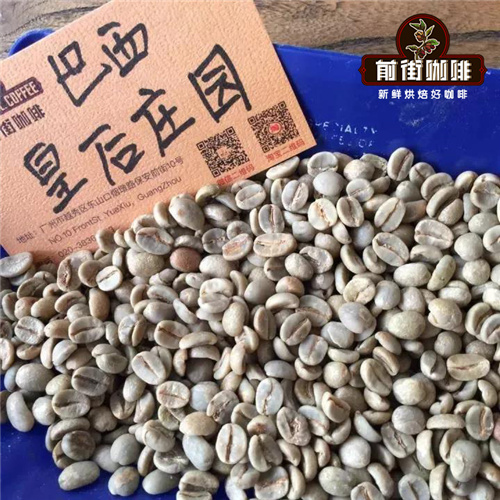
That's one reason FrontStreet Coffee stocks this Brazilian bean. Before listing it, we ran full cupping and brewing trials: obvious sweetness on entry, a light lemon lift, rich nutty flavors, and distinct dark chocolate in the finish. The experience is remarkably rounded — a coffee that represents everything Brazilian coffee should be while showing its own lively streak. That is the real reason it earned a place in the lineup.
Because Brazil and Colombia sit side by side on the map, their coffees are forever compared. Colombian coffee is balanced and smooth — the gentleman of coffee, conventional and refined. Huila is Colombia's most famous region: mountainous terrain where coffee grows on valley slopes under abundant rainfall. Planted with Arabica varieties and blessed with a singular climate, it produces coffee with full body, nut and dark chocolate aromas, and smooth, pleasant fruit acidity. Because Colombian beans grow mainly on high mountains, their flavor outclasses Brazil's lowland lots, and their mouthfeel carries better body.
Asian Coffee Region
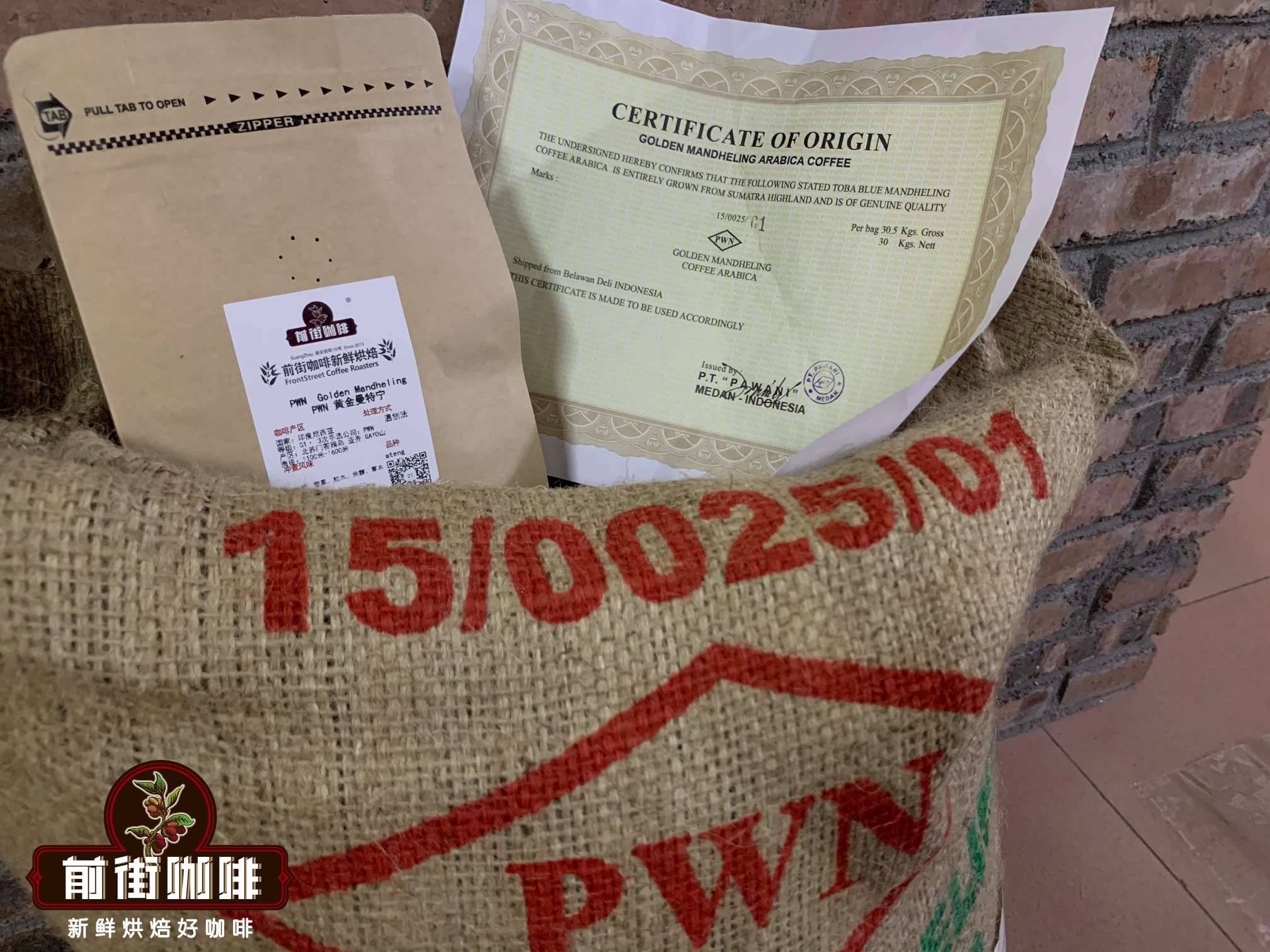
The third stop is Asia, which offers plenty of choice as well. Indonesian Mandheling is superb if you prefer low acidity and rich body. FrontStreet Coffee stocks many types — Lintong Mandheling, Natural Mandheling, Aged Mandheling, Tiger Mandheling, and Golden Mandheling among them. Golden Mandheling has the finest all-around flavor: low acidity, very smooth mouthfeel, obvious sweetness, with Indonesia's signature herbal character kept light. Prefer intense aromatics? Choose Tiger Mandheling. High body and sweetness? Aged Mandheling. And Lintong Mandheling is the classic expression, famous for its rich herbal-plant flavors. Mandheling's distinctiveness comes from Indonesia's signature wet-hulled processing, which lends the beans its characteristic profile: earthy, smoky, chocolatey, with low acidity and a heavy, muffling body.
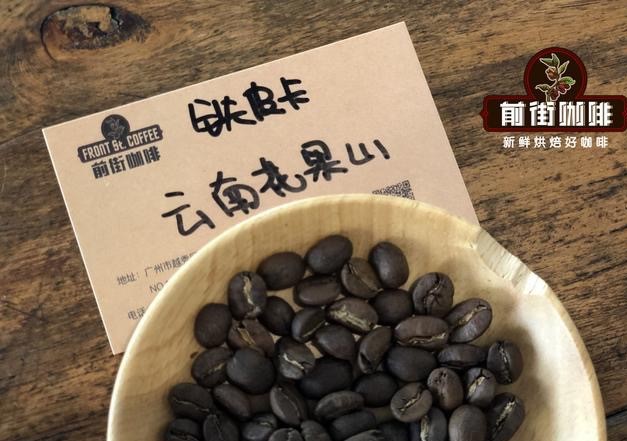
Yunnan coffee in China is also famous — Baoshan especially, where the dry-hot valley climate suits coffee perfectly. Yunnan lies between 15 degrees north latitude and the Tropic of Cancer, mostly at high altitude, with consistently warm temperatures, big day-night swings, appropriate rainfall, plentiful sunshine, and mineral-rich red volcanic ash soil. These unique conditions define Yunnan small-bean coffee: mellow and fragrant, rich but never bitter, aromatic but never harsh, with a whisper of fruit. FrontStreet Coffee also runs its own planting base in Baoshan, still in the exploratory stage — but we believe persistence will pay off.
Conclusion
That's FrontStreet Coffee's quick tour of coffee bean styles. Start from the three great regions according to the flavors you love, and through continued tasting you'll steadily map out your own preferences.
FrontStreet Coffee Recommendation
New to single-origin black coffee? FrontStreet Coffee's Washed Yirgacheffe is the classic first step. Grown around a highland town sitting at roughly 1,700-2,100 meters, it shows white jasmine florals, bright citrus and lemon acidity, and a gentle tea-like finish — an accessible, affordably priced cup that has introduced countless drinkers to specialty coffee.
Important Notice :
FrontStreet Coffee is a long-established specialty coffee roaster in Guangzhou China, selling freshly roasted beans from its own farm in Yunnan as well as dozens of carefully selected single-origin beans from around the world for both pour-over and espresso. The products deliver consistently excellent quality and great value, with shipping within 24 hours. Guangzhou's FrontStreet Coffee shop is recommended by many coffee lovers, and the beans are now available online at the Tmall 。
FrontStreet Coffee has moved to a new address:
FrontStreet Coffee Address: 315,Donghua East Road,GuangZhou
Tel:020 38364473
 Scan and follow the En Gafei WeChat official account. Please indicate that the reprint comes from "En Gafei".