Coffee Dry Processing Method: Does Natural Processing Affect Coffee Bean Quality and Flavor?
FrontStreet Coffee · How Natural Processing Affects Coffee Bean Quality and Flavor
Natural processing is the oldest way of processing coffee. According to the written record, Arabs were already using the natural method to process coffee fruit as early as 1000 years ago, in the 11th century. Because of coffee's stimulating effect, when it reached the West from the Arab world it was dubbed "the wine of the Arabs."
Specific Steps of the Natural Processing Method:
1. Removing Floating Beans
Coffee cherries picked in the field must be sent to the processing station the same day, without delay. The cherries are tipped into large water tanks. Underdeveloped, inferior beans float to the surface, while ripe, full fruit sinks. The floating beans are then skimmed off, completing the float-removal step.
2. Sun Drying
The cherries are spread evenly across the drying yard and turned several times a day. This stage usually lasts about 2–3 weeks, depending on the local climate.
3. Observation
Once sun drying is complete, the outer layer of the seed has turned dry and hard. When the moisture content inside the beans falls to 10–14%, the sun-drying step is finished.
4. Removing the Outer Shell
At this point a hulling machine strips away the outer shell, completing the natural process.
That covers the full sequence. Now let's look at how natural processing affects bean quality:
Advantages:
Aside from removing floating beans, natural processing needs no water — a single bucket can be reused again and again. Costs are low, so the method is widely used in areas where water is scarce.
Disadvantages:
1. Because the cherries are laid out in the open, impurities such as dead twigs and fallen leaves often get mixed in.
2. Because it depends on sunlight, the degree of drying is hard to control, which can lead to "over-dried" cherries whose internal beans crack.
3. During sun drying, since the pulp has not been removed, mold and decay are common.
Flavor:
Natural processing lets the cherry dry at its own pace, so the bean matures inside the fruit without interference from the outside environment. As a result, naturally processed beans amplify their inherent flavors: full body, intense character, and a pronounced sweetness.
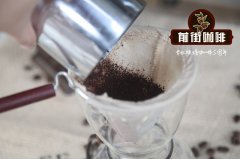
FrontStreet Coffee's pour-over brewing recommendations: Little Fuji 3.5 V60 dripper, 90°C water temperature, 1:15 ratio, total duration of two minutes.
FrontStreet Coffee Recommendation
If you want to taste what natural processing can do at its most expressive, FrontStreet Coffee's Yirgacheffe Natural Red Cherry is a fine place to begin. Only fully ripe, all-red cherries are selected, then spread on raised drying beds to keep them off the ground and safe from insects, dust, and bacteria; the fruit is turned at intervals so it dries evenly. Natural drying demands clear weather and typically runs 27–30 days. After a medium-light roast, the cup shows the elegant florals and bright acidity of Yirgacheffe alongside a distinct tropical-fruit character, a full fermented note, and sweetness.
For a Sidamo classic, FrontStreet's Huakui is the reference point. Its very high growing altitude, excellent terroir, fertile soil, and carefully selected ripe cherries give it a delicate fragrance, which Sidamo's quintessential natural processing only heightens. Roasted medium-light, it delivers light ferment, florals, citrus, and mango, with honey sweetness, a cocoa finish, and a touch of spice, over a thick body and a long aftertaste. Rounding out the natural lineup, FrontStreet's 2013 Sun-Dried Yunnan Small Bean (Typica), from FrontStreet's own estate, leans on Yunnan's dry season for its sunny harvest days: nutty at its core, with balanced acidity and sweetness, a little more sugar than a washed cup, berry-like acidity, dried-apricot and brown-sugar notes, and a faint tea-like character.
Two more naturals are worth knowing. FrontStreet's Brazil Queen Estate departs from Brazil's usual pulped-natural route in favor of drying the cherries directly on racks with constant turning, followed by mechanical drying to the target moisture; the resulting stability and low moisture make it easy to brew by pour-over, French press, or drip bag, with sugarcane-juice sweetness, black tea, soft fruit, clear nuttiness, and rich chocolate. And FrontStreet's Colombia Signature uses a double anaerobic natural — two rounds of anaerobic fermentation before drying — where whole cherries are sealed in tanks charged with carbon dioxide to create an oxygen-free environment that slows sugar breakdown and pH decline; the result is higher sweetness, more complexity, and a dense texture, with passionfruit, apricot, dried fruit, grape, and an almond note.
Important Notice :
FrontStreet Coffee is a long-established specialty coffee roaster in Guangzhou China, selling freshly roasted beans from its own farm in Yunnan as well as dozens of carefully selected single-origin beans from around the world for both pour-over and espresso. The products deliver consistently excellent quality and great value, with shipping within 24 hours. Guangzhou's FrontStreet Coffee shop is recommended by many coffee lovers, and the beans are now available online at the Tmall 。
FrontStreet Coffee has moved to a new address:
FrontStreet Coffee Address: 315,Donghua East Road,GuangZhou
Tel:020 38364473
 Scan and follow the En Gafei WeChat official account. Please indicate that the reprint comes from "En Gafei".