Sun-Dried Yirgacheffe Berry Orchard—What is Natural Processing? The Flavor of Sun-Dried Coffee Beans.
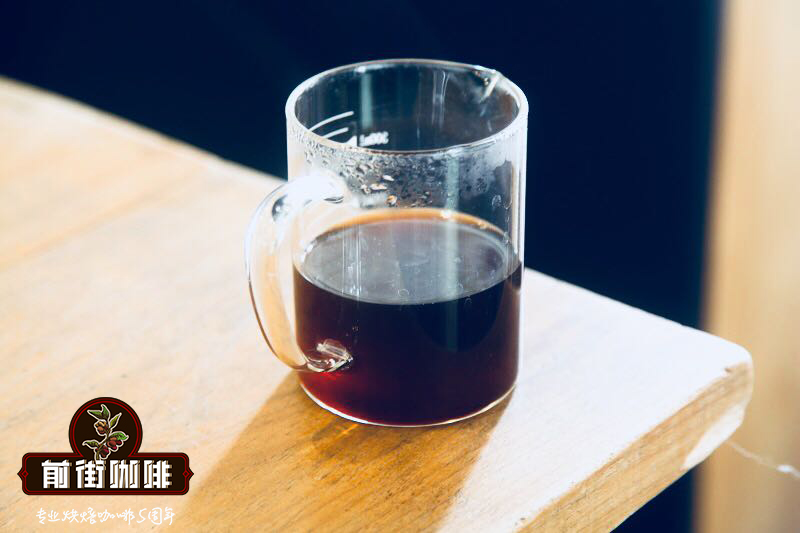
A great coffee depends not only on variety, origin, environment and roasting, but crucially on its processing method, one of the key factors that governs coffee flavor and aroma. Different processing methods add a distinct layer of flavor to the cup. The three main methods everyone knows are natural, honey and washed.
Legend has it that the natural process is the oldest method and the simplest, requiring the least equipment. The first step is to place the coffee cherries in water to screen out floating beans. Through buoyancy, defective and immature beans float to the surface while the sunken ones are fuller and of higher quality.
At the same time, the cherries are simply cleaned on the surface to remove dirt and to take out leaves and twigs, which prevents mold and off-flavors during sun-drying.
Choose a flat, open area that catches sunlight easily. The second step is to spread the cherries evenly, avoiding overlap or overly dense stacking, which easily breeds bacteria and causes mold. The cherries need to be turned several times a day, with the drying time adjusted to the weather, typically about two to three weeks. The precise standard for completion is that, once the pulp is peeled back, the bean's moisture content has fallen below 12%.
During turning, remember to remove fallen leaves and insects to avoid defects such as insect-damaged beans.
At this point the beans usually look blackish-red. The third step is to remove the dried parchment and pulp, then store the beans with parchment for aging, which takes about a month and lets the flavors become richer and more settled. Machines are mostly used today instead of manual labor, though in some underdeveloped regions small farmers still rub off the parchment with blunt objects.
Using machines for removal is recommended, to reduce damage to the integrity of the beans. For aging, remember to choose a dry location away from sunlight.
Advantages
The natural process uses less water and costs relatively less. Its flavor features richer fruit aromas and fruit acidity.
Disadvantages
It requires a location with access to sunlight, which makes it demanding of the weather and generally confines it to tropical countries with distinct wet and dry seasons. Uncontrollable weather and environmental factors are numerous, and when the process is handled poorly, issues such as defective beans, insect-damaged beans, rot and mold occur easily, producing more off-flavors.
Boyefi comes from Fere and Bota/Yefirafire in Ethiopia. Fere means berry, and Bota/Yefirafire means garden or orchard - essentially "Berry Orchard." These beans are processed with Ethiopia's traditional refined natural drying method, resulting in rich layers and abundant sweetness. True to its name, when tasting, the finest blueberry and strawberry flavors of natural Yirgacheffe burst forth, instantly carrying you back to that colorful berry bubblegum era. It has a rich berry and fruit-wine dry aroma. On sipping, it opens with strong strawberry and blueberry accompanied by tropical fruit notes such as passion fruit and mango, followed by apricot, peach and grape juice in the middle. Floral, peach and berry aromas run through the entire palate. The robust, full-bodied, juicy flavor is not to be missed.
FrontStreet Coffee's Pour-over Brewing Recommendation
Little Fuji 3.5, V60 dripper, 90°C water temperature, 1:15 ratio, total duration of two minutes.
FrontStreet Coffee Recommendation
If the natural process is what you want to explore, Yirgacheffe is the classic place to start. FrontStreet Coffee's natural Red Cherry is made only from fully ripe, sound fruit: the cherries are hand-sorted, then dried whole on raised beds for three to five weeks, turned every two to three hours in the first days to avoid uneven heating and over-fermentation. Because the fruit is dried with the pulp still on, the beans keep the typical Yirgacheffe character while gaining the tropical fruit of the natural process - citrus acidity, a berry-juice body, honey sweetness and a creamy smoothness.
For a clearer, more tea-like expression of the same region, FrontStreet Coffee's washed Yirgacheffe staple and its Gutingding Cooperative coffee show white jasmine, bright citrus and lemon acidity with a clean tea body. Tasting a washed and a natural Yirgacheffe side by side is the quickest way to understand what the processing method contributes, and both are brewed at 90-91°C with 15 g of coffee at a 1:15 ratio.
Important Notice :
FrontStreet Coffee is a long-established specialty coffee roaster in Guangzhou China, selling freshly roasted beans from its own farm in Yunnan as well as dozens of carefully selected single-origin beans from around the world for both pour-over and espresso. The products deliver consistently excellent quality and great value, with shipping within 24 hours. Guangzhou's FrontStreet Coffee shop is recommended by many coffee lovers, and the beans are now available online at the Tmall 。
FrontStreet Coffee has moved to a new address:
FrontStreet Coffee Address: 315,Donghua East Road,GuangZhou
Tel:020 38364473
 Scan and follow the En Gafei WeChat official account. Please indicate that the reprint comes from "En Gafei".