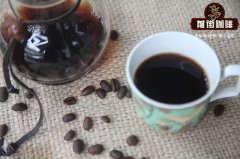
How is Decaf Coffee Made? How to Brew Decaf Coffee?
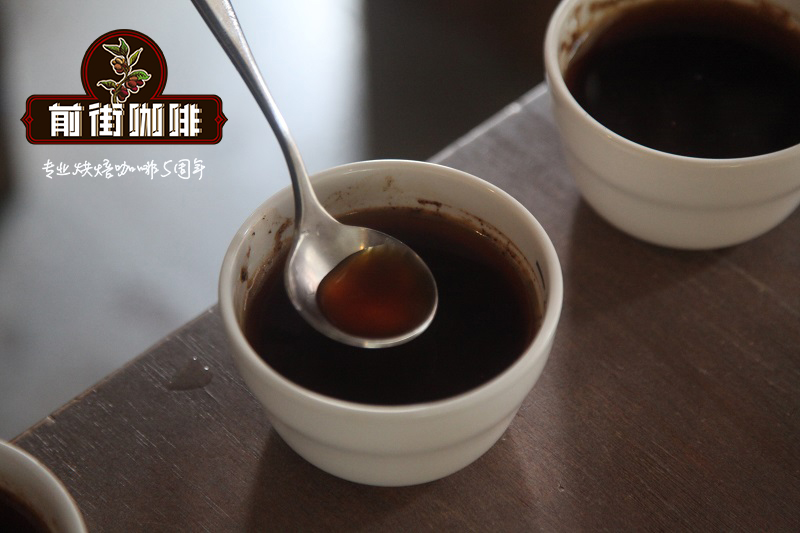
Factors Affecting Caffeine Content
Caffeine levels in the cup are shaped by the bean variety, steeping time, grind coarseness, brewing method, water temperature, extraction time, and more. Because caffeine does have physiological effects, decaffeinated coffee has won a devoted following.
What Is Decaffeinated Coffee?
Decaffeinated coffee is coffee that has been specially treated before roasting to strip out 96%-98% of its caffeine, so a cup carries only about 5% of the original caffeine load. There are three general routes to removing it:
1. Solvent Extraction Method
Direct Extraction Method:
The beans are first softened, then treated with high-temperature, high-pressure steam to swell the surface and enlarge the contact area. A dichloromethane (CH2Cl2) solvent is then introduced so the beans make direct contact with it, drawing the caffeine out.
Here the dichloromethane adsorbs and dissolves caffeine from the bean surface, but it rarely disturbs the coffee's flavor.
Indirect Extraction Method:
The softened beans are placed in warm water, and the caffeine and other soluble components leach out, producing a coffee essence solution. That solution is moved to another vessel where dichloromethane is added; when heated, the caffeine evaporates along with the extraction solvent. Finally, the now caffeine-free essence solution is returned to the beans in warm water so they can reabsorb the components they lost.
This indirect route works, but it is more likely to sacrifice flavor along the way.
2. Swiss Water Process (SWP)
The beans are first soaked in warm water so the caffeine and other solubles dissolve out. Activated carbon then filters the caffeine from the essence solution, and the caffeine-free solution is returned to the original beans so they can soak the lost components back up.
The method's selling point is that no chemical solvents touch the coffee, which makes it the natural choice for health-conscious drinkers. The catch is that the activated carbon also removes some flavor compounds, so the cup loses a little character — and Swiss Water decaf typically costs more as well.
3. Supercritical Carbon Dioxide Extraction Method (SCF)
Large quantities of carbon dioxide (CO2) are generated when coffee beans roast. Compressed under high pressure into a liquid, that CO2 can be applied to the treated beans to draw out the caffeine; when the pressure is released, the CO2 flashes back to gas and simply evaporates away.
This method removes caffeine without damaging the beans, leaves their color unchanged, rarely extracts anything beyond the caffeine itself, and therefore preserves the beans' original flavor. But because it demands special high-pressure equipment and a serious capital investment, SCF decaf remains relatively uncommon on the market.
FrontStreet Coffee's Pour-Over Brewing Recommendations:
Little Fuji 3.5 grind, V60 dripper, 90°C water, 1:15 ratio, total brew time of about two minutes.
FrontStreet Coffee Recommendation
Shopping for lower-caffeine pour-over beans is simpler than it sounds: skip Robusta and choose Arabica. The world's workhorse variety, Arabica grows at 800-2,200 meters in frost-free highlands, where greater day-night temperature swings slow the cherries' ripening and give the beans more time to accumulate flavor compounds and build solid aromatics — while each region's unique microclimate adds its own signature terroir. Indonesia's FrontStreet PWN Golden Mandheling is a fine pick: wet-hulling was invented there to suit the local climate, and it gives Mandheling its unmistakable herbal, spice, and wood character, while the Golden lot's three rounds of hand sorting and one machine pass strip out nearly every defective bean for fuller body, better sweetness, and more pronounced aroma. It suits moka pot, SOE, pour-over, drip bags, and Americano or latte alike.
Ethiopia offers two standouts. FrontStreet's natural Huakui carries an understated floral tone over striking fruit — creamy strawberry, mango, jackfruit, citrus, blueberry — with the ripe tropical-fruit signature of Sidamo naturals, the very character that won the TOH green bean competition's first place that year, and it pairs a lovely cup with a friendly price for pour-over, cold brew, moka pot, or SOE. From Yirgacheffe, FrontStreet's washed Konga Cooperative coffee — top Ethiopian grade G1, classic washed from sorting through depulping, fermentation, rinsing, and drying — shows the region's clean, luminous lemon and citrus along with elegant white florals, orange, and green tea at a medium-light roast; ideal for pour-over, drip bags, or cold brew.
Two more everyday favorites round out the list. FrontStreet's Yunnan small-bean coffee, roasted medium to highlight caramelization while keeping a touch of fruit acidity, pours soft and smooth with nut, herbal, chocolate, and caramel notes and a pleasant sweet finish. And FrontStreet's washed Huila from Colombia — a country whose beans are notably uniform, plump, and prized for their rich, distinctive aroma with sweetness up front, low bitterness, and layers that unfold as the roast deepens — grows above 1,800 meters in one of the country's most celebrated regions and delivers classic chocolate, cream, hazelnut, and toffee flavors.
Important Notice :
FrontStreet Coffee is a long-established specialty coffee roaster in Guangzhou China, selling freshly roasted beans from its own farm in Yunnan as well as dozens of carefully selected single-origin beans from around the world for both pour-over and espresso. The products deliver consistently excellent quality and great value, with shipping within 24 hours. Guangzhou's FrontStreet Coffee shop is recommended by many coffee lovers, and the beans are now available online at the Tmall 。
FrontStreet Coffee has moved to a new address:
FrontStreet Coffee Address: 315,Donghua East Road,GuangZhou
Tel:020 38364473
 Scan and follow the En Gafei WeChat official account. Please indicate that the reprint comes from "En Gafei".