The Story of Yemen Mocha Coffee - Flavor Description and Taste Characteristics
For professional coffee knowledge exchange and more coffee bean information, please follow Coffee Workshop (WeChat public account: cafe_style)
Yemeni coffee varieties originate from Ethiopia and have now become Yemen's own unique varieties. The very first coffee ever tasted was actually Yemeni Mocha - at that time, mentioning Mocha meant coffee. However, today the quantity of Yemeni Mocha is decreasing, with both ports and growing regions in a state of war. FrontStreet Coffee's Yemeni coffee represents the last batch of Yemeni coffee in China, imported via Germany in 2017 when the port was still open. Since then, no large quantities of Yemeni coffee have appeared. In 2019, a Yemeni brought a small amount of coffee to China for promotion, but the quantity was very limited. To this day, the wild-character specialty coffee beans of Yemeni Mocha still make FrontStreet Coffee's team deeply nostalgic - the complex flavors of red wine, wildness, dried fruit, berries, and chocolate are utterly captivating.
What is Mocha Coffee?
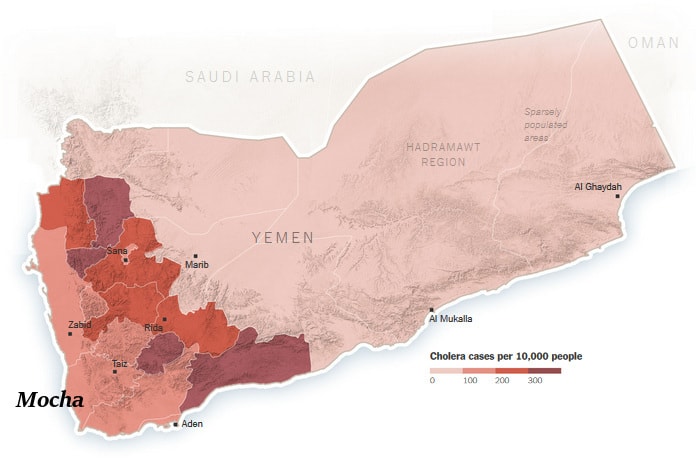
Al-Matari is the most renowned coffee bean from Yemen, located in the Bani Matari highlands west of the capital Sana'a, featuring intense, full-bodied flavors with distinct berry aromas.
When speaking of Yemeni coffee, one must mention "Mocha." Everyone has heard of "Mocha Coffee," but what exactly is "Mocha"?
The answer to this question has multiple versions. Some say Mocha is a specific origin, while in others' impressions, Mocha is sweet chocolate coffee. In fact, authentic "Mocha Coffee" is produced exclusively in the Republic of Yemen on the southwestern Arabian Peninsula, growing on steep mountain slopes at altitudes ranging from 3,000 to 8,000 feet, making it the world's most ancient coffee.

Meaning One:
As early as 500 years ago, Yemen was already producing coffee using ancient methods. In the early 17th century, the first batch of Yemeni coffee sold to Europe was exported through the ancient small port of "Mocha Port," astonishing Europeans and leading them to call the delicious coffee from Mocha Port "Mocha Coffee" - this is the origin of the term "Mocha Coffee."
Ethiopia, Yemen's neighboring country across the Red Sea, also used Mocha Port to export coffee, which is why Ethiopian natural-processed coffee is often called Mocha (such as Mocha-Harrar Ethiopia Harrar). Today, the old Mocha Port has long been abandoned due to sediment deposition (now called Al Makha), with exports moving to the northwestern port of Hodeida. However, people have long been accustomed to the name Mocha, and its reputation resounds far and wide.
Meaning Two:
Over time, some people began using Mocha as a nickname for coffee. Later, because the aftertaste of Mocha coffee resembles chocolate, the term "Mocha Coffee" came to refer to coffee drinks mixed with chocolate.
Meaning Three:
Since 1933, when Italian Alfonso Bialetti invented the first Moka pot (MokaPod), providing all households with a simple and convenient option for brewing Italian-style coffee, it became the first choice for home coffee brewing. Calling BIALETTI the father of the Moka pot is no exaggeration!
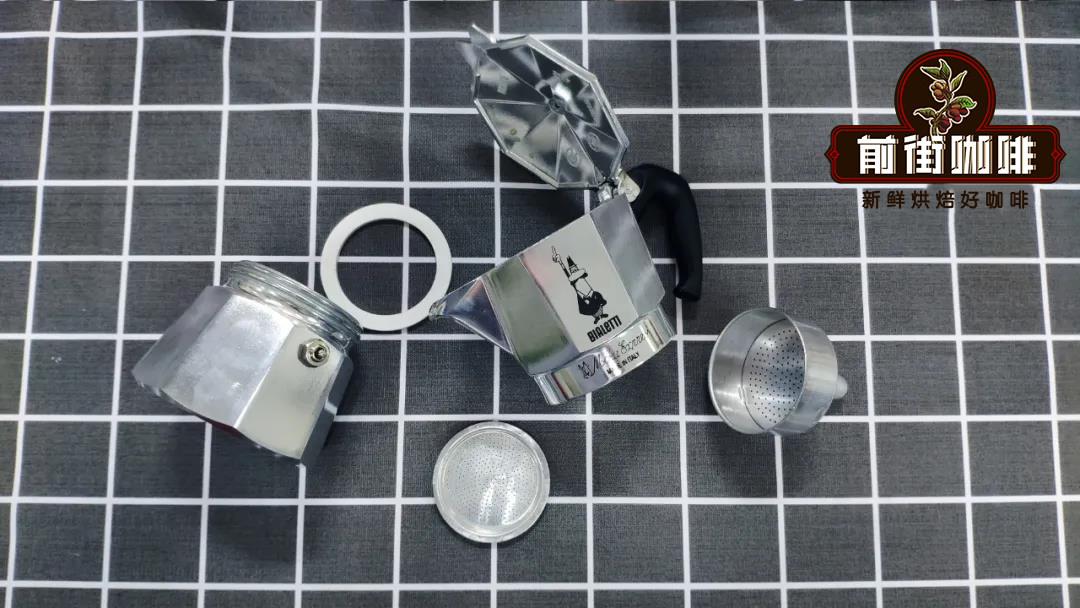
Therefore, although they share the name "Mocha," Mocha beans, Moka pots, and the Mocha coffee in Italian espresso represent three different meanings.
FrontStreet Coffee finds that deeply roasted Yemeni coffee often exhibits chocolate-like caramel sweetness. Therefore, when you see the words "Mocha Coffee," it might refer to pure Yemeni coffee, neighboring Ethiopian coffee, or simply indicate something else. Regardless, for discerning coffee connoisseurs, only genuine Yemeni coffee qualifies to be called "Mocha Coffee."
The term "Mocha" has various spellings: Moka, Moca, and Mocca are all common spellings. On Yemeni coffee sacks and documents, up to four local spellings have been observed: "Mokha," "Makha," "Morkha," and "Mukha" - all representing the same meaning.
Yemeni Mocha Coffee
Yemeni Mocha is the originator of the world coffee trade, making indispensable contributions to spreading delicious coffee worldwide. In the 17th century, Yemeni Mocha, known as "Arabia Coffee" (this is also the origin of the later "Arabica" name!), crossed oceans to Italy and other European Catholic countries. For more than 150 years thereafter, Yemeni coffee remained the only coffee origin exported to Europe.
In ancient times, conservative Catholic countries often considered extraordinarily wonderful things to be evil, once burdening coffee with inexplicable guilt. Until the coffee-loving Vatican Pope declared coffee a Catholic beverage and blessed those who drank it, coffee began to spread widely throughout Europe. Although Ethiopia was the first country to discover coffee, it was Yemen that truly made coffee flourish.
A Living Relic in the Coffee World
To this day, Yemeni coffee farmers still use the same methods from 500 years ago to produce coffee.
Coffee cherries grow naturally on trees without any artificial fertilizers or pesticides. In summer, they receive nourishment from the mountain slopes' small amounts of rain and mist, flowering and fruiting. During the dry winter, mature coffee cherries are allowed to hang on trees to naturally air-dry - this is a very unique and rare practice, possible only due to Arabia's extremely dry climate and intense sun exposure. In other coffee origins, the same practice could cause coffee cherries to rot on the trees.
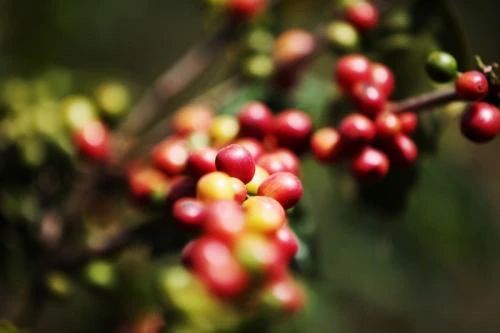
Ripe or dried coffee cherries naturally fall from trees or are shaken and picked. Coffee farmers, representing nearly a quarter of Yemen's total population, spread the pulp-covered cherries on their rooftops, in front of their homes in low sheds, or even directly on muddy ground to absorb the intense dry winter sun. After the fruit skin and pulp dry, old-fashioned stone mills (two stones stacked together) are used to grind away the dried hard shells and pulp - and just like that, the coffee beans are processed!
To this day, a small number of Yemeni coffee farms still use animals (such as camels, donkeys) as power sources for stone mills. Compared to Central and South American countries that use advanced machinery to process large quantities of coffee beans, or even neighboring Kenya with its relatively short coffee history, Yemeni Mocha is practically a living relic in the coffee world! Did you know? The Yemeni coffee you drink today is basically not much different from the "Arabia Coffee" that European nobles and merchants enjoyed centuries ago in Europe's oldest cafés in Venice's St. Mark's Square.

Unlike the washed processing methods used in most coffee origins worldwide, Yemeni coffee is processed entirely naturally. The stone-mill dehulling process (using two stones to crush) creates broken beans mixed in, resulting in uneven appearance. Raw beans often contain small branches, small stones, and even dried insects (which are screened out during roasting). It also possesses the world's most unique, rich, and fascinating complex aromas: "red wine fragrance, wildness, dried fruit flavor, blueberry, grape, cinnamon, tobacco, sweet spices, wood notes, and even chocolate..." You can see all sorts of adjectives used to describe Yemeni Mocha!
Because they are dried with the pulp intact, coffee cherry flavors have the opportunity to "seep into" the coffee beans. When coffee fruits fall on the dry soil of the African highlands, they also absorb surrounding organic matter flavors. Combined with the "sun flavor" imparted by the intense Arabian winter sun (you can smell similar aromas on sun-dried quilts), the natural fermentation flavors of ripe fruit pulp, slight earthy notes... and the 300,000 coffee farms spread across altitudes from 3,000 to 8,000 feet, plus ancient, 100% organic processing methods, create the world's one-of-a-kind Yemeni Mocha.
Yemeni Mocha Coffee Regions
Among common Yemeni Mochas, Mokha Mattari is the most renowned. Produced in Bani Matar (also known as Bany Mattar) province, Mattari is high-altitude coffee typically featuring excellent red wine aroma, dried fruit flavors, full body, and often chocolate-caramel sweetness when deeply roasted.
Due to Yemen's unstable political situation in recent years and sharply reduced production, the most famous Mokha Mattari has become a target for adulteration, with instances of mixing with lower-grade inferior beans. Today, even beans labeled as Mattari are not guaranteed to be high quality. Good quality Mattari beans are small, with raw beans having an intoxicating sweet wine aroma and moderate ripe fruit fermentation flavors. Excellent Mattari performance will never disappoint coffee connoisseurs!
Mokha San'ani is a blend from tens of thousands of small farms on mountain slopes near the capital San'a. Growing altitude is slightly lower than Mattari, and generally speaking, the body is thinner than Mattari with lower acidity, but good fruit aromas, often having better ripe fruit and wild flavors than Mattari. Based on experience, San'ani quality varies greatly, with occasional inferior products having flat flavors, earthy tastes, or excessive fermentation. Careful cupping and selection are essential tasks for coffee importers - absolutely no cutting corners.
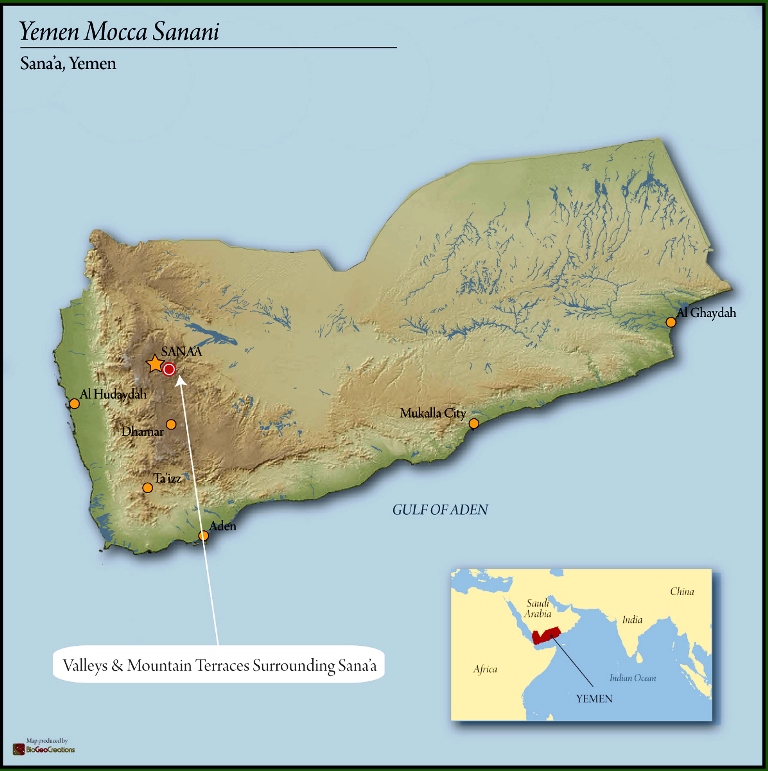
Mokha Ismaili is one of the traditional ancient varieties, grown at very high altitudes above 6,500 feet. Its characteristic is more rounded bean shape, smaller than Mattari, with full body and high complexity. Generally, it often performs better than Mattari. This is the lowest-production, most expensive Yemeni Mocha (Yemeni Mocha is already not cheap to begin with). High-quality Mokha Ismaili is produced in the Hirazi area (though not as famous as Bani Matar, it is the best-regarded growing region locally by Yemeni standards) on high mountain slopes, with Hirazi's highest altitude reaching 8,000 feet!
Mokha Rimi is produced in the Djebel Remi (also known as Raimi, Rayma) area, with quality similar to San'ani. In my experience, Mokha Rimi usually has slightly heavier fermentation flavors, occasionally showing astonishingly rich raisin sweetness. When properly roasted, the coffee beans smell like opening a bottle of rich fruit jam.
Mokha Yafeh is produced in Yemen's southern Yafeh (also known as Yaffe) province, belonging to uncommon Yemeni Mocha and representing Yemen's only "southern flavor." Production is also limited, with most exported to neighboring United Arab Emirates, making it rarely seen in the specialty coffee market.
A coffee expert once said: "Yemeni Mocha flavors are too diverse - not only do different origins, varieties, and batches differ, but even each sack, and even each cup has different flavors." Because of its complexity and variability, for coffee roasters, how to roast Yemeni Mocha to its optimal flavor is a great challenge! Light-medium roasting reveals fruity sweetness, gentleness, and warm natural fermentation flavors; deep roasting reveals rich red wine aroma and bittersweet chocolate aftertaste - all worthy of savoring again and again, "lingering aftertaste that lasts for days." No wonder so many devoted coffee connoisseurs list Yemeni Mocha as their favorite!
Confusing Nomenclature
Yemeni coffee naming methods still have no universal standards, nor official grading systems. Local residents have their own classification system with hundreds of coffee codes and names for internal classification purposes, but these are not applicable to commercial markets (for export). In commercial markets, Yemeni Mocha typically adopts one of the following two naming methods: "origin name" or "variety name."
Yemeni Mocha Mattari and Yemeni Mocha San'ani use "origin naming," indicating production from Bani Matar province and mountain slopes near the capital San'a respectively; Yemeni Mocha Ismaili uses "variety name naming," with its production location in Hirazi, southwest of Bani Matar.
For such unique Yemeni coffee, FrontStreet Coffee recommends brewing with flannel filter! Share FrontStreet Coffee's brewing parameters and flavor profile for Yemeni coffee.
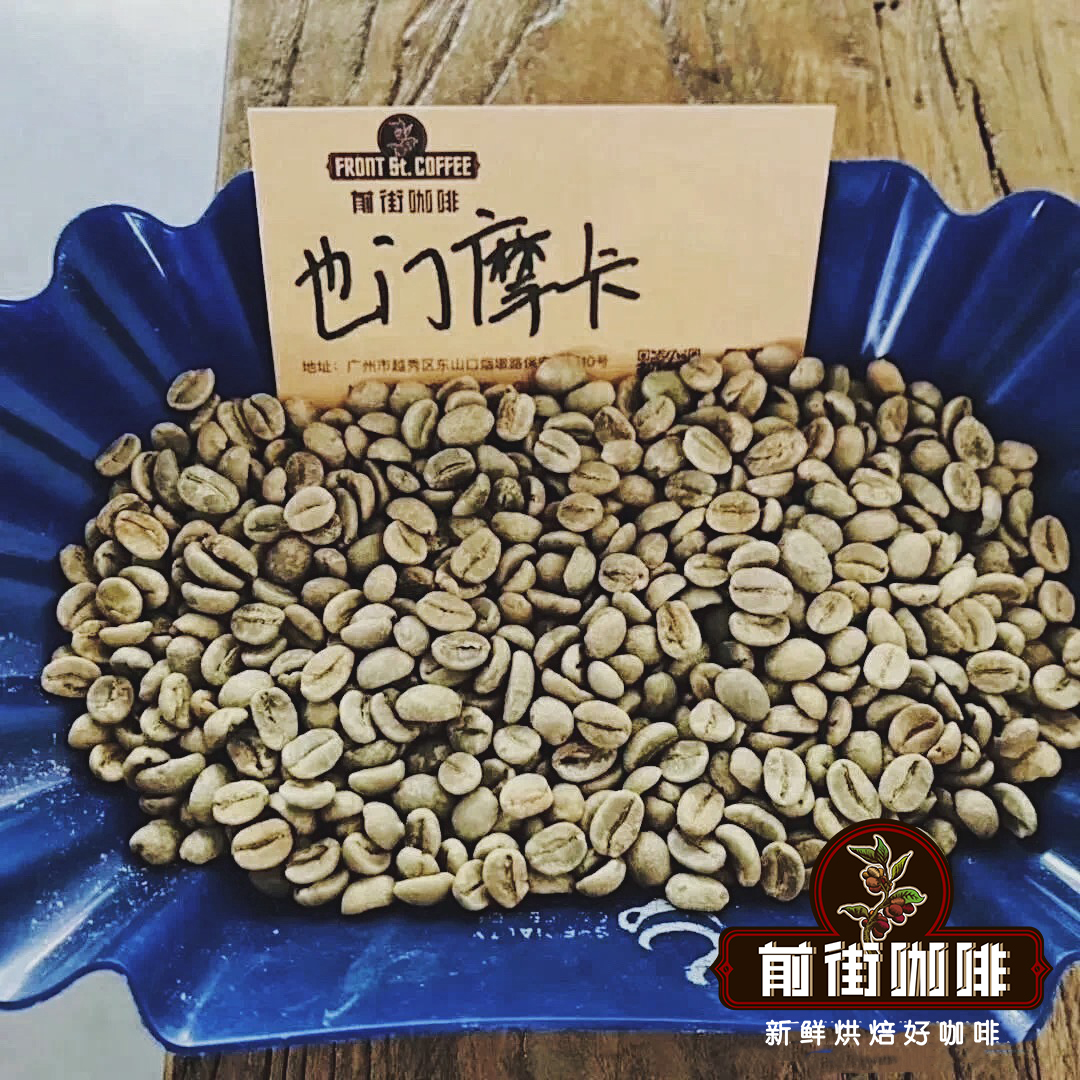
Yemeni Mocha Mattari Coffee
Region: Mattari
Altitude: 1,400 meters
Varieties: Typica, Bourbon
Processing: Natural Processing
Roasting Recommendations
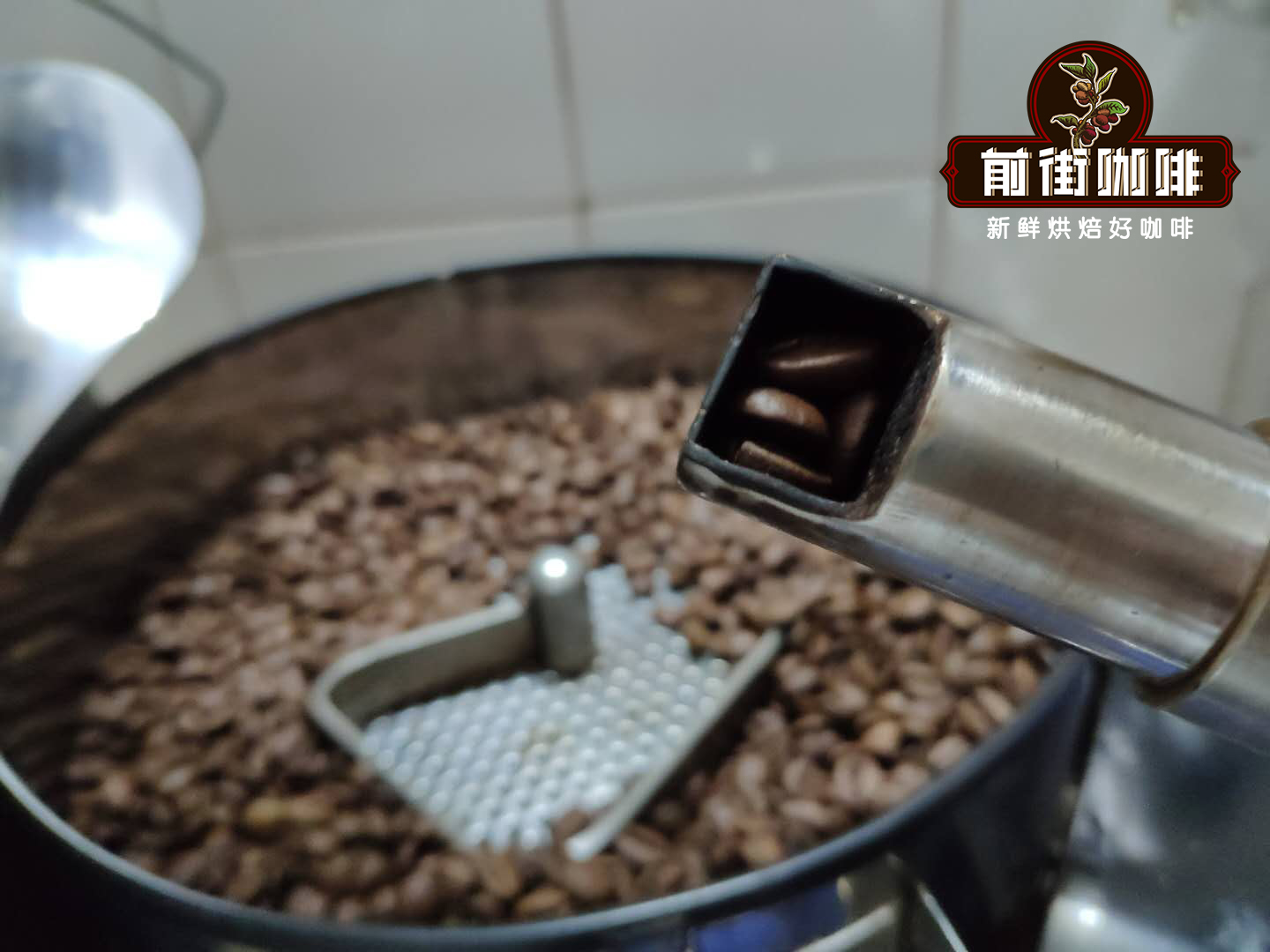
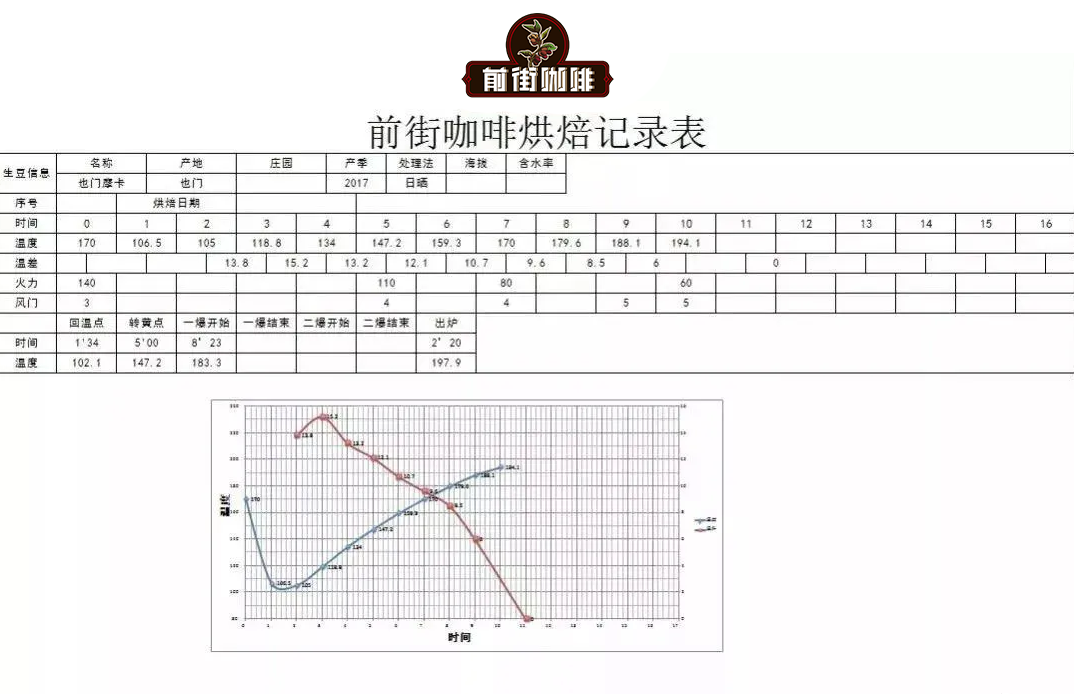
Yemeni Mocha belongs to raw beans with relatively low moisture content, and considering the uneven bean sizes, the initial temperature should not be too high. FrontStreet Coffee uses medium roasting.
Machine: Yangjia 800N, 550g raw beans
Entry Temperature: 170°C
Yellowing Point: 5'00", 147.2°C
First Crack: 8'23", 183.3°C
Development after First Crack: 2'20", discharged at 197.9°C
FrontStreet Coffee's Recommended Yemeni Mocha Brewing Method
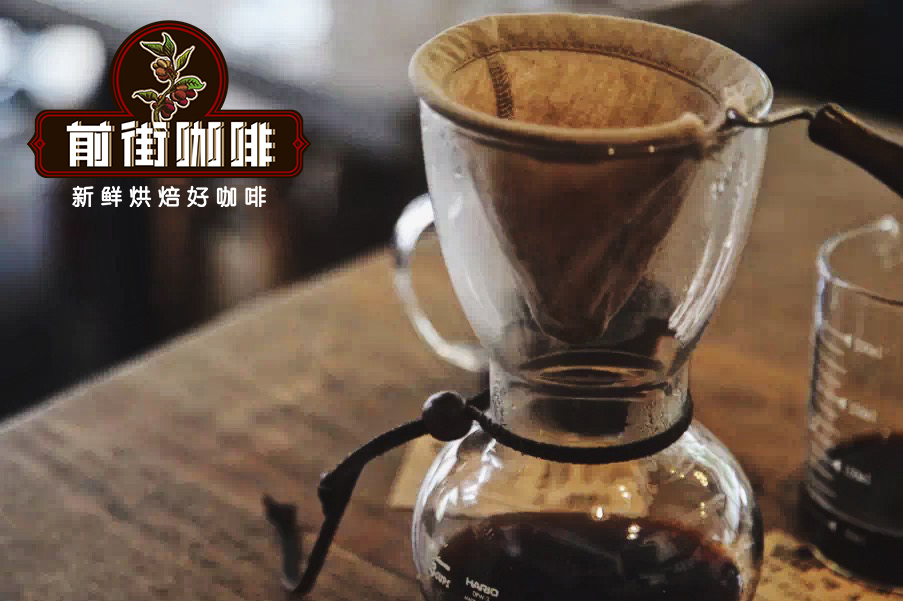
Recommended Brewing Device: Flannel Filter
Flannel filter cloth can carefully and slowly extract the delicious components of coffee beans, producing coffee with round, deep flavors - this is the greatest charm of flannel filter cloth. Because flannel's capillary pores are larger than filter paper, it can retain some of the coffee's oils, unlike filter paper which usually filters out all oils. Therefore, coffee brewed with flannel is richer and smoother than coffee brewed with filter paper.
Additionally, during the brewing process, because flannel's capillary pores are coarser and filtering can occur at all positions below the water level (unlike filter paper which can only filter through gaps with the filter cup), flannel's water filtration speed is slightly faster than typical filter cup and filter paper combinations (note: flannel's flow rate differs between front and back sides!).
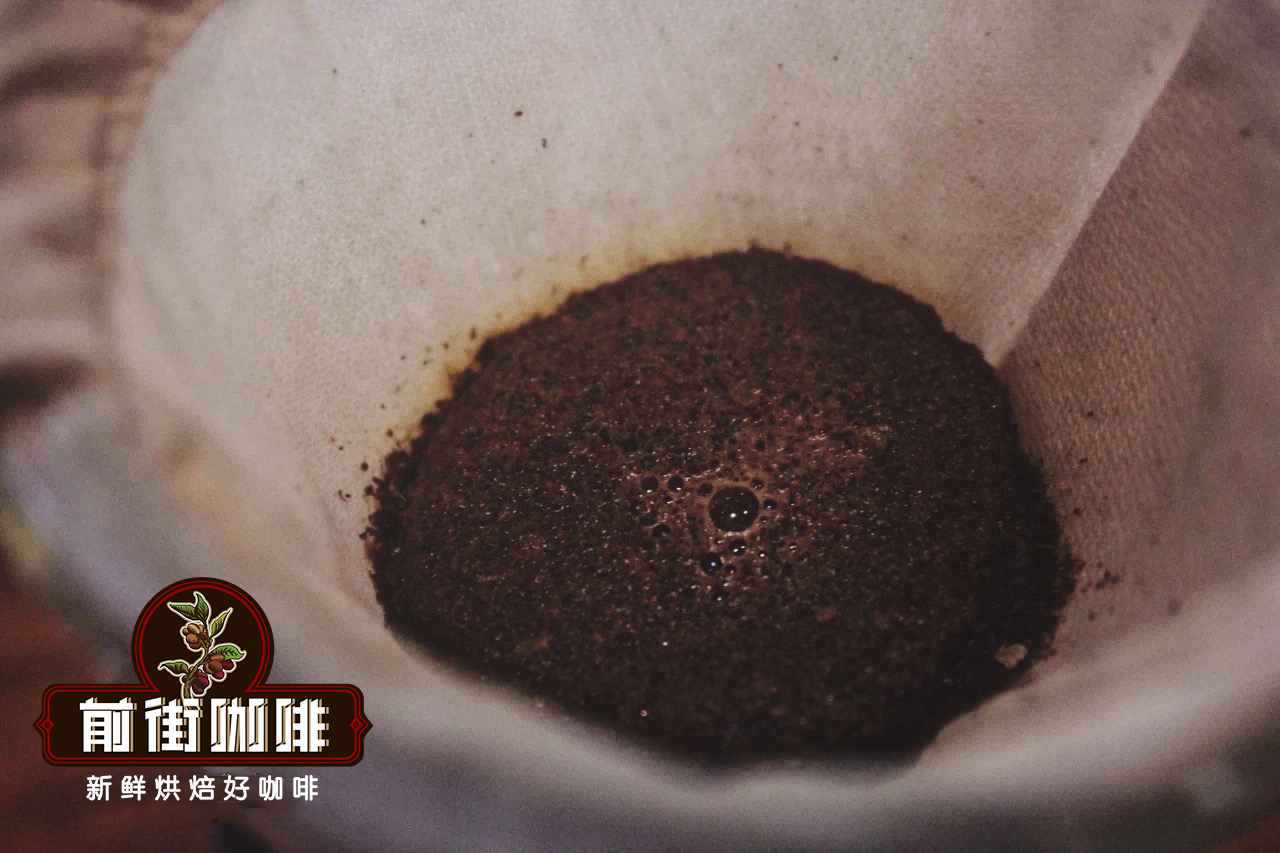
Parameters: Grind size 5M (Chinese standard 20-mesh sieve pass rate 70-75%), water temperature 88°C, coffee-to-water ratio 1:15, extraction time 2 minutes 30 seconds.
Brewing Technique: 30g water for bloom for 30 seconds, pour to 100g in stages, when water level drops and is about to expose the coffee bed, continue pouring to 225g to finish brewing.
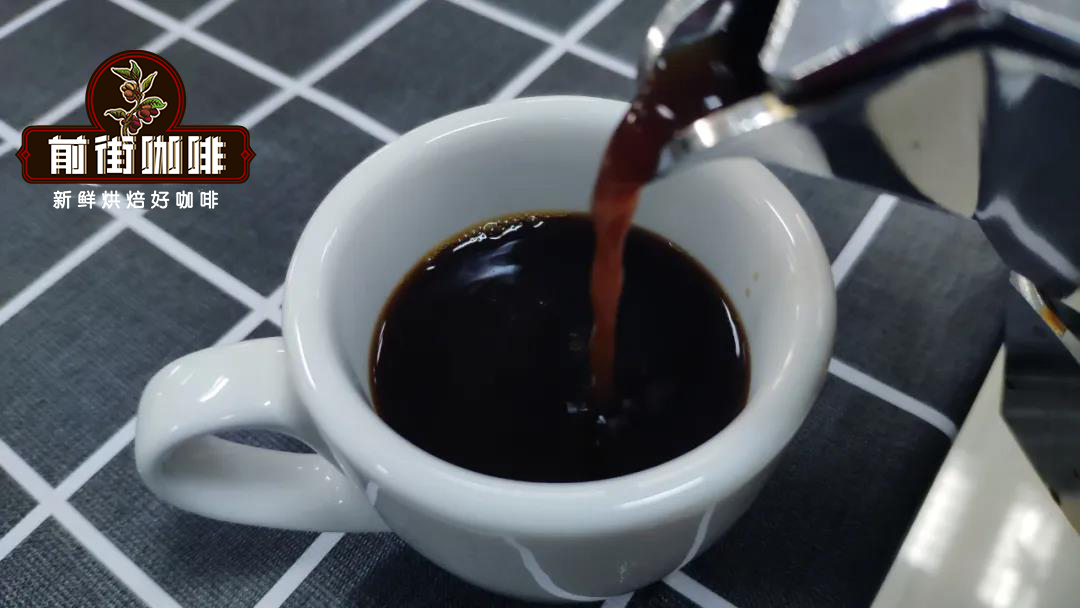
Flavor: Full-bodied, smooth, rich dark chocolate flavor, persistent caramel sweetness, as temperature slightly drops, reveals spice and berry flavors.
For more specialty coffee beans, please add FrontStreet Coffee on private WeChat: kaixinguoguo0925
Important Notice :
FrontStreet Coffee is a long-established specialty coffee roaster in Guangzhou China, selling freshly roasted beans from its own farm in Yunnan as well as dozens of carefully selected single-origin beans from around the world for both pour-over and espresso. The products deliver consistently excellent quality and great value, with shipping within 24 hours. Guangzhou's FrontStreet Coffee shop is recommended by many coffee lovers, and the beans are now available online at the Tmall 。
前街咖啡 FrontStreet Coffee has moved to new addredd:
FrontStreet Coffee Address: 315,Donghua East Road,GuangZhou
Tel:020 38364473
 Scan and follow the En Gafei WeChat official account. Please indicate that the reprint comes from "En Gafei".