Introduction to Mandheling Wet-Hulling Process: Flavor Characteristics of Indonesian Mandheling Wet-Hulled Coffee
Understanding Mandheling Coffee: From Professional Knowledge to Brewing Methods
For professional coffee knowledge exchange and more coffee bean information, please follow Coffee Workshop (WeChat official account: cafe_style).
Because traditional chain coffee shops long favored dark roasted beans, most people's first impression of coffee is that it simply tastes bitter. Mandheling coffee is defined by its herbal character - in plain terms, a deep bitterness, an exceptionally smooth texture, and low acidity. That is why a saying circulates in the coffee community: it usually takes two or three years of coffee drinking before people come to love Mandheling, while complete beginners often find this kind of profile hard to accept.
The Origin and Processing of Mandheling Coffee
Mandheling coffee beans are typically produced in Indonesia. Indonesia is a major coffee-producing country, with its growing regions concentrated on the islands of Java, Sumatra, and Sulawesi. Mandheling coffee is also known as Sumatran coffee and belongs to the rarer Arabica coffees grown in Indonesia. According to what FrontStreet Coffee has learned, the reason Mandheling tastes so distinctive is Indonesia's use of the wet-hulled processing method for green coffee.
Understanding the Wet-Hulled Processing Method
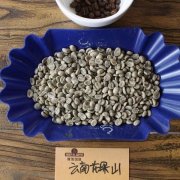
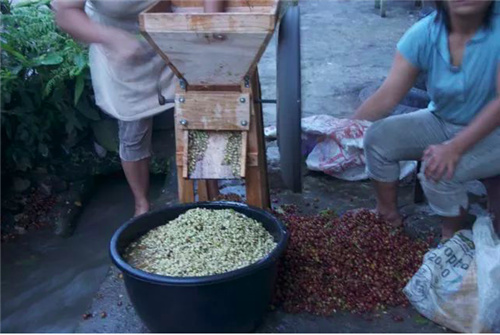
Many people are unfamiliar with wet hulling, even though they know the more common washed and natural methods. FrontStreet Coffee will walk through the general process of Indonesia's wet-hulled method. First, coffee farmers harvest ripe coffee cherries and place them in water tanks, using flotation to remove debris and unripe cherries. Next, a pulping machine removes the pulp and skin while retaining the parchment and mucilage, followed by a brief fermentation to break down the mucilage. The cleaned beans are then dried until their moisture content falls to 20%-24%. After that, machines hull away the parchment, exposing the wet green beans, which are dried once more until their moisture content reaches roughly 12-13%, completing the process.
FrontStreet Coffee's Mandheling Selection
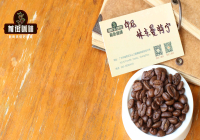
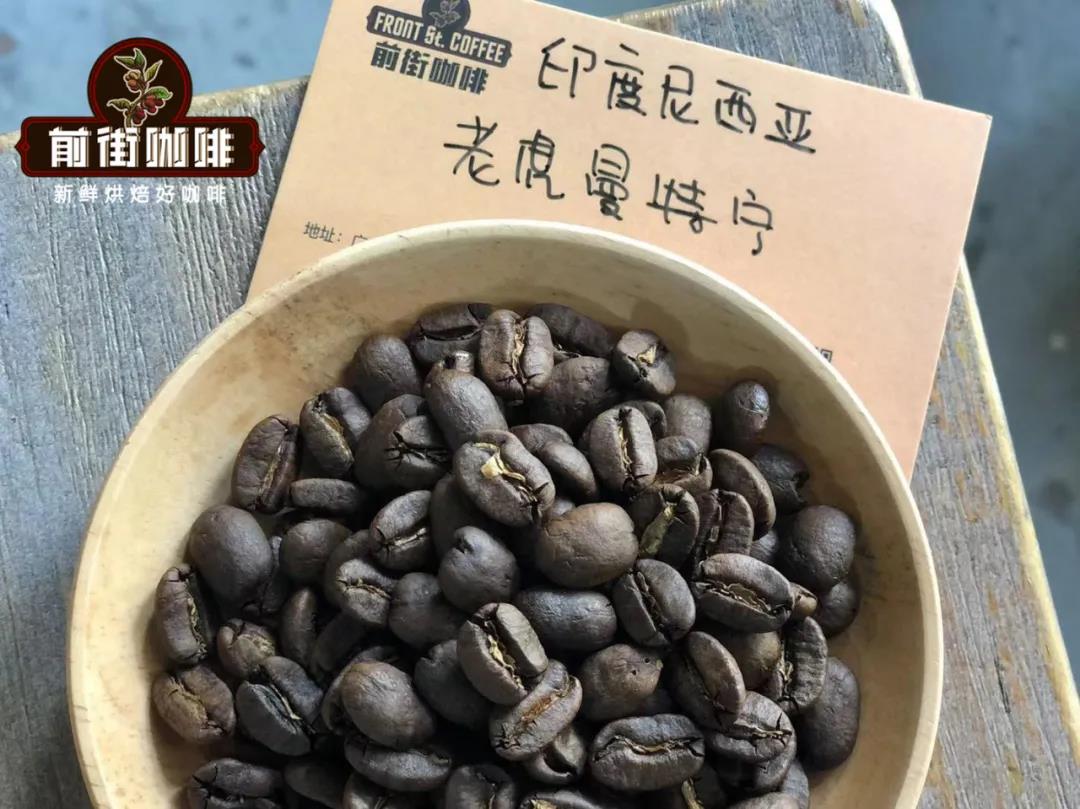
FrontStreet Coffee has launched five Mandheling coffees. Because Indonesian Mandheling's unique herbal flavor is so rich and mellow, more and more coffee lovers have come to appreciate it. After extensive selection, roasting, and cupping of Indonesian Mandheling, FrontStreet Coffee launched Golden Mandheling with the cleanest cup and higher sweetness, Aged Mandheling with the fullest body and fermented wine notes, Tiger Mandheling with the most intense aroma, and the most classic Mandheling from the Lintong region.
Indonesian Coffee Regions and Mandheling Classification
Indonesia's main coffee-producing regions are the islands of Sumatra, Java, and Sulawesi, with "Mandheling" from Sumatra being the most famous - which is why Mandheling is also called "Sumatran coffee." Coffee from the Lake Tawar area in the north can be called Aceh coffee or Lake Tawar coffee, while coffee from Lintong and the Lake Toba area can be called Mandheling. Strictly speaking, in the traditional sense only coffee beans produced around Lake Toba (in northwestern Sumatra, Indonesia) are called "Mandheling."
Comparing Processing Methods and Their Effects on Flavor
Neither washed processing nor natural processing can give Mandheling its signature herbal flavor. For example, the washed method commonly used in Central America brings out acidity and makes it more pronounced in the cup. The natural method builds on washed processing by increasing aroma and sweetness; it is most common in Ethiopia's Sidamo region and in Brazil, among others. FrontStreet Coffee's Natural Red Cherry and Brazil's Queen's Estate, for instance, both use natural processing, which is why their sweetness is so pronounced.
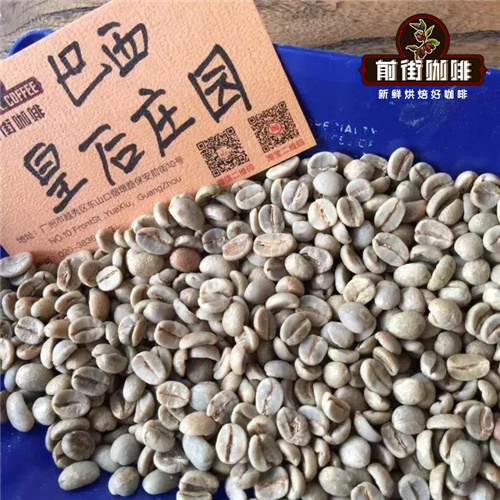
During the wet-hulled processing of Indonesian coffee, the fermentation period is very short while the drying time is comparatively long, so the acidity is very weak - FrontStreet Coffee typically describes it as low acidity. In exchange, the body is very rich, and wet-hulled beans also carry earthy, tobacco, and chocolate notes.
Extended Fermentation Processing
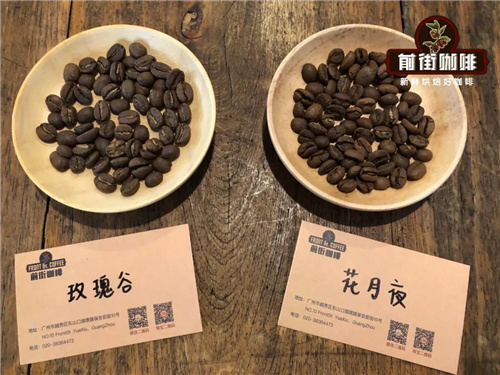
Some countries deliberately extend the anaerobic fermentation of coffee. Two of FrontStreet Coffee's Colombian coffees - Flora Moonlight and Rose Valley - are processed with extended fermentation to develop distinctive flavors. FrontStreet Coffee's Flora Moonlight comes from the El Espectro farm in Colombia's Huila region and uses a rather special anaerobic natural process. In short, coffee cherries are placed in sealed fermentation tanks and fermented for an extended period at low temperatures. Fermentation lasting 15-20 days opens up endless possibilities for flavor: this bean is packed with fruit character, with strawberry jam notes spreading across the palate - genuinely intoxicating. It is the moment you realize coffee really can be this aromatic and sweet.
Brewing Method for Aged Mandheling Coffee
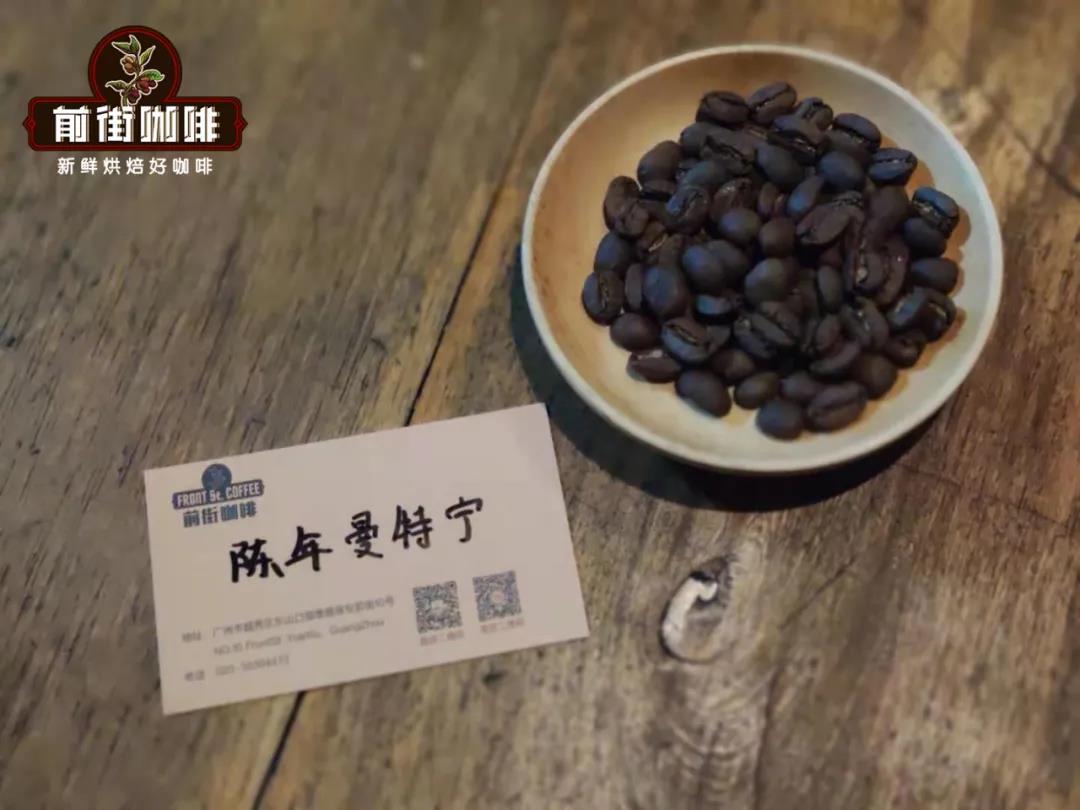
FrontStreet Coffee would also like to share a brewing method for Mandheling, demonstrated with Aged Mandheling. Its processing differs slightly from the other Mandheling varieties: Aged Mandheling is stored for a much longer period, much like aging fine wine. The green beans are held in storage for two to three years, during which their acidity fades and gradually converts to sweetness, while the beans' color deepens to a yellowish-brown or dark brown that makes them highly recognizable. This gives Aged Mandheling the richest body of all. Its biggest difference from other Mandhelings is lower acidity combined with very high sweetness and body. Compared with traditional Mandheling, its cup is less wild and more refined and rounded, with a mature, composed character. It shows low acidity and flavors of ripe pu-erh tea, caramel, herbs, and chocolate, backed by abundant sweetness.
Detailed Brewing Instructions
FrontStreet Coffee uses a medium-dark roast to highlight Mandheling's distinctive flavor. The brewing parameters for this Lintong Mandheling are: KONO dripper, 88°C water temperature, 15g dose of coffee, and a 1:15 coffee-to-water ratio. FrontStreet Coffee uses its usual three-stage pouring method - a very simple pour-over approach that anyone can easily learn at home to brew a simple yet delicious cup.
First, prepare the necessary equipment, then follow along. Step one: start with 30g of water for blooming. Don't pour too hard, or you will scatter the grounds and defeat the purpose of blooming. The 30g pour should take exactly 10 seconds, then wait 20 seconds. Once the total time reaches 30 seconds, move on to the second step.
Then, using a small water flow, pour slowly in a circular motion from the center outward until you reach 125g of water, which should bring the total time to about one minute. After the coffee bed settles, you can pour again.
Step three is a second pour. When the total water weight reaches 225g, the time should be approximately two minutes - at that point, stop pouring. Wait until all the coffee has drained through the dripper into the server below, then remove the dripper.
But we're not finished yet! The final step is to gently swirl the server to even out the brew's strength. Then you can enjoy a delicious cup of coffee!
For more specialty coffee beans, please add FrontStreet Coffee on private WeChat, ID: kaixinguoguo0925
FrontStreet Coffee Recommendation
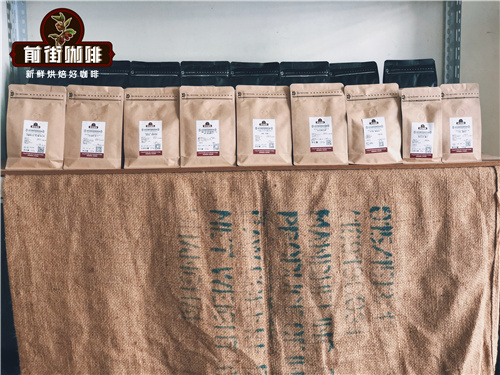
If this introduction has whetted your appetite for Indonesian coffee, the bean FrontStreet Coffee recommends most highly is our PWN Golden Mandheling. Golden Mandheling is the flagship product of PWN, an Indonesian company that buys high-quality Mandheling green beans and grades them with extremely strict standards: based on beans of 18 mesh and larger, each 300-gram sample of green beans must contain fewer than 3 defective beans to meet the top G1 grade, followed by three rounds of manual hand-sorting. The result is exceptional cleanliness and sweetness - which is why genuine PWN Golden Mandheling is produced in limited quantities and mostly supplied to the Japanese and American markets, leaving very little for other buyers. That is also why FrontStreet Coffee displays the PWN certificates and the jute bags bearing the PWN mark in its product listings: it is the clearest proof distinguishing our Golden Mandheling from impostors.
The traditional Mandheling heartland lies around Lake Toba in North Sumatra's Lintong region, where a wide variety of plants grow at well-suited altitudes; combined with wet hulling and the local microorganisms that develop aroma during fermentation, this terroir produces Mandheling's mysterious signature: intense fragrance, heavy body, and strong, rustic flavor. If you want to taste that wild side, FrontStreet Coffee's Lintong Mandheling - our everyday house bean - is fragrant and full, bittersweet and striking on the palate, with clove and woody aromatics; its medium-dark roast keeps acidity low and brings out spicy, minty notes and a powerful, lasting sweetness.
As for brewing, FrontStreet Coffee recommends pour-over for Golden Mandheling: 87-88°C water, 15 grams of coffee, a 1:15 water ratio, and a grind size like coarse sugar. Pour in three stages - a 30ml bloom to saturate the grounds and let them degas, then 100ml to lift the bed and bring out the golden crema, then a final gentle 95ml center pour to boost sweetness. The cup shows a thick, syrupy body with caramel sweetness and chocolate and nut notes. Mandheling also shines as espresso: FrontStreet Coffee's classic house blend adds medium-dark Mandheling to a Brazilian base of creamy nut flavors, delivering butter, roasted chestnut, and caramel with sandalwood, herbal, and spice accents, plus a touch of Robusta for extra crema - ideal for lattes, latte art, or a layered Dirty.
Important Notice :
FrontStreet Coffee is a long-established specialty coffee roaster in Guangzhou China, selling freshly roasted beans from its own farm in Yunnan as well as dozens of carefully selected single-origin beans from around the world for both pour-over and espresso. The products deliver consistently excellent quality and great value, with shipping within 24 hours. Guangzhou's FrontStreet Coffee shop is recommended by many coffee lovers, and the beans are now available online at the Tmall 。
FrontStreet Coffee has moved to a new address:
FrontStreet Coffee Address: 315,Donghua East Road,GuangZhou
Tel:020 38364473
 Scan and follow the En Gafei WeChat official account. Please indicate that the reprint comes from "En Gafei".