Coffee Cherry Natural, Honey, Washed, Semi-Washed, Barrel Fermentation, Fruit Mucilage Fermentation Processing Methods
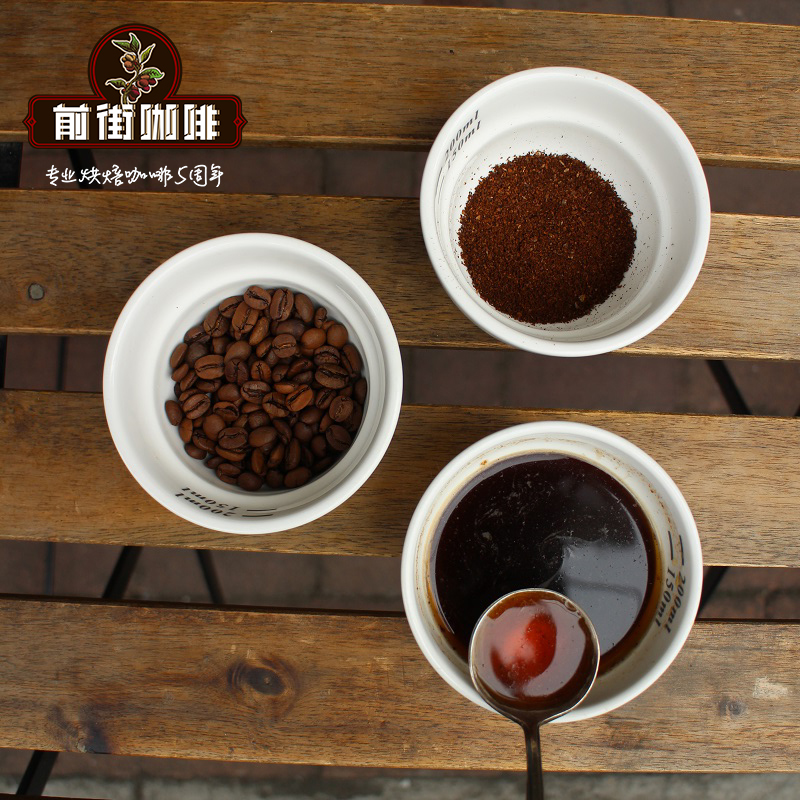
FrontStreet Coffee · Differences Between Coffee Cherry Natural, Honey, Washed, Semi-Washed, Oak Barrel Fermentation, and Fruit Pulp Infusion Fermentation Processing
While coffee is still growing on the tree with its skin and pulp intact, it is called a "coffee cherry." Coffee beans use only the seed in the middle. The process of removing the outer skin, pulp, and mucilage after harvest is called "green bean processing."
Coffee cherries ferment during the drying process, and fermentation is the moment when the beans undergo chemical changes that generate more flavor. From past to present, coffee factories have kept trying different fermentation techniques: controlling the fermentation bacteria (anaerobic fermentation), adding raw materials to feed the strains, using different sugar sources and sugar concentrations, and employing substances such as fruit pulp, cola, and alcohol to shift the fermentation bacteria and create different flavors. Adding cola, for example, is said to produce cardamom and cinnamon flavors. Adjusting flavor from the processing stage onward is an emerging technique that many coffee professionals are still researching and analyzing in detail.
Natural Process Coffee
Natural Method
Coffee cherries are poured into large water tanks, where buoyancy is used to float off inferior beans. The good fruit is then scooped out and spread flat for sun drying. Finally, a hulling machine removes the dried fruit skin and mucilage.
Flavor description: Because fermentation happens with the whole fruit still attached, the fermented character is the most obvious part of the cup.
Representative coffee: FrontStreet Coffee's Yirgacheffe Natural Red Cherry, FrontStreet Coffee's Sidamo Natural Flower Queen, etc.
Washed Coffee
Washed Method
As with the natural method, the cherries are soaked in water to float off inferior beans. Then a machine removes the fruit skin and pulp, and the beans are placed in water tanks. Fermentation dissolves the mucilage, and finally the beans are machine-dried.
Flavor description: Compared with natural beans, the cup is cleaner and more refreshing.
Representative coffee: FrontStreet Coffee's Jamaica Washed Blue Mountain No. 1, FrontStreet Coffee's Yirgacheffe Washed Gedeb, FrontStreet Coffee's Kenya Small Tomato, etc.
Honey processing is a compromise between the natural and washed methods.
Honey Process
What is commonly called the "semi-natural method" or "semi-washed method" can be considered a type of honey processing. Honey processing is a middle path between the two: the fruit skin is removed before sun drying, but the pulp and mucilage layer are kept. After drying, machines remove the sticky layer and the silver skin.
Flavor description: The mucilage is sticky like honey, and that is what gives honey-processed coffee its higher sweetness and fuller flavor.
Representative coffee: FrontStreet Coffee's Costa Rica Canet Estate Musician Series Mozart, FrontStreet Coffee's Costa Rica Canet Estate Musician Bach, etc.
Green beans are soaked in oak barrels, letting them take on the flavors of the oak.
Creative "Flavor-Infused" Green Bean Processing Methods
Washed Oak Barrel Fermentation Processing
The front end is similar to washed processing, except that instead of being placed in water tanks, the green beans are soaked in oak barrels so they absorb the flavors of the oak. (When production scaled up, wood chips or alcohol were sometimes used in place of oak barrels.)
Flavor description: Candied fruit, brandy, and toffee flavors.
Representative coffee: FrontStreet Coffee's Honduras Sherry, FrontStreet Coffee's Honduras Lychee Orchid, etc.
Mango Pulp Infusion Fermentation Processing
During the stage when the green beans would go into the water tanks, fruit pulp is added instead to steer the fermentation flavors. This can add floral, passion fruit, lychee, and other tropical fruit notes to the beans. Depending on which fruits are added, of course, you can create different variations.
Flavor description: Tropical fruit flavors.
FrontStreet Coffee Recommendation
If this piece has you curious about washed coffee in particular, it's worth knowing what the method actually does to a bean. Soaking the beans in water triggers chemical changes that consume much of their simple sugar — fructose and glucose — while increasing various organic acids. The result is lower sugar but more acidity, which is why washed coffees tend to keep more of the bean's own aroma while tasting bright, clean, and fresh.
FrontStreet Coffee's Yirgacheffe Gedeb cooperative coffee is a textbook example. The smallholder farmers around Gedeb send their cherries to a shared cooperative for processing, and the washed method there draws out jasmine florals and bright citrus acidity; roasted medium-light, it opens into green tea and honey notes and works well as pour-over, cold brew, or espresso. For something more fruit-forward, FrontStreet Kenya Small Tomato is a double-washed Kenyan that pushes the juice to the extreme — try it for cherry tomato, smoked plum, snow pear, and black plum aromas over a sweet-tart, juicy body.
And if you want the most classic washed cup of all, FrontStreet Jamaica Blue Mountain No. 1 is the reference point. Jamaica's island climate brings shorter sunshine hours than most origins, so washed processing — which removes the skin, pulp, and mucilage before drying — was adopted to cut moisture and shorten drying time, producing bright, low-defect beans. Brewed, it shows hazelnut, cream, chocolate, and caramel with an even, balanced body in which no single note dominates or goes missing.
Important Notice :
FrontStreet Coffee is a long-established specialty coffee roaster in Guangzhou China, selling freshly roasted beans from its own farm in Yunnan as well as dozens of carefully selected single-origin beans from around the world for both pour-over and espresso. The products deliver consistently excellent quality and great value, with shipping within 24 hours. Guangzhou's FrontStreet Coffee shop is recommended by many coffee lovers, and the beans are now available online at the Tmall 。
FrontStreet Coffee has moved to a new address:
FrontStreet Coffee Address: 315,Donghua East Road,GuangZhou
Tel:020 38364473
 Scan and follow the En Gafei WeChat official account. Please indicate that the reprint comes from "En Gafei".