Where to Buy Coffee Beans: Recommended Retail and Wholesale Brands, and Tips for Purchasing
When preparing to open a coffee shop, there are always one or two headaches. For example: where should independent coffee shops buy their coffee beans? What types of coffee beans suit community coffee shops? Are there recommended brand stores that wholesale and retail coffee beans? Where can you buy authentic coffee beans? And what should beginners watch out for when selecting beans for their shop?
Today's article addresses these questions one by one.
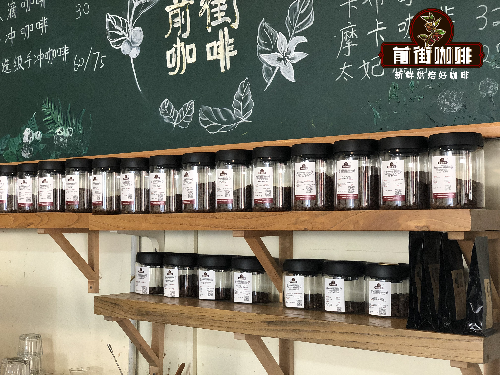
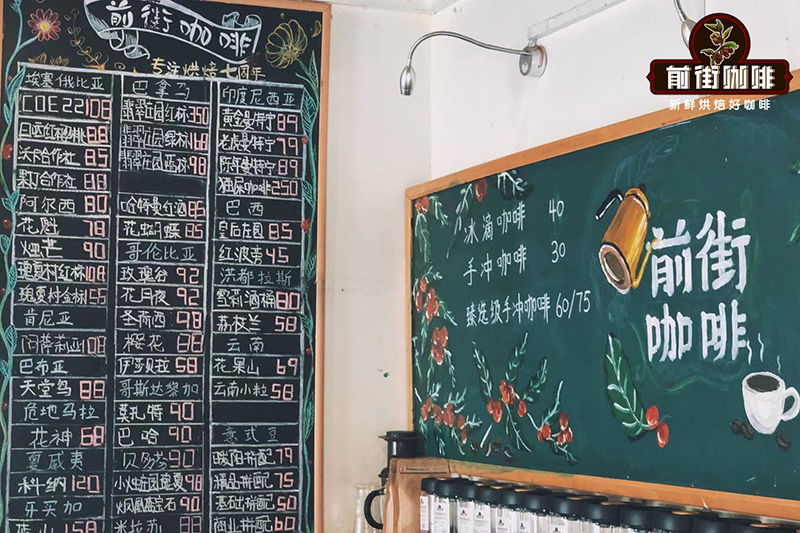
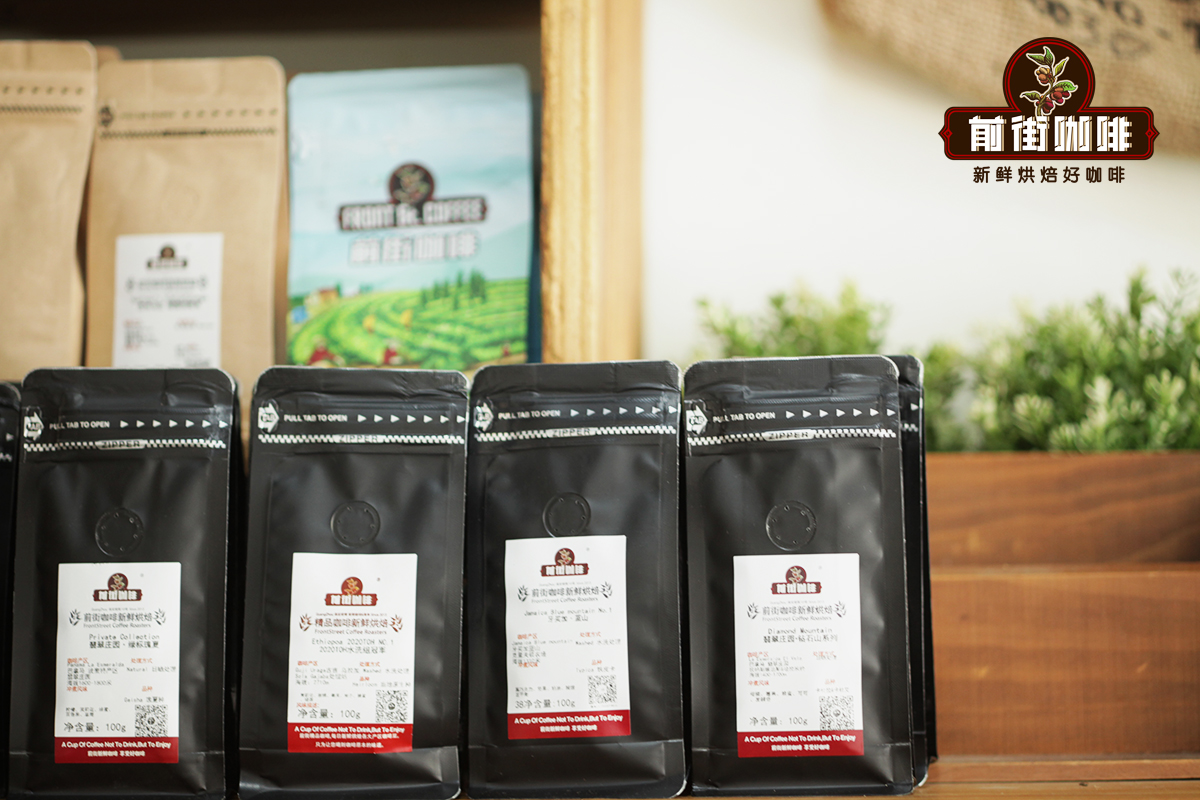
On FrontStreet Coffee's bean menu, besides more than 50 varieties of specialty coffee beans, there are also 4 types of espresso beans hidden among them. Next time you look through the list, take a closer look.
FrontStreet Coffee · Specialty Coffee Bean Introduction
Through careful daily observation, FrontStreet Coffee found that their washed Yirgacheffe coffee beans, with lemon-like acidity, are the beans customers buy most often.
Ethiopian Yirgacheffe coffee beans are world-renowned, so much so that when people mention "fresh, pleasant specialty coffee with noticeable acidity," Yirgacheffe is the first thing that comes to mind.
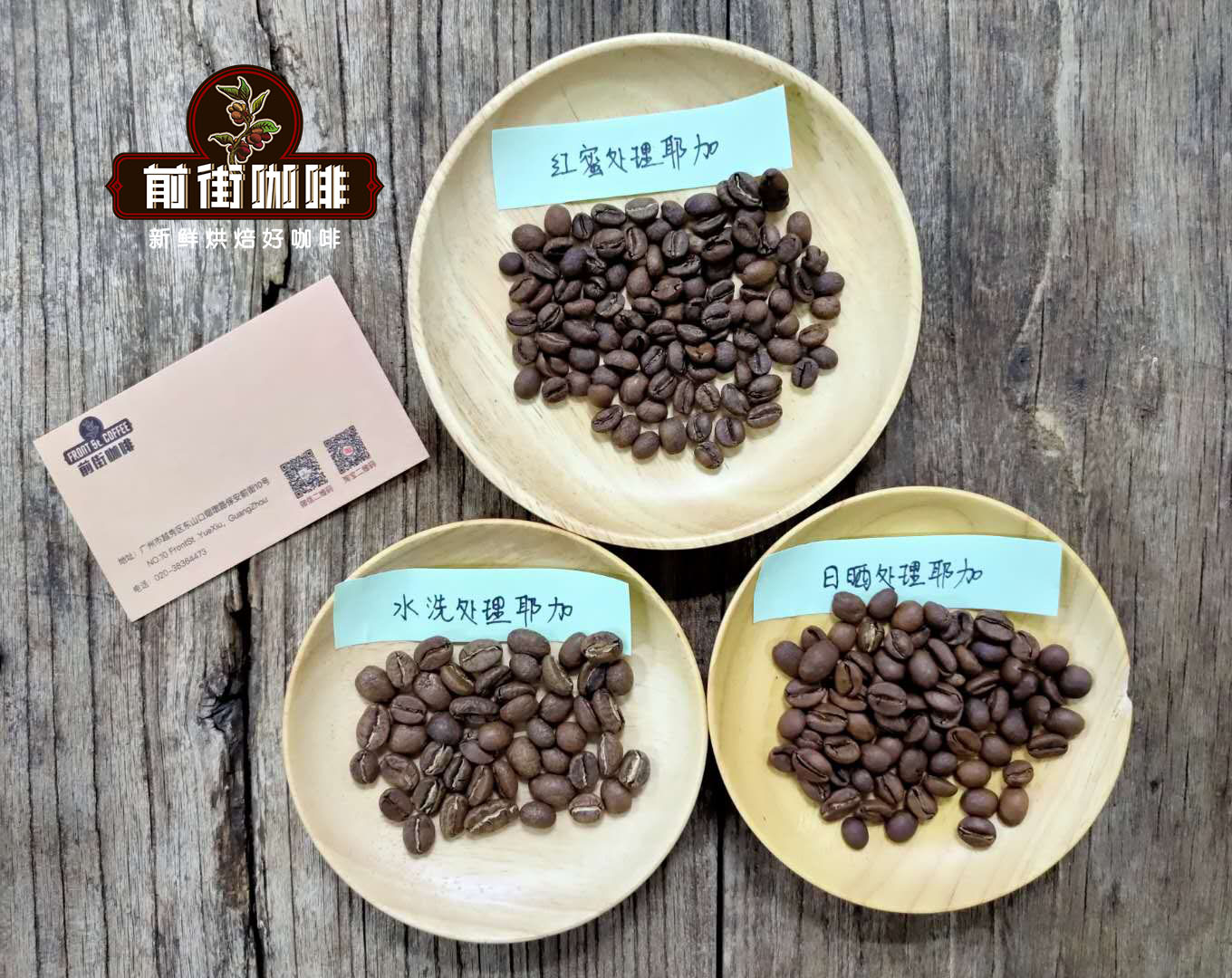
FrontStreet Coffee's washed Yirgacheffe beans are exceptionally fresh. Whether sold online or in physical stores, the roasting date for all coffee beans is uniformly controlled within 5 days, giving consumers the highest quality assurance. Regular customers have probably noticed that coffee beans ordered online often arrive the very next day, because FrontStreet Coffee specifically chose next-day delivery to get freshly roasted beans to you as quickly as possible.
Since we are discussing Yirgacheffe coffee beans, let us briefly introduce two beans from this region.
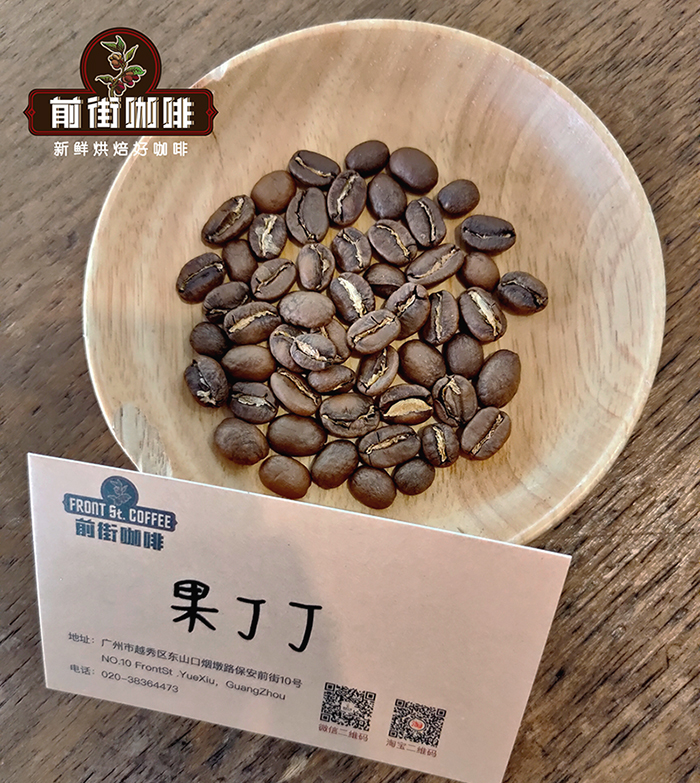
FrontStreet Coffee · Ethiopia Gedding Coffee Beans
Region: Yirgacheffe, Gedeo Zone
Altitude: 1900-2300m
Variety: Heirloom
Processing: Washed
FrontStreet Coffee · Ethiopia Gedding Coffee Beans Flavor Description
When hot, it presents berry, cream, honey, citrus, and a juice-like mouthfeel with bright acidity. As the temperature cools slightly, it reveals berries, cream, smoothness, and citrus notes.
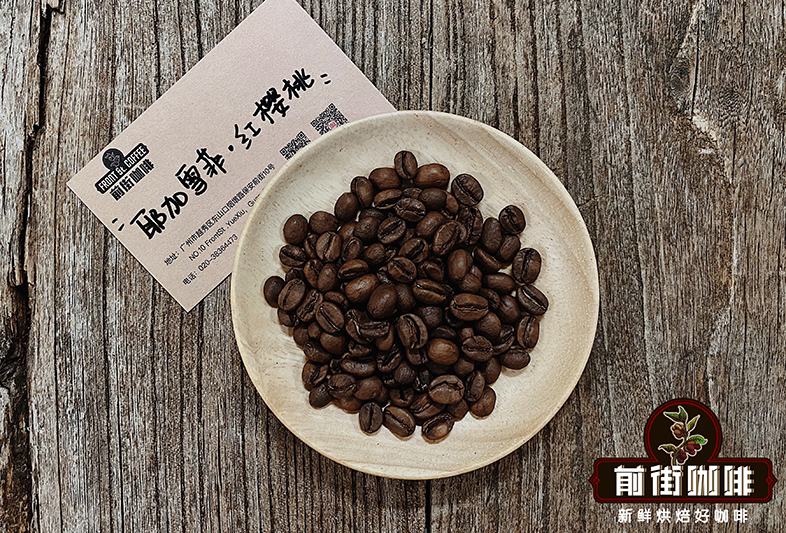
FrontStreet Coffee · Yirgacheffe Aletaland Cooperative Red Cherry Coffee Beans
Country: Ethiopia
Region: Yirgacheffe
Processing Station: Aletaland
Altitude: 2300m
Variety: Local heirloom
Processing: Natural
Grade: G1
FrontStreet Coffee · Yirgacheffe Aletaland Cooperative Red Cherry Coffee Beans Flavor Description
Lemon, citrus, berries, and sweet orange, with overall high sweetness. The aftertaste features caramel and cream flavours, with a tea-like aroma in the finish.
You might ask, "Besides Yirgacheffe coffee beans, what other coffee beans does FrontStreet Coffee recommend?" Without a doubt, there is FrontStreet Coffee's most popular product, Honduras Sherry coffee beans.
The whisky flavour and rich vanilla-cream mouthfeel leave a deep and unforgettable impression. This Sherry coffee acquires its distinctive flavours through barrel fermentation.
Honduran coffee beans are known for their balanced flavour. They can be used both for blending and as a single-origin pour-over. Within Honduras alone there are six major coffee-producing regions.
Before listing new beans, FrontStreet Coffee conducts extensive research on coffee-producing regions. Through multiple adjustments to roasting curves and evaluation by cupping and pour-over testing, FrontStreet Coffee ensures that each coffee bean truly represents its regional flavour characteristics and achieves optimal taste before it is added to the menu.
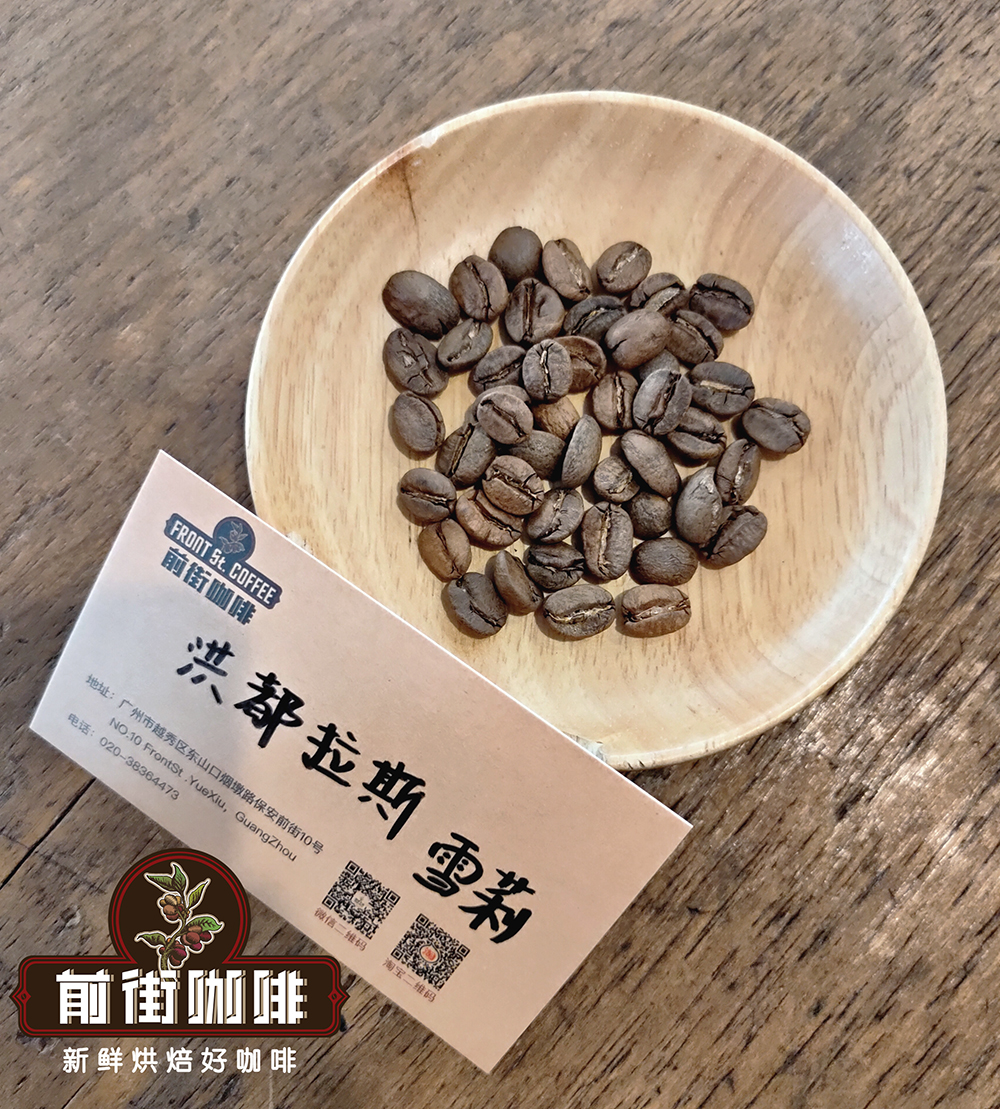
FrontStreet Coffee · Honduras Sherry Coffee Beans
Country: Honduras
Region: Marcala
Estate: Moca Estate
Altitude: 1500-1700m
Varieties: Caturra, Catuai, Pacas
Processing: Fine washed whisky sherry barrel fermentation
FrontStreet Coffee · Honduras Sherry Coffee Beans Flavor Description
Aroma of distinct vanilla and cream, with whisky, berry, almond, and dark chocolate flavours. The aftertaste has maple-like sweetness.
In addition, FrontStreet Coffee's Indonesia PWN Gold Mandheling has also received considerable favour from customers.
FrontStreet Coffee's Indonesia PWN Gold Mandheling is 18 screen size and above, with fewer than 3 defective beans in a 300 g green bean sample, placing it in the highest G1 grade. The colour is dark green, with uniform flat bean shapes. After strict selection, the Gold Mandheling not only eliminates the characteristic earthy impurities of regular Mandheling but tastes cleaner and brighter, with more intense sweetness.
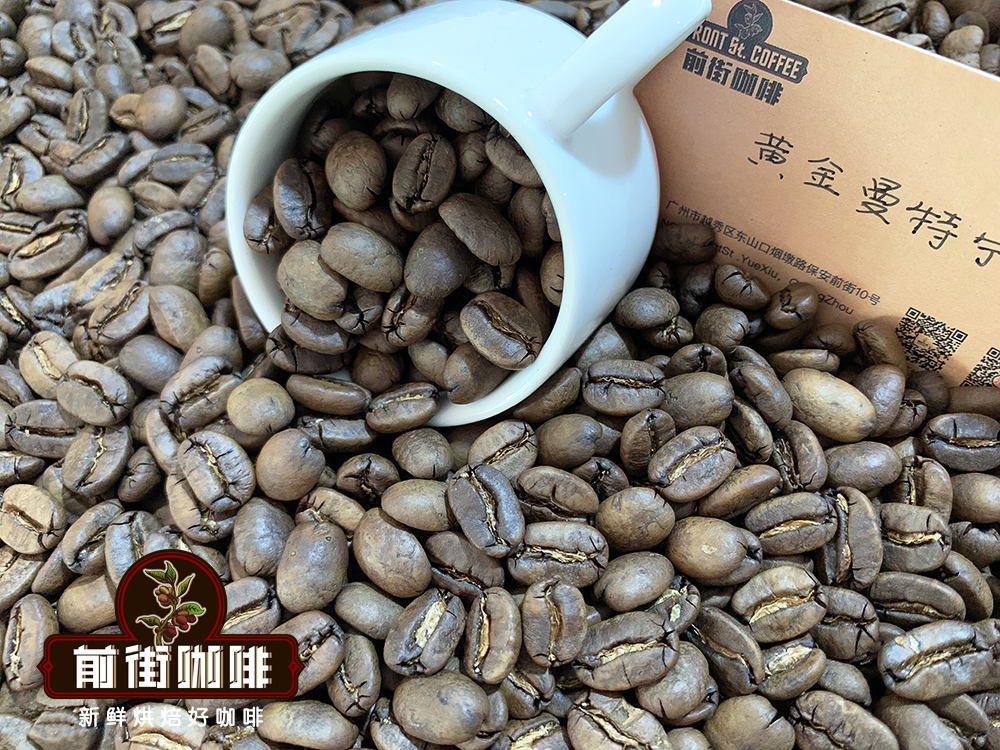
It was not a Japanese company, however, that first registered "Gold Mandheling" as a trademark, but rather the local Indonesian company PWN (Pwani Coffee Company), which previously cooperated with Japanese companies to export Mandheling coffee beans.
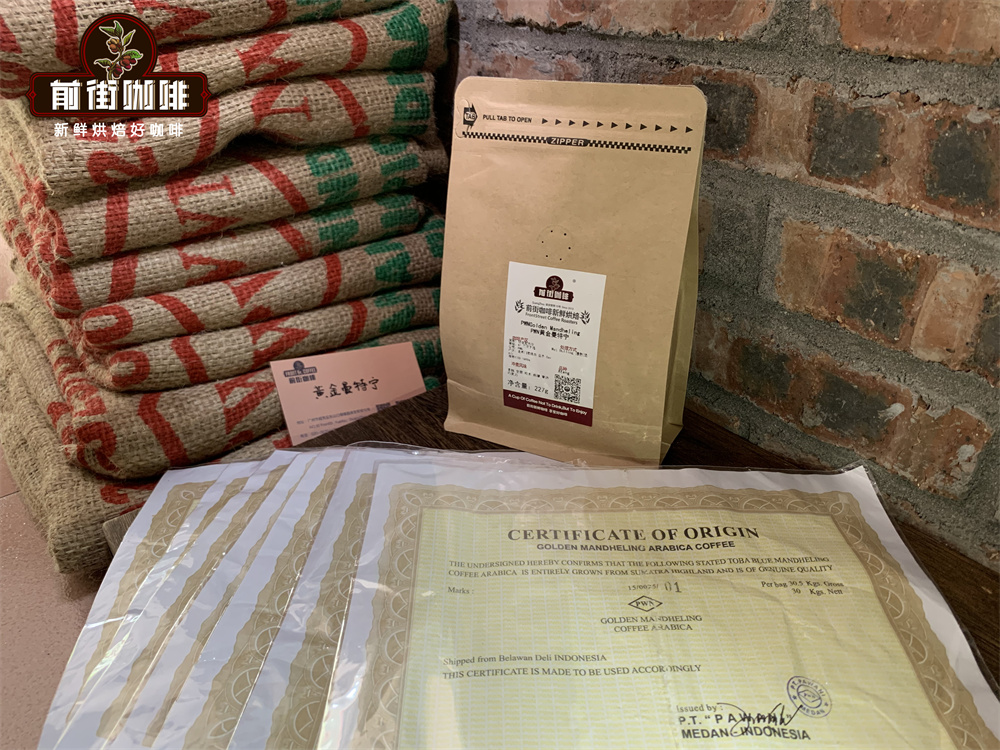
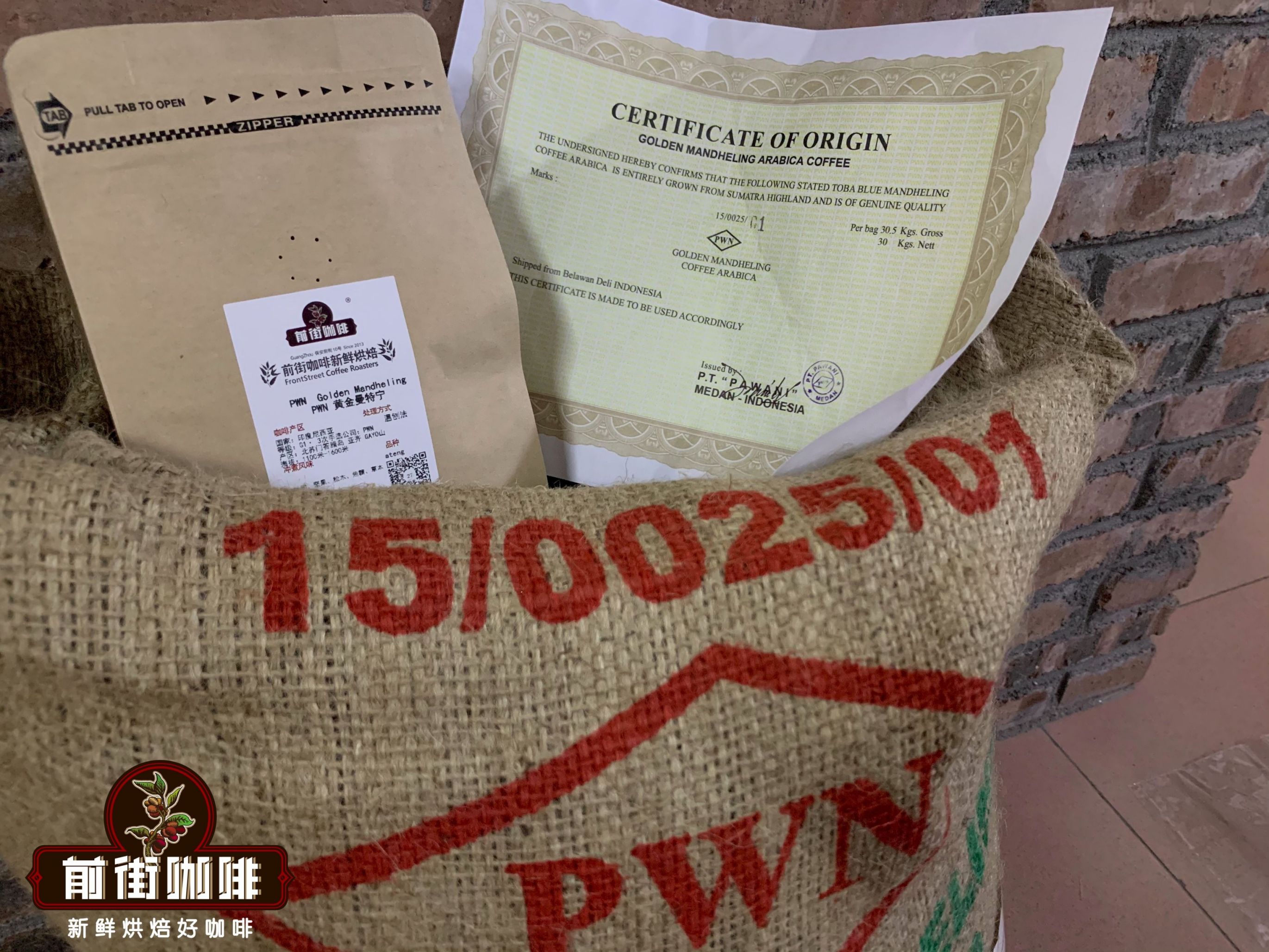
The Japanese company registered "Gold Top Mandheling", which is Ding Shang Gold Mandheling. In terms of flavour, there is little difference between the two. Due to different brands and marketing strategies, public perception may vary, so which of the two Gold Mandhelings is superior is a matter of personal preference.
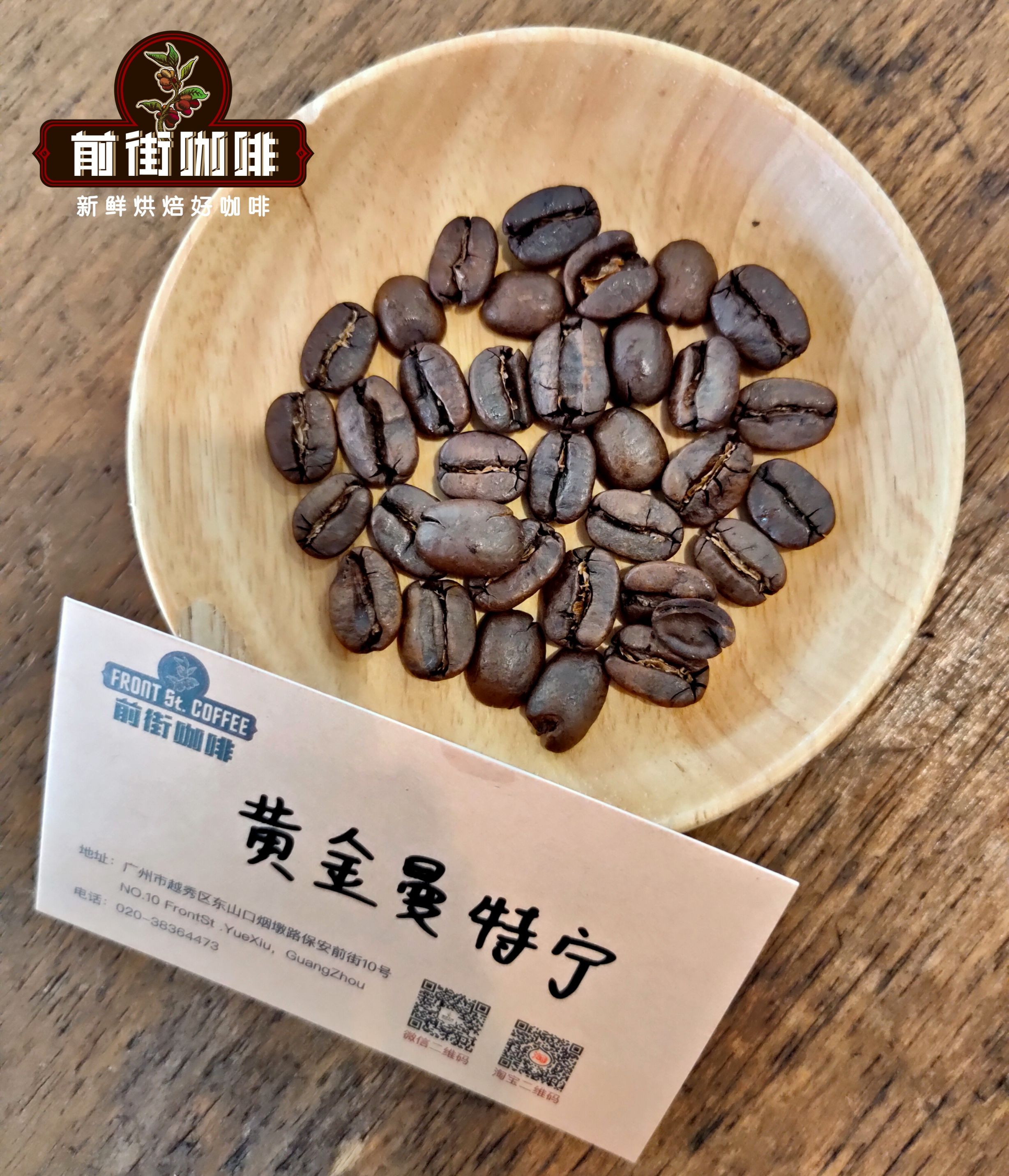
FrontStreet Coffee · PWN Gold Mandheling Coffee Beans
Region: Aceh Gayo Highlands, Sumatra
Altitude: 1100-1600 meters
Variety: Ateng
Grade: G1, triple hand-sorted
Processing: Wet-hulled
FrontStreet Coffee · PWN Gold Mandheling Coffee Beans Flavor Description
Spices, herbal notes, caramel, pine, nuts, and chocolate: multi-layered, thick and clean, well balanced, with rich nut and caramel aromas, chocolate notes, and a persistent finish.
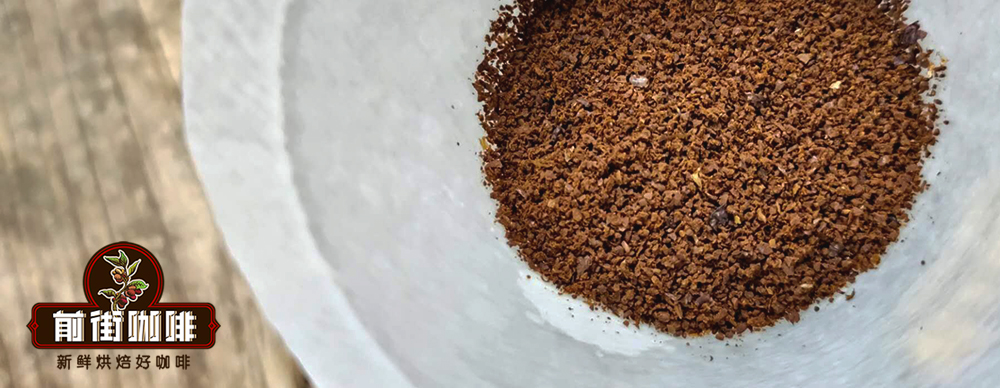
FrontStreet Coffee · PWN Gold Mandheling Coffee Beans Brewing Parameters
Dripper: Kono dripper
Water temperature: 88°C
Dose: 15g
Ratio: 1:15
Grind: 70-75% through a #20 standard sieve
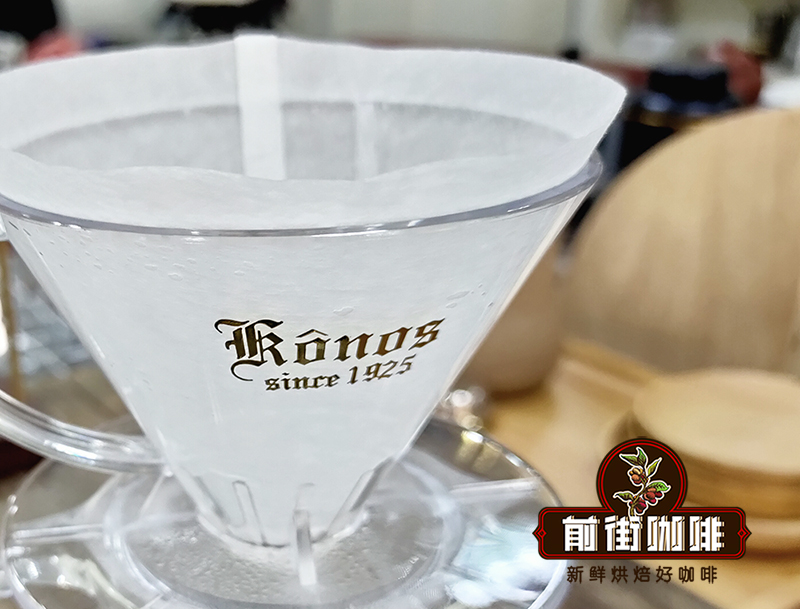
Reason for choosing the Kono dripper: the Kono has few ribs, located at the bottom, which makes the filter paper stick closely to the dripper, restricting airflow and increasing contact time between water and coffee grounds. This allows for full extraction and enhances body.
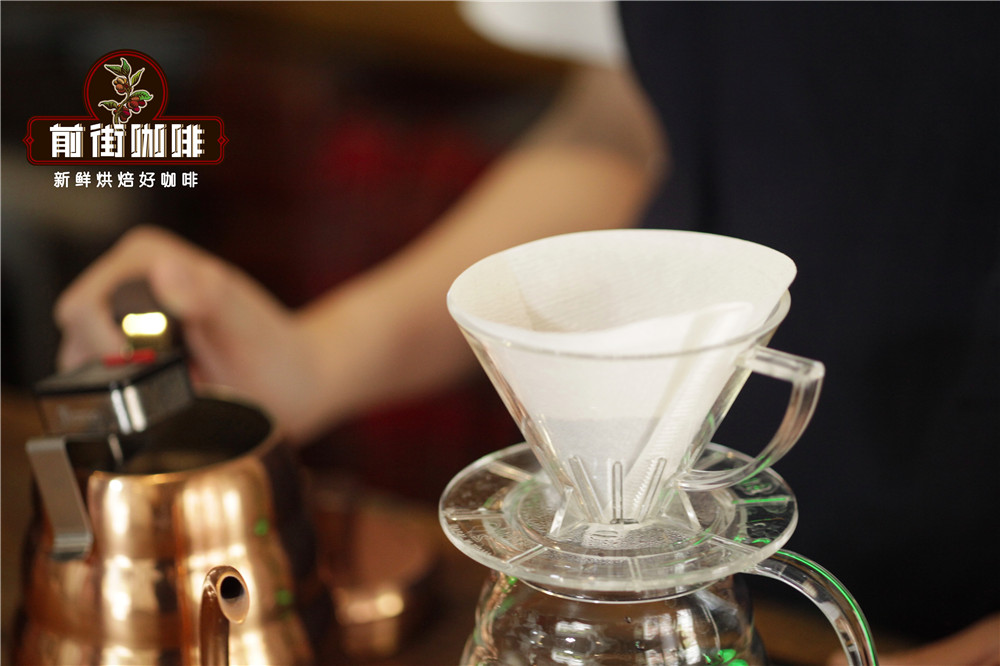
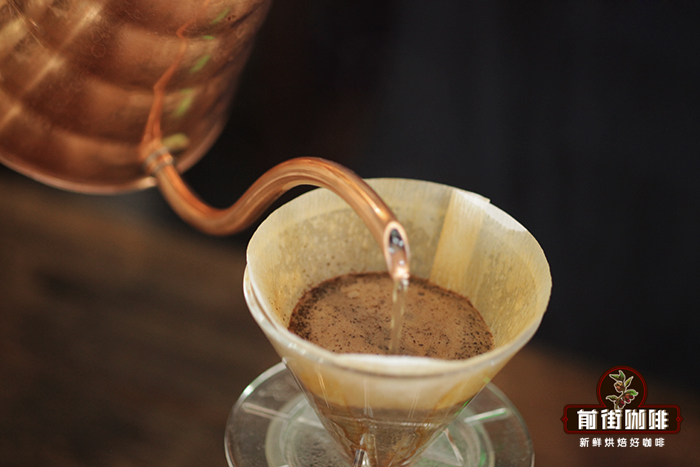
FrontStreet Coffee uses segmented extraction. Start with 30 g of water for a 30-second bloom, then continue pouring in small circles to 125 g for the first segment. When the water level drops to just before exposing the coffee bed, continue pouring to 225 g and stop. When the water level drops to just before exposing the coffee bed again, remove the dripper. Total extraction time is 2:00 from the start of the bloom.
FrontStreet Coffee · Espresso Blend Coffee Beans Detailed Introduction (Including Specific Recipes)
What are blended coffee beans? Blended beans mix coffee beans from several different origins. The purpose of blending is twofold: to create a consistent flavour, and to produce flavours that single-origin coffees do not have. FrontStreet Coffee currently sells several types of espresso beans, all of them blends: Basic Blend, Specialty Blend, Commercial Blend, and Warm Sun Blend.
1/ Basic Blend Espresso Beans
Flavor: Cream, nuts, chocolate
Recipe: 60% Brazilian coffee beans, 40% Yunnan coffee beans
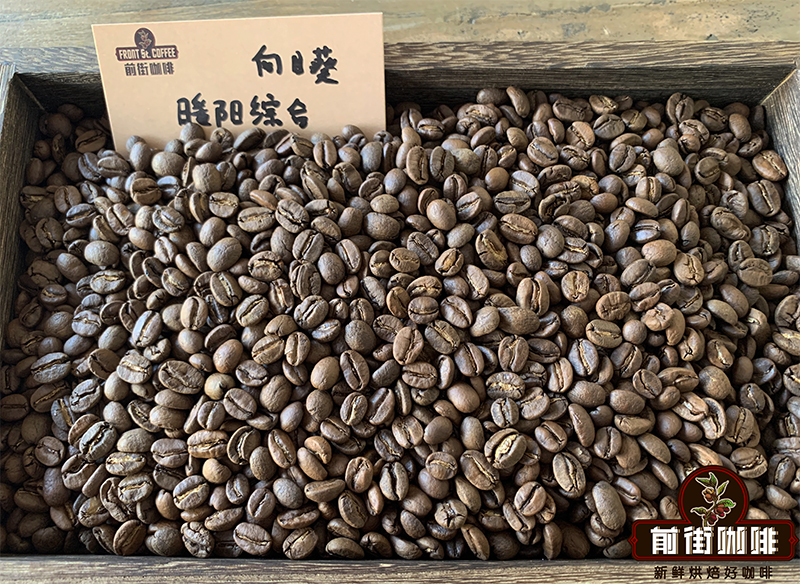
FrontStreet Coffee's basic beans offer excellent value. FrontStreet selects balanced Brazilian beans and blends them with Yunnan beans, which have milder flavours than Brazilian beans. This presents the most mainstream flavour profile: whether you are new to coffee or a seasoned enthusiast, you can easily enjoy this espresso blend.
FrontStreet Coffee uses a medium-dark roast for this blend. As espresso it has slight acidity, a gentle sweetness, and a nutty aftertaste. The overall feeling is smooth and not too intense. The crema is moderate, meeting most cafés' daily requirements for latte production.
As mentioned above, FrontStreet Coffee's specialty espresso beans are very stable and high quality, perfect for independent cafés' daily production. FrontStreet Coffee's basic espresso beans provide a second high-value option.
Café operations cannot do without cost control. Minimising costs while providing stable coffee quality is every operator's wish. FrontStreet Coffee's basic beans are very cost-effective. Brazilian and Yunnan coffee beans were chosen for this blend because both origins lean toward nutty notes, with Brazilian beans giving this basic espresso a more solid texture and rich crema.
2/ Specialty Blend Espresso Beans
Flavor: Mellow, nuts, strong sweetness when mixed with milk
Recipe: 70% Brazilian coffee beans, 30% Colombian coffee beans
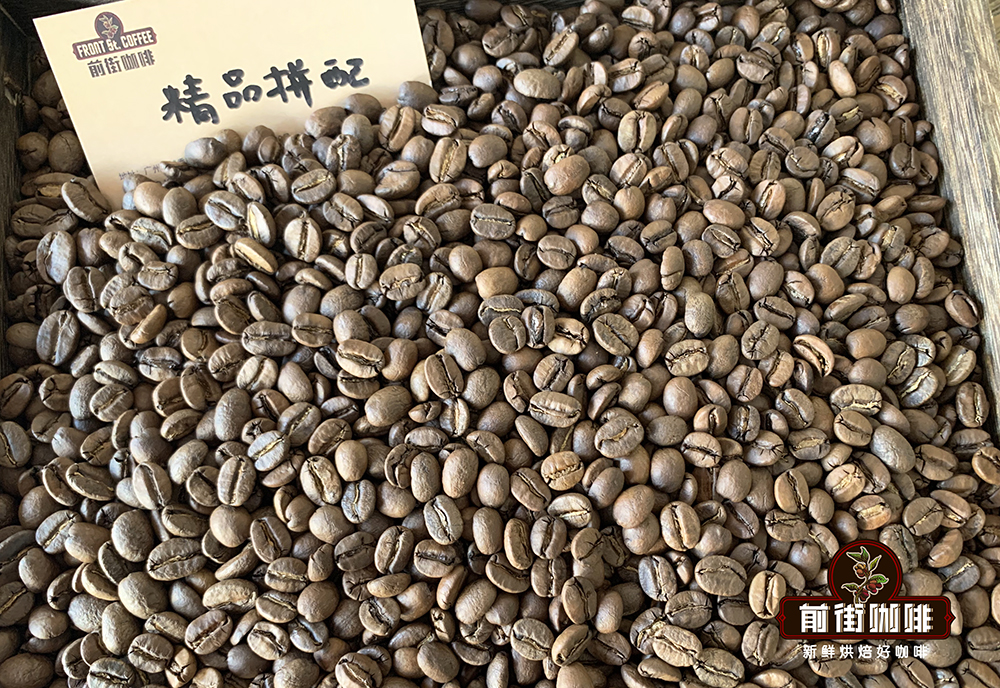
For customers who do not like extreme flavours, do not love single-origin coffee, but pursue coffee quality, this specialty espresso blend is the first choice. FrontStreet Coffee uses a medium-dark roast. It primarily features balanced Brazilian beans, complemented by Colombian beans with gentle fruit acidity and a nutty aftertaste, creating a classic flavour profile.
This blend is what we use in our own shop, and we have used it since about six months after opening. When developing it we wanted to use American beans as the base to enhance the blend's nutty and sweet characteristics, trying to minimise any bitter flavours.
3/ Commercial Blend Espresso Beans
Flavor: Mellow, nuts, strong sweetness when mixed with milk
Recipe: 60% Brazilian coffee beans, 30% Colombian coffee beans, 10% Robusta
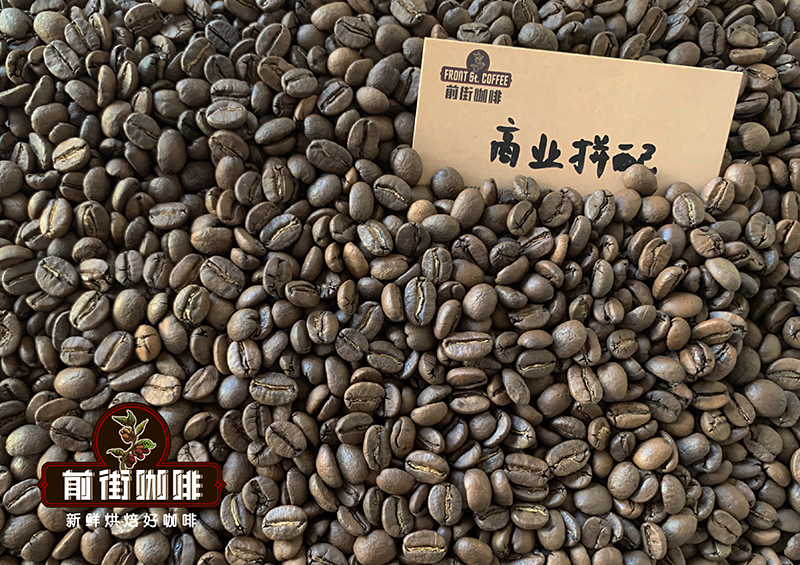
This blend tastes rich, with crema and caramel sweetness plus nut and cocoa-like dark chocolate flavours. It is well balanced between sweet and sour, with slight bitterness and a persistent finish. The addition of a small amount of Robusta coffee beans enhances crema richness, but because the quantity is small it does not change the flavour too much.
FrontStreet Coffee named this blend "Commercial Blend" because it performs well whether making Americanos or milk-based coffee, and because it has a price advantage that makes it very suitable for commercial cafés. The espresso crema is very rich, smooth with slight bitterness, and very full-bodied.
4/ Warm Sun Blend Coffee Beans
Flavor: Dark cocoa, citrus, fermented wine aroma
Recipe: 60% Ethiopia natural red cherry coffee beans, 40% Honduras sherry coffee beans
Besides the specialty and basic blends, FrontStreet Coffee offers a blend with more unique flavour characteristics. FrontStreet Coffee's roasters mixed Honduras sherry barrel coffee beans with natural Yirgacheffe red cherry project coffee beans, developed separate roasting curves for each, and used a 6:4 ratio. Through post-blend roasting they created this blend, named "Warm Sun Blend".
As specialty coffee gradually became popular, FrontStreet Coffee's baristas found during café operations that many customers were no longer satisfied with the stability offered by specialty blends. FrontStreet Coffee reconsidered: perhaps it was time to bring more fresh blends to liven up the café's offerings.
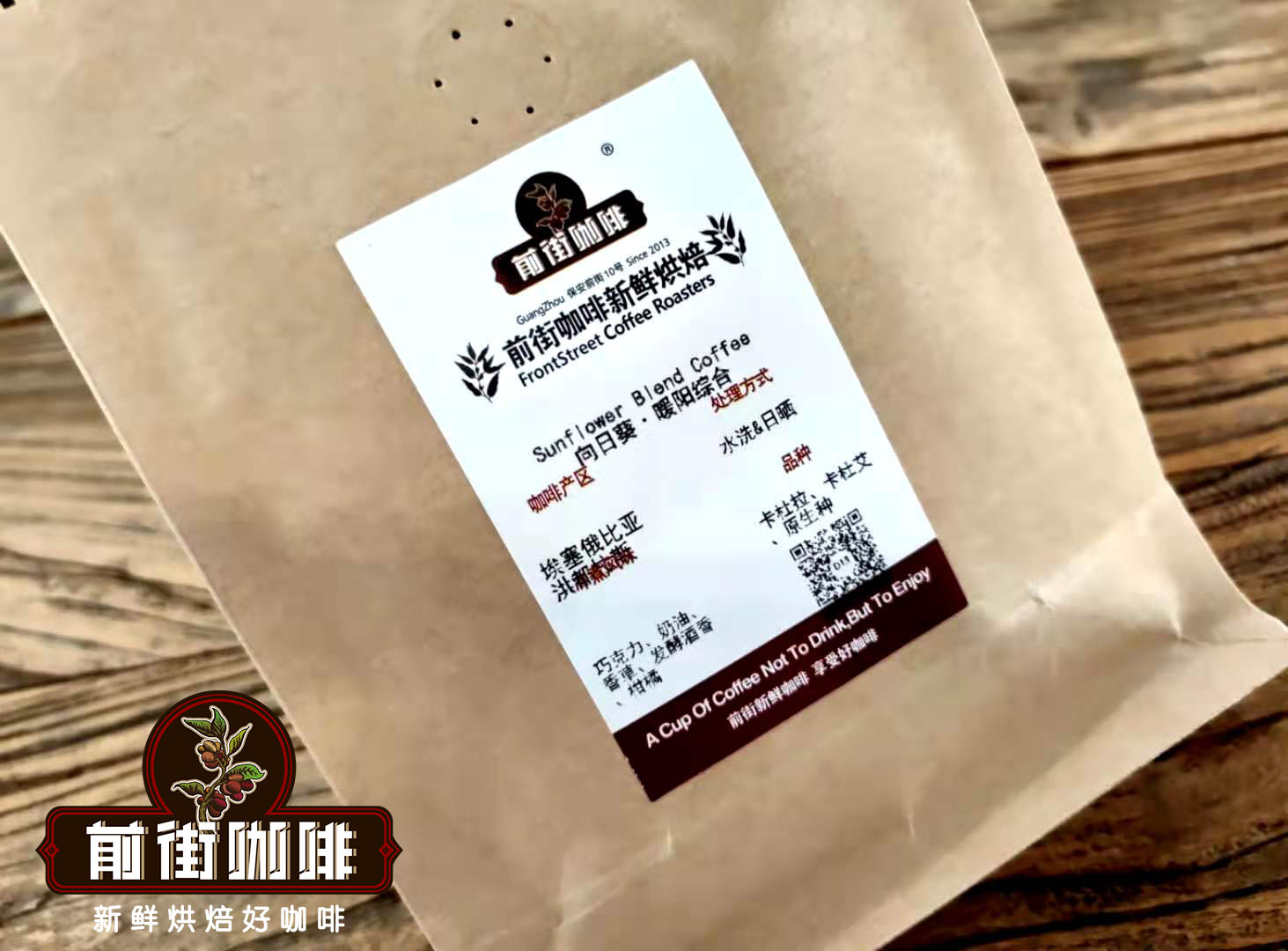
In 2019, after multiple adjustments, this Warm Sun Blend finally made it onto FrontStreet Coffee's menu, replacing the café's specialty blend. FrontStreet Coffee's baristas believe that among these three blends, the specialty blend is for those seeking stability, the basic blend is for high value, and the Warm Sun blend is for flavour preference. With different goals, they naturally suit different customers.
The unique flavour of the Warm Sun Blend comes from its Honduras sherry barrel coffee beans. After partial washing steps, the coffee cherries are placed in sherry barrels for low-temperature fermentation, then finally dried. This processing method gives sherry coffee beans distinct wine aromas. FrontStreet Coffee's roasters mixed in forty percent natural Yirgacheffe coffee beans to provide more acidity, increasing the complexity of the whole blend.
FrontStreet Coffee's café adjusts parameters daily based on bean condition, such as extracting 40 g of coffee liquid from 20 g of coffee grounds, with an extraction time between 26 and 28 seconds. Espresso made with these parameters has medium acidity, medium bitterness, medium body, and is well balanced, with distinct dark cocoa and citrus flavours and a fermented wine aroma in the finish. Made into an Americano, it presents distinct wine-chocolate and citrus acidity; made into a latte, it reveals vanilla cream and liqueur-chocolate flavours.
FrontStreet Coffee · Coffee Knowledge Extended Reading
Richer crema, better latte art.
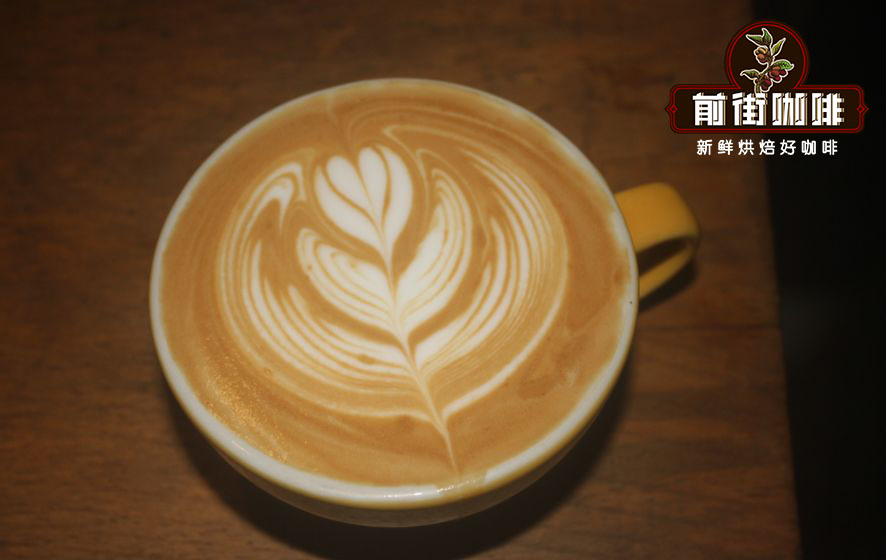
Espresso is the base for making lattes. When making hot lattes, they are often accompanied by beautiful latte art patterns. Fine, rich coffee crema makes latte art easier.
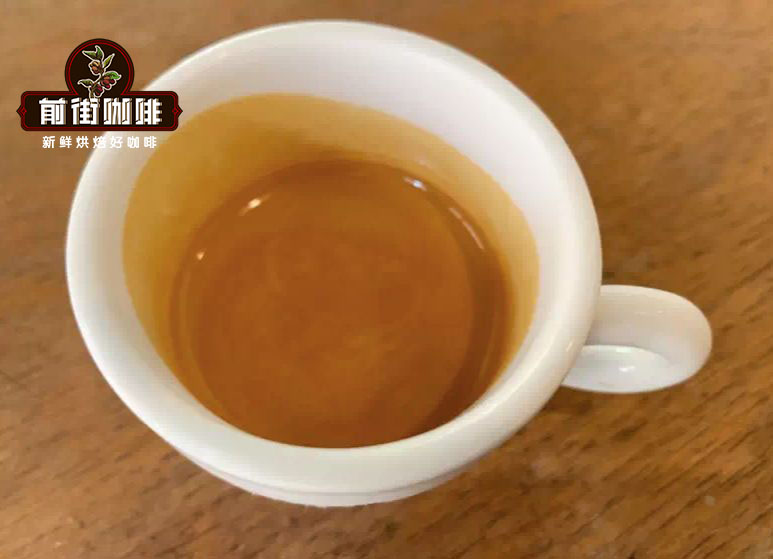
Espresso with good crema can better integrate with milk foam and maintain stability, which greatly affects the detail and shaping of latte art. Although espresso without crema can still be used for latte art, the patterns appear somewhat stiff and rough.
Buying Coffee Beans: Several Things to Note
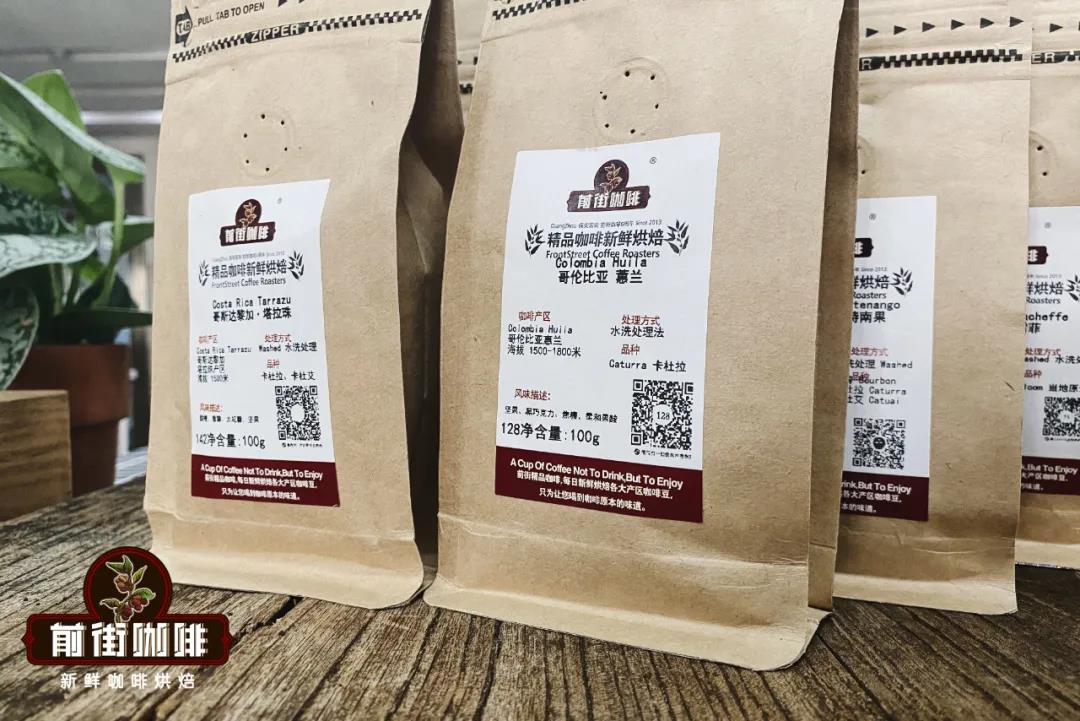
• Roasting (production) date: when buying coffee beans, check the roasting date. FrontStreet Coffee's coffee beans usually have the roasting date printed on the back of the packaging bag.
The optimal tasting period for freshly roasted coffee beans is within 30 days after the degassing period of 4-7 days. After that, flavours fade over time, eventually leaving only woody notes. The first flavours to dissipate are mainly volatile compounds such as floral and fruit aromas, while water-soluble compounds such as sugars, nuts, and chocolate are relatively less volatile.
We therefore generally tell customers that coffee's optimal tasting period runs from day 4 after roasting to day 30. Even after the optimal period, however, it does not mean the coffee cannot be drunk; it simply performs slightly less impressively in flavour.
Here we should emphasise the difference between the optimal tasting period and shelf life. Generally, roasted coffee beans have a shelf life of 6-12 months. So when buying roasted coffee beans, fresher is not always better, and remember not to store them for too long before thinking of drinking them. When buying, check the roasting date to make sure you can finish the bag within a fixed period and avoid waste.
• What do you want: roasted coffee beans or ground coffee? Both have their advantages.
When coffee beans are ground into powder, the aroma begins to diminish and flavour dissipation accelerates. The optimal tasting period for freshly ground coffee powder is therefore within 20 days.
Coffee beans better preserve coffee's flavour compounds, presenting complete flavours when ground and brewed immediately before use; ground coffee is more convenient. For those without grinding equipment, some quality grinders being expensive and bulky, pre-ground coffee is undoubtedly the best choice. Pre-ground coffee, however, causes flavour compounds to dissipate faster and will definitely be inferior in flavour to freshly ground coffee.
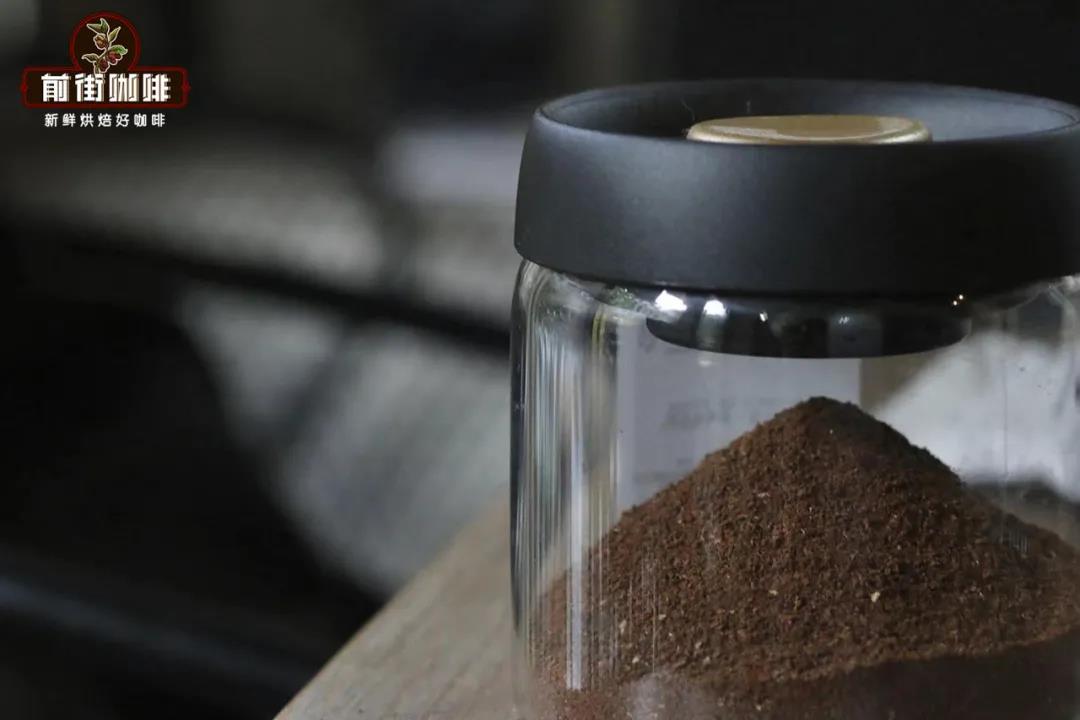
Although pre-ground coffee is convenient, FrontStreet still recommends grinding coffee beans just before brewing. We also suggest buying the next bag only after finishing the current one, because the freshness of coffee beans or coffee powder really matters.
Actually, if you drink coffee regularly or want more refined coffee, you can first equip yourself with a hand grinder or a small electric grinder. Once you have compared pre-ground with freshly ground coffee, you will certainly choose freshly ground when given the choice.
• Extraction method determines coffee bean type: determine how you make coffee.
If you use espresso machines, moka pots, Turkish pots, or other pressurised, heated extraction methods, FrontStreet Coffee suggests choosing espresso beans; if you use pour-over, French press, cold drip, or cold brew, FrontStreet Coffee suggests choosing pour-over single-origin beans.
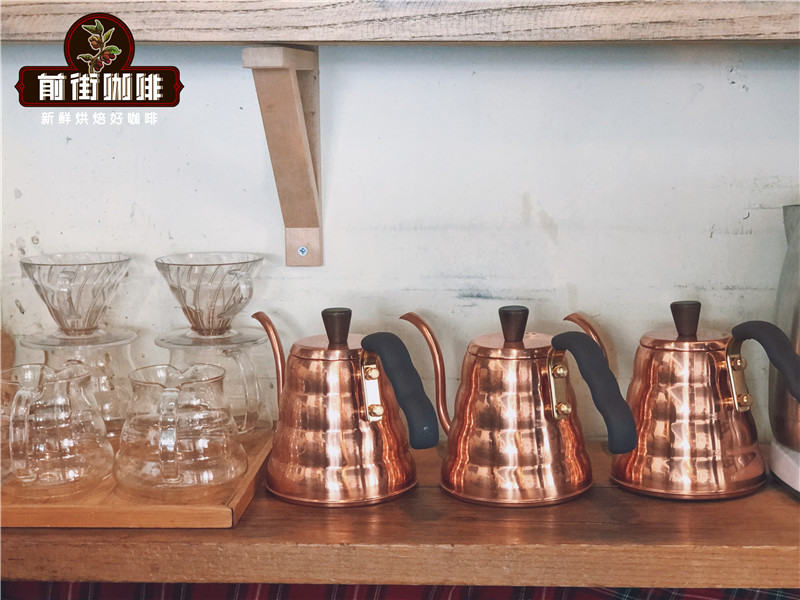
Currently the most common are espresso beans and pour-over beans. It is not that espresso beans cannot be brewed as pour-over, nor that pour-over beans cannot be used in an espresso machine. Every coffee shop creates different roasting curves based on its extraction methods and tools. Espresso beans can perform very well in lattes and Americanos, but may not taste good as a pour-over. Similarly, pour-over beans used for espresso will have the same limitation, so single-origin coffee beans do not necessarily make good espresso.
Reasons to choose FrontStreet Coffee beans?
Reason one: FrontStreet has many types of roasted beans. When running a small café, operators do not actually have many choices for coffee beans. Once the variety of beans in the shop increases but cannot be consumed in time, they become stale, a hurdle small cafés cannot overcome.
Reason two: in practical terms, some operators do not have the conditions to try too many beans, so FrontStreet's wide variety of coffee beans precisely solves the problem for small shops.
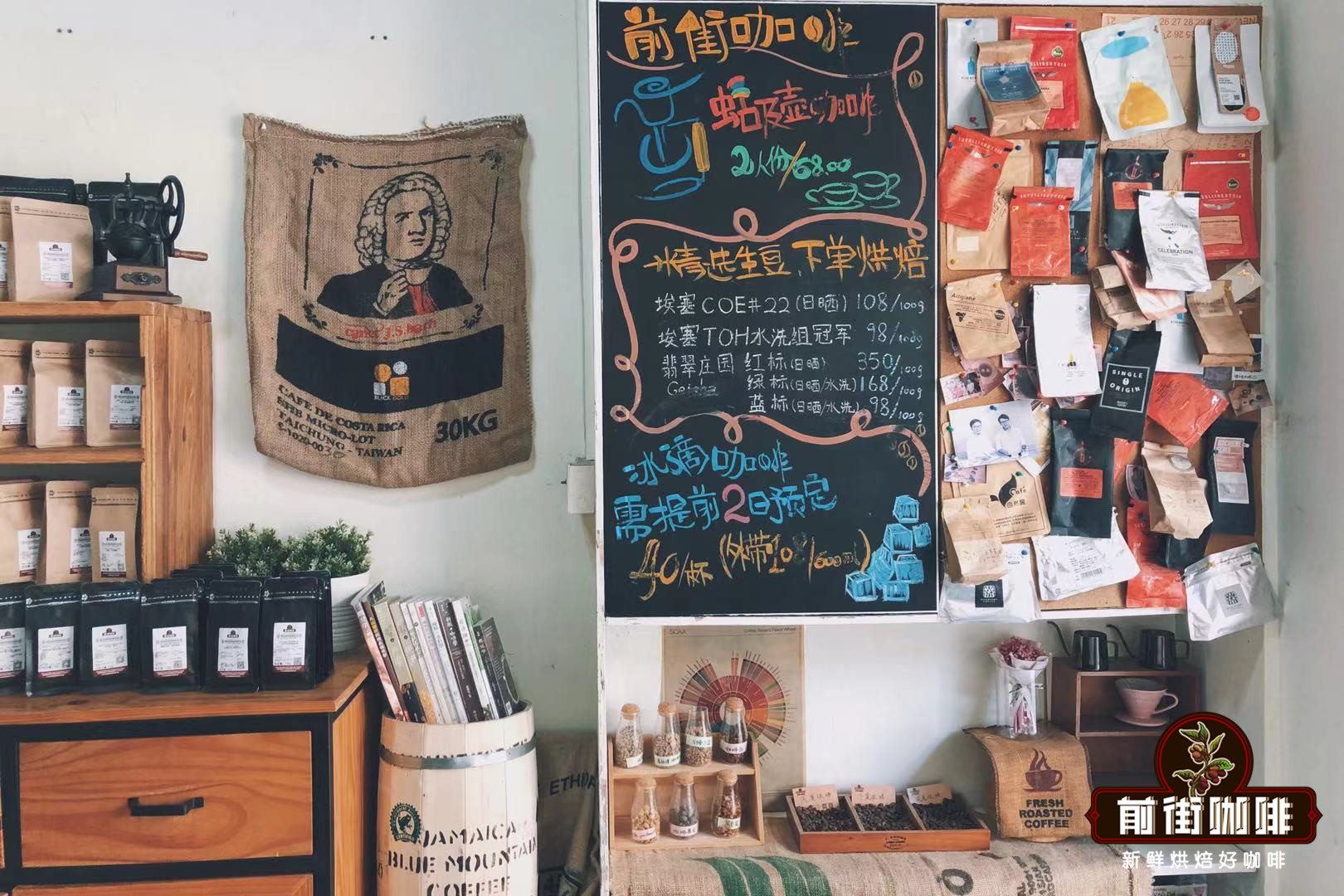
Finding suitable coffee suppliers is crucial for growing a café's coffee business, and establishing trustworthy business partnerships is key. Furthermore, coffee roasting and brewing each have their own professional theories. Let professionals handle professional matters.
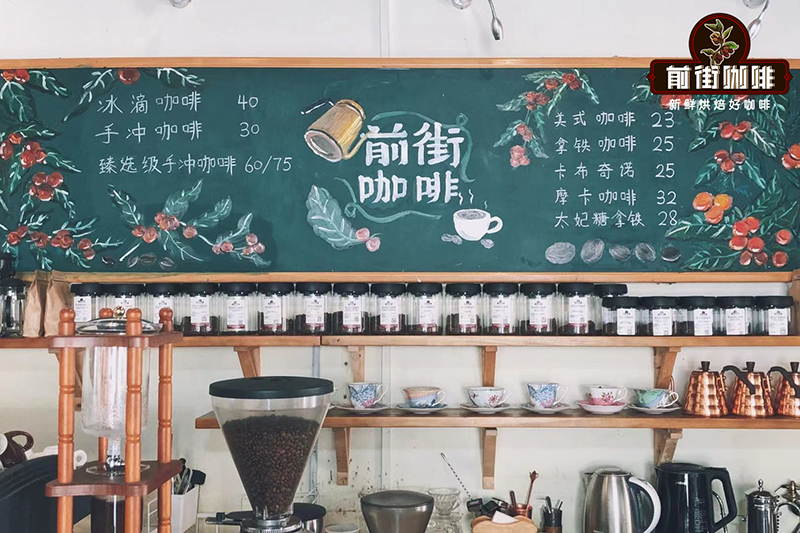
FrontStreet Coffee Recommendation
For anyone choosing beans for a café, the surest starting point is a fresh, dependable single origin, and washed Yirgacheffe is the one customers reach for most. FrontStreet's washed Yirgacheffe, sold with a roasting date always within five days, is known for its white jasmine, bright citrus and lemon acidity, and clean tea-like body, and the FrontStreet Gediding Cooperative lot from the Gedeo Zone at 1,900-2,300 meters layers berries, cream, honey, and juice-like citrus over that brightness. If you want to show a customer what natural processing adds, the FrontStreet natural Red Cherry beans, made from fully ripe cherries dried on raised beds, bring citrus acidity, a berry-juice body, honey sweetness, and creamy smoothness. Yirgacheffe is one of the highest coffee regions in the world, with the town sitting at roughly 1,700-2,100 meters and the trees planted above 1,800 meters, which is exactly why it works as both an everyday pour-over and a signature cup on any menu.
Important Notice :
FrontStreet Coffee is a long-established specialty coffee roaster in Guangzhou China, selling freshly roasted beans from its own farm in Yunnan as well as dozens of carefully selected single-origin beans from around the world for both pour-over and espresso. The products deliver consistently excellent quality and great value, with shipping within 24 hours. Guangzhou's FrontStreet Coffee shop is recommended by many coffee lovers, and the beans are now available online at the Tmall 。
FrontStreet Coffee has moved to a new address:
FrontStreet Coffee Address: 315,Donghua East Road,GuangZhou
Tel:020 38364473
 Scan and follow the En Gafei WeChat official account. Please indicate that the reprint comes from "En Gafei".