Espresso Coffee Water-to-Grounds Ratio, Grind Size Characteristics, Americano & Latte Optimal Proportions

A rich espresso can be enjoyed in many ways. Add fresh milk for a creamy milk coffee, add hot water at the right temperature for a hot americano, or add ice cubes for an iced americano. You can also drink a single shot straight, leaving a memorable aftertaste that makes you remember the bean. Today FrontStreet Coffee wants to share how to make an americano and the right coffee-to-water ratio for it.
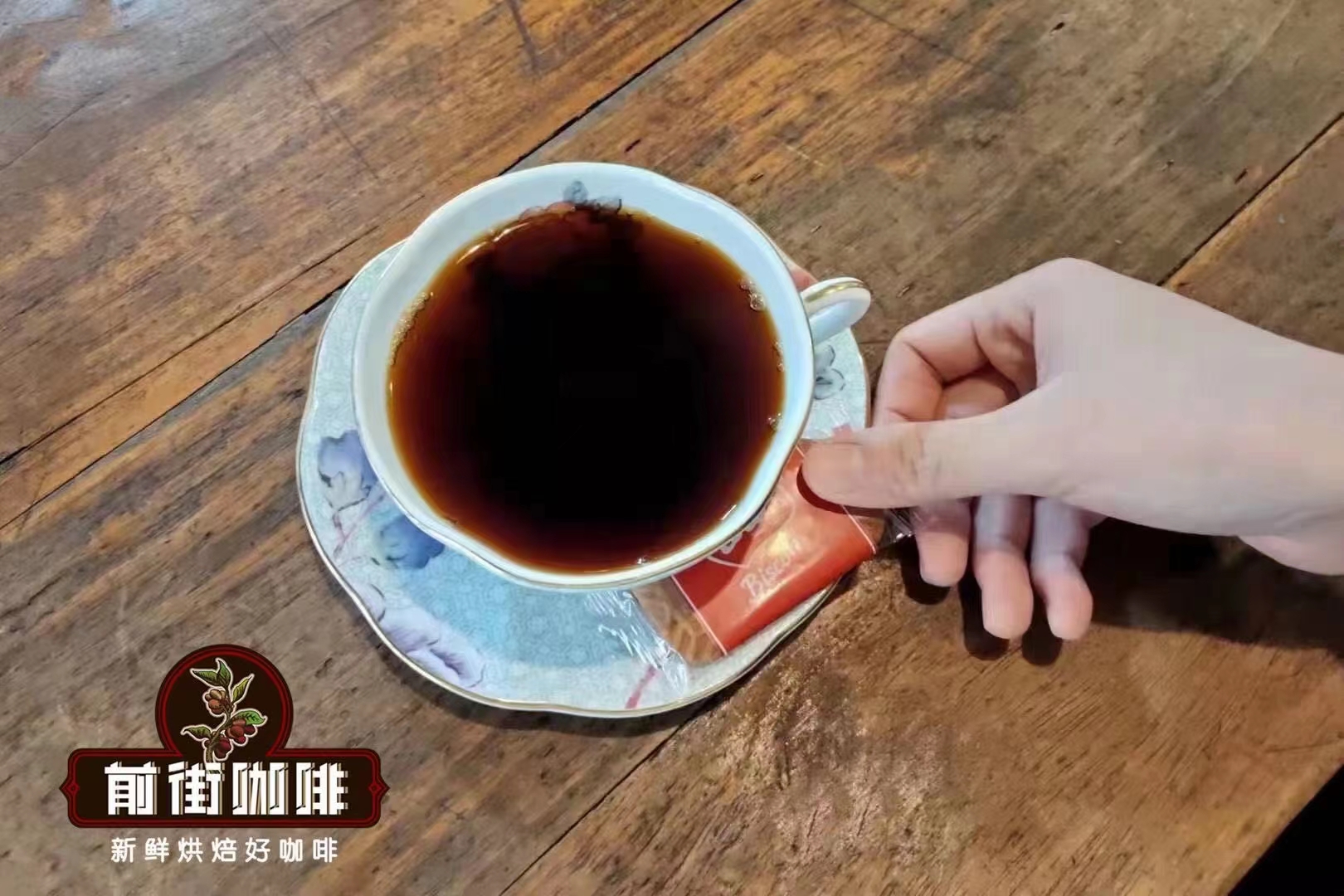
Every coffee shop uses a different americano ratio, so FrontStreet Coffee will explain its own approach. An americano is generally made with espresso as the base, diluted with a certain amount of water. If you prefer a stronger americano, add less water; for a milder one, add more. Hot americanos better preserve the original coffee flavor without emphasizing regional character the way pour-over does, so the floral aromas are less prominent.
The Golden Cup Standard
The americano is one of the most popular black coffees. Brewing methods vary, but they all follow the Golden Cup Standard. Established by international coffee organizations, it defines the optimal extraction rate and concentration: extraction rate 18%-22%, concentration 1.15%-1.55%. In other words, from 10g of grounds the resulting brew should fall between 191ml and 116ml if it is not to taste too weak or too strong.

Using 15g of coffee with an espresso machine, a double portafilter, and appropriate grinding, extract 60ml of espresso and collect the first 25ml (front), middle 25ml (center), and final 10ml (tail) separately—one of the fun aspects of an espresso machine is that you can collect the extraction in segments. Then dilute each segment to the Golden Cup Standard and taste them one by one. Generally the front segment is very aromatic, though depending on the bean's roast level and blend it may be just right or slightly acidic. In fact, that is what creates an Espresso Ristretto when diluted to Golden Cup standards.

FrontStreet Coffee tested various americano ratios—1:4, 1:4.5, and 1:5—tasting continuously to find the espresso base that suits most people while highlighting the coffee's flavor. In the end FrontStreet Coffee settled on 1:4.5. The reason is that FrontStreet's americano blend uses Honduras Sherry coffee and Ethiopian Yirgacheffe sun-dried red cherries in a 7:3 ratio, and 1:4.5 best brings out the wine aroma and cocoa aftertaste of this "Warm Sun" blend.

Choosing the Right Coffee Beans
Many customers ask which beans are best for an americano. Generally espresso beans are used, and compared with traditional pour-over beans they are roasted darker. Espresso beans are also typically blends of several coffees. Some cafes, however, use single-origin, single-estate beans to make the espresso base, creating what is known as SOE (Single Origin Espresso). SOE amplifies the character of a particular bean, though it is usually more expensive.
FrontStreet Coffee offers four different espresso blends for americanos. The first is a balanced blend using dark-roasted beans from Guatemala, Colombia, Brazil, and Tanzania in a 3:3:2:1 ratio. It is perfect for those new to espresso, offering a good balance of acidity, bitterness, and aroma: the acidity of Tanzania Kilimanjaro, the rich fruity and smoky notes of Guatemala, and the full-bodied nutty and chocolate flavors of Colombia. Blended in proportion, it makes a very balanced espresso.

If you want to emphasize bitterness, FrontStreet Coffee suggests adding some Robusta to increase the rich crema. Robusta plays a significant role in espresso blends. FrontStreet Coffee uses a blend of Colombia, Brazil, and Robusta in a 3:6:1 ratio, creating an espresso with rich nutty and chocolate flavors paired with Robusta's full-bodied, rich texture. Those who prefer acidic americanos can try Tanzania and Yirgacheffe beans, adding Brazilian and Colombian beans to reduce the acidity of the African beans in a 4:2:2:2 ratio. Then make a delicious americano according to your preferred water-to-coffee ratio.

Iced Americano vs Cold Brew
Guangzhou's weather has been quite hot lately. Prepare an iced americano by mixing ice and water in a 1:1 ratio, then pouring the extracted espresso into the iced water. Stir well so the temperature is even, and enjoy a refreshing iced americano. Since we are on the subject, let's briefly cover cold brew, because many customers do not understand the difference between an americano and cold brew.

Cold brew takes much longer to make than an americano, and the method is different. An americano is extracted with an espresso machine using high temperature and pressure, then diluted with hot water. Cold brew places freshly ground coffee in a sealed filter bag, steeps it in ice water, and refrigerates for about twelve hours. FrontStreet Coffee previously used Yirgacheffe beans for cold brew, which have light floral and berry aromas and a refreshing citrus acidity—very cooling. Compared with an americano, cold brew stays fresh longer and keeps its citrus flavor even after extended refrigeration. FrontStreet Coffee still recommends drinking it as soon as possible to fully appreciate each bean's optimal flavors.
FrontStreet Coffee Recommendation
For an americano base with body and balance, two FrontStreet single origins are excellent choices.
FrontStreet PWN Indonesia Golden Mandheling is deep-roasted for very low acidity and a mellow, lingering body. The cup is full of herbal and dark chocolate aromas with a faint earthy note—richly layered and ideal for anyone who likes a bold cup without acidity.
FrontStreet Brazil Queen Estate has very low acidity and a well-balanced body, with dense nut and cocoa aromas and a clear caramel sweetness. It is smooth and never astringent, warm and lingering, and works just as well as pour-over, espresso, or moka pot.
Important Notice :
FrontStreet Coffee is a long-established specialty coffee roaster in Guangzhou China, selling freshly roasted beans from its own farm in Yunnan as well as dozens of carefully selected single-origin beans from around the world for both pour-over and espresso. The products deliver consistently excellent quality and great value, with shipping within 24 hours. Guangzhou's FrontStreet Coffee shop is recommended by many coffee lovers, and the beans are now available online at the Tmall 。
FrontStreet Coffee has moved to a new address:
FrontStreet Coffee Address: 315,Donghua East Road,GuangZhou
Tel:020 38364473
 Scan and follow the En Gafei WeChat official account. Please indicate that the reprint comes from "En Gafei".