What are the flavor and texture characteristics of honey-processed coffee beans? What types of coffee are suitable for honey-processed coffee beans?
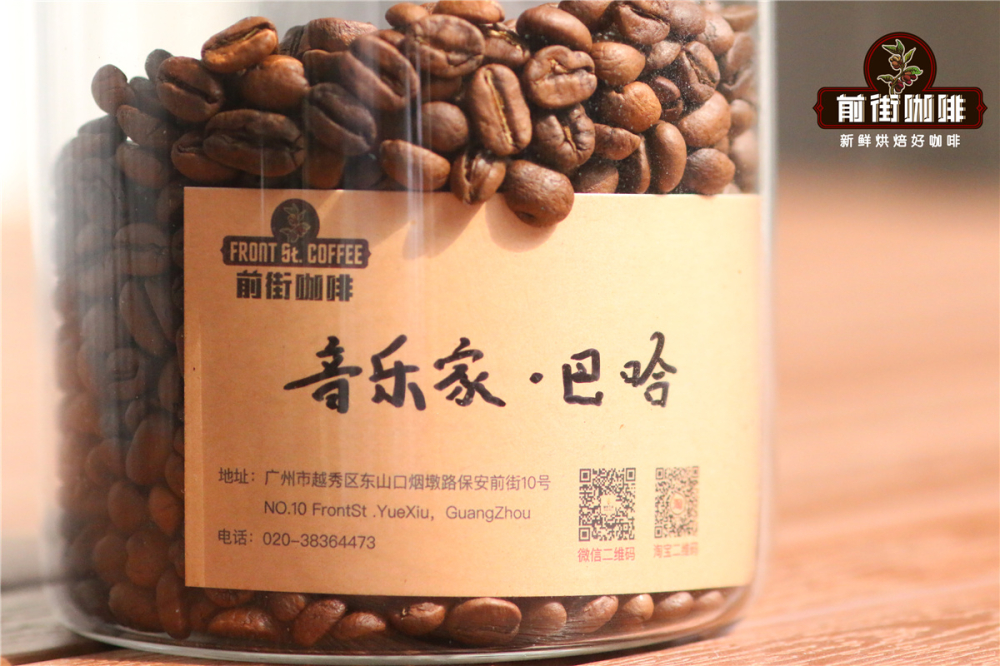
Whenever the conversation turns to coffees with standout sweetness, FrontStreet Coffee reaches first for honey-processed beans. Our Costa Rica Carnet Estate Musician Series is handled with the honey method, and brewed as a pour-over it regularly delivers a fermented sweetness of dried and tropical fruits — which is exactly why it's such a hit with many of our female customers.
Why Is It Called "Honey Process"?
A coffee cherry is built in layers: skin, pulp, mucilage, parchment, silver skin, and finally the seed — the part we actually drink. Traditionally there are two routes to that innermost seed: washed processing and natural processing.
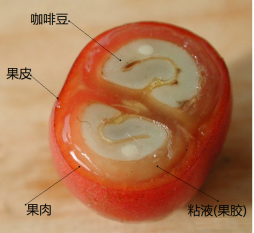
In washed processing, cherries run through a depulper to strip away skin and pulp, then get a thorough rinse in clean water before drying down to a stable moisture content. In natural processing, whole cherries dry intact and are hulled only afterward. Honey processing is essentially a hybrid of the two — hence the alternative name "semi-washed" — and it is far more common in Central and South America.
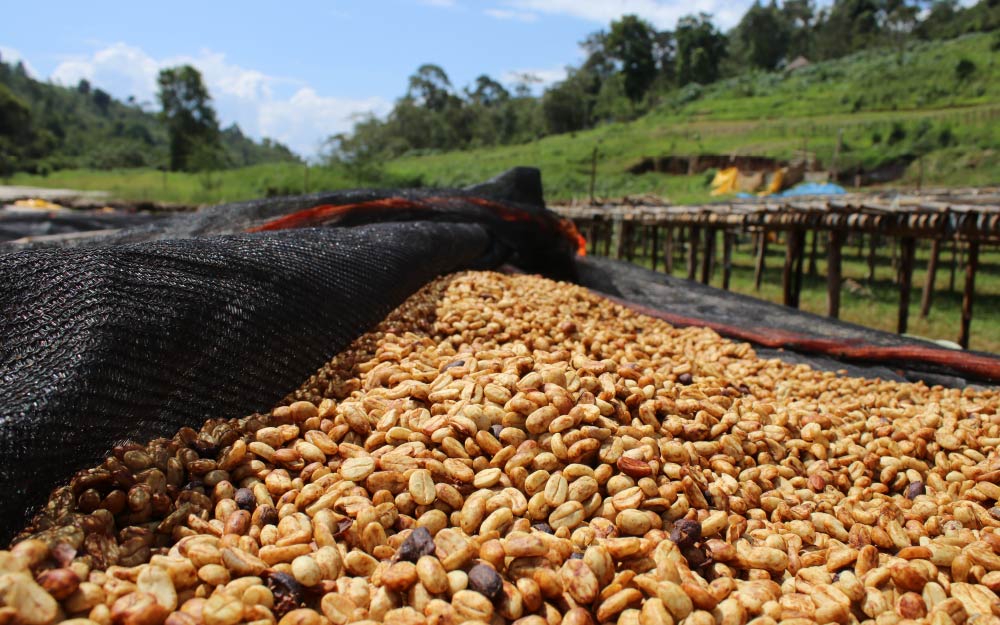
Here's how it works: cherries are first floated in water tanks to skim off immature fruit and debris, then run through a depulper to remove the outermost layer. The crucial difference from washing is what happens next — instead of flushing the mucilage away with water, the producer leaves it on the beans and dries them with it still attached. Because that mucilage is sugary and sticky, it naturally evokes honey, and the name follows.
Compared with washed processing, the honey method needs less fresh water and less equipment, and it avoids some of the defect flavors that come from long sun exposure. In the cup, honey-processed coffee typically shows rich tropical fruit character and a fermented sweetness, with an overall clean profile and crisp acidity.
What Are the Types of Honey Processing?
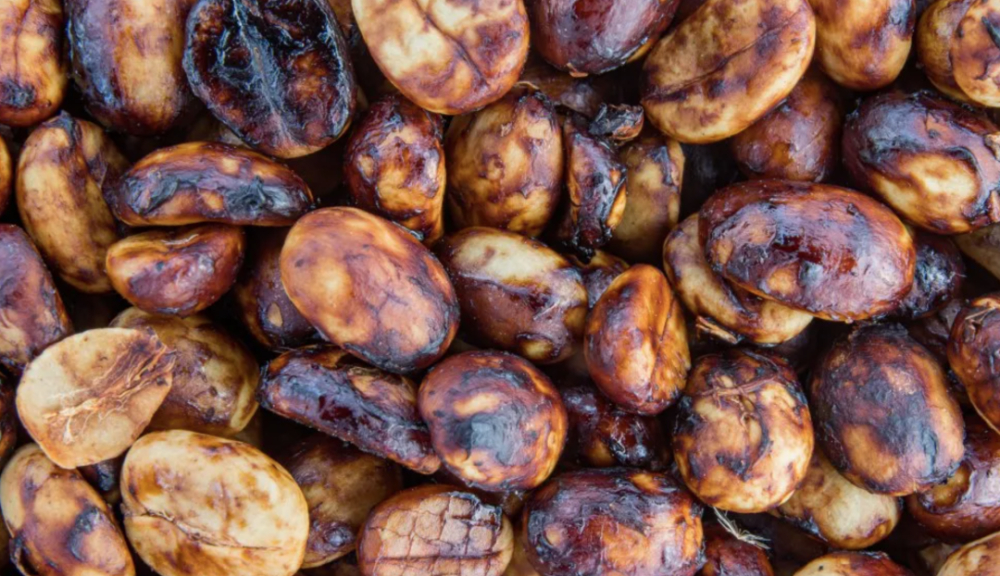
After depulping, the seeds ferment with the sticky mucilage still clinging to them. Depending on the cherries' sugar content and how far the fermentation is allowed to run, producers label the result white honey, yellow honey, red honey, or black honey. Darker color means longer fermentation in the mucilage and greater oxidation.
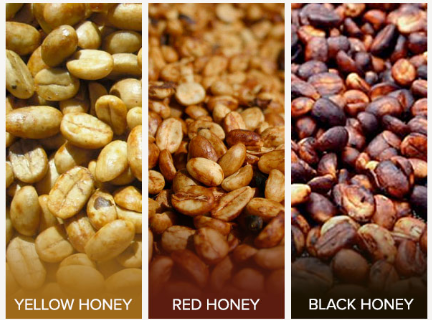
White honey is the closest to washed processing: the beans retain 40–60% of their mucilage with the shortest fermentation time. They are dried in the open air and turned frequently to keep enzyme and bacterial activity high, and shortly into the drying the remaining mucilage is washed off before a final drying for export.
Yellow honey also retains about 60% of the mucilage, fermenting just slightly longer than white honey — still a quick-fermentation style, with total sun-drying around 7–8 days.
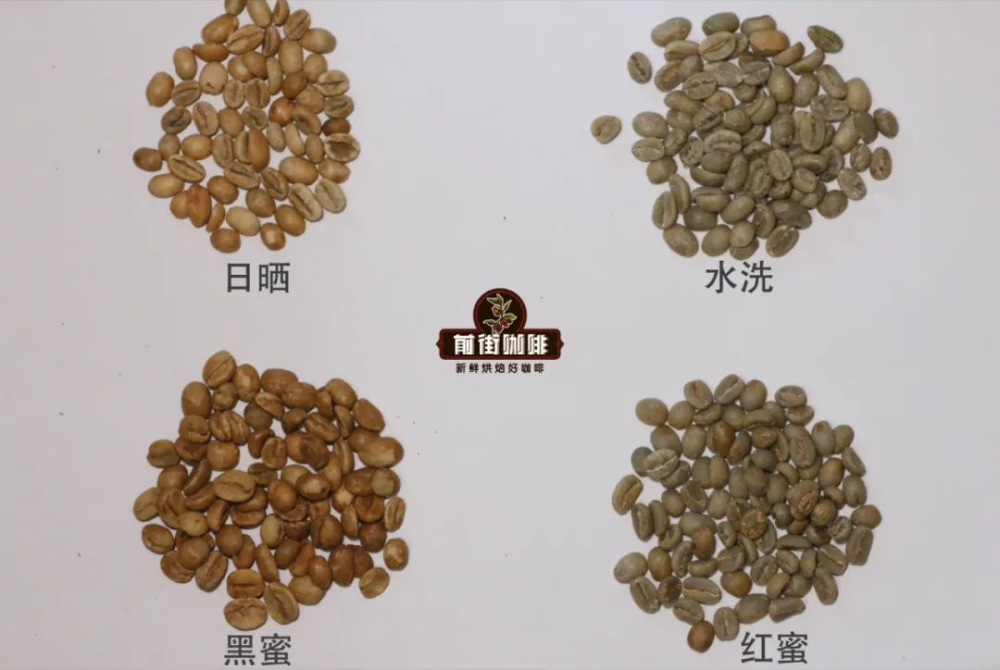
Red honey is the sweet spot between washed and natural — and the most common honey style of all. It needs two to three weeks of drying, so shifts in the weather speed fermentation up or slow it down. The longer the process runs, the more skill and diligence the turning demands; if fermentation becomes unstable, the coffee can easily turn sour, moldy, or otherwise off.
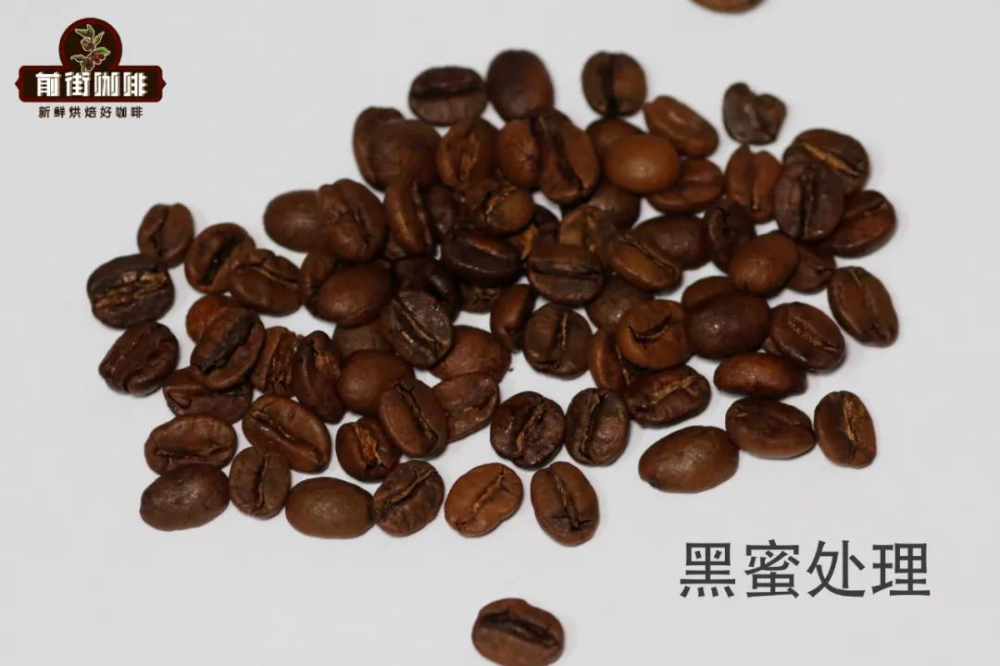
Black honey pushes fermentation the furthest of any honey style, landing closest to a fully natural profile. Fermentation lasts at least two weeks depending on the weather, and the constant attention it demands — plus the extra development that yields richer fruit — makes it usually the most expensive of the family. Black honey coffees tend toward wild, intense sweetness and body, sometimes with distinctly winey characteristics.
And What About Raisin Honey Processing?
Raisin honey breaks from the traditional sequence. Instead of depulping first and fermenting after, the whole cherries dry on raised beds for at least three days — long enough to shrivel into a "raisin" state — before the pulp and skin are removed and the usual honey steps proceed.
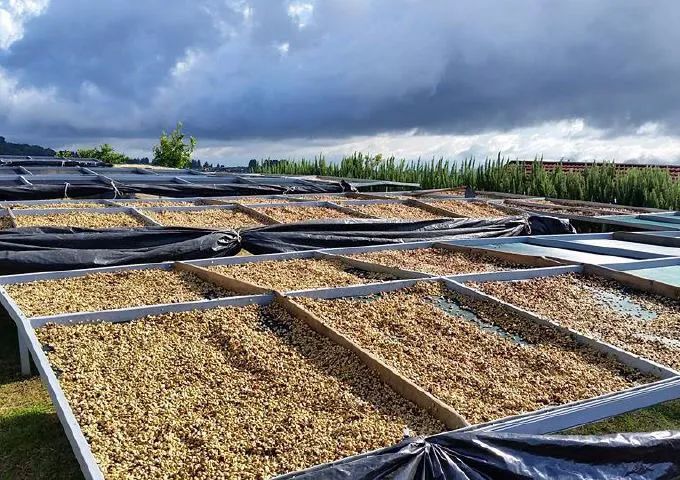
Its hallmarks are "100% mucilage retained" and "zero water used," which makes it genuinely difficult to execute. In FrontStreet Coffee's analysis, it demands even stricter timing control than black honey. That initial sun-drying stage lets the aromatic compounds of the fruit pulp work their way into the beans, so raisin honey coffee combines lush floral-fruity sweetness with clearly defined sweet-and-sour structure. Two Costa Rican beans on FrontStreet Coffee's standing menu use it: the Carnet Estate Musician Series Baha, and the Mirasou Strawberry Sugar Geisha Blend.

What Brewing Methods Suit Honey-Processed Coffee?
As noted above, honey-processed coffee brings diverse fruit flavors and higher sweetness than either washed or natural lots — approachable even for people who don't normally drink black coffee. To taste what the process itself contributes, FrontStreet Coffee believes pour-over black coffee is the ideal format.
Pour-Over Recommendations:
Filter: V60
Water temperature: 90°C
Grind size: 80% pass-through on a #20 standard sieve
Coffee-to-water ratio: 1:15
Coffee dose: 15g
Segmented Extraction:
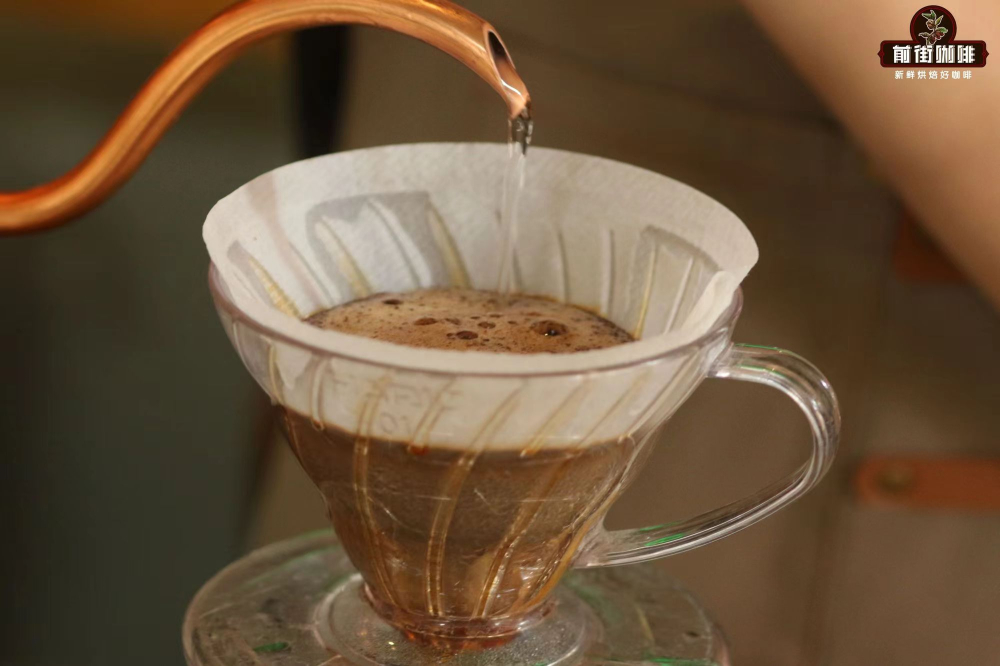
Start with 30g of water to evenly saturate the bed and bloom for 30 seconds. For the second stage, pour 95g in steady circles, working from the center outward, until the level drops to two-thirds of the bed; then begin the third stage with 100g. Keep the flow gentle throughout, and pull the filter once roughly 2 minutes and 10 seconds of dripping have elapsed.
FrontStreet Coffee's Costa Rica Carnet Estate Musician Series Baha, pour-over: ripe fruits, dark berries, caramel cookies, and a dark chocolate finish.
FrontStreet Coffee's Costa Rica Mirasou Strawberry Sugar Geisha Blend, pour-over: dried fruits, red florals, strawberry, grape, and mixed berries.
Pour-over is far from the only option. For something refreshing, FrontStreet Coffee also runs honey-processed beans through cold drip and cold brew — low temperatures suppress bitter extraction. Our cold drip made with the Mirasou Strawberry Sugar Geisha Blend shows a raisin-like dried-fruit sweetness, and after a night of settling it picks up a distinct fruit-wine character that customers love.

FrontStreet Coffee Recommendation
If this article has you curious about honey and raisin honey processing, two FrontStreet beans are natural first picks:
FrontStreet Mirasou Strawberry Sugar Geisha Blend — a raisin honey-processed blend from three distinct origins, and one of the sweetest coffees we roast. It carries an inherent rose fragrance, and as both an Americano and a latte it reveals grape, dried blueberry, sweet orange, and candy-like fruit notes — endlessly distinctive for drinkers tired of dark, roasty cups. Its bright florals and fruit also make it a superb match for a V60 dripper, whose fast, unobstructed flow highlights exactly this kind of delicate, fruit-forward profile.
FrontStreet Ethiopia Huakui (Buku Abel) — one of the biggest stars of the modern specialty scene. Its tropical fruit aromatics are striking — strawberry, passion fruit, jackfruit, even lychee — with pronounced sweetness, almost no bitterness, and a juicy, silky entry that has earned it the nickname "the coffee that doesn't taste like coffee." If honey process sweetness appeals to you but you'd like to explore it through a natural-style Ethiopian, this is the bean to try.
Important Notice :
FrontStreet Coffee is a long-established specialty coffee roaster in Guangzhou China, selling freshly roasted beans from its own farm in Yunnan as well as dozens of carefully selected single-origin beans from around the world for both pour-over and espresso. The products deliver consistently excellent quality and great value, with shipping within 24 hours. Guangzhou's FrontStreet Coffee shop is recommended by many coffee lovers, and the beans are now available online at the Tmall 。
FrontStreet Coffee has moved to a new address:
FrontStreet Coffee Address: 315,Donghua East Road,GuangZhou
Tel:020 38364473
 Scan and follow the En Gafei WeChat official account. Please indicate that the reprint comes from "En Gafei".