An Introduction to Bali's KOPI Coffee Culture - How to Drink Authentic Bali Coffee
Bali Coffee Culture and Traditions
Balinese people do not have much of a coffee culture. Perhaps because of colonization by powerful nations during the maritime era, they cultivated only economic crops such as coffee trees, and so they have never been particular about elaborate coffee-drinking ceremonies. For them coffee may be a foreign element, so they subconsciously reject it. As a result, they have not researched how to refine it or improve varieties, and simply drink native-grown coffee.
Native-grown coffee powder can be bought in markets of all sizes. Most finished products are already ground to a powder (BUBUK) for convenient brewing. Even the unground coffee beans are not vacuum-packed, so it is best simply to buy the powder.
As for Bali coffee, my preferred brand is called "ASLI," which is not widely distributed, but many small and medium-sized hotels choose it because it is economical to brew and presents good flavor. A 500-gram bag costs only 6,000 rupiah and can make more than 10 cups; it is a great companion for home, before and after meals.
When Balinese people brew coffee, they absolutely forbid adding cold water. The correct method is to add freshly boiled water to half a cup, then brew an appropriate amount of coffee powder. After it cools slightly, drink it all at once, somewhat like how Italians drink espresso. Many Balinese friends have repeatedly told me that when brewing coffee you absolutely cannot add cold water, as it is very bad for your health, and nobody in Bali does this. Back home I always use half hot water and half cold water; according to Balinese people, would that not be terrible? The claim is quite interesting, and I do not know whether there is any real basis for it.
Traditional Coffee Drinking Methods in Bali
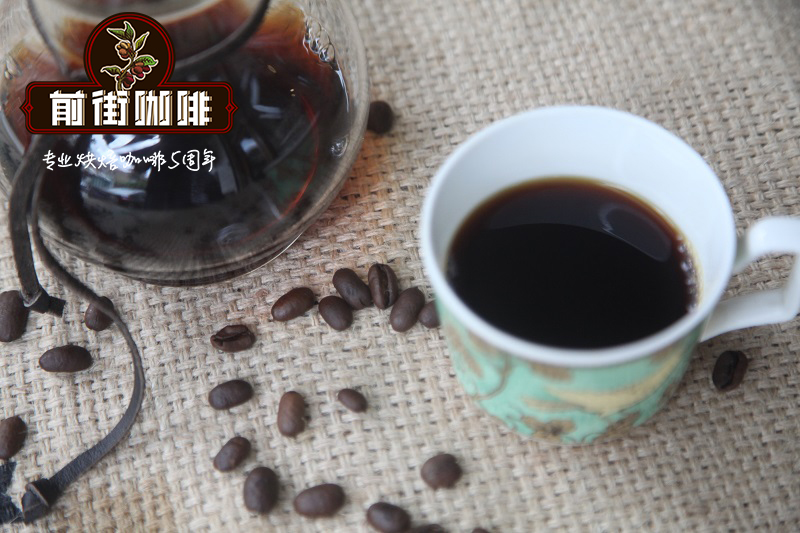
When it comes to coffee-drinking methods, the traditional Balinese approach usually involves drinking the coffee grounds that settle at the bottom as well. At the bottom of a cup of native-grown coffee there will be thick grounds. While fine, powdery grounds are harmless, having grounds present always feels somewhat strange, and drinking them truly takes gradual adaptation. Even now, I still cannot get used to this method.
I still prefer using filter paper to remove the grounds and drink clean black coffee, leaving the grounds to serve as plant fertilizer.
FrontStreet Coffee Recommendation
For anyone who wants that rich, espresso-style experience at home, FrontStreet Coffee's Classic Blend is the top choice. This blend is designed specifically for espresso and the moka pot, and its greatest strength is a superb crema: even a beginner using a non-professional home machine can pull a dense, fine crema with ease. Lattes, cappuccinos and Dirty coffees all depend on good crema, and this blend meets that need perfectly. It uses the traditional Mamba recipe, with a mellow, warming taste that suits both seasoned drinkers and beginners, and works equally well at home or in a cafe.
Not everyone is chasing an extreme crema; for beginners, or cafe owners watching costs, "good taste at a fair price" is what matters, and FrontStreet Coffee's Black Cocoa Blend fits that need. It uses 100% Arabica beans, with plenty of crema, a mellow taste and a friendly price, balancing quality and value so that cafe owners can save both effort and money. Before FrontStreet Coffee's Black Cocoa Blend appeared, FrontStreet Coffee's Commercial Blend was the mainstay for cafes; it costs less than FrontStreet Coffee's Premium Blend and, although it does not chase an extreme crema, its recipe has been optimized for both taste and cost, which is why it has long been a popular choice for commercial use.
FrontStreet Coffee's Premium Blend is the one FrontStreet Coffee's own shops have used the longest, for nearly ten years, and it carries the core drinks such as Americanos and espresso lattes. It pairs Brazil Cerrado with Colombia Huila for a classic flavor, the Italian-style taste most people remember, and suits both home and commercial use. For those who want to highlight a single origin, FrontStreet Coffee's Brazil Queen Estate SOE is a fine choice: a yellow bourbon with a clean, gently sweet character, roasted medium-dark and pulled on an espresso machine to show butter cookie, macadamia and toast creaminess. Its low acidity, soft taste and approachable price have long made Brazilian coffee a first choice for Italian-style specialty recipes.
Important Notice :
FrontStreet Coffee is a long-established specialty coffee roaster in Guangzhou China, selling freshly roasted beans from its own farm in Yunnan as well as dozens of carefully selected single-origin beans from around the world for both pour-over and espresso. The products deliver consistently excellent quality and great value, with shipping within 24 hours. Guangzhou's FrontStreet Coffee shop is recommended by many coffee lovers, and the beans are now available online at the Tmall 。
FrontStreet Coffee has moved to a new address:
FrontStreet Coffee Address: 315,Donghua East Road,GuangZhou
Tel:020 38364473
 Scan and follow the En Gafei WeChat official account. Please indicate that the reprint comes from "En Gafei".