Indian Coffee Cultivation History Stories and Growing Region Introduction - How Good Are Indian Robusta Coffee Beans?
The Historical Roots of Indian Coffee
The history of coffee cultivation in India goes back to the seventeenth century. Legend has it that a Muslim pilgrim named Baba Budan smuggled seven coffee seeds out of Arabia during his pilgrimage and planted them near Mysore - the area known today as Chikmagalur in Karnataka State. That region has since been revered as the cradle of Indian coffee.
According to 2016 statistics from factfish, India ranks as the world's seventh-largest coffee-producing country. Most of its coffee is grown in three southern states: Kerala, Karnataka, and Tamil Nadu, with the first two accounting for over 90% of total production. The majority of cultivation takes place in the Western Ghats mountain range, which runs along the coastline roughly 100 miles from the Arabian Sea.
The Distinctive Robusta Character
You can identify Robusta without even looking - the smell gives it away. A bit like Pu-erh tea in the tea world, this earthy, hard-to-pin-down aroma is quintessentially Robusta, as is its plump, round body. By aroma and bean shape alone, it is easy to distinguish from the flatter, more oval beans typical of Arabica varieties.
It is a curious fact that India, a country famous worldwide for its tea, actually ranks among the top coffee-producing nations.
Processing and Roasting Observations
I had assumed Indian coffee was exclusively washed Robusta (I had bought some before), but the color of the silver skin on this batch suggested it was not purely washed.
India is in fact one of the few countries that makes use of both washed and natural processing, so I suspect this lot was handled with a combination of the two.
I roasted the beans in a hot-air roaster, dropping them at the very end of first crack.
Incidentally, Robusta has one more distinctive trait: in a hot-air roaster, its silver skin holds the shape of the coffee bean itself, as if the bean were still in its shell. The silver skin is also noticeably thicker than that of Arabica (as shown in the photo) - very peculiar!
At a medium roast, some silver skin remains clinging to the beans, and the hardness of the Robusta bean produces distinct wrinkles on the surface.
Tasting Notes and Reflections
Tasting: a very pure, unmistakable Robusta flavor.
One thought that came to mind while cupping: it is hard to imagine that the civets of Indonesia feed on this low-altitude Robusta.
After the green beans pass through the civet's digestive system, intestinal fermentation breaks down proteins. The beans also interact with everything else the animal eats - fruits, nuts, spice plants - which reduces bitter compounds and softens Robusta's aggressive edge while preserving a fragrant, smooth mouthfeel. That is how kopi luwak made its name in Indonesia.
I have tried kopi luwak, and it genuinely has less of that harsh Robusta character, but honestly, I would not buy it again.
First, the price is simply too high - for the same money, I could drink far better coffee.
Second, I have come across sellers offering "kopi luwak" whose bean appearance and flavor were pure Arabica - fishy business, to say the least. Some vendors also pass off blends as the real thing.
For the same reason, I have no urge to try monkey coffee either. A single cup could buy several bags of green beans!
PS: Word is that monkey coffee has an impressive body - after the beans are collected from the monkeys, they still go through strict manual selection before shipping.
(Monkey coffee's origin: the Balma Estate coffee plantation in southern India)
Future Plans
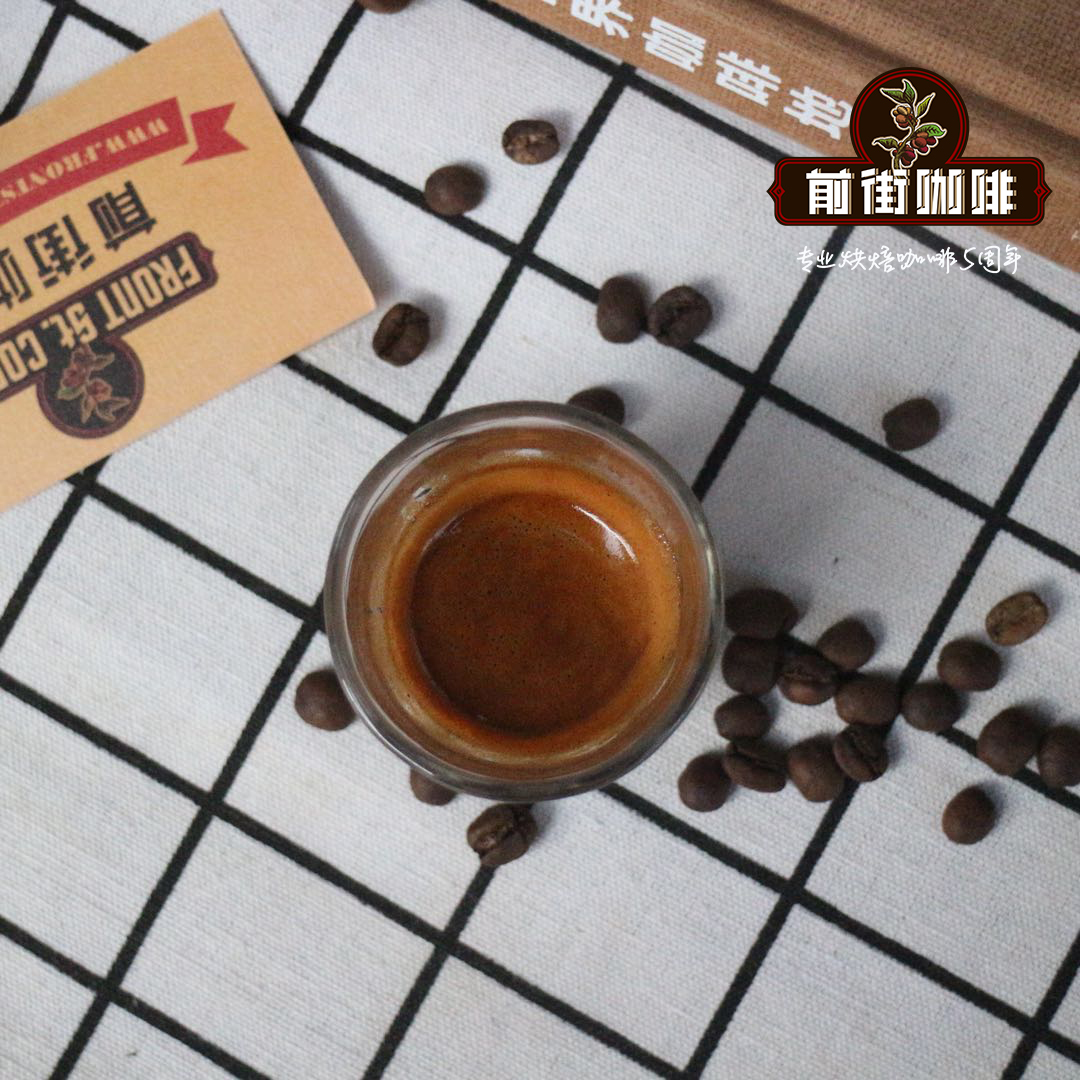
For my next batch, I want to build an espresso blend. I plan to roast to at least Full City and mix in about 10% of these Indian beans with a Brazilian base - with any luck, that should produce a thick, rich crema.
FrontStreet Coffee Recommendation
If a Brazilian-based espresso blend is on your to-do list too, FrontStreet Coffee's Brazil Queen Estate beans are a proven foundation. This Yellow Bourbon lot is low in acidity and beautifully balanced, with rich nut and cocoa aromas and a clear caramel sweetness - smooth, mellow, and never astringent. It works equally well for pour-over, moka pot, or espresso, and its outstanding crema makes it an ideal base for blends like the one described above.
Important Notice :
FrontStreet Coffee is a long-established specialty coffee roaster in Guangzhou China, selling freshly roasted beans from its own farm in Yunnan as well as dozens of carefully selected single-origin beans from around the world for both pour-over and espresso. The products deliver consistently excellent quality and great value, with shipping within 24 hours. Guangzhou's FrontStreet Coffee shop is recommended by many coffee lovers, and the beans are now available online at the Tmall 。
FrontStreet Coffee has moved to a new address:
FrontStreet Coffee Address: 315,Donghua East Road,GuangZhou
Tel:020 38364473
 Scan and follow the En Gafei WeChat official account. Please indicate that the reprint comes from "En Gafei".