Authentic Blue Mountain Coffee Growing Region: The Aroma and Flavor Characteristics of Pour-Over Jamaican Blue Mountain Coffee Beans
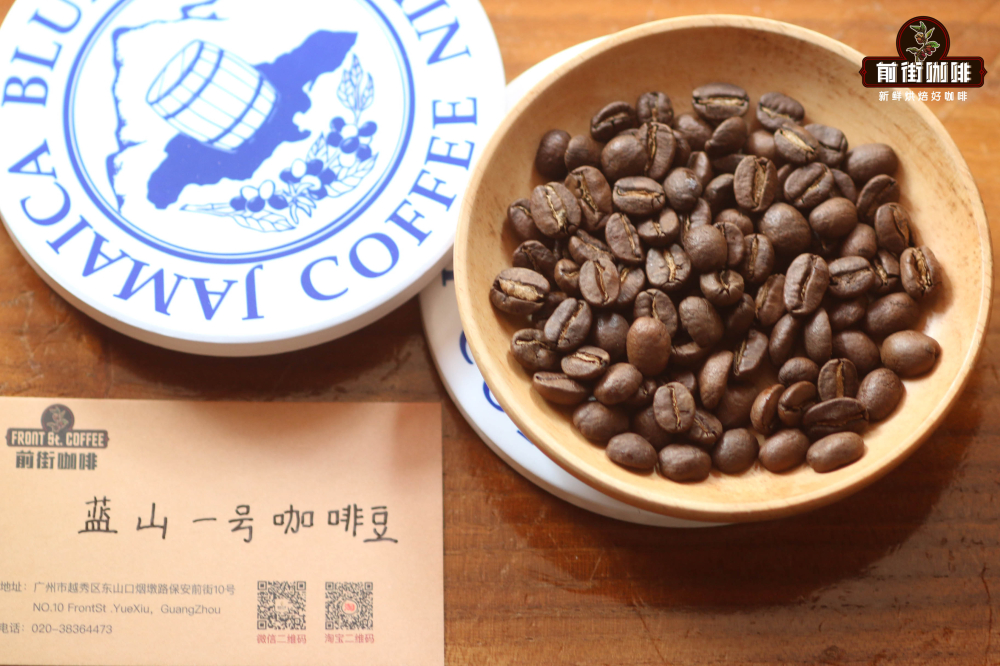
Authentic Blue Mountain coffee enjoys considerable prestige in the international coffee community, and rightly so. It comes from the Blue Mountain region of Jamaica. Because it needs an altitude of roughly 1,000 to 1,700 meters and production is extremely limited, the price is high. That is why coffees imitating the Blue Mountain flavor have appeared on the market to meet demand.
A Brief History of Jamaica Blue Mountain No. 1 Coffee
Jamaica's coffee history is long, reaching back to the 18th century. According to FrontStreet Coffee's research, in 1717 King Louis XV of France ordered coffee cultivation to be introduced to Jamaica. In the mid-1720s, Jamaica's Governor Sir Nicholas Lawes imported Arabica coffee seeds from Martinique and began promoting cultivation in the St. Andrew region.
That allowed coffee trees to take root in Jamaica and thrive in the Blue Mountain range. Blue Mountain coffee was born, and it was subdivided into different grades based on producing region and altitude, such as high-altitude Blue Mountain coffee, High Mountain coffee, and regular Jamaica Prime coffee. These grades directly affect quality and price, giving coffee lovers a range of choices.
Jamaica Blue Mountain No. 1 Coffee Growing Region
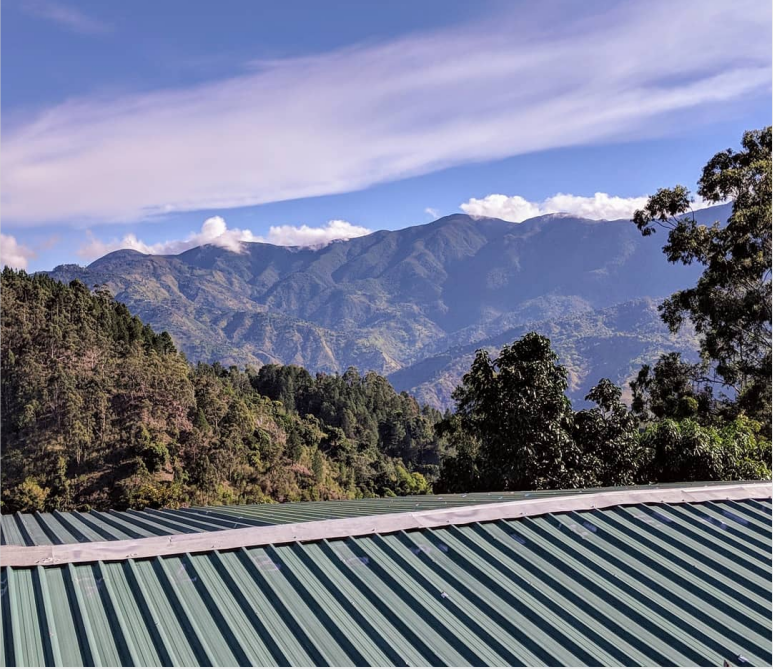
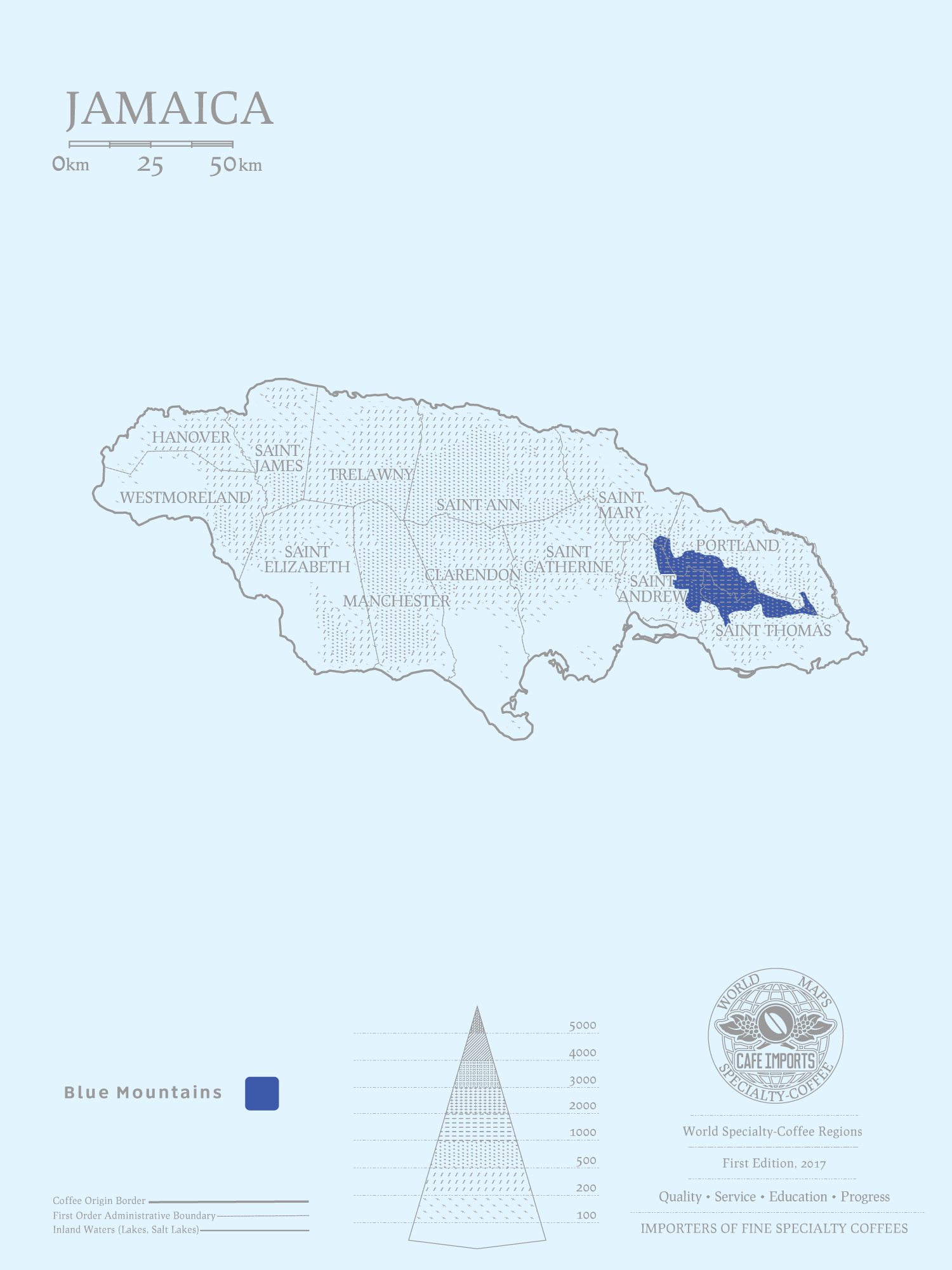
Blue Mountain coffee comes from Jamaica, an island nation in the Caribbean Sea, and on that island lies a very famous mountain range—the Blue Mountains.
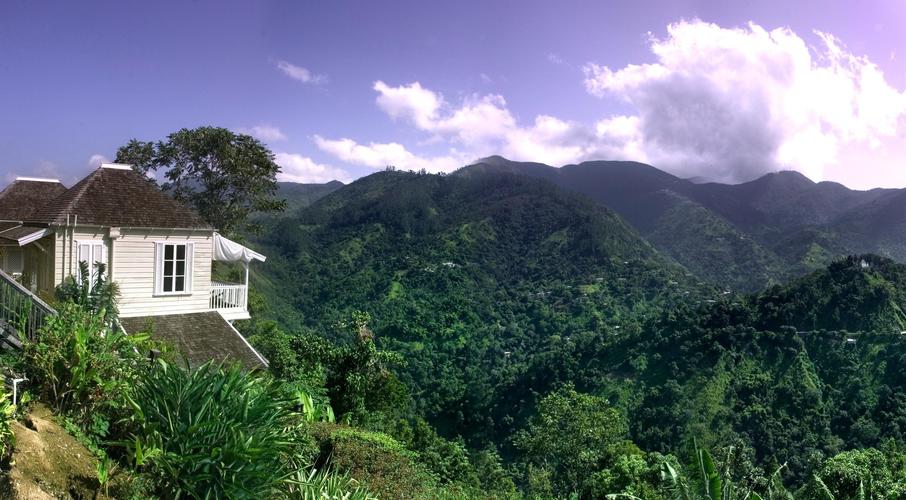
The Blue Mountain range benefits from a unique geographical setting that provides an excellent microclimate. Rich volcanic activity has given the soil abundant minerals, feeding the coffee trees well. High altitude, plentiful water, and a mild climate together create an ideal growing environment. Blue Mountain coffee therefore excels in flavor and aroma, with a balanced, harmonious blend of acidity, sweetness, and bitterness, and a rich, solid body that coffee lovers adore.
Jamaica Coffee Bean Grading System
I. Jamaica Blue Mountain Coffee
To distinguish Blue Mountain coffee from regular Jamaican coffee, the Jamaican government established a specialized grading system. According to certification by the Coffee Industry Board of Jamaica (JCIB), only Typica variety coffee grown in the Blue Mountain range at altitudes of approximately 910m-1700m may be called "Jamaica Blue Mountain Coffee." The certified cultivation area is only 6,000 hectares, one-third of the entire Blue Mountain region, and only about 15% of all coffee produced in Jamaica can bear the prestigious Blue Mountain name. The higher the altitude, the harder the harvest and the higher the labor and management costs. On top of that, strict quality grading is applied to the green beans, classified as NO.1, NO.2, NO.3, and Peaberry (PB) by defect rate and bean size.

- No.1 - 17/18 screen, defect bean ratio not exceeding 2%.
- No.2 - 16/17 screen, defect bean ratio not exceeding 2%.
- No.3 - 15/16 screen, defect bean ratio not exceeding 2%.
- Peaberry - 10MS, defect bean ratio not exceeding 2%.
II. Jamaica High Mountain Coffee
Coffee produced at altitudes of 500-910 meters in the Jamaica Blue Mountain region is called High Mountain coffee. It is second only to Blue Mountain coffee in quality and is known in the industry as its sibling. Because Jamaica Blue Mountain coffee is so limited, if you want to taste Jamaican flavor, High Mountain coffee is your best choice.
III. Jamaica Prime Coffee
Coffee grown outside the Blue Mountain range is called Jamaica Prime coffee, cultivated at altitudes below 500 meters.
It is worth noting that international standards have not yet established strict, detailed coffee grade distinctions and industry standards, which makes it difficult for ordinary consumers to tell authentic from counterfeit coffee. In many markets, consumers also have relatively limited coffee knowledge, making it hard to distinguish genuine Blue Mountain coffee accurately.
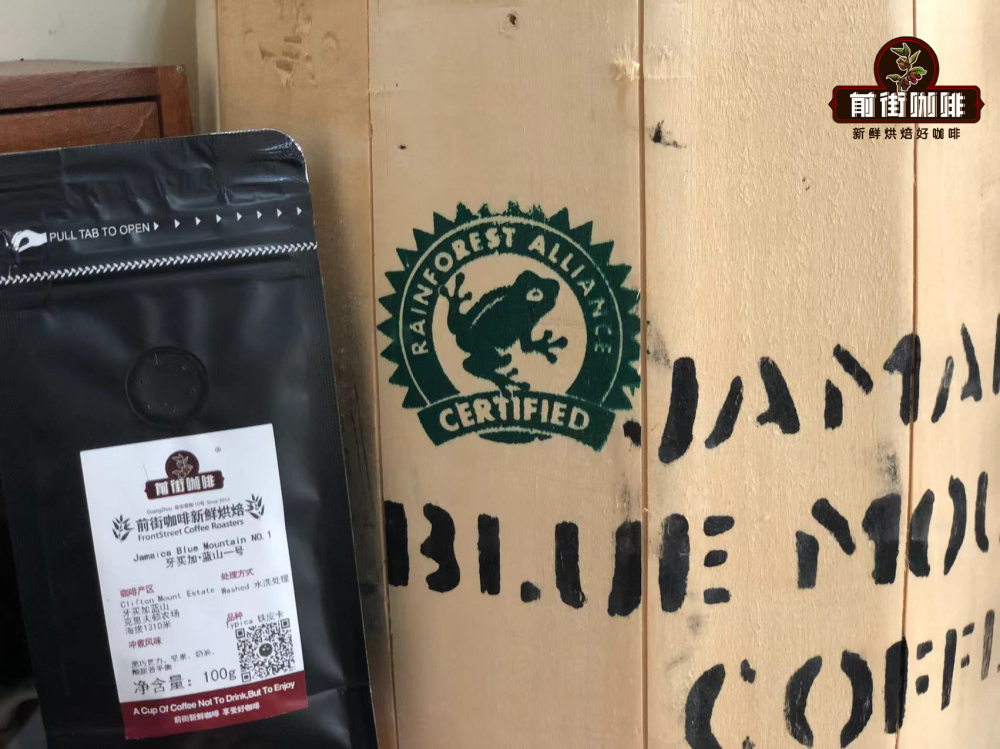
FrontStreet Coffee shares a small tip: authentic Blue Mountain coffee is not packaged in burlap bags but comes in distinctive coffee packaging (Blue Mountain barrels). That alone is a useful indicator for telling real from fake. The wooden barrels also carry a tropical tree frog logo—the Rainforest Alliance mark—indicating that the beans are organic and grown in a pollution-free environment throughout cultivation.
In addition, because producers and distributors of Blue Mountain coffee must be licensed by the Jamaican government and authorized by the Jamaica Coffee Board, every exported batch of Blue Mountain undergoes quality inspection and certification by the Coffee Board and carries certification labels.
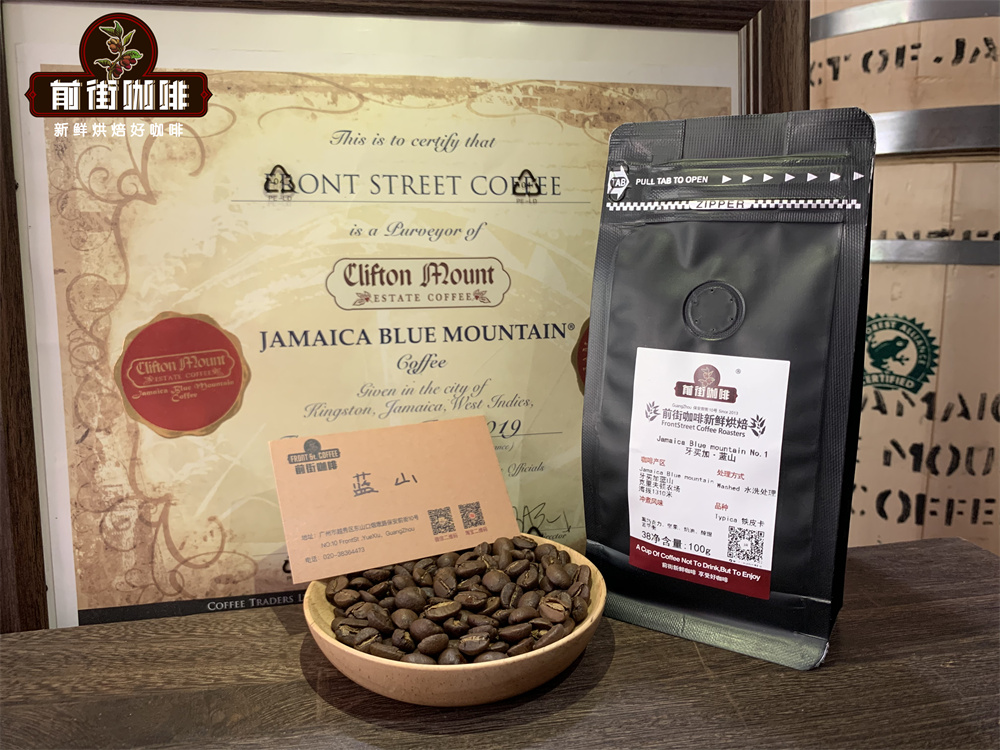
So when buying Blue Mountain coffee, you can ask the seller to provide the relevant documentation. FrontStreet Coffee's Blue Mountain No. 1 coffee is produced by Clifton Mountain Estate and comes with quality certification certificates issued by the Jamaica Coffee Board, authorized sales certificates issued by Blue Mountain coffee manufacturers, and certificates of origin for Jamaica Blue Mountain coffee.
Flavor Characteristics of Blue Mountain No. 1 Coffee
Once you have a package of high-quality Blue Mountain coffee beans, the first thing to work out is how to brew it well. Below, FrontStreet Coffee discusses its brewing approach using the Jamaica Blue Mountain No. 1 from its own selection.
FrontStreet Coffee recommends using beans within their optimal flavor period. If the roast date is more than a month past, some aromas may have dissipated and woody flavors may even develop. The beans FrontStreet Coffee ships are roasted within 5 days, so you should receive them at their aromatic peak.
Classic Blue Mountain flavor features rich chocolate, roasted nuts, and other aromas, with soft acidity and a rich mouthfeel. To restore that classic taste, FrontStreet Coffee's roasters choose a medium-dark roast, highlighting the roasted aromas while preserving some acidity. During cupping of Blue Mountain No. 1, FrontStreet Coffee found a balance of acidity, sweetness, aroma, bitterness, and richness, and its baristas developed the brewing approach below accordingly.
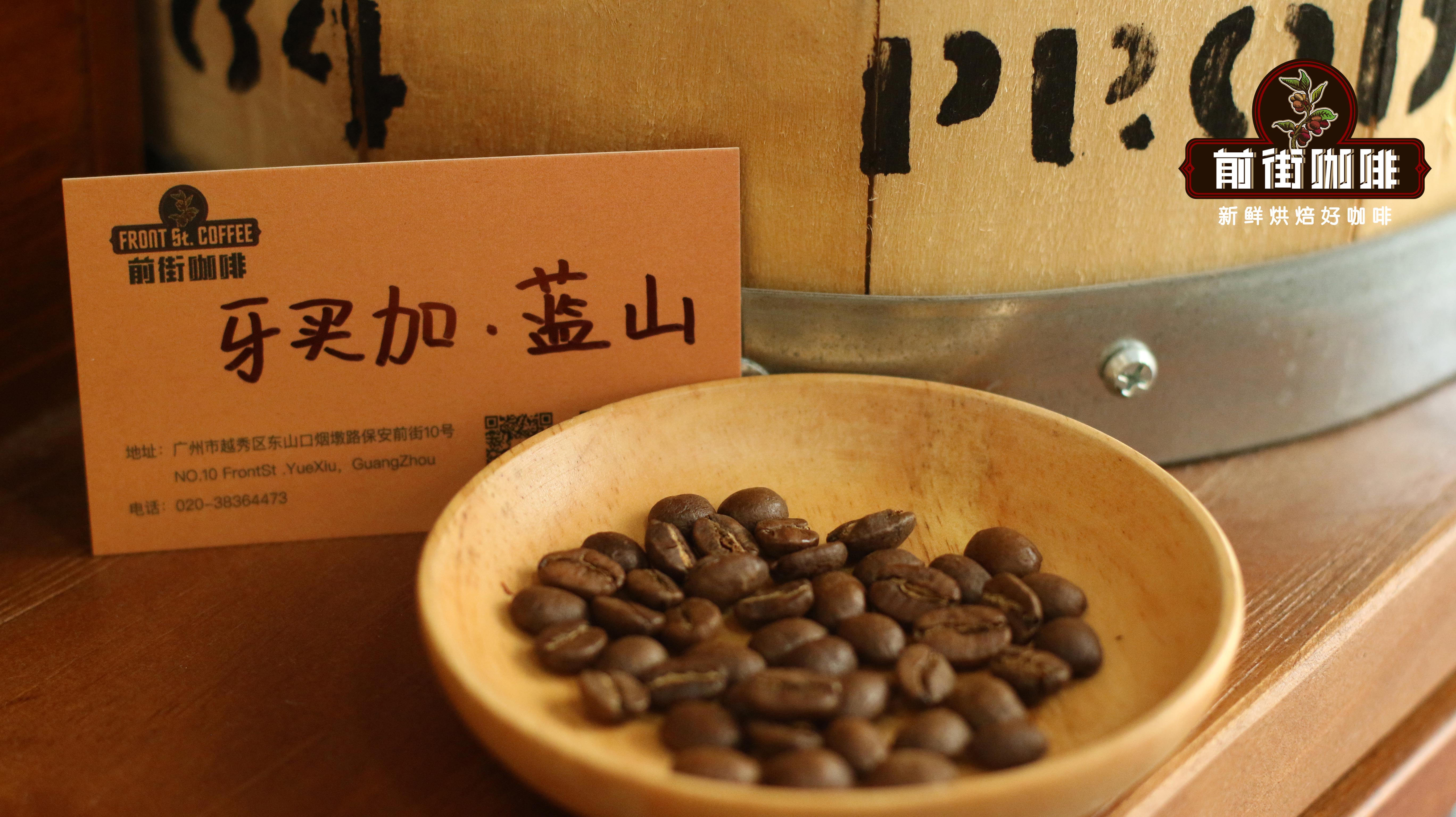
FrontStreet Coffee's Brewing Parameters for Jamaica Blue Mountain No. 1 Coffee:
- Dripper: KONO
- Water temperature: 88-90°C
- Coffee-to-water ratio: 1:15
- Grind size: Medium grind (75% pass-through rate with a China No. 20 standard sieve)
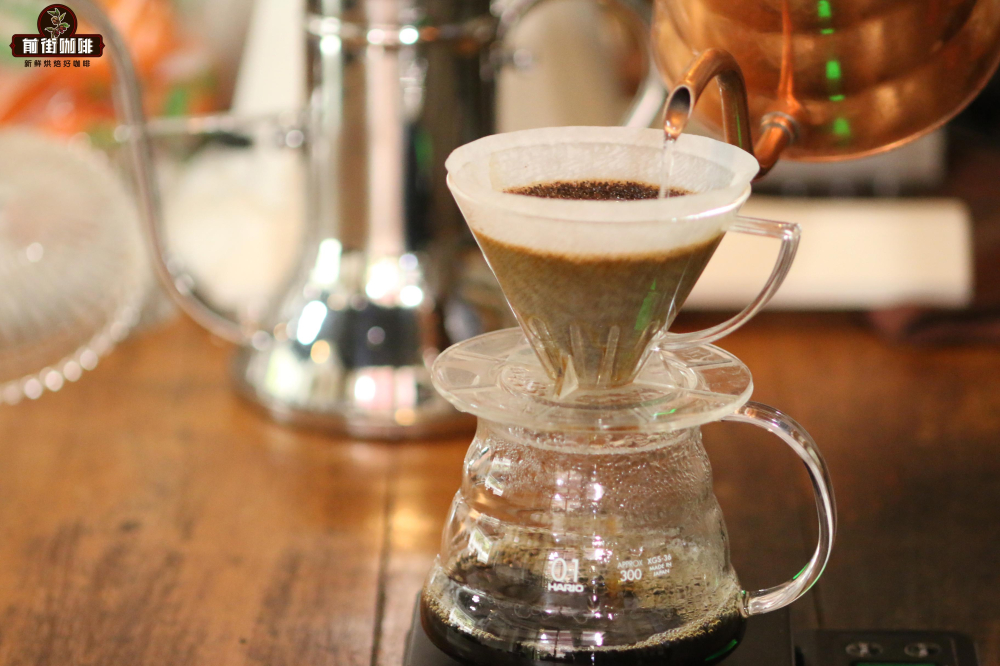
The brewing method uses three-stage extraction. Use twice the weight of the coffee in water for the bloom—that is, 30g of water for a 30-second bloom. Continue pouring in small circles to 125g, then pause. When the water level drops and is about to expose the coffee bed, continue pouring to 225g and stop. (Timing starts at the beginning of the bloom.) Total extraction time is 2 minutes and 10 seconds.
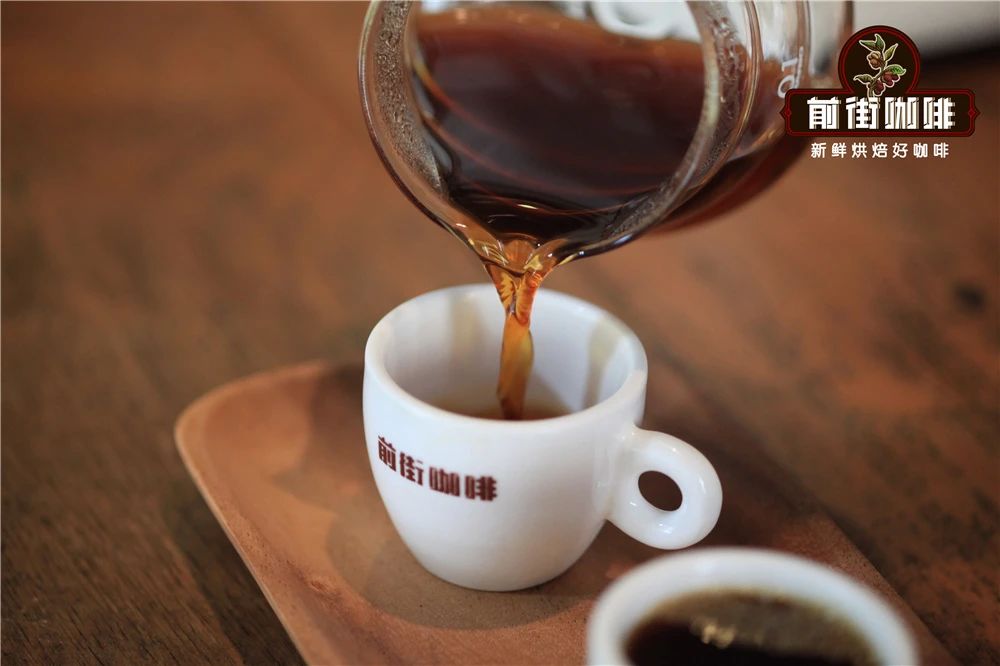
During brewing, you can smell rich roasted nuts and caramel. On tasting, you get dark chocolate and nutty sweetness, with the various flavors intertwining and blending. The mouthfeel is rich and the aftertaste bright and clear, and temperature changes reveal rich layers of aroma.
FrontStreet Coffee Recommendation
Blue Mountain coffee has become almost impossible to avoid for anyone serious about coffee. In the days before specialty coffee spread widely, "treating someone to Blue Mountain" was a byword for high-quality coffee, and even today, as more and more origins are discovered, it holds an irreplaceable place thanks to its distinctive flavor and balance. Strictly speaking, only coffee grown in a specific part of Jamaica's Blue Mountains and certified by the Jamaican authorities can be called "Jamaica Blue Mountain Coffee." The Blue Mountains sit in eastern Jamaica and are among the highest ranges in the Caribbean, with the highest peak reaching 2,256 meters; the range is wrapped in cloud and mist year-round, which is how it got the name "Blue Mountain."
The area is limited: Jamaica's entire Blue Mountain region produces less than 2,500 tons a year, a tiny fraction of world coffee output. Japan has also long held a stable trading relationship with Jamaica and historically bought more than 70% of the Blue Mountain crop, so the amount reaching the rest of the world is even smaller. Scarce supply and strong demand keep Blue Mountain prices high. As of 2003, Jamaican Blue Mountain green coffee began to be officially exported to the Chinese market, and today consumers can buy certified Blue Mountain through legitimate channels.
FrontStreet Coffee's Jamaica Blue Mountain No. 1 follows the traditional approach. Blue Mountain coffee is shipped in wooden barrels in 15, 45, and 70 kilogram sizes, and each barrel is itself a hallmark of genuine Blue Mountain. The FrontStreet lot comes from the historic Clifton Mount Estate, where coffee has been grown and processed since around 1750, at an average elevation of 4,300 feet (1310.64 meters)—enough altitude, gentle afternoon cloud cover, plenty of sunshine, and mineral-rich soil to give the trees ideal conditions and lengthen the ripening of the cherry. Roasted medium-dark to bring out the coffee's full body, it is brewed with a KONO dripper and water at 87-88°C for a clean, complex cup that is gentle, chocolate-sweet, and full-bodied.
Important Notice :
FrontStreet Coffee is a long-established specialty coffee roaster in Guangzhou China, selling freshly roasted beans from its own farm in Yunnan as well as dozens of carefully selected single-origin beans from around the world for both pour-over and espresso. The products deliver consistently excellent quality and great value, with shipping within 24 hours. Guangzhou's FrontStreet Coffee shop is recommended by many coffee lovers, and the beans are now available online at the Tmall 。
FrontStreet Coffee has moved to a new address:
FrontStreet Coffee Address: 315,Donghua East Road,GuangZhou
Tel:020 38364473
 Scan and follow the En Gafei WeChat official account. Please indicate that the reprint comes from "En Gafei".