The Story and Flavor Profile of Gotiti Coffee Growing Region in Yirgacheffe
Yirgacheffe Gotiti: The Story and Flavor Behind the Name
"Yirgacheffe" is a name that commands enormous respect in the international coffee market, and it has stolen the spotlight for the past decade. Most people have a rough idea that Yirgacheffe coffee comes from the town of Yirgacheffe in the Gedeo Zone of southern Ethiopia. But attached to "Yirgacheffe" there is almost always a second name — Wenago, Beloya, Idido, Gotiti, and so on. According to the coffee hunters and green buyers who travel to the producing regions, there is plenty of ambiguous labeling, misranked place names, and misinformation passed along the chain.
As industry sources have pointed out, untangling these administrative relationships takes real homework; even many upstream green bean importers end up confused.
To make sense of it all, you first need to understand Ethiopia's four-tier administrative structure:
Province - Zone - Woreda - Kebele
By Ethiopian official regulation, the legally defined "Yirgacheffe" production area is spread across two zones and eight woredas:
Gedeo Zone: Dilla, Wenago, Bule, Yirgacheffe, Kochere, Gedeb
Borena Zone: Abaya, Gelena
So an "Ethiopia Yirgacheffe/Gedeb" coffee refers to beans produced in Gedeb Woreda, in the Gedeo Zone. Its administrative rank is the same as Kochere — it is not a small village under Kochere, because among the 25 village communities under Kochere's jurisdiction there is no Gedeb at all. (Some merchants and even coffee professionals get this ranking wrong.)
The confusion is understandable. Gedeb is genuinely remote — at least 40 kilometers from the best-known Yirgacheffe town just to reach Gedeb town itself. To push on to villages like Worka Sakaro, Halo Bariti, Banko Gotiti, or Banko Dahato, you need another dozen or so kilometers of muddy roads. Reaching them is genuinely difficult.
Today there are several common ways Ethiopian coffees are classified on the market: the four major production regions defined by ECX export channels; coffees registered with the Ethiopia Farmers' Cooperative Union (YCFCU); lots from village-level cooperatives (kebeles); independent washing stations; or independent smallholder batches.
Where Worka Sits — and How Gotiti Broke Away
Worka lies at the far southeastern edge of Yirgacheffe, within the Gedeb production area. For years, coffee from this region was exported simply under the name "Worka," or processed through the Worka Cooperative. Over the past two to three years, however, "independent" micro-lots — BANKO GOTITI, BANKO DADHATO, HALO BARITI and others — have been tracked down one by one by coffee hunters from around the world. Gotiti was one of the earliest villages to go independent: Banko Gotiti split from the large Worka Cooperative in 2012.
Many of its individual smallholder farmers were originally members of the Worka Cooperative, so their production skills are naturally excellent. Today the community counts roughly 300 member farmers, all of them skilled and experienced; each farms an average of 1 to 2 hectares, and most process their coffee using traditional natural methods.
The Worka Cooperative itself sits in a remote corner of the Yirgacheffe region, 75 kilometers from Dilla, the local coffee distribution hub. It was founded by 305 farmers with a combined planting area of about 763 hectares and an annual output of nearly 460 tons — a relatively small cooperative by Ethiopian standards.
Because no chemical fertilizers or pesticides are used in cultivation, the Worka smallholders have earned Skal organic certification recognized by the European Union. These coffees carry both organic and fair trade certification, and some grow at elevations as high as 2,300 meters. That singular terroir is what creates these unparalleled Ethiopian flavors.
Harvesting and Processing
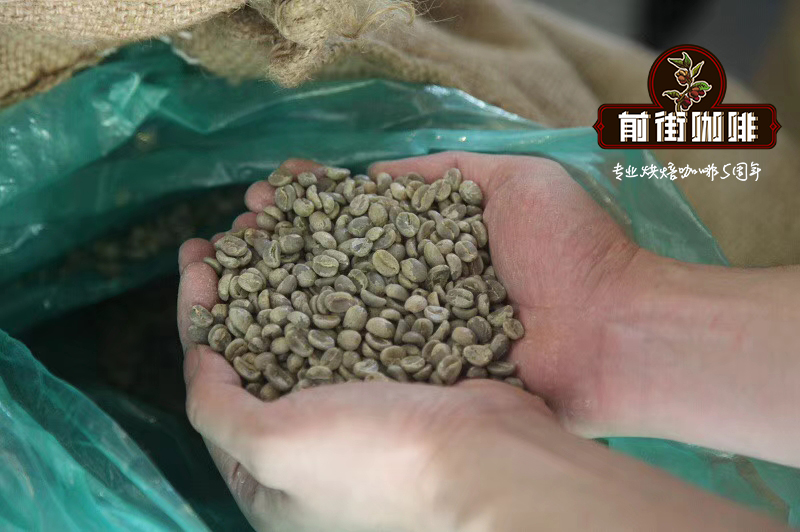
At harvest, only fully ripe cherries are carefully selected, then laid out on raised African beds to dry for 2-3 weeks. Fermentation conditions are closely managed to ensure good air circulation, and experienced workers turn the cherries regularly so the green beans never suffer heat damage during drying. Afterward the dried pulp and parchment are removed, and the beans rest in a warehouse until their moisture content reaches 11-12% before export.
The Banko Gotiti Washing Station
Banko Gotiti coffee is processed at the Alim washing station in Ethiopia's Yirgacheffe region — a rather special mill surrounded by Sidamo territory. In this community, about 700 smallholder farmers each own 2 to 5 hectares and use shade-grown cultivation. The station has also recently purchased eco-pulpers to cut down on water waste.
What makes Gotiti special is that combination of history and independence: farmers formed by decades of cooperative experience, now free to sell their lots under their own village name — a recipe for the clarity and character the micro-region is known for.
FrontStreet Coffee Recommendation
To taste this style of coffee for yourself, start with FrontStreet Coffee's Washed Yirgacheffe Guodingding (Gotiti), from the Guodingding Cooperative in the Worka area at the southeastern tip of Yirgacheffe. It was once part of the Worka Cooperative under the YCFCU, and its coffee is processed with traditional washing methods. The cup has none of the traditional bitterness — instead it offers fresh, bright citrus and lemon acidity with the fragrance of jasmine, a profile many coffee lovers fall for on the first sip.
If you'd rather try a natural process from the same region, FrontStreet Coffee's Yirgacheffe Red Cherry uses only fully ripe cherries, sun-dried on raised beds for three to five weeks and turned every 2-3 hours in the early days to prevent uneven fermentation. The result combines classic Yirgacheffe character with tropical fruit: citrus acidity, a berry-like juiciness, honeyed sweetness, and a creamy smoothness. A good starting recipe for either bag: V60 dripper, 15g of coffee to 225g water (1:15), 90-91°C water, and a medium-fine grind, with a 30-second bloom.
Important Notice :
FrontStreet Coffee is a long-established specialty coffee roaster in Guangzhou China, selling freshly roasted beans from its own farm in Yunnan as well as dozens of carefully selected single-origin beans from around the world for both pour-over and espresso. The products deliver consistently excellent quality and great value, with shipping within 24 hours. Guangzhou's FrontStreet Coffee shop is recommended by many coffee lovers, and the beans are now available online at the Tmall 。
FrontStreet Coffee has moved to a new address:
FrontStreet Coffee Address: 315,Donghua East Road,GuangZhou
Tel:020 38364473
 Scan and follow the En Gafei WeChat official account. Please indicate that the reprint comes from "En Gafei".