How to Drink Yirgacheffe Coffee Beans - Yirgacheffe Coffee Extraction Powder-to-Water Ratio Parameter Adjustment
For professional coffee knowledge exchange and more coffee bean information, please follow Coffee Workshop (WeChat official account: cafe_style).
Introduction to Yirgacheffe Coffee Beans
Yirgacheffe is a famous coffee-producing region in Ethiopia. Its beans are prized for a distinctive citrus and lemon acidity that sets them apart, and coffee lovers worldwide hold them in high regard. In this article, FrontStreet Coffee explains what makes Yirgacheffe coffee beans so compelling that they win over almost everyone who tries them.
Yirgacheffe Coffee Growing Region
Yirgacheffe's fame clearly rests on the coffee grown there. The flavor of any bean is shaped by three things: its growing environment (the region), its variety, and its processing method. FrontStreet Coffee will look at Yirgacheffe beans through these three lenses.
Yirgacheffe has long been one of Ethiopia's most important coffee regions. It was once part of the Sidamo coffee region, but the unique flavor of its beans earned it independent status. In the specialty coffee market, then, Yirgacheffe is not only a place name but also shorthand for coffee with citrus and lemon acidity.
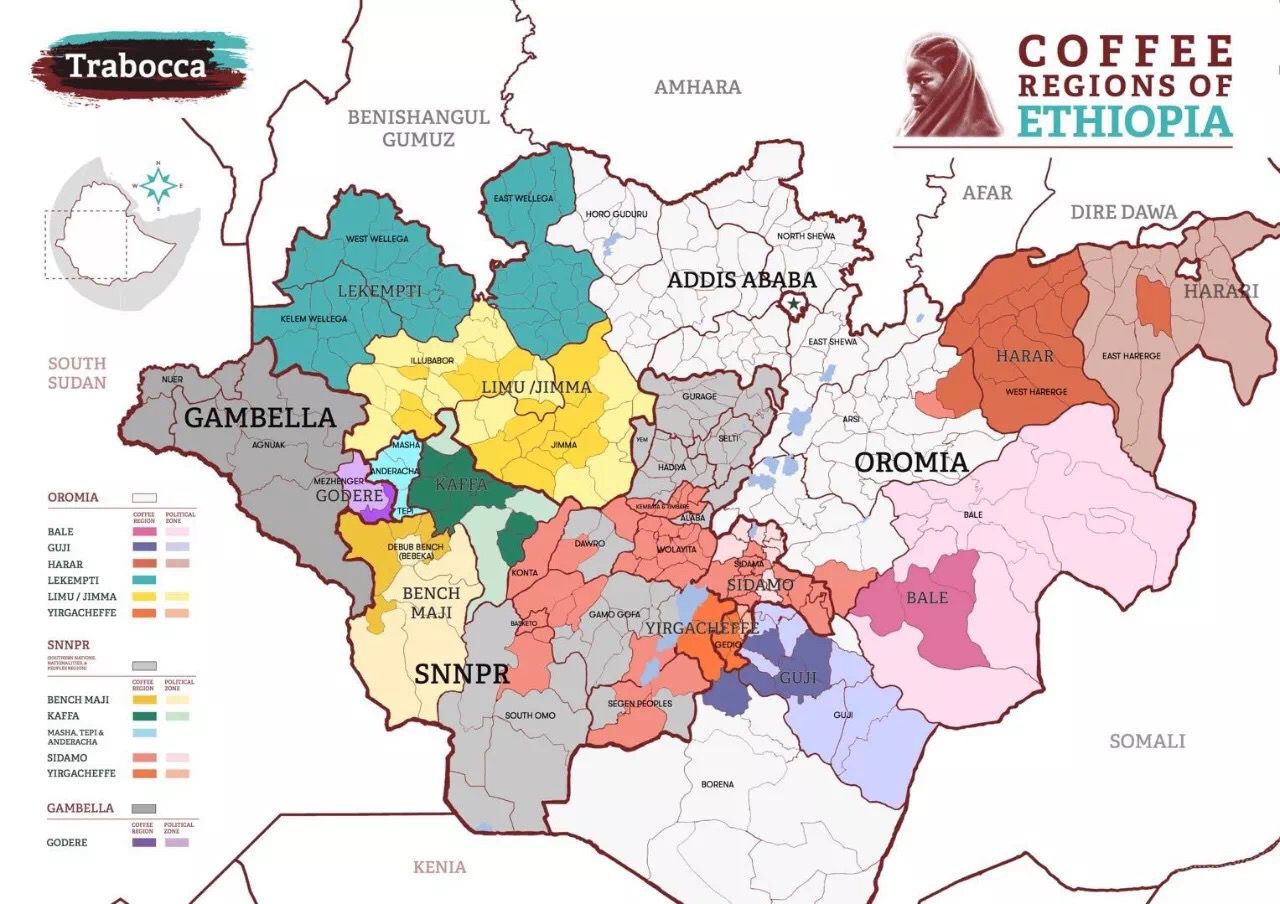
According to FrontStreet Coffee, the Yirgacheffe coffee region is the highest-altitude coffee region in Ethiopia, at around 2,000 meters. To date, it has more than 40 cooperatives, most of them family-run operations.
The organization that made Yirgacheffe independent was the Ethiopian EXC Coffee Association. Under Ethiopia's ECX system, the Yirgacheffe area is now divided into four sub-regions: Yirgacheffe, Wenka, Kochere, and Genlena abay.
Yirgacheffe has fertile soil and an average altitude above 1,800 meters, which makes it a high-altitude region with a wide day-night temperature swing. The production methods of each sub-region, together with the local coffee gardens of unique indigenous tree species, give every batch of beans a different profile. FrontStreet Coffee also finds the name itself interesting: "yirga" means "to settle down" and "cheffe" means "wetland," so it originally means "let us settle and thrive in this wetland."
Yirgacheffe Coffee Bean Processing Methods
Coffee lovers who know their geography will tell you that Ethiopia sits on a continent where water resources are scarce. Yirgacheffe, however, is a wetland, which makes it very well suited to washed processing. Yirgacheffe beans are famous precisely because of the washed method.
In the early days, Yirgacheffe, like other Ethiopian regions, used the oldest method of all - natural processing. It was not until 1972 that Ethiopia introduced Central and South American washed processing technology to improve bean quality. That move amplified the inherent citrus and lemon aroma of Yirgacheffe beans and made the cup cleaner and brighter. From then on, Yirgacheffe became one of the standard-bearers of world specialty coffee, and most Yirgacheffe beans for export today are washed.
That said, FrontStreet Coffee notes that in the 21st century natural processing in many regions began to improve. Better technique brought stunning naturally processed beans to the specialty market. A Yirgacheffe trader named Bagershi, missing the traditional natural flavors, set about improving natural processing and released several outstanding natural lots, restoring the standing of natural coffee in the region. FrontStreet Coffee's Yirgacheffe Natural Red Cherry is a good example, and it is very popular among coffee lovers.
Next, FrontStreet Coffee introduces the differences between washed and natural processing for Yirgacheffe beans.
Natural Processing Method
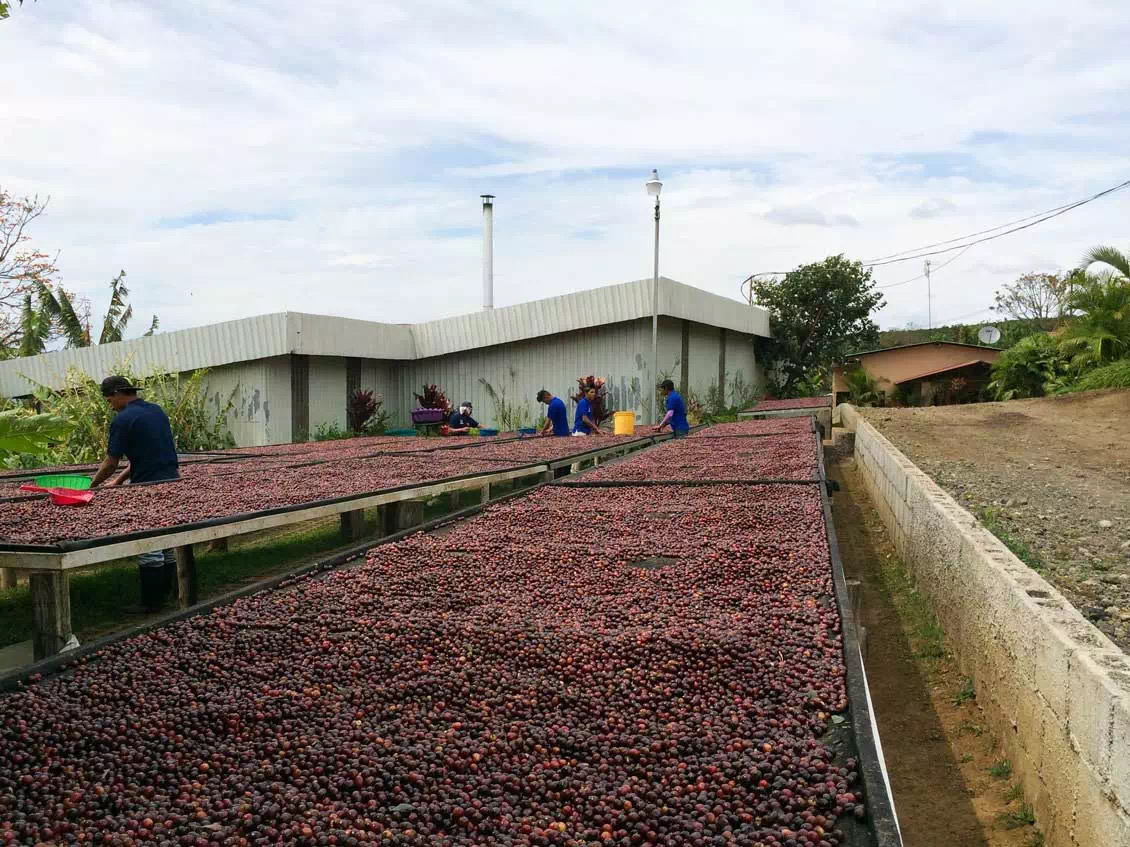
Natural processing is the oldest method of handling coffee beans, also known as "natural drying." It needs no high-end equipment - only consecutive sunny days for sun drying, which takes 27-30 days. It therefore demands a strict climate and suits arid countries.
As FrontStreet Coffee noted earlier, Ethiopia itself is a coffee-producing country that widely uses natural processing because of its high altitude, dry climate, and scarce water. The reason Yirgacheffe leans so heavily on washed processing is that the area is naturally a wetland and the most water-rich part of Ethiopia.
It is worth noting, though, that although natural processing is relatively simple, naturally processed beans do not always look appealing - they may show cracks and look less attractive as a result.
Natural Processing Workflow
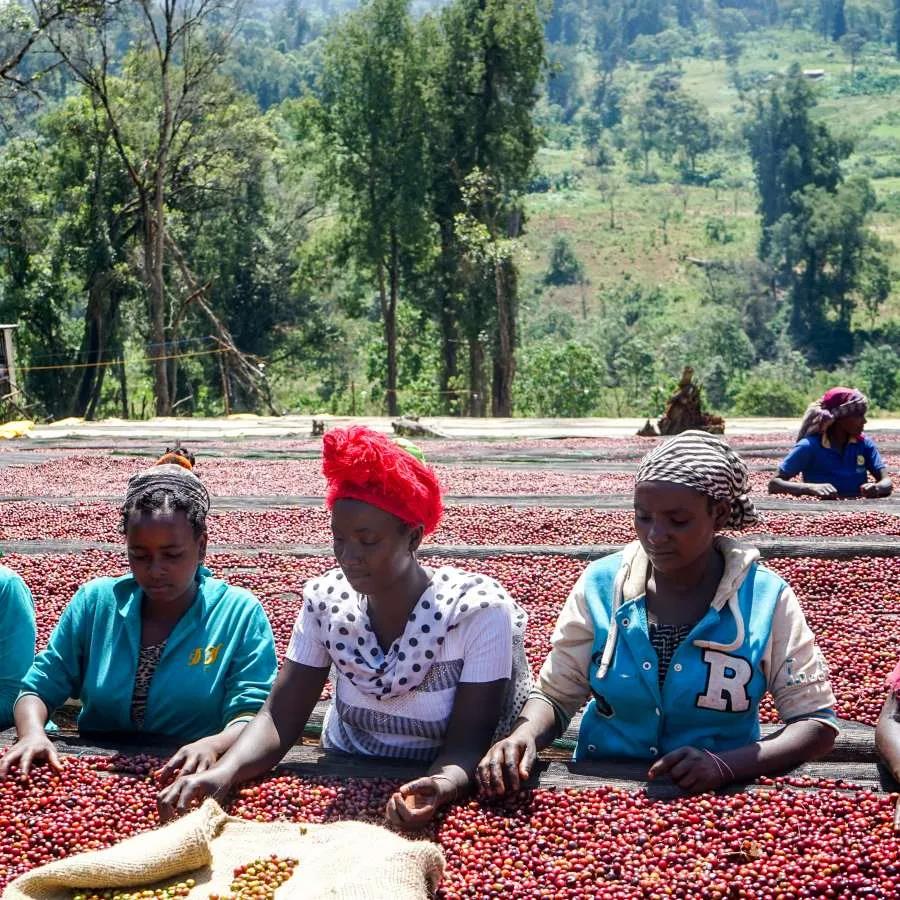
- First, ripe coffee cherries are harvested, then manually sorted to remove defective, overripe, or insect-damaged fruit, keeping only good beans. This is also why the beans at FrontStreet Coffee generally look uniform and attractive.
- The sorted cherries go to drying areas. Different regions use different drying structures - some use waterproof tarps, some raised beds, some concrete floors. Drying averages 27-30 days, until the coffee's moisture content drops to 11% and the drying process is complete.
- This step is crucial: after drying, the cherries are sent to specialized processing plants for hulling and even polishing, removing the fruit pulp and other parts to give the green coffee beans we recognize.
- After hulling, the green beans are screened again to remove beans with a poor appearance. Over-dried beans are quite fragile and may break into fragments during hulling, while under-dried beans hold too much moisture and are prone to bacterial growth and mold. So they are screened once more before being sent to warehouses for storage and export packaging.
Flavor Profile of Natural Processed Coffee
Because of the long exposure to the sun, naturally processed beans taste more intense and layered, with fermented, wine-like notes and higher sweetness.
Washed Processing Method
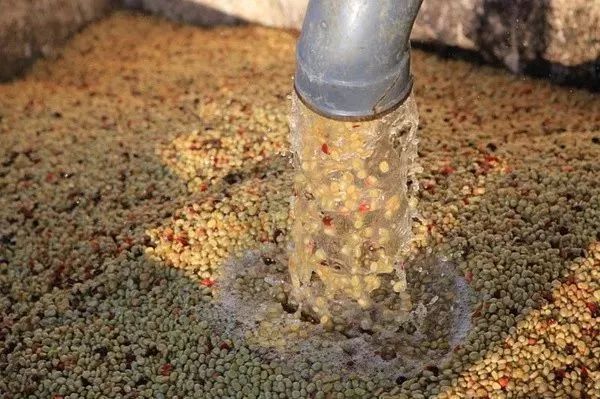
The second common method is washed processing. Most of FrontStreet Coffee's regional coffees are washed as well, especially its daily beans. Washed beans are cleaner, with a more transparent flavor profile that represents the original taste of the coffee cherry. FrontStreet Coffee often says that washed coffee is the guiding light for understanding a region's flavor.
Washed Processing Workflow
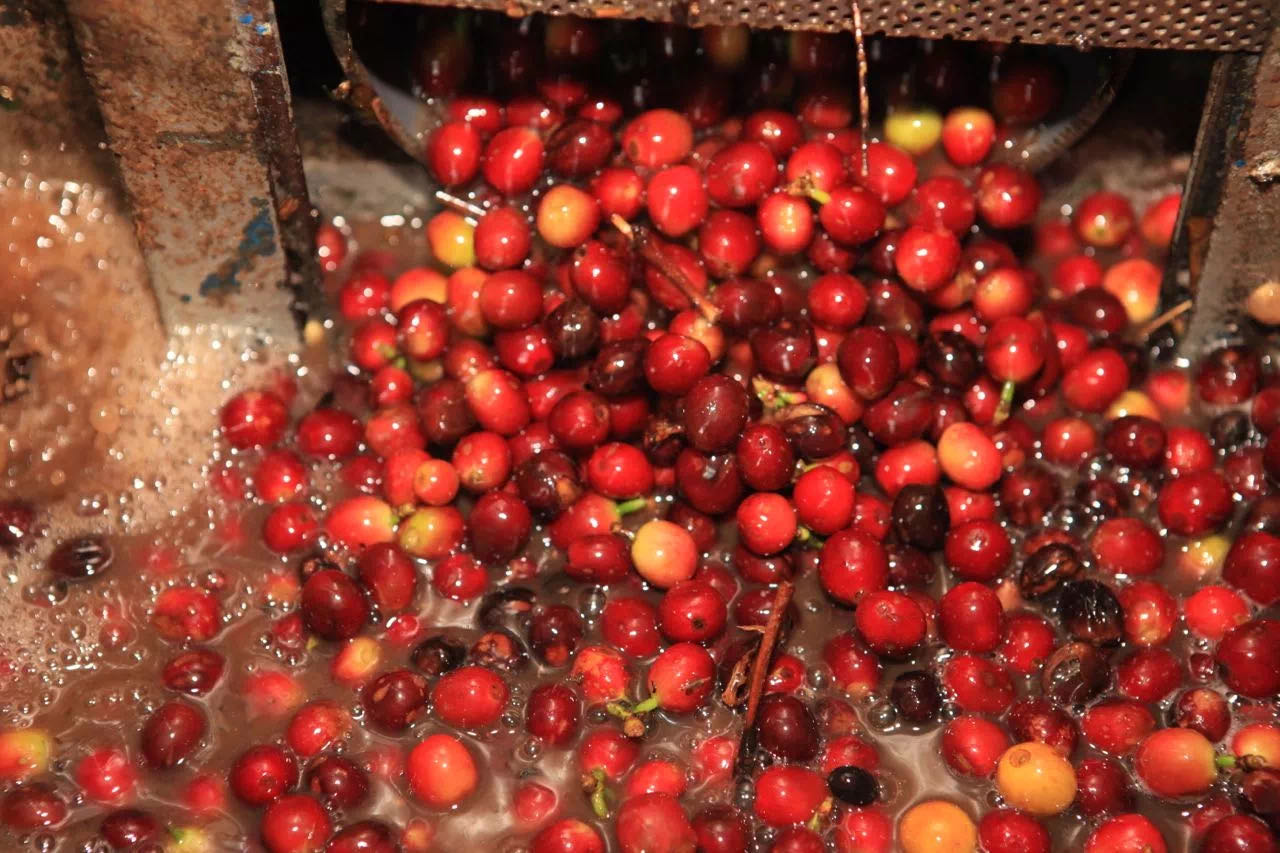
- First, farmers pour all the harvested cherries into water. Defective beans float to the surface, while those that sink are quality cherries. This saves a great deal of time compared with sorting each cherry by hand.
- The selected cherries go into a pulper to remove the outer skin and pulp. A layer of mucilage remains on the surface, so large amounts of clean water are needed to wash away the sticky residue.
- Fermentation then removes the mucilage completely. This takes about 18 hours. When it finishes, fermentation bacteria cling to the cherry surface, so another thorough wash with plenty of clean water is needed. At this stage, producing 1 kilogram of coffee beans consumes 40-50 kilograms of clean water. FrontStreet Coffee considers that a very large number, which is why arid countries cannot adopt washed processing.
- The cleaned beans can then be dried. Some regions take them outdoors to air-dry, while more developed regions send them to processing plants for machine drying until the coffee's moisture content drops to about 11%.
- Finally, the dried beans are stored and packaged for sale and export.
Flavor Profile of Washed Processed Coffee
As FrontStreet Coffee mentioned above, washed beans have a cleaner, more transparent flavor, with acidity and fruit notes, a bright taste, and lower sweetness and body.
Differences Between Washed and Natural Yirgacheffe Coffee
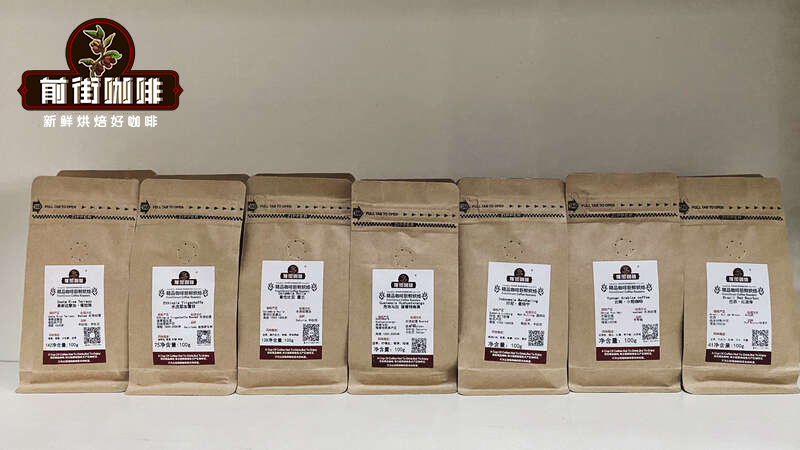
The most fundamental difference between natural and washed processing is that natural processing retains the flavor of the fruit pulp, while washed processing removes it and lays bare the most essential flavor of the bean. The taste difference is obvious - washed is cleaner and brighter, natural is richer. FrontStreet Coffee prefers washed processing because it reflects the most essential flavor of the beans. When recommending coffee, if a customer is tasting a region for the first time, FrontStreet Coffee will prioritize a washed coffee so the regional character comes through clearly.
Next, FrontStreet Coffee uses Yirgacheffe washed and natural beans to compare the flavor differences more directly.
FrontStreet Coffee Ethiopia Gedeb Coffee Beans
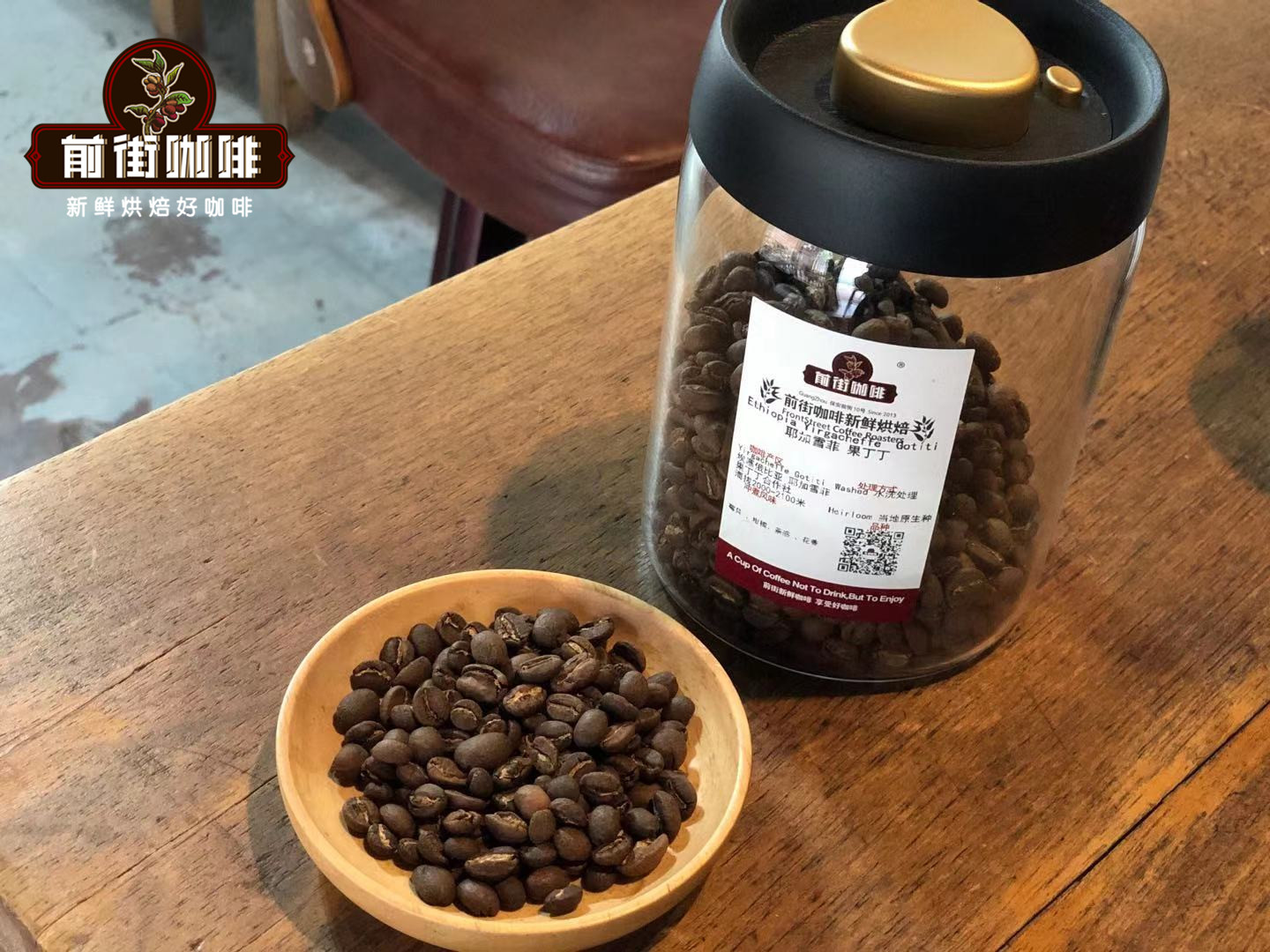
Country: Ethiopia
Region: Yirgacheffe
Altitude: 1900-2300m
Variety: Local heirloom varieties
Processing: Washed
Flavor: Tropical fruits, cream, honey, berries, citrus
According to FrontStreet Coffee, the Gedeb cooperative was originally part of the Wenka cooperative under the Yirgacheffe Union YCFCU, becoming independent as the Gedeb cooperative in 2012. It currently has about 300 small-farmer members. Because Gedeb village was one of the first independently separated village areas, many of its small farmers were originally members of the Wenka cooperative, so their coffee-growing skills are beyond question, and the beans naturally carry excellent flavor.
FrontStreet Coffee Ethiopia Yirgacheffe Natural Red Cherry
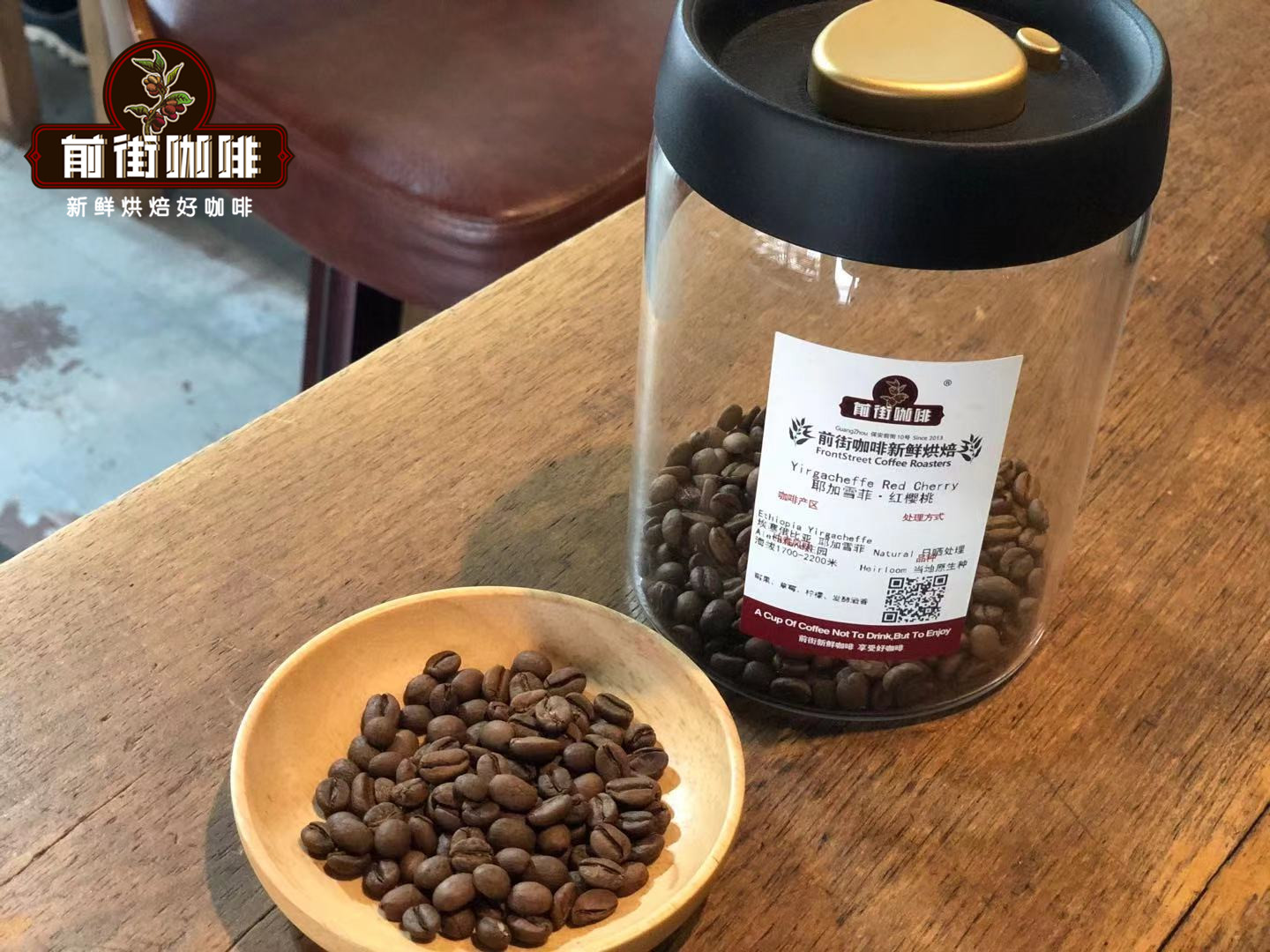
Country: Ethiopia
Region: Yirgacheffe
Altitude: 2300m
Variety: Local heirloom varieties
Processing: Natural
Flavor: Berries, lemon, strawberry, fermented wine notes
FrontStreet Coffee's Natural Red Cherry beans are made from 100% ripe coffee beans using natural processing, producing a highly aromatic cup with rich sweetness and fermented notes.
The bean comes from the "Red Cherry Project" jointly initiated by local Ethiopian coffee farmers and the Dutch trader Trabocca. The project aims to improve the quality of coffee from small farms and raise farmers' incomes. Harvesting fully ripe cherries means picking only fully red, high-ripeness fruit, and doing it entirely by hand - but that is only the most basic requirement. There are corresponding requirements for processing as well.
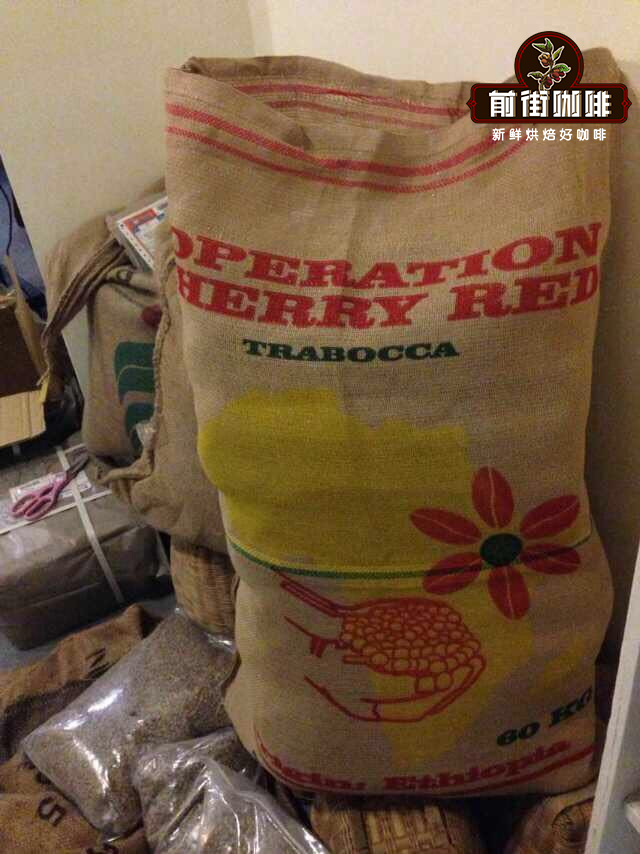
Above are FrontStreet Coffee's most representative Yirgacheffe washed and natural beans. Before listing these two coffees, FrontStreet Coffee ran extensive roasting and brewing tests. Next, FrontStreet Coffee shares the characteristics of these two pour-over Yirgacheffe coffees.
FrontStreet Coffee Roasting Data Sharing
Natural Red Cherry:
FrontStreet Coffee runs two rounds of manual defect screening before roasting. Hand selection before roasting lays the foundation for roasting high-quality coffee. This Natural Red Cherry has an extremely low defect rate.
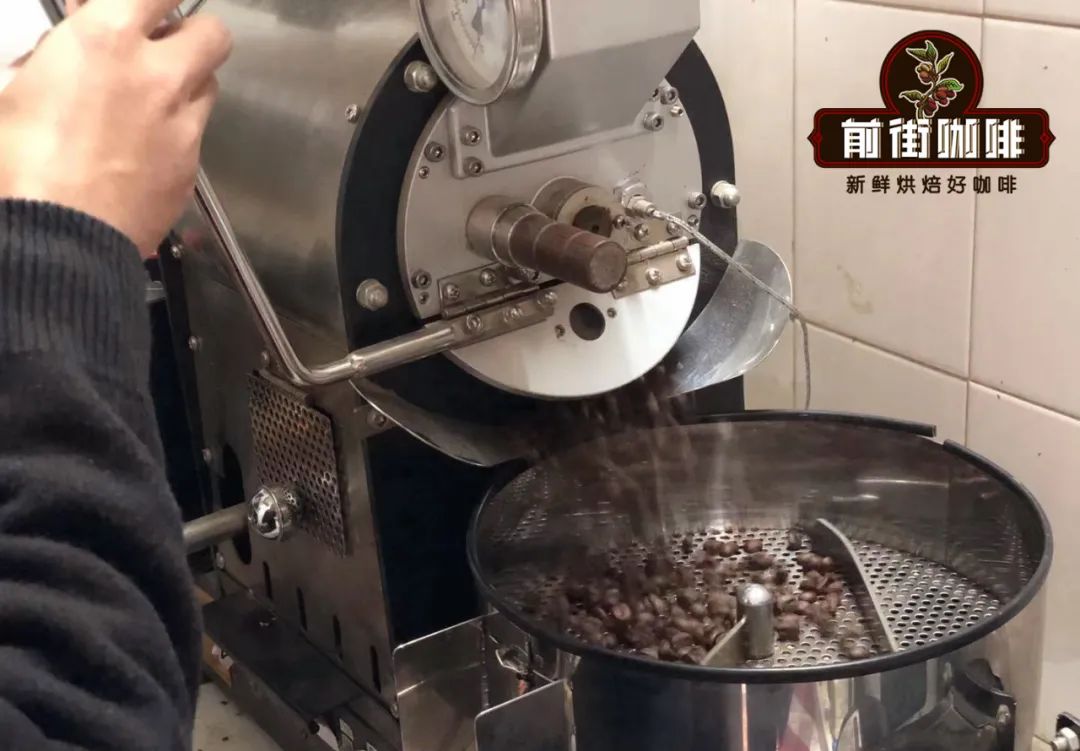
Using a Yangjia 800N with 600g of beans: heat to 200°C to start, damper at 3.5. After 1 minute, adjust heat to 160°C, damper unchanged. At 148°C, adjust heat again to 130°C. Roast to 5'03", temperature 151°C, beans turn yellow, the grassy smell disappears completely, dehydration complete. Adjust heat to 105°C, damper to 4. At 8 minutes, the beans show ugly wrinkles and black spots, and the toast smell turns clearly to coffee aroma - this can be defined as the prelude to first crack. Listen carefully for the first crack sound. At 9'07", first crack begins; reduce heat to 70°C and open the damper fully (adjust heat very carefully, not so low that cracking stops). Finish at 194°C.
Washed Gedeb:
FrontStreet Coffee's roaster considers this Gedeb bean's main characteristic flavor to be fruit acidity, making it suitable for a light roast that highlights Gedeb's clean taste, bright fruit acidity, and obvious aftertaste.
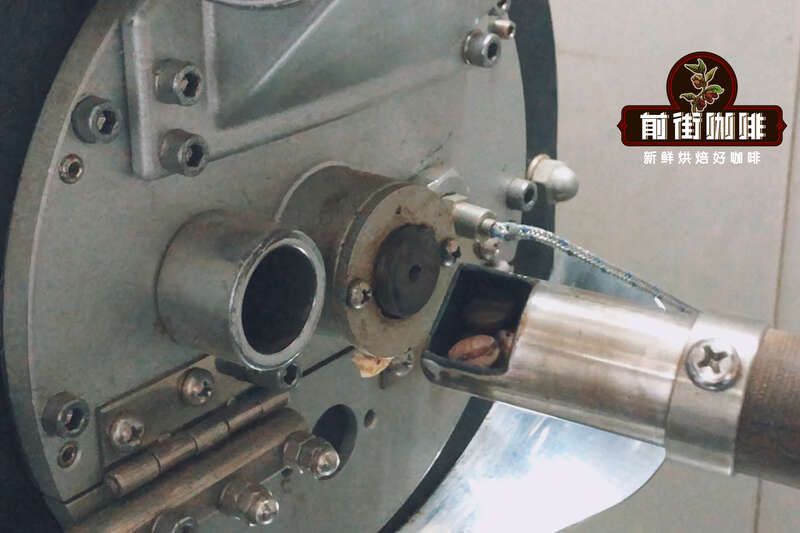
Using a Yangjia 800N with 480g of beans: heat to 175°C to start, damper at 3, heat at 120. Return to temperature at 1'32"; when the drum reaches 140°C, heat unchanged, damper to 4. At this point the beans turn yellow and the grassy smell disappears completely, entering the dehydration stage. At 166°C, reduce heat to 100; at 176°C, reduce heat to 80, damper unchanged. At 8'28", the beans show ugly wrinkles and black spots, and the toast smell turns clearly to coffee aroma - this can be defined as the prelude to first crack. Listen carefully for the first crack sound. At 9'38", first crack begins; adjust the damper to 5 (adjust heat very carefully, not so low that cracking stops). After first crack, develop for 1'30", finishing at 193.5°C.
FrontStreet Coffee Brewing Data Sharing
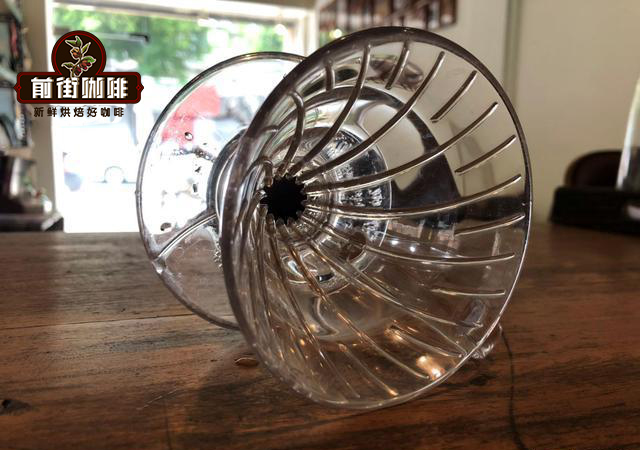
Dripper: V60 #01
Water Temperature: 90-91°C
Dose: 15g
Ratio: 1:15
Grind Size: BG6m/medium-fine grind (80% pass through #20 sieve)
Brewing Method: Three-stage extraction
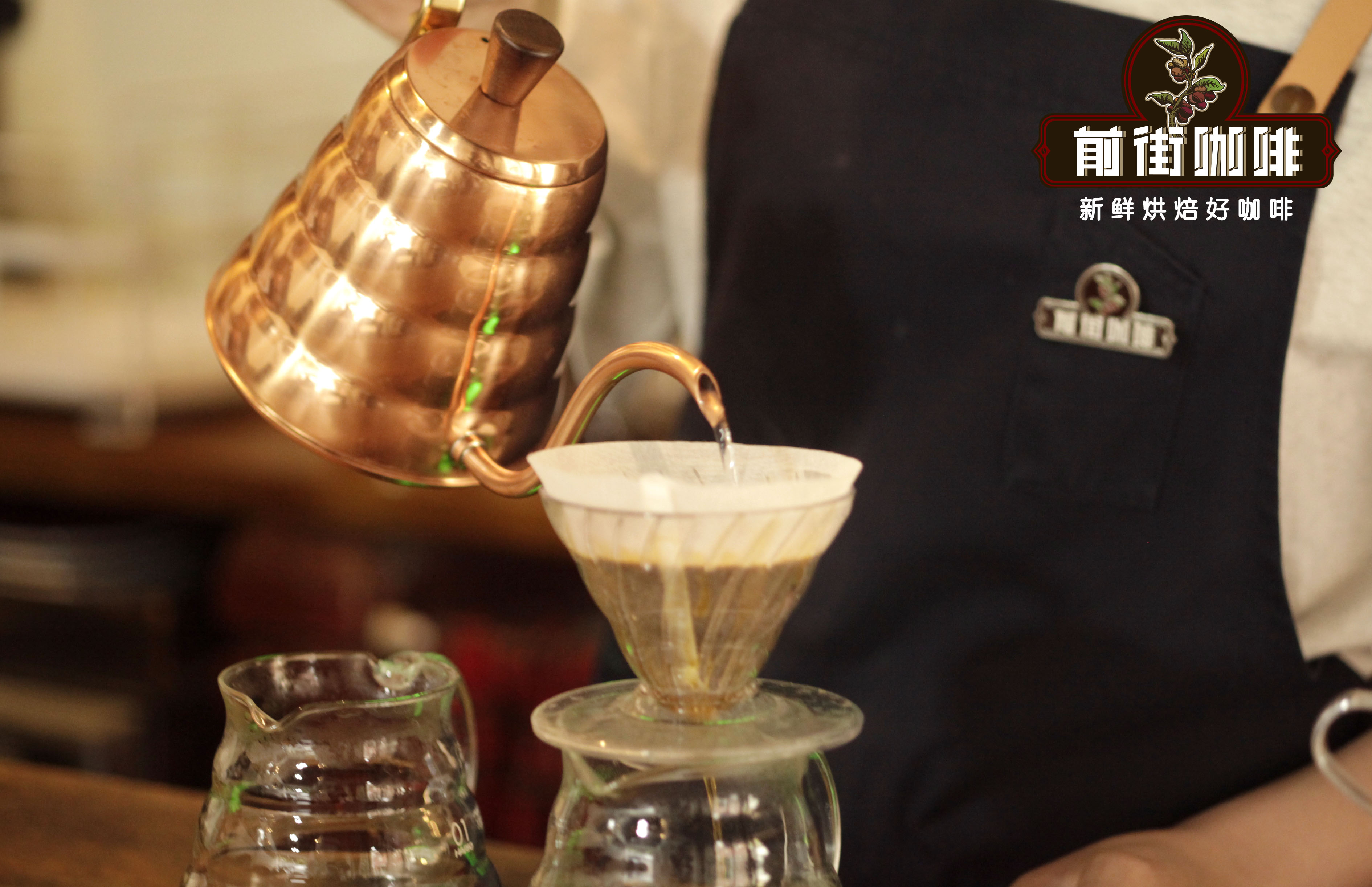
First stage: pour 30g of water for a 30-second bloom. Then pour 95g (the scale reads about 125g), finishing in about 1 minute. When the water level drops to two-thirds of the coffee bed, pour the remaining 100g (the scale reads about 225g), finishing in about 1 minute 35 seconds. Complete drip filtration between 2'00" and 2'10", remove the dripper, and finish extraction.
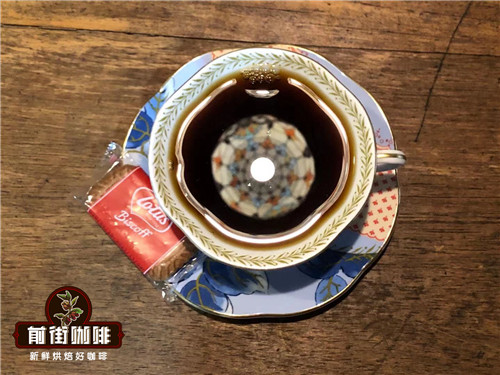
Natural Red Cherry Brewing Flavor: Lemon, licorice, citrus, berries, sweet orange. Overall sweetness is high, with caramel and cream in the aftertaste and black tea aroma in the finish.
Washed Gedeb Brewing Flavor: Citrus and black tea on entry. As the temperature changes, cream, caramel, and almond notes appear in the aftertaste, with obvious return sweetness and a clean, sweet taste.
For more specialty coffee beans, please add FrontStreet Coffee on private WeChat: kaixinguoguo0925
FrontStreet Coffee Recommendation
For a first taste of Ethiopia, FrontStreet's washed Yirgacheffe is the classic starting point: white jasmine florals, bright citrus and lemon acidity, and a clean tea-like body, all at a friendly price. Yirgacheffe itself is a small town in southern Ethiopia's Sidamo zone at roughly 1700-2100 meters, with the coffee trees planted above 1800 meters, and its recognizable white florals and lemon-citrus acidity have made the name a byword for Ethiopian specialty coffee.
If you want a washed lot from a single village, FrontStreet's Gedingding Cooperative coffee comes from the Worka area at the southeastern edge of Yirgacheffe. It was originally part of the Wenka cooperative under the YCFCU union and became a single-origin selection as demand for traceability grew. It keeps the traditional washed process and shows fresh, bright citrus and lemon acidity with jasmine fragrance and no bitter edge.
For the natural side, FrontStreet's Natural Red Cherry uses a whole-cherry, all-red-fruit natural process: only fully ripe, sound cherries are picked, screened, and dried on raised beds for three to five weeks, turned every two to three hours early on. Because the fruit dries with the bean, the cup keeps the classic Yirgacheffe character while adding tropical fruit from the natural process - citrus-like acidity, berry-juice body, honey sweetness, and creamy smoothness. FrontStreet brews it at 90-91°C with 15g of coffee at a 1:15 ratio and a medium-fine grind size.
Important Notice :
FrontStreet Coffee is a long-established specialty coffee roaster in Guangzhou China, selling freshly roasted beans from its own farm in Yunnan as well as dozens of carefully selected single-origin beans from around the world for both pour-over and espresso. The products deliver consistently excellent quality and great value, with shipping within 24 hours. Guangzhou's FrontStreet Coffee shop is recommended by many coffee lovers, and the beans are now available online at the Tmall 。
FrontStreet Coffee has moved to a new address:
FrontStreet Coffee Address: 315,Donghua East Road,GuangZhou
Tel:020 38364473
 Scan and follow the En Gafei WeChat official account. Please indicate that the reprint comes from "En Gafei".