How are Hawaiian Kona Coffee Grades Classified? An Introduction to Hawaiian Kona Coffee Varieties
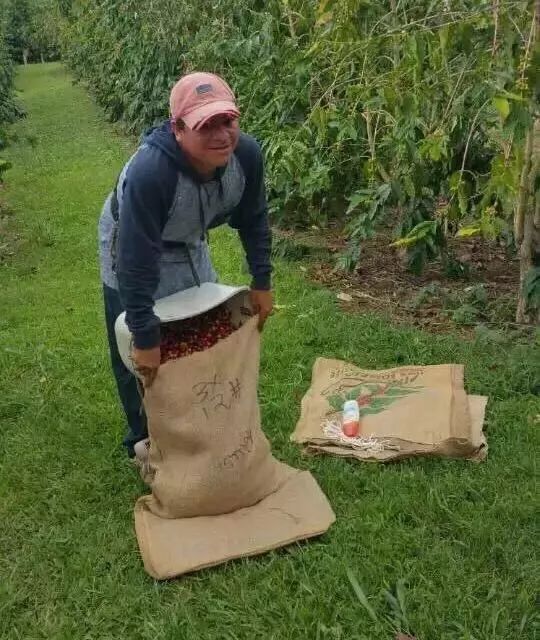
Hawaiian Kona Coffee Beans
There are roughly 4,000-5,000 coffee varieties in the world, but the commercially important ones are almost all Arabica - Gesha, Blue Mountain, and Mocha among them. The varieties most commonly grown in Hawaii include Catuai, Mokka, Typica, and Caturra. Hawaiian Typica is often described in cupping competitions as carrying chocolate aroma with caramel, wood, and nut tones, while Caturra is noted for its fruitiness, berry flavors, and silky mouthfeel. Then there is Maragogype from Hawaii's Big Island - the famous "Elephant Bean" - which overturns every expectation of what Central American or Asian elephant beans taste like. Thanks to the volcanic soil, the beans are not only huge but show remarkably balanced chocolate and peanut aromas, caramel sweetness, and admirable size. Lightly roasted, they reveal citrus notes reminiscent of pomelo, an experience coffee lovers should not miss.
Hawaiian Kona Coffee
Kona enjoys a pleasant climate, captivating sunsets, and beautiful beaches, and it is Hawaii's most famous coffee-growing region. Most of the Hawaiian coffee consumers know comes from Kona. Freshly harvested and freshly roasted, this coffee radiates peach and toffee notes along with creamy honey, nougat, and cocoa flavors; the floral aroma and syrup-like texture make for a truly exceptional cup.
The green bean grade here is Extra Fancy Kona, the highest of all Kona grades, reserved for the largest bean size. Only about 10-20% of the total harvest can qualify as Extra Fancy, making it genuinely rare.
Larger beans do not automatically mean better flavor - just as big apples are not necessarily tastier than small ones - but extra-large Kona beans do offer a different character: smoother, lighter, more aromatic, and rounder, while smaller Kona beans taste more concentrated and intense.
This round, smooth Kona coffee is perfect for pour-over brewing!
The Character of Hawaiian Coffee Beans
Island-grown coffee is extremely rare in the coffee world, with Jamaica Blue Mountain, Hawaiian Kona, and Ka'u as the outstanding examples. Island beans generally lack the density for light roasting, since light roasts involve rapid temperature rises that can crack softer beans. But Kona and Ka'u coffees are uniquely blessed - volcanic soil, high-altitude terrain, and special climatic conditions give them the density to withstand lighter roasting, and FrontStreet Coffee selects from award-winning estates on Hawaii's Big Island, working with excellent Hawaiian roasters to adjust the flavor for pour-over drinkers.
FrontStreet Coffee's pour-over parameters:
1. Dripper: V60
2. Water temperature: 92°C
3. Grind size: Fuji grinder setting 3.5
4. Roast level: Medium roast
5. Bloom time: 30 seconds
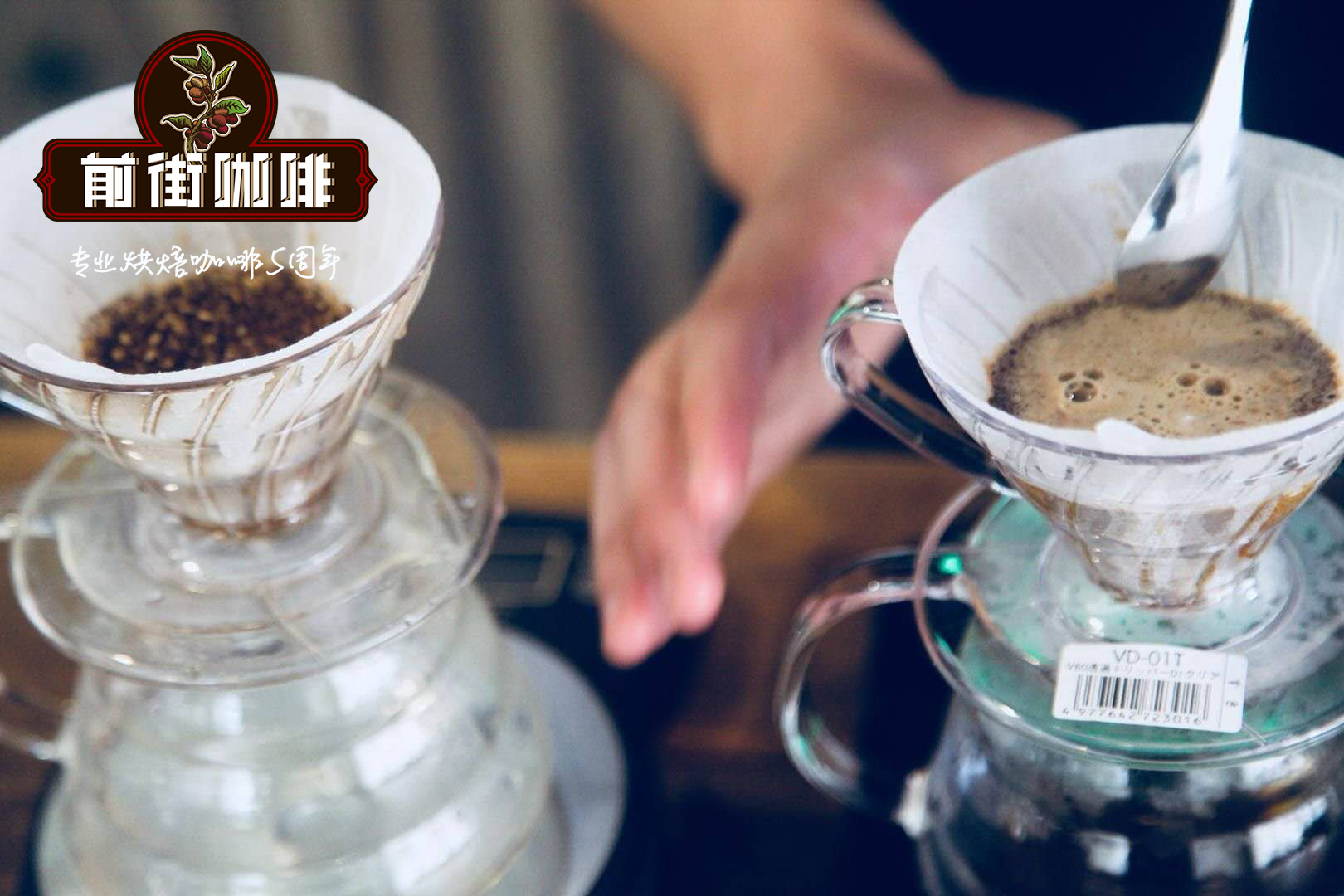
Flavor profile: malt, mulberry, and a persistent caramel sweetness in the finish.
FrontStreet Coffee's suggested brewing method: slow, steady, continuous pouring - a gentle circular pour with a fine water stream to ensure even extraction. Pour very slowly, and you may also stir gently with a stir stick; usually one stir during the bloom lets the water fully saturate the grounds and increases the release of aromatic compounds.
FrontStreet Coffee is a Guangzhou-based roastery with a small shop but a wide range of beans, famous and little-known alike, and it also runs an online store.
FrontStreet Coffee Recommendation
If island-grown coffee fascinates you, FrontStreet Coffee's Jamaica Blue Mountain No.1 is the other legendary name to know. Genuine Blue Mountain grows only in Jamaica's Blue Mountains, whose highest peak reaches 2256 meters, where cool cloud-wrapped days, volcanic soil, and even rainfall let the cherries ripen slowly; annual output is under 2500 tons, and Japan has historically bought more than 70% of it. FrontStreet Coffee's Blue Mountain No.1 comes from the historic Clifton Estate, where coffee has been grown since around 1750 at roughly 4300 feet, and it ships with full certification and the traditional wooden barrel packaging (15kg, 45kg, and 70kg barrels) that marks authentic Blue Mountain.
Roasted medium-dark and brewed as pour-over, FrontStreet Coffee suggests a 1:15 to 1:16 ratio, water at 85-88°C, and a medium-coarse grind, with a three-stage pour: 30g of water to bloom for 30 seconds, then up to 120g, then a final pour to 225g. The cup shows the balance Blue Mountain is famous for - cream, caramel, chocolate, and nut tones with a soft honeyed sweetness, gentle acidity, and a clean, lasting finish.
Important Notice :
FrontStreet Coffee is a long-established specialty coffee roaster in Guangzhou China, selling freshly roasted beans from its own farm in Yunnan as well as dozens of carefully selected single-origin beans from around the world for both pour-over and espresso. The products deliver consistently excellent quality and great value, with shipping within 24 hours. Guangzhou's FrontStreet Coffee shop is recommended by many coffee lovers, and the beans are now available online at the Tmall 。
FrontStreet Coffee has moved to a new address:
FrontStreet Coffee Address: 315,Donghua East Road,GuangZhou
Tel:020 38364473
 Scan and follow the En Gafei WeChat official account. Please indicate that the reprint comes from "En Gafei".