Why Hawaiian Kona Coffee is So Expensive and How to Brew It Perfectly
Why is Kona Coffee So Expensive?
The Hawaiian Islands, between 19 and 22 degrees latitude and cooled by trade winds, form a naturally perfect coffee-growing region. Volcanic soil, a tropical climate, gentle humidity, and regular afternoon showers make for an almost idyllic growing environment that lends the beans their delicate, one-of-a-kind character. Some coffee lovers will tell you outright that Kona coffee is the world's best: stone fruit and chocolate flavors, smooth and delicious in the cup.
When World War I broke out, coffee demand spiked and prices followed, Kona included. The years from that outbreak to 1928 were Kona's golden age. In 1940, World War II drove prices up once more. Kona prices saw several swings through the 1970s and 1980s, but it was in this period that the coffee secured its place among the world's top tiers.
Fame has not changed the arithmetic of supply. The main Kona growing area clings to the slopes of Mauna Loa on the Big Island: a narrow belt about 50 kilometers long and just 1.6 kilometers wide, roughly 1,400 hectares in total, producing less than 2 million pounds of coffee beans a year.
Kona has always been picked by hand, cherry by cherry. That practice grew out of the family-farm tradition of relying on family labor—and out of the determination to let only the finest beans into production. The harvest runs from September to December, and because cherries ripen at different times, farms must pick promptly and repeatedly by hand. Of all the coffee-producing regions, Hawaii's industry ranks among the most strictly managed, with the highest labor costs.
Freshly picked Kona cherries are a tempting red, much like actual cherries, which is why locals call the fruit "Kona cherries." They must be processed immediately after picking to keep spoilage from ruining the flavor. Kona is typically washed, and Hawaii's clean, sweet mountain spring water is ideal for it, giving the beans their bright, clear look and pure, fresh taste. The wet beans then go onto "hoshidana" drying racks to dry slowly in the sun, preserving their special character. Dried Kona beans are known as "parchment" or "Kona gold," after the golden skin that forms on the surface during drying. Once fully dry, that skin is polished off and the beans are graded—every stage continuous manual labor.
These superb natural conditions let Arabica trees of ancient Ethiopian plateau heritage thrive freely in Kona and develop unusually intense flavors. Planting, harvesting, washing, sun-drying, polishing—all by hand, all in very limited quantity. Hawaiian 100% Kona coffee is therefore naturally premium and expensive, ranked alongside Blue Mountain as a synonym for high-end coffee. Unless you're actually in Kona, Hawaii, finding 100% pure Kona beans is difficult.
Kona Coffee Brewing Analysis
1. Dripper: V60
2. Water Temperature: 92°C
3. Grind Size: Small Fuji grinder, setting 3.5
4. Roast Level: Medium roast
5. Bloom Time: 30 seconds
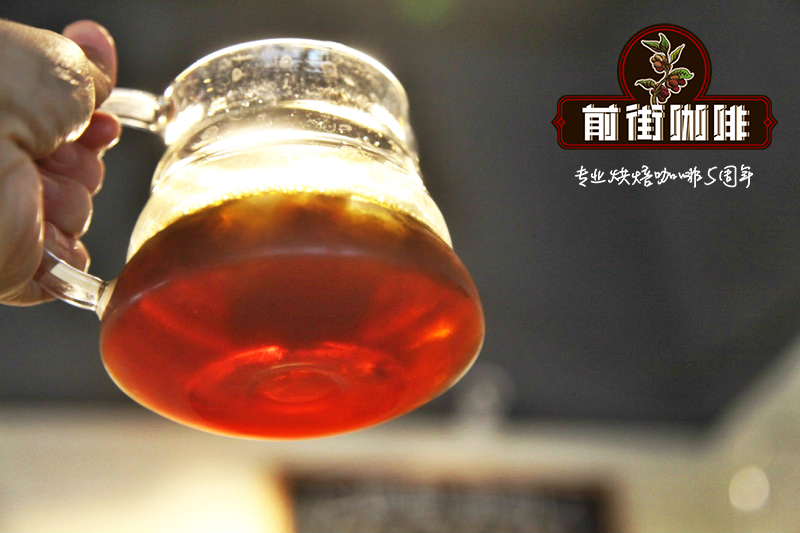
Flavor: Malt, mulberry, and a persistent caramel sweetness in the finish
FrontStreet Coffee's Recommended Technique:
Pour slowly, steadily, and without interruption: gentle circles in a fine, even stream for uniform extraction. Take it very slow, and keep a stir stick handy—one cross-stir during the bloom ensures full water-to-grounds contact and releases more aromatics.
FrontStreet Coffee Recommendation
Love the Kona style but not the price? FrontStreet Coffee's Brazil Queen Estate single origin offers a similar nut-and-chocolate comfort at a friendlier cost. The unique Yellow Bourbon variety, roasted medium, brings nuts, cream, roasted peanut, and caramel cookie notes with restrained acidity and a long, sweet finish—versatile enough for pour-over, French press, moka pot, or home espresso.
Prefer milk-chocolate sweetness and everyday value? FrontStreet Coffee's Dark Cocoa base espresso blend combines Brazil's nutty aroma and smooth body with Yunnan Arabica's gentle plum-like sweetness; it pulls a fine crema at moderate strength and suits americano, latte, or signature drinks, finishing on caramel. And for the most savory, full-throttle version of the style, the entry-level Indonesian Mandheling from the Lintong region—G1 grade, wet-hulled, dark roasted—offers palm sugar, spice, herbs, nuts, and dark chocolate in a thick, low-acid cup.
Important Notice :
FrontStreet Coffee is a long-established specialty coffee roaster in Guangzhou China, selling freshly roasted beans from its own farm in Yunnan as well as dozens of carefully selected single-origin beans from around the world for both pour-over and espresso. The products deliver consistently excellent quality and great value, with shipping within 24 hours. Guangzhou's FrontStreet Coffee shop is recommended by many coffee lovers, and the beans are now available online at the Tmall 。
FrontStreet Coffee has moved to a new address:
FrontStreet Coffee Address: 315,Donghua East Road,GuangZhou
Tel:020 38364473
 Scan and follow the En Gafei WeChat official account. Please indicate that the reprint comes from "En Gafei".