Indonesia's Three Major Coffee Brands: Java, Mandheling, Sulawesi
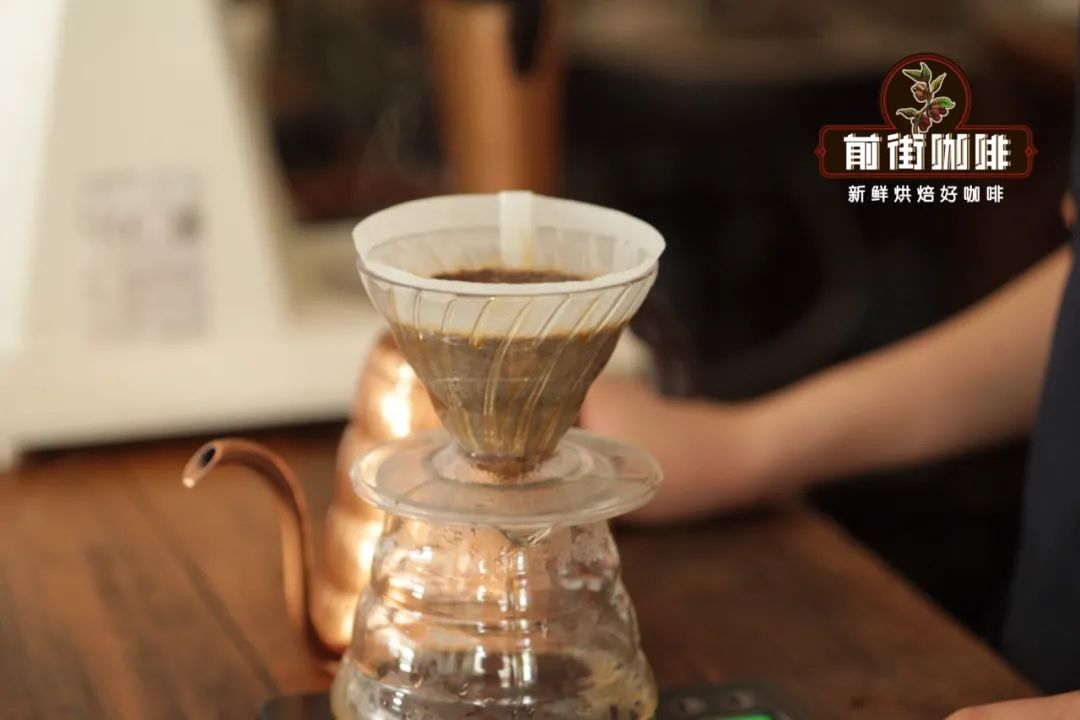
Indonesian coffee is renowned for its mellow, rich flavor and extremely low acidity. With its caramel and dark chocolate sweetness and aftertaste, it has won over Japanese coffee lovers with near-fanatical devotion. Indonesia is a major coffee-producing country in Asia and ranks among the world's top producers. Let FrontStreet Coffee tell you more.
The Development History of Indonesian Coffee
Indonesia, in Southeast Asia, has a coffee history that reaches back to 1696, when the Dutch introduced coffee beans to the country. After successful trial cultivation, Java Island was established as the primary region for large-scale planting. In 1877, however, nearly all coffee trees in Indonesia were struck by leaf rust disease, to which Arabica had no resistance, causing catastrophic losses.

Indonesia then had to import Robusta from Africa. Robusta's strong disease resistance helped the country's coffee economy recover. Today Indonesia is the world's primary producer of Robusta, while Arabica accounts for only 6%-10% of its total coffee production, including the well-known Mandheling beans. Robusta is concentrated in southern Sumatra, while Arabica is grown in northern Sumatra. FrontStreet Coffee's PWN Gold Mandheling comes from the Gayo region of Aceh Province in northern Sumatra.
From FrontStreet Coffee's understanding of Indonesian coffee, the best farm-to-cup coffees come from three regions: Sulawesi Island, Sumatra Island and Java Island. Among them, Java is the most productive, known for Arabica with bright acidity and clean fruit notes. Today, roughly 90% of Indonesian coffee is Robusta, now commonly used for commercial-grade coffee.

Indonesian Coffee History
Arabica plants were first brought to Indonesia in the 17th century by the Dutch East India Company, while Indonesia was still under Dutch occupation. Their goal in cultivating coffee was to break the global Arab monopoly on the coffee trade.
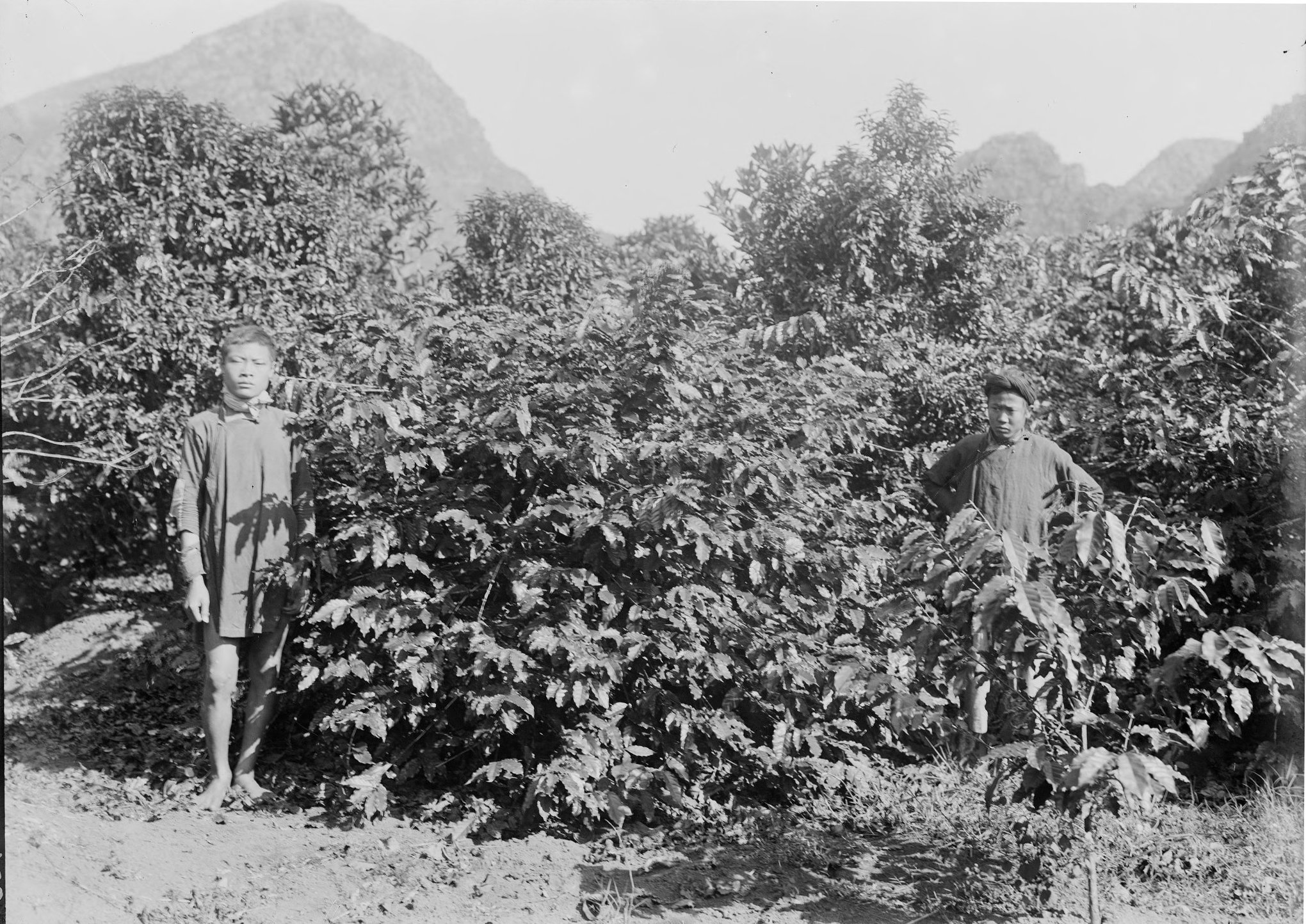
Initially the Dutch colonial government planted coffee in Bogor and southern Sukabumi, as well as near Batavia (Jakarta). Plantations were later established in East Java, West Java and Central Java, with the exception of some areas on Sulawesi and Sumatra. To develop these plantations, vast areas of forest were cleared and cultivated. The growth of coffee plantations drove significant infrastructure development across Central Java during the 19th century; many railways and roads had to be built to move beans from the interior to the ports for export.
Indonesian Coffee Growing Environment
Indonesia has a typical tropical rainforest climate, with average annual temperatures of 25-27°C, no distinct seasons and annual precipitation of 1600-2200mm. Sitting in the volcanic belt, its soil is fertile and rich in minerals, which benefits coffee cultivation. Indonesia's altitude ranges from 900-2100 meters, with the main growing areas concentrated around 1200 meters.
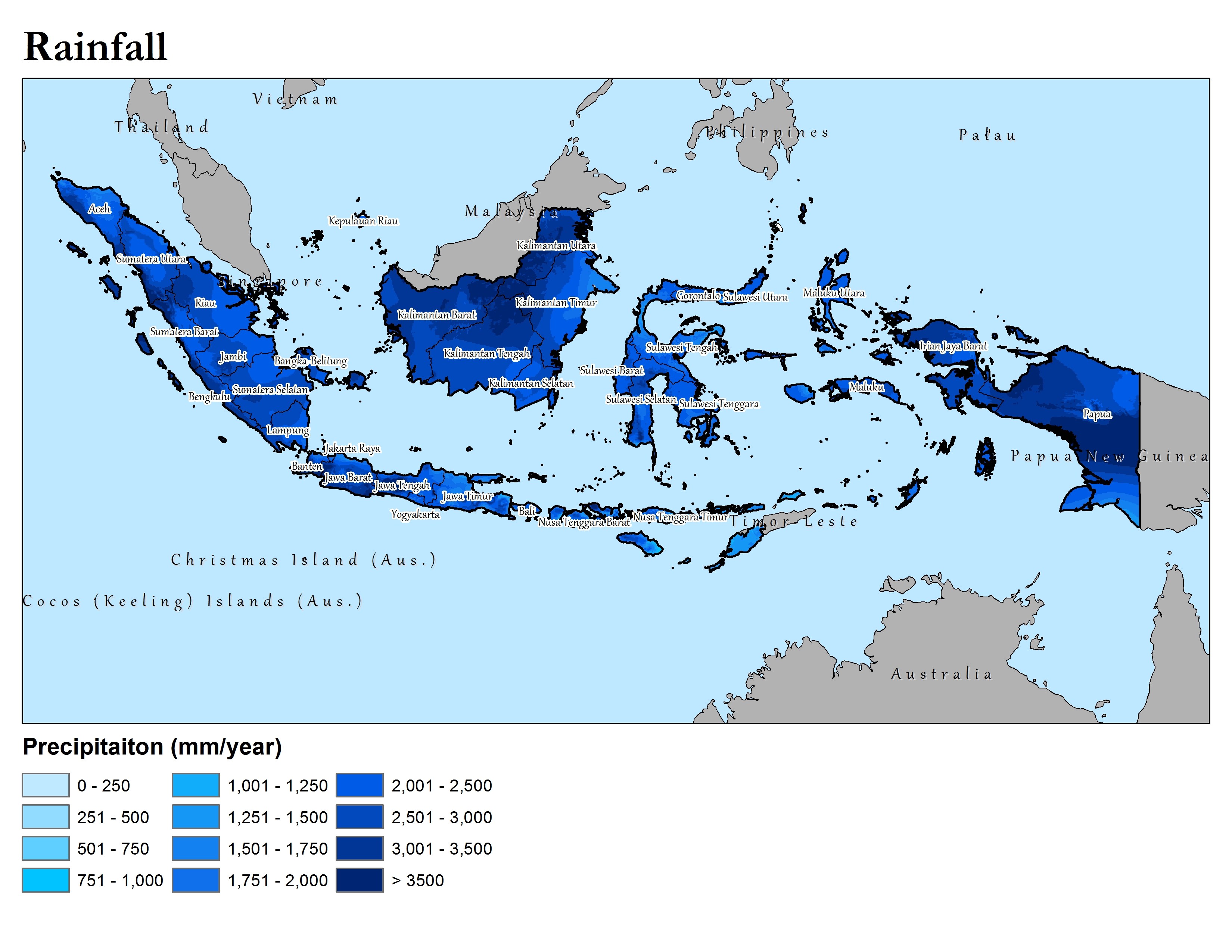
Indonesian beans have two main harvest seasons: the primary season around September-October and the secondary season in May-June. This year's Indonesian coffee exports have risen significantly compared with last year. Analysts suggest this is because exports were reduced last year when prices were high, combined with increased production this season, leading to substantial growth in exports this year.

Indonesian Coffee Bean Varieties
Indonesian coffee mainly falls into three categories: Arabica, Robusta and Liberica. Within these there are more than 20 main varieties, commonly including Catuai, Catimor, Timor hybrid, Typica, S288, S795 and Sidikalong, among others.
Indonesian Coffee Bean Cultivation
Indonesia's coffee cultivation area now exceeds 1 million hectares, accounting for 24% of its total arable land. The average plantation size is 1.7 hectares, with approximately 2.7 billion coffee trees. Of these, 66% are cultivated using modern farming methods on plantations, while the rest are grown on traditionally managed small farms.

Over 95% of Indonesia's coffee is produced by smallholders, with estates mainly located in East Java and Central Java. Most production is organic, and 19 farmer cooperatives and exporters have obtained international organic coffee certification.
Wet Hulling Process
The processing method for Indonesian coffee is known as "giling basah," called semi-washed or wet-hulled elsewhere in the world. Once the coffee is harvested, it is pulped and briefly dried. Unlike most other processes, which dry coffee to 11-12% moisture content, the semi-washed process dries it only to 30-35%. The coffee is then hulled to remove the parchment and expose the green beans underneath. These naked beans are dried again until they are dry enough to store without spoiling. Semi-washed coffees tend to have much lower acidity and more body than most coffees.
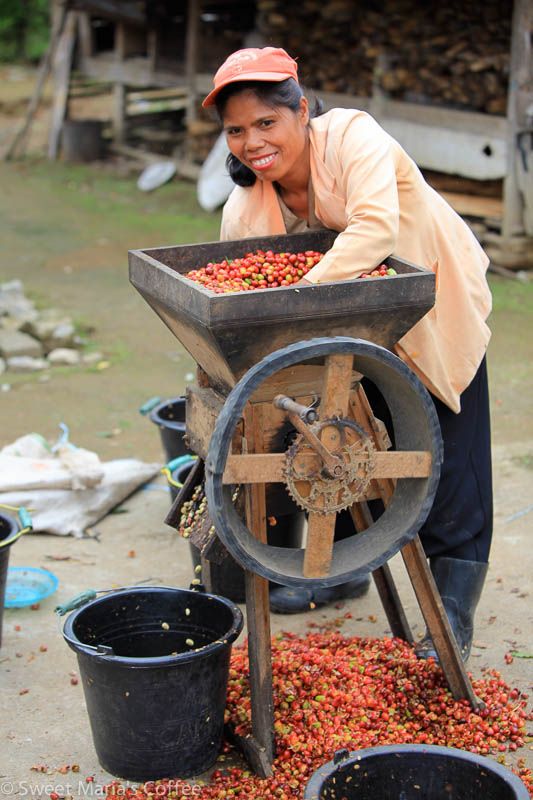
Flavor Profile
Indonesian coffees tend to be dark and bold with prominent earthiness. The semi-washed process produces flavors that include earthy, musty notes, spices, wood, tobacco and leather. They typically have a long-lasting finish with unsweetened or dark chocolate characteristics. Sumatra is today's most popular Indonesian region because it is known for dark roasting. Sumatra produces Mandheling and Ankola, two of the world's most famous and highest-quality coffees, which often have complex smoky or roasted flavors. FrontStreet Coffee has found that opinions on Indonesian coffee are often polarized: those who love it cannot get enough, while those who do not avoid it entirely. When customers come to FrontStreet Coffee asking for a non-acidic pour-over, FrontStreet Coffee always recommends Indonesian beans first.

Sumatra Mandheling Coffee Beans
When people mention Sumatran beans, Mandheling is the first that comes to mind. The main producing area for Mandheling lies around Lake Toba in northern Sumatra, Indonesia. Common Mandheling varieties include Gold Mandheling, Lintong Mandheling and Aged Mandheling.
The three differ in character. Lintong Mandheling is the most traditional, with strong herbal notes. Gold Mandheling is a premium selection grade with uniform bean sizes all above 18 mesh, hand-sorted more than four times, offering a clean and bright flavor while keeping excellent body. Aged Mandheling uses different wet-hulling processes that bring out richer flavors, which not everyone will accept. So when customers ask for a coffee that is both non-acidic and full-bodied, FrontStreet Coffee always recommends Gold Mandheling first.

Example: FrontStreet Coffee PWN Gold Mandheling
Flavor Description: Nuts, chocolate, spices, herbs, caramel. Gold Mandheling tastes cleaner than Lintong Mandheling: the original herbal, earthy and woody notes of Mandheling are nearly gone, but the caramel sweetness is more intense and the fruit acidity brighter and more elegant.
FrontStreet Coffee PWN Gold Mandheling Coffee Beans
Brewing Parameters: Dripper: Kono dripper; Water temperature: 86°C; Coffee dose: 15g; Coffee-to-water ratio: 1:15; Grind size: medium (EK43s grinder setting 11)

Why the Kono dripper: The Kono dripper has few ribs, located at the bottom, so the filter paper adheres closely to the dripper. This restricts airflow and increases the contact time between water and grounds, allowing full extraction and enhancing body.
 FrontStreet Coffee Kono Dripper
Brewing method: Using segmented extraction, bloom with 30g of water for 30 seconds. When you reach 125g, pause. When the water level drops to just above the coffee bed, continue pouring to 225g and stop. Total extraction time: 2'00" from the start of the bloom.
Kopi Luwak Coffee Beans
When discussing Indonesian coffee, Kopi Luwak cannot be overlooked, and FrontStreet Coffee's menu includes it too. The variety used for Kopi Luwak is Robusta, because civets range at low to medium altitudes, where most coffee grown is Robusta. High-altitude Arabica Kopi Luwak is rare.

Although the beans are not digested in the civet's digestive tract, the highly corrosive digestive fluids have eroded their surface. These fluids contain special proteases that break down the beans' original protein chains, decomposing long-chain protein structures into small particles and forming short-chain peptides and amino acids.
The processing of Kopi Luwak is completed inside the civet's body. Because animals are far more precise than humans at selecting ripe fruit, civets choose only mature, high-sugar coffee cherries. After fermentation within their bodies, the beans develop a special herbal aroma and excellent body, and FrontStreet Coffee's Kopi Luwak shows this same excellent body and quality.
The controversy around Kopi Luwak extends beyond its unusual flavor to its production methods. With limited supply and high prices, merchants have begun breeding civets in captivity and feeding them coffee beans to increase production. Some argue this deprives the animals of their freedom, and overfeeding can also affect bean quality.
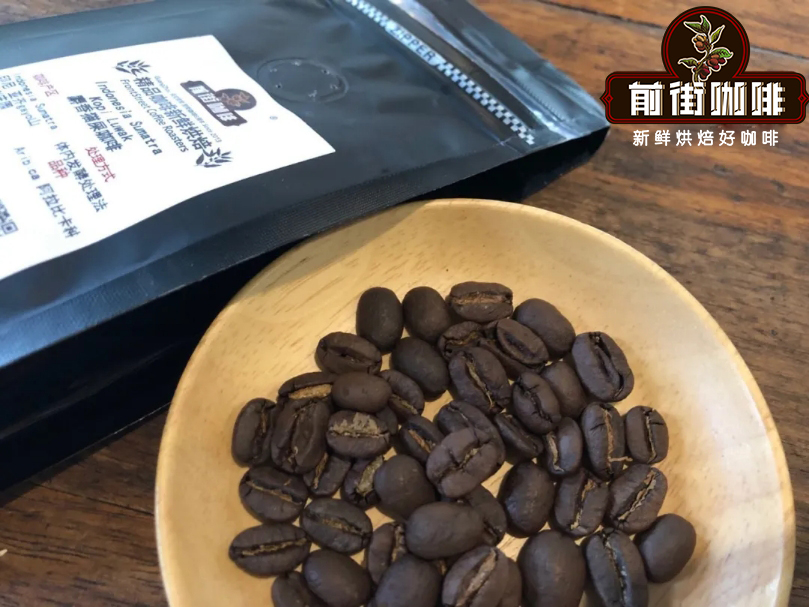
Example: FrontStreet Coffee Kopi Luwak
Flavor Description: Herbal, nuts, dark chocolate, fermented notes.
Brewing Parameters: Dripper: Kono dripper; Water temperature: 86°C; Coffee dose: 15g; Coffee-to-water ratio: 1:15; Grind size: medium (EK43s grinder setting 11)
Brewing method: Using segmented extraction, bloom with 30g of water for 30 seconds. When you reach 125g, pause. When the coffee liquid is about to dry out and expose the coffee bed, continue pouring to 225g and stop. Total extraction time: 2 minutes.

Java Coffee Beans
Java coffee beans have delicate aromatics, relatively low acidity, a fine texture and good balance. Their aroma and acidity are superior to those of Sumatra. Java has a tropical rainforest climate, hot and humid year-round. The plains along the northern coast are the hottest, while the mountains are much cooler. The high humidity often creates an enervating climate. Sitting in the volcanic zone, Java's soil is very fertile.
Higher-quality Java coffees are mostly found in West Java Province, a first-level administrative region of Indonesia, typically from both state-owned and private estates. State-owned estates, with government support, more easily sell to Europe and the United States and therefore enjoy greater fame. The plantations are basically all above 1400 meters, complemented by the local volcanic soil, creating distinctive flavors.
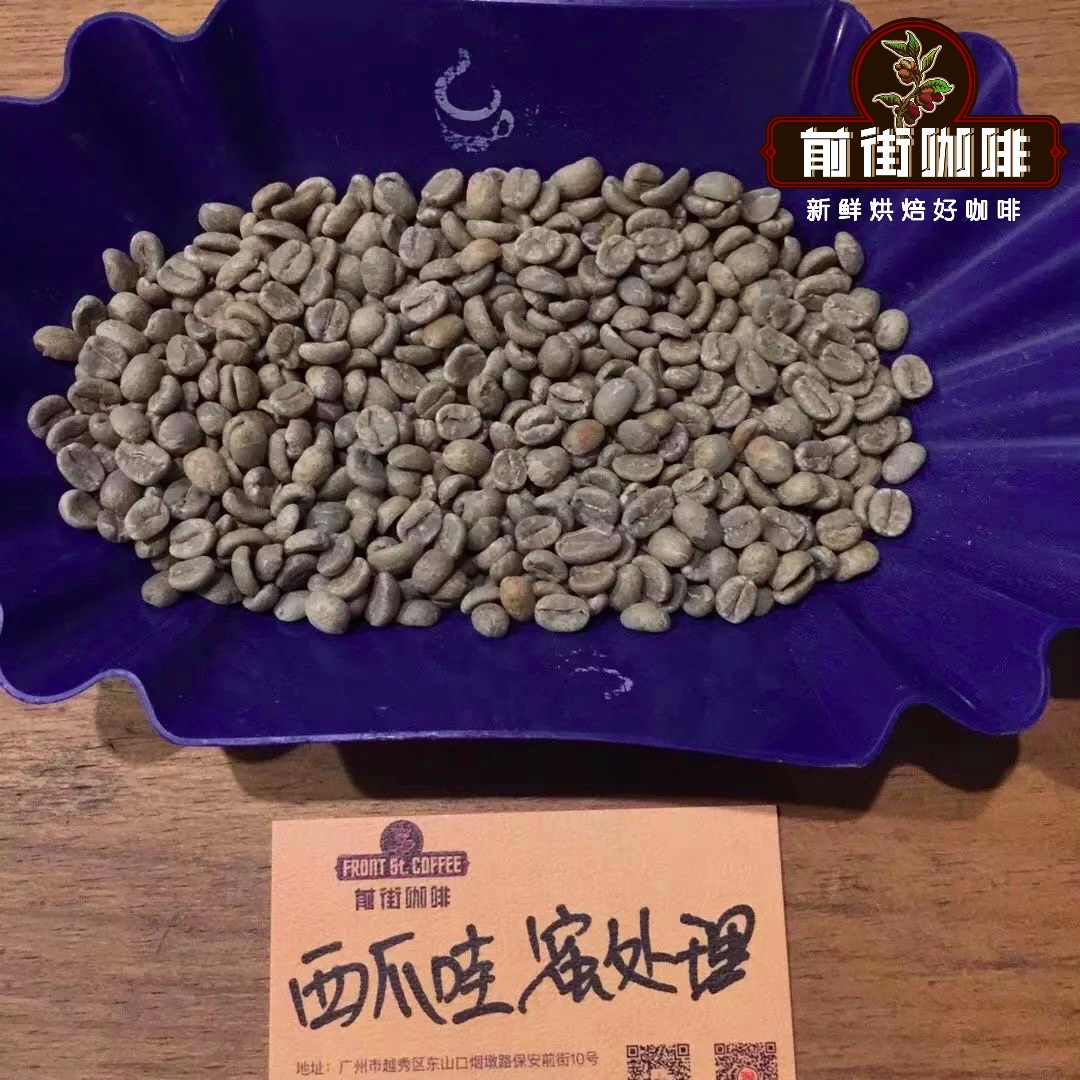
Example: FrontStreet Coffee West Java Coffee
Flavor Description: Mango, red wine, peach juice, intense fruit notes, with plum and jackfruit flavors and a clean, sweet aftertaste.
Brewing Parameters: Dripper: V60 dripper; Water temperature: 90°C; Coffee dose: 15g; Coffee-to-water ratio: 1:15; Grind size: medium-fine (EK43s grinder setting 10)

Brewing method: Using segmented extraction, bloom with 30g of water for 30 seconds. When you reach 125g with a small flow, pause. Continue pouring to 225g and stop. Total extraction time: 2'00".
FrontStreet Coffee Recommendation
Mandheling is the place to start when talking about Sumatran coffee. FrontStreet Indonesia Wet-Hulled Mandheling comes from the Lake Toba area of the Lintong region; processed with the local wet-hulling method, where the parchment is removed while the beans are still semi-dry and exposed to the air, it picks up the classic herbal and spice notes. Roasted medium-dark for the classic Mandheling profile, it is low in acidity yet thick and mellow, with caramel, dark chocolate and toasted bread aromas and a long, sweet finish, ideal for anyone who loves a strong cup.
For the top of the range, FrontStreet PWN Gold Mandheling is the flagship. PWN is a trading house that buys only high-quality Mandheling green beans, and Gold Mandheling is its signature product. Its standards are strict, using one machine pass and hand selection to remove defects so the beans stay uniform, plump and translucent and the muddy, grassy notes are reduced. A freshly roasted cup shows sandalwood, herbal, spice, roasted hazelnut, caramel and dark chocolate, clean and rich and full of layering.
Brewing suggestion for Gold Mandheling: water temperature 87-88°C, 15g of coffee, a 1:15 ratio and a coarse-sugar grind, using a three-stage pour. Bloom with 30ml, then add 100ml to lift the golden foam and raise the bed, and finish with a gentle 95ml center pour to bring out the sweetness, the caramel and the chocolate and nut flavors.
Important Notice :
FrontStreet Coffee is a long-established specialty coffee roaster in Guangzhou China, selling freshly roasted beans from its own farm in Yunnan as well as dozens of carefully selected single-origin beans from around the world for both pour-over and espresso. The products deliver consistently excellent quality and great value, with shipping within 24 hours. Guangzhou's FrontStreet Coffee shop is recommended by many coffee lovers, and the beans are now available online at the Tmall 。
FrontStreet Coffee has moved to a new address:
FrontStreet Coffee Address: 315,Donghua East Road,GuangZhou
Tel:020 38364473
 Scan and follow the En Gafei WeChat official account. Please indicate that the reprint comes from "En Gafei".