Yemen's Renowned Coffee Regions and the Confusing World of Yemeni Coffee Variety Names
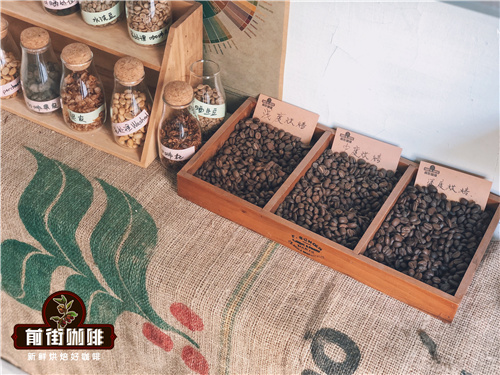
Yemen's Renowned Coffee Regions
There was a time when most coffee consumed in Europe came from Yemen; today, Yemen's coffee exports account for less than 1% of the global total, and both its ports and growing regions are caught up in war. The lot of Yemen coffee FrontStreet Coffee holds is essentially the last significant batch available domestically — it was shipped back via Germany in 2017 while the port was still open, and no large quantities of Yemen coffee have appeared since. In 2019, a Yemeni trader brought in a small promotional batch, but quantities were very limited. FrontStreet Coffee believes that although other coffee-producing countries have expanded their output enormously, Yemen's influence on today's coffee culture and coffee varieties should not be underestimated.
Yemeni Coffee
Yemen is one of the countries with the longest history of coffee cultivation, and it has profoundly shaped global coffee growing and coffee culture. Coffee was discovered in Ethiopia, and devout Muslims and spice merchants from the Arabian Peninsula transformed it into an international crop. Coffee first crossed the Red Sea and was transplanted onto Yemeni soil in the 17th century. The Arabs drank coffee themselves, traded it with Europe, and tried to monopolize the market — it was through these trade routes that coffee spread and became famous. In the mid-17th century, the Dutch transplanted coffee from Yemen to Java and began developing cultivation there, later planting coffee in other countries as well.
The Legend of the Coffee Godfather
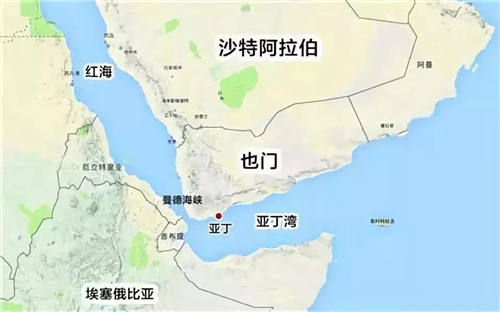
Yemen is separated from Ethiopia by the Mandeb Strait. In early times, coffee was used only as medicine in Africa. Later, Shadili, an Islamic religious figure from Mocha in Yemen, drew on the tea culture of China's Ming Dynasty and developed coffee into a stimulating beverage. Because Islam prohibits alcohol, coffee offered people a welcome alternative and naturally became wildly popular. At the time, coffee's popularity in Arabia was comparable to our love of cola today.
The Decline of the Coffee Dynasty
Unfortunately, Yemen's coffee culture no longer enjoys its former glory, for many reasons: natural disasters such as drought and severe pest infestations, high cultivation costs, cheap imported coffee, and farmers' preference for growing the more profitable khat plant (a leaf chewed like tea, which grows in conditions similar to coffee but turns a harvest much faster). All of these factors have contributed to Yemen's current predicament.
What is Mocha Coffee?
The word "Mocha" carries multiple meanings. Around 600 AD, the first coffee beans to leave their Ethiopian homeland took root across the Red Sea in Yemen, and with them began the global coffee enterprise. Since Yemen's most important export port in the early days was Mocha Port, coffee produced in Yemen came to be called Mocha coffee. Mocha beans are small and fragrant, with pronounced acidity, mellow flavors, moderate sweetness, and a distinctive character. The beans exported via this route are famous as high-quality coffee.
Over time, some people began using "Mocha" as a nickname for coffee itself. Later, because Mocha coffee's aftertaste resembles chocolate, "mocha" also came to mean a coffee drink mixed with chocolate.

In 1933, the Italian Alfonso Bialetti invented the first moka pot, giving every household a simple, convenient way to brew Italian-style coffee. It is no exaggeration to call BIALETTI the father of the moka pot — the first choice for home coffee brewing!
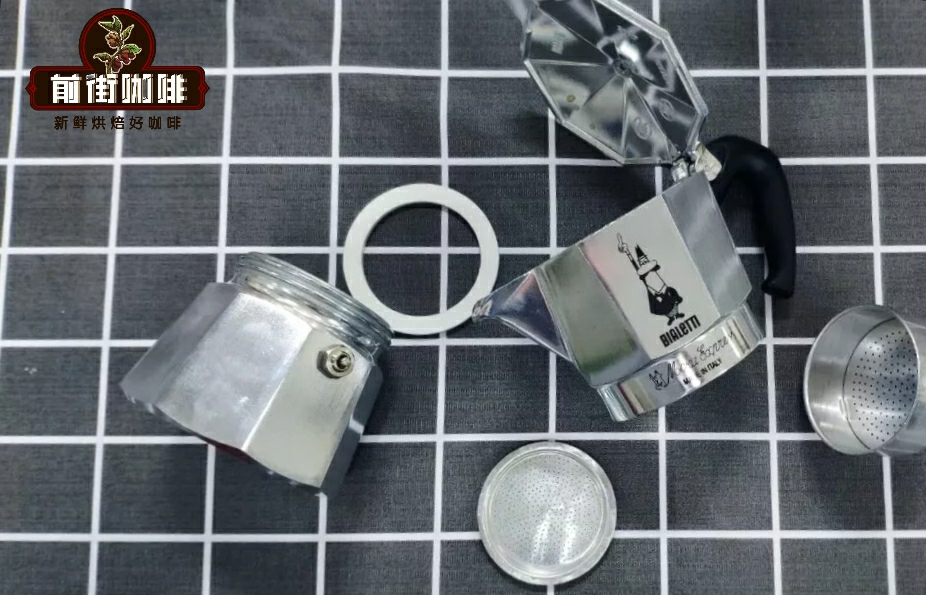
So although they are all "mocha," Mocha beans, the moka pot, and the mocha drink on an espresso menu are three entirely different things.
Yemeni Mocha Coffee
Mocha = Chocolate?
Even people who rarely drink coffee have heard of the mocha beverage, and its popularity comes from its chocolate flavor — which is why many equate mocha with chocolate. Strictly speaking, Mocha coffee beans are beans with a rich chocolate character. In those days, all coffee exported from Yemen passed through Mocha Port, so for consistency the beans were all named after the port — that is the origin of Mocha coffee beans. Even though Mocha Port is no longer in use due to sedimentation, Yemen's exported beans still carry the name.
That said, since not everyone can accept coffee's intense flavor, merchants have worked hard to make it approachable. The chocolate character of Mocha beans pairs beautifully with chocolate sauce or cocoa powder, so the mocha most people encounter today is a mixed drink of coffee and chocolate. FrontStreet Coffee uses bean varieties with chocolate notes to reinforce that flavor.

FrontStreet Coffee uses its Yemeni Mocha Mattari as an example for brewing.
■ Region: Mattari
■ Altitude: 1400 meters
■ Varieties: Typica, Bourbon
■ Processing: Natural
Roasting Suggestions
Yemeni Mocha is a green coffee with relatively low moisture content, and given the uneven bean size, the charge temperature should not be too high. FrontStreet Coffee roasts it medium.
Machine: Yangjia 800N, 550g green beans
Entry temperature: 170°C
Yellowing point: 5'00", 147.2°C
First crack: 8'23", 183.3°C
Development after first crack: 2'20", discharged at 197.9°C

Brewing Suggestions
Filter: Hario V60
Water temperature: 90°C
Coffee dose: 15 grams
Coffee-to-water ratio: 1:15
Grind size: Medium-fine (BG#6S)

Brewing Method (Three-Stage Pour)
There are many ways to brew: three-stage pours, a single continuous pour, the drip method, and so on. FrontStreet Coffee recommends beginners start with the three-stage pour, which suits light, medium-light, and medium roasts. Its segmented extraction clearly separates the front, middle, and back of the flavor profile and does a better job of protecting flavor expression.
First Pour: Bloom (helps degassing)
During roasting, coffee beans undergo a series of chemical reactions and physical changes. Once sufficiently roasted, the beans accumulate a large amount of gas, mostly carbon dioxide.
Generally, the fresher the coffee — the closer to the roast date — the more bubbles appear during blooming. Dark roasts also release more gas during blooming than light roasts. Because FrontStreet Coffee's beans are all freshly roasted, we generally recommend resting them for three days first so they release carbon dioxide in advance; this avoids unstable extraction and under-extraction during brewing.
Once degassed through blooming, the coffee particles absorb water evenly, allowing more uniform extraction afterward. A good bloom lets the coffee bed become quickly and fully saturated...

Second Pour
The second pour starts from the center, driving the stream to the bottom of the coffee bed with a small flow. To concentrate the penetrating power of the stream, keep the circular motion tight — about the size of a coin — then spiral outward. From the second pour onward, watch the water volume and try not to exceed the height of the coffee bed; in other words, stop pouring when the water level nears the filter paper.
Third Pour
As the thicker powder layer near the filter paper absorbs water, grows heavy, and slides down as the water level drops, you can make the third pour when the water level falls to half.
From the third pour on, watch how far the water level drops, pour from the center outward in circles, and keep the volume below the height of the bed. At this point you'll notice the foam has spread across the entire surface. The third pour should increase the tumbling of the coffee particles so that all the settled particles get tossed, dissolving more of the soluble material.
The tumbling particles begin to settle once you stop pouring. At that moment, rely on the flow created by the dropping water level to generate friction between the particles. Once pouring stops, the particles sink and the bed can choke, so pay special attention to the rhythm of your pours. Too many interruptions effectively leave the coffee particles soaking in water, which leads to astringency and off-flavors in the tail end of the extraction.
Flavor Description
Before grinding, the beans smell of peanut; after grinding, a caramel fragrance takes over. In the slurp, the cup is layered with an intense dark chocolate flavor and a hint of grape acidity in the finish. The spicy aftertaste is long and mouth-watering, sweetly rounded, with the feel of a Middle Eastern milk tea. As the cup cools slightly, it turns toward spices and berries.

FrontStreet Coffee Recommendation
Yemen's Mocha Mattari owes much of its charm to the natural process — the whole cherry dries on the bean, packing in fruit sweetness. If you love that style but can't source Yemen coffee, FrontStreet Coffee's Ethiopian naturals are the closest widely available experience, from the birthplace of Arabica itself.
FrontStreet Coffee's natural Sidamo Huakui (Guoji) comes from the Hambella region of Guji, from a farm covering 200 hectares that uses traditional natural processing. To keep the cherries from molding or picking up earthy taints, workers sun them on raised beds for 21 days, turning them constantly for even drying and hand-removing any defective or moldy beans every three to five days; once the skins dry hard, they are hulled, and the green beans get one final hand-sort. Roasted medium-light, it shows a faint fermented wine note, florals, citrus, and mango, with a much richer, more complex cup: honey sweetness and cocoa with a touch of spice, a thick body, and a long finish.
For a cleaner take on Ethiopian fruit, FrontStreet Coffee's Yirgacheffe Red Cherry Project natural goes through layer after layer of quality control — defects are culled before drying, the beans are density- and color-tested, and workers hand-pick any flaws that slip through. The result is a pristine cup with an intense, charming fruit aroma: peach, cocoa, honey, and lemon.
Important Notice :
FrontStreet Coffee is a long-established specialty coffee roaster in Guangzhou China, selling freshly roasted beans from its own farm in Yunnan as well as dozens of carefully selected single-origin beans from around the world for both pour-over and espresso. The products deliver consistently excellent quality and great value, with shipping within 24 hours. Guangzhou's FrontStreet Coffee shop is recommended by many coffee lovers, and the beans are now available online at the Tmall 。
FrontStreet Coffee has moved to a new address:
FrontStreet Coffee Address: 315,Donghua East Road,GuangZhou
Tel:020 38364473
 Scan and follow the En Gafei WeChat official account. Please indicate that the reprint comes from "En Gafei".