How Does Tanzania's Kilimanjaro Coffee Taste? Is It Good?
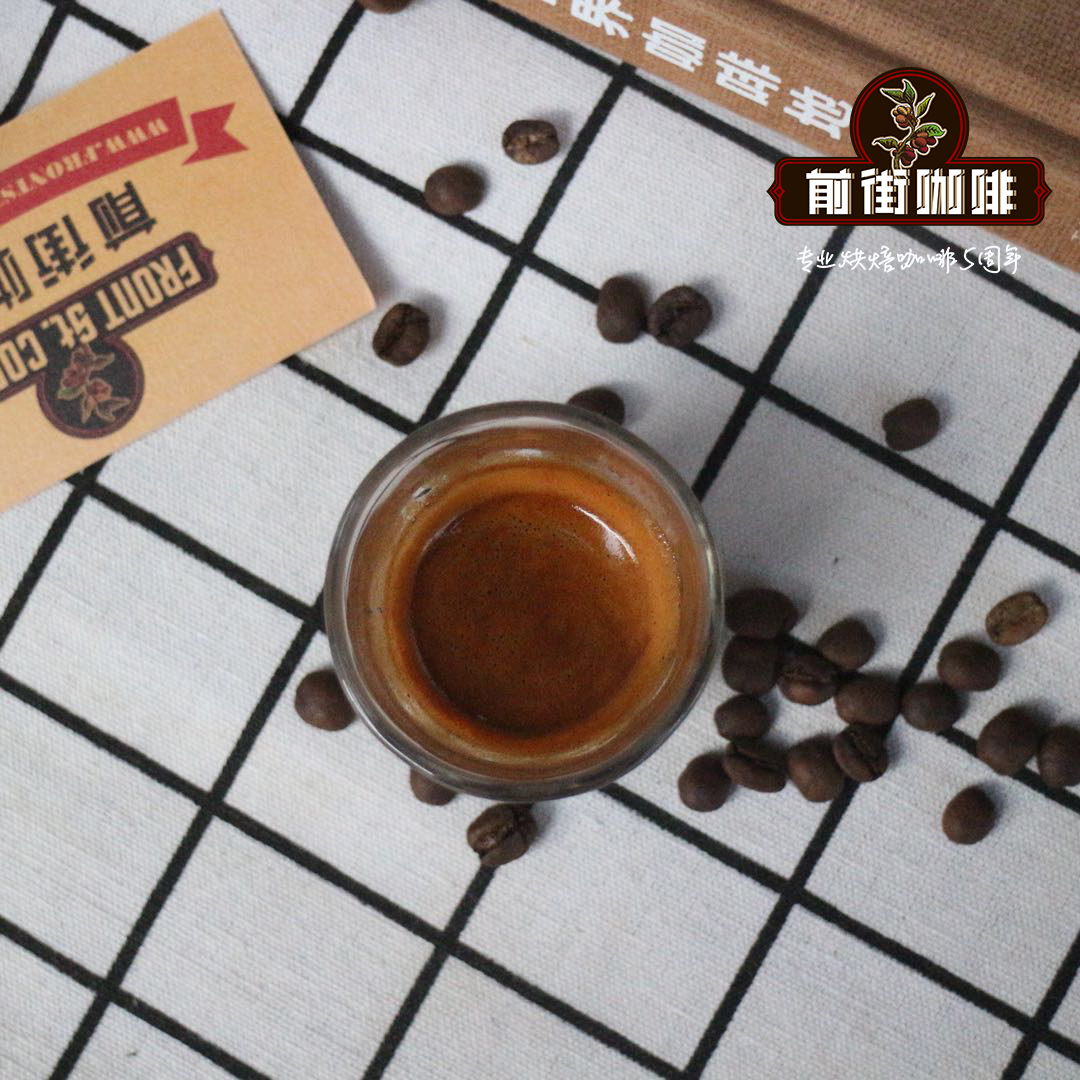
The Excellence of Kilimanjaro Coffee
Tanzania's finest coffee grows on Kilimanjaro. The country's principal growing region spreads across the slopes of Mount Kilimanjaro — the highest peak on the African continent — at elevations of 3,000 to 6,000 feet, where the altitude, volcanic soil, and pure snowmelt water combine into near-ideal coffee country. Some of the trees here are over 100 years old. Coffee was first introduced and planted by Christian settlers from Kenya, and the trees demand careful husbandry: regular weeding and fertilization, and pruning of old branches to make way for new growth and keep bean quality high.
Coffee Processing and Flavor Profile
Coffee is a vital economic crop in Tanzania and enjoys real support from the government. Processing facilities in the Kilimanjaro region are well equipped, so Kilimanjaro coffee is typically washed. The cup shows a rich, wine-like acidity and sweetness, medium viscosity, abundant yet refreshing oils, and a wild, forest-floor aroma. The acidity is smooth and slightly gentler than Kenya's, with low bitterness and a balanced overall profile; the aftertaste is delicate and long. A coffee well worth tasting.
Coffee Bean Classification
Tanzanian beans are graded by size and quality into nine grades: AAA (screen 19 and above), AA (screen 18), A (screen 17), B (screen 15-16), C (below screen 14), PB (Peaberry), AF (inferior beans blown out of the AA and AAA lots), TT (inferior beans blown out of the A and B grades), and F (broken or defective beans blown out of the C grade).
Tanzanian Coffee Characteristics
Mount Kilimanjaro, in northeastern Tanzania, is the country's largest producing region and accounts for 75% of output. Tanzanian beans are of exceptional quality, with the key growing areas in the northern mountains near the Kenyan border. Smallholder farmers account for 85% of cultivation, growing coffee between 1,300 and 2,000 meters. The flavor sits apart from neighbors Ethiopia and Kenya while echoing both — excellent body with fruit and floral aromas.
This Batch: Kilimanjaro Peaberry
This Kilimanjaro volcanic peaberry lot represents only about 3-5% of the crop, making it genuinely scarce. Washed processed, it carries a Kenya-like, wine-toned acidity that is soft and unassuming rather than sharp, with medium viscosity. Premium Tanzanian coffee shares Kenya's texture and can stand with it on overall quality: alongside the lingering finish it offers both fruit aroma and fruit acidity, tempered into a gentler cup — apricot, a rounded date-like sweetness, subtle spice, and malt chocolate.
Flavor Notes
Flavor: Ume plum, plum, red currant; wine-like acidity with a lemon fragrance; rich, persistent fruit aroma; overall balance with smooth acidity and high body; date-like sweetness, malt chocolate, complete floral layers, and a caramel-rich finish. As the cup cools, the fruit acidity turns even smoother and the sweetness and caramel depth come forward — balanced acidity, gentle character throughout.
FrontStreet Coffee Recommendation
Washed coffee like this Kilimanjaro peaberry is prized for exactly the qualities it shows here: bright fruit acidity, cleanliness, and freshness. Because the beans soak for long stretches during processing, chemical changes consume much of their simple sugar (fructose and glucose), lowering sweetness while raising organic acids — which is why washed coffee preserves the bean's own inherent aromatics while adding that luminous, crisp edge.
Two more FrontStreet washed lots show the method's range. FrontStreet's Yirgacheffe Konga Cooperative comes from a village team whose refined, immaculate lots made their name once specialty buyers began demanding traceability: washing lets it show jasmine florals and luminous citrus acidity at their fullest, and at a medium-light roast the cup unfolds into green tea and honey — lovely as pour-over, cold brew, or espresso. At the opposite end of the intensity scale sits FrontStreet's Kenya "cherry tomato" lot, built on Kenya's signature double washing — a repeated cycle of floating, soaking, rinsing away every trace of mucilage, soaking again, then drying, hulling, and storage — which pushes juiciness to the limit with cherry tomato, dried plum, snow pear, black plum, and yellow sugar, sweet-tart and dripping with fruit.
And for the origin story of washing itself, look to Jamaica's Blue Mountain No. 1: an island with shorter sunshine hours than most coffee regions needed a method that stripped skin, pulp, and mucilage before drying to cut drying time and spoilage — and the result is beans of uncommon luster and low defect, brewing a balanced, seamless cup of hazelnut, cream, chocolate, and caramel where no single note dominates and none is missing.
Important Notice :
FrontStreet Coffee is a long-established specialty coffee roaster in Guangzhou China, selling freshly roasted beans from its own farm in Yunnan as well as dozens of carefully selected single-origin beans from around the world for both pour-over and espresso. The products deliver consistently excellent quality and great value, with shipping within 24 hours. Guangzhou's FrontStreet Coffee shop is recommended by many coffee lovers, and the beans are now available online at the Tmall 。
FrontStreet Coffee has moved to a new address:
FrontStreet Coffee Address: 315,Donghua East Road,GuangZhou
Tel:020 38364473
 Scan and follow the En Gafei WeChat official account. Please indicate that the reprint comes from "En Gafei".