Flavor and Taste Characteristics of Yunnan Catimor Coffee Varieties - An Introduction to Yunnan Coffee Bean Origins and Rankings
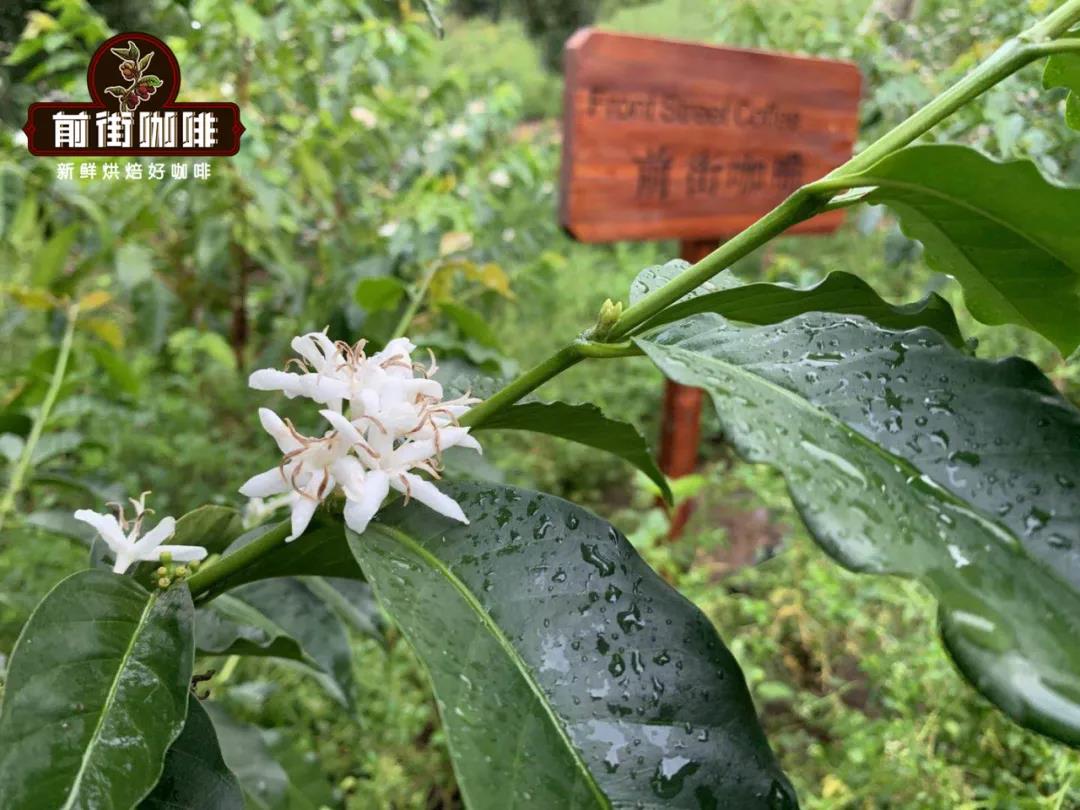
In recent years Yunnan coffee has begun to make its move into the specialty market. It has not been there long, but FrontStreet Coffee believes it has real potential. That is why FrontStreet Coffee keeps a coffee estate in Baoshan, Yunnan, dedicated to growing Typica. In this article, FrontStreet Coffee shares what it has learned about the growing characteristics and flavor of Yunnan's coffee origins.
Yunnan Coffee Growing History
Although Yunnan coffee is new to the specialty market, its cultivation actually began more than a century ago. FrontStreet Coffee would like to share that history with coffee enthusiasts.

In 1904, the French missionary Alfred Tiede brought coffee seeds into Yunnan from abroad and successfully planted the first coffee tree in a village called Zhukula, now within Binchuan County, Dali. This can be considered the beginning of Yunnan's coffee-growing history.
After 1930, the renowned overseas Chinese leader Mr. Liang Jinshan brought coffee to Pupiao and Luoming for cultivation, and it continued until after the founding of New China.

After 1952, under the guidance of expert Ma Guojin from the Baoshan Tropical Crop Research Institute, areas such as Lujiang began large-scale coffee cultivation. That large-scale history now spans nearly 60 years. At this time, every coffee variety grown in Yunnan was Typica.
In 1992, with further reform and opening up, foreign companies including Nestlé entered Yunnan to develop the coffee industry. They planted the Catimor variety provided by Nestlé on a wide scale. Known for its high disease resistance and high yield, Catimor quickly displaced Typica, which had excellent flavor but was delicate and weak, and became Yunnan's most important variety. Back then, Yunnan coffee was mainly sold to Nestlé as raw material for instant coffee.
By the end of 1997, Yunnan's coffee cultivation area had reached 7,800 hectares. As FrontStreet Coffee understands it, Yunnan's coffee area now accounts for 70% of the national total, and its production for 83% of the country's total. By area and by bean output, Yunnan coffee has secured its dominant position in China.

Yunnan Coffee Growing Regions
Western and southern Yunnan lie between 15°N and the Tropic of Cancer. Most areas sit between 1,000 and 2,000 meters, with mountainous, sloped terrain, large elevation changes, fertile soil, abundant sunshine, plentiful rainfall and wide day-night temperature swings — extremely well suited to growing Arabica.
Yunnan coffee currently grows mainly in Pu'er, Xishuangbanna, Wenshan, Baoshan, Dehong and Lincang, in the province's south and west.

Dehong
Known as the "Hometown of Chinese Coffee." Coffee in Dehong Prefecture grows entirely above 1,000 meters, with 30,000 mu planted in mountainous areas above 1,600 meters. Dehong also relies mainly on organic fertilizers and organic pesticides, which raises coffee quality. It is one of the world's rare premium coffee regions.
Baoshan
Coffee cultivation in Baoshan began in the mid-1950s, with the first seedlings introduced from Southeast Asia by the late patriotic overseas Chinese Mr. Liang Jinshan. In recent years, as international trade has expanded, Lujiangba's small-bean coffee has built a name for itself. Buyers from Europe, America and the Arab world — especially Britain, America, Egypt, Hong Kong and Macau — treat it as premium coffee, and the product is in short supply. In December 2010, after review by the China National Quality Inspection Administration, national geographical indication product protection was implemented for "Baoshan Small-Bean Coffee."
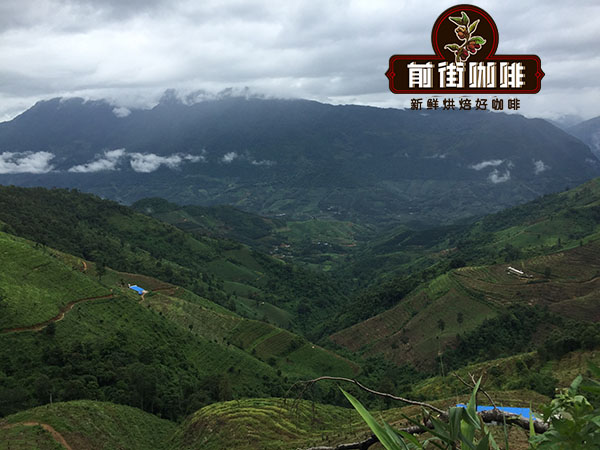
FrontStreet Coffee chose to grow coffee on the border of Baoshan, Yunnan and Myanmar because Baoshan has an average temperature of 21.5°C, highs of 40.4°C, and is essentially frost-free year-round. It is recognized as the best origin for small-bean coffee. The small-bean coffee grown here is known at home and abroad for being strong but not bitter and fragrant but not overpowering, with small, uniform beans, a rich mellow aroma and fruity notes. Baoshan small-bean coffee has a long cultivation history and qualifies as a national geographical indication product.
Lincang
Its distinctive location and climate have made Lincang a focus for many coffee companies. They have established 200-mu and 100-mu premium coffee seedling bases in Mengding Town, Gengma Autonomous County and Lincang Xingfu Farm respectively, and carried out cultivation in Gengma, Zhenkang, Yun County, Cangyuan and Yongde.
Pu'er
Pu'er, the land of tea, has a 150-year history of coffee cultivation. In the early 1990s, Pu'er City began developing coffee as an advantageous backbone industry to adjust its industrial structure and raise farmers' incomes.

Yunnan Coffee Varieties
Today the most widely grown variety in Yunnan is Catimor, though small amounts of Typica and Bourbon are also cultivated around Baoshan. Although all are Arabica in the broad sense, these varieties still differ substantially.
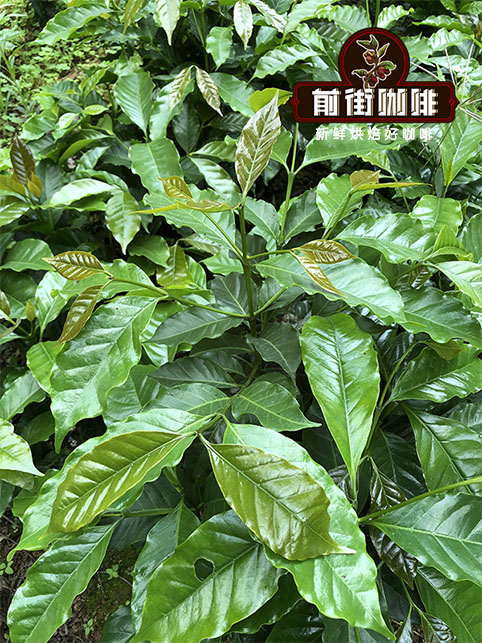
Typica
Typica is the oldest original Arabica variety on the market, and almost every Arabica variety descends from it. Typica has an elegant flavor but a physically weak plant, with low disease resistance and vulnerability to leaf rust. Production is therefore low and cannot deliver economic returns. In recent years Typica in Central and South America has gradually been replaced by Caturra and Catuai, making it increasingly rare. Elegant as it is, Typica is not as widespread as Bourbon.
FrontStreet Coffee's Yunnan estate grows mainly Typica because of its unique clean, elegant flavor and balance, with high flavor clarity. Farming Typica is not easy, but FrontStreet Coffee still wants enthusiasts to taste Yunnan coffee at its best.
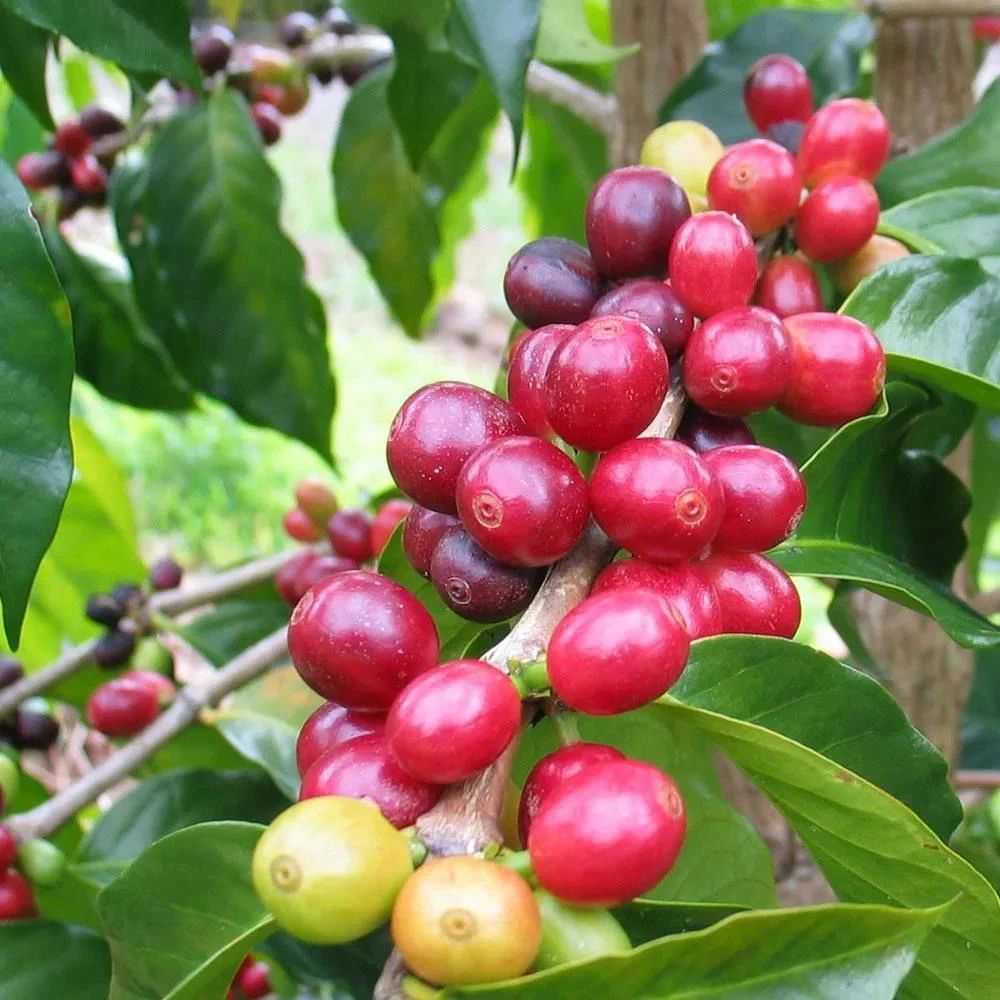
Bourbon
Bourbon is a sub-variety that mutated from Typica, and together with Typica it belongs to the oldest surviving coffee varieties. Its fruit turns bright red as it ripens. Compared with Typica, Bourbon has wider leaves and grows more densely. Yields are higher than Typica's, but it too takes two years to harvest, keeping it low-yield; in exchange it has excellent flavor, with wine-like acidity and a sweet aftertaste.

Catimor
Catimor is a combination of Arabica and Robusta. Robusta resists leaf rust well, carries rich oils, yields heavily and is easy to grow. Hybridized with the Arabica Typica variety, Catimor holds 25% Robusta genes, which improves leaf rust resistance, retains rich oils, and preserves part of Typica's flavor.

Yunnan Coffee Processing Methods
As FrontStreet Coffee understands it, Yunnan beans have by now been put through many processing methods, including various anaerobic techniques. These special methods do create distinctive, highly recognizable flavors, but FrontStreet Coffee still believes in starting from growing region and variety — changes in processing merely treat the symptoms, not the cause. Catimor is always Catimor. Only by choosing the right altitude and varieties with excellent flavor at the source can Yunnan coffee develop sustainably. FrontStreet Coffee therefore insists on the most original washed and natural processes for its Yunnan beans, so that enthusiasts can taste the most authentic local flavor.
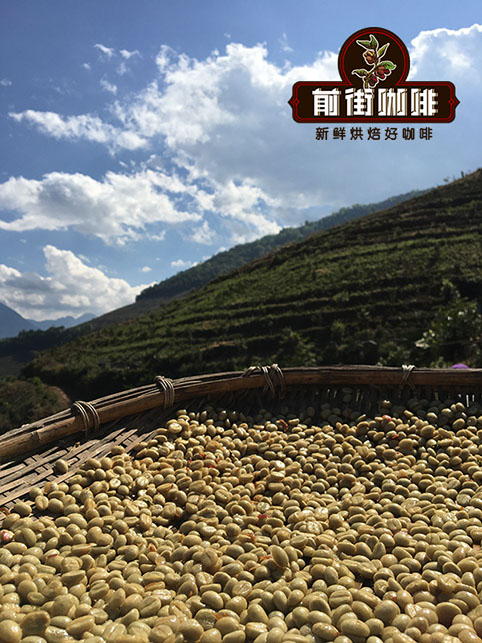
Natural Processing Method
The natural method is the oldest way of processing coffee, also called "natural drying." It needs no high-end equipment — only consecutive sunny days for sun-drying, with exposure requiring 27-30 days. Its climate requirements are therefore strict, and it suits countries with arid regions. In Yunnan, natural processing is common as well.
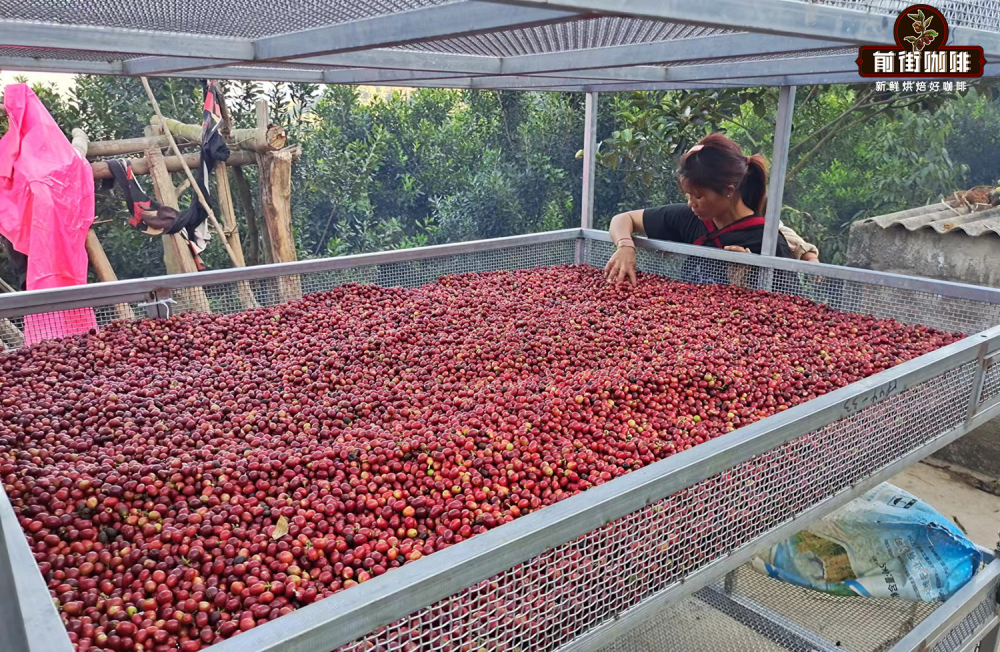
Washed Processing Method
Most of FrontStreet Coffee's beans from different regions are also washed-processed, especially FrontStreet's daily blend beans, because washed beans are cleaner and express flavor more thoroughly, staying closest to the original taste of the coffee fruit. As FrontStreet often puts it, the flavor of a washed bean is the guide to understanding a region. That is why FrontStreet Coffee insists on washed processing.

Differences Between Washed and Natural Coffee Beans
The fundamental difference is that natural processing keeps the pulp flavor while washing removes it, leaving the bean's most essential character. In the cup the contrast is obvious — washed is cleaner and brighter, natural is richer in texture. Because washing expresses the bean's essence, when a guest tastes Yunnan coffee for the first time, FrontStreet Coffee recommends starting with a washed bean so the regional character comes through clearly.
That covers the background on Yunnan coffee. Below, FrontStreet Coffee introduces the beans its Yunnan estate currently produces.
FrontStreet Coffee · Yunnan FrontStreet 2013 Natural Typica Coffee Beans
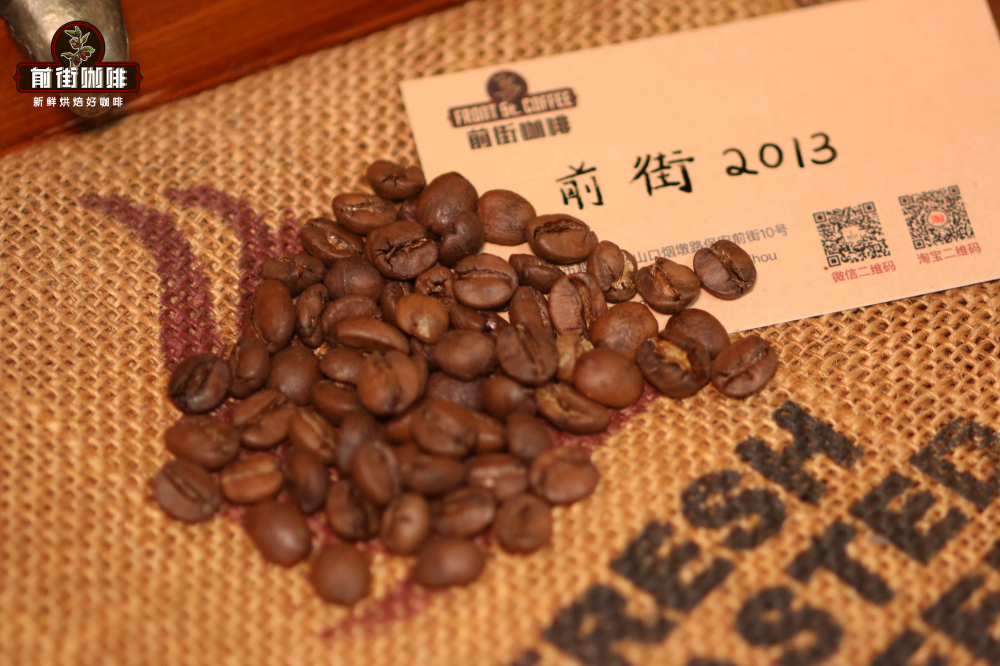
Country: China
Region: Yunnan Lincang
Altitude: 1300m
Variety: Typica
Processing: Natural Process
Flavor: Plum, melon fragrance, brown sugar, black tea sensation
This is a Typica bean grown by FrontStreet Coffee in Lincang, Yunnan. As early as 2013, FrontStreet Coffee was already growing coffee in Yunnan. At the time, 99% of Yunnan grew Catimor, but FrontStreet realized that although Catimor yields heavily, its flavor is not especially good. FrontStreet firmly believes that good-flavor coffee requires good location, good variety and good management. So FrontStreet chose Typica, an ancient, excellent Arabica variety. For the site, FrontStreet grows in Lincang near the Myanmar border — relatively remote, preserving the original forest environment, at an altitude above 1200m that meets the conditions for quality Arabica. In cultivation, FrontStreet uses sensible planting density and fertilizer made from sheep manure gathered by nearby herders.

In 2020, FrontStreet produced 200kg of coffee with good flavor and body. This year's output is expected to be higher, and all friends are welcome to taste it.
FrontStreet Coffee · Yunnan Small-Bean Coffee (Daily Blend)

Country: China
Region: Yunnan Baoshan
Altitude: 1200m
Variety: Catimor
Processing: Washed Process
Flavor: Herbal, nutty fragrance, chocolate, caramel
Yunnan small-bean coffee refers to the small-bean coffee cultivated in Yunnan. Coffee is an evergreen small tree of the Rubiaceae family, native to Africa. Beverage cultivation today covers mainly small-bean and medium-bean coffee. The small-bean coffee traditionally grown in Yunnan specifically refers to a mixed population of Bourbon and Typica.
Small-bean coffee is the most widely cultivated species in the Coffea genus. Because it is strongly cold-resistant and tolerates short spells of low temperature, it can grow on mountains at 2100 meters in the tropics, but it is not drought-tolerant; its branches are relatively fragile and cannot withstand strong wind; its disease resistance is weak; and its fruit falls easily once ripe. After processing, the cup is mellow with lower caffeine.
FrontStreet Coffee · Yunnan Natural Catimor Coffee Beans

Country: China
Region: Yunnan (Baoshan)
Altitude: 1450-1550m
Variety: Catimor
Processing: Red Cherry Natural Process
Flavor: Caramel, dried fruit, cocoa, dark chocolate, herbal, woody
Most of Yunnan now grows Catimor, a hybrid of the Caturra branch of the Bourbon lineage within Arabica and the Robusta species. It is grown because its Robusta genes make it more disease-resistant than single old varieties, with good yields. Compared with delicate old varieties that resist disease poorly and yield little, farmers naturally prefer Catimor, and Yunnan now rides a Catimor trend.

Before launching any new bean, FrontStreet Coffee runs roasting and brewing flavor tests to select the best flavor curve, so that enthusiasts who visit can brew it easily. Below, FrontStreet shares the roasting and brewing data for this Yunnan Huaguoshan bean.
FrontStreet Coffee · Yunnan Typica Coffee Roasting Recommendations

General coffee beans hold about 10.9% moisture, so FrontStreet Coffee's roaster plans to drop the beans once the roaster reaches 200°C, then use high heat and a small air damper to speed dehydration. After the dehydration stage ends, open the medium air damper and medium heat so the Maillard reaction does not run too fast, with 3 minutes of first-crack development before dropping. Temperature return point: 1'32, 92.5°C; yellowing point: 5'40, 148.5°C; first crack: 8'59, 188.0°C; 3 minutes of development until dropping: 12'00, 196°C.
FrontStreet Yunnan Huaguoshan Typica Pour-Over Recommendations
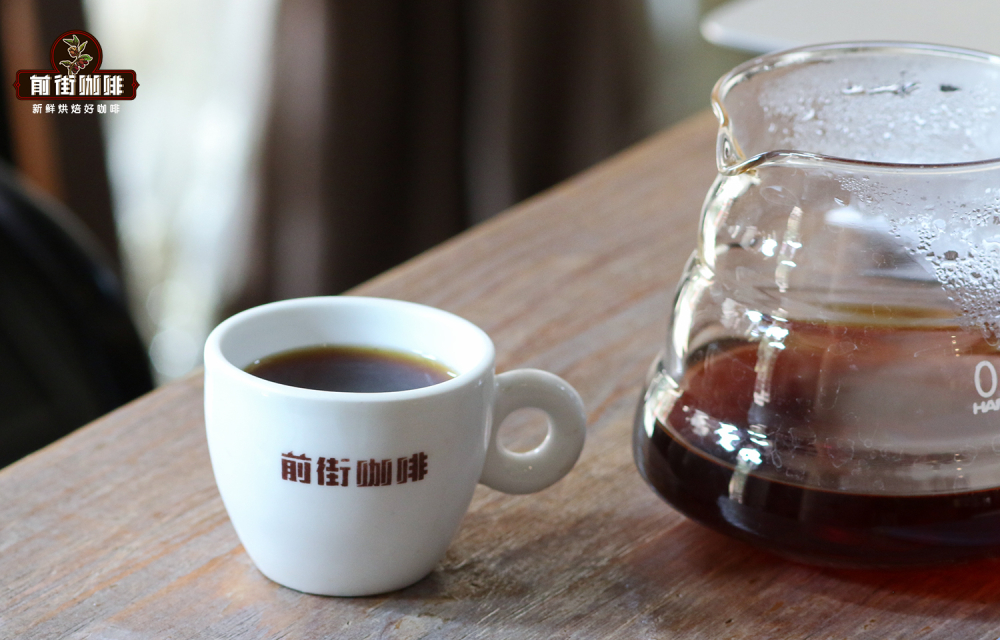
FrontStreet recommends a Kono conical dripper. It more easily brews a coffee with rich body and a more concentrated, thicker aroma.

Filter: V60
Water Temperature: 90°C
Coffee-to-Water Ratio: 1:15
Grind Size: Medium-fine, i.e., fine-sugar thickness (China Standard #20 sieve pass rate 75%)
Brewing Method: Stage extraction.
Use 30g of water for a 30-second bloom, then a small circular pour to 124g for the staging point. When the water level drops and is about to expose the coffee bed, continue pouring to 227g and stop. When the level drops and is about to expose the bed again, remove the dripper. (Timing starts from the bloom.) Extraction time is 2 minutes.

FrontStreet Yunnan Huaguoshan Typica Brewing Flavor Description: Strong but not bitter, fragrant but not overpowering, with floral notes, cantaloupe sweetness in the middle and a black tea sensation in the finish.
FrontStreet Coffee Recommendation
Yunnan coffee is often called Yunnan small bean, and its beans are uniform, plump and moderately full-bodied. The story starts in 1904, when the French missionary Tiede brought Typica seeds from Vietnam into Yunnan and planted them successfully in Zhukula village, Binchuan County — the beginning of Yunnan coffee, traditionally called small-bean coffee. Coffee prefers warmth, tolerates heat but not cold, and grows best with ample light; its ideal temperature is 16°C to 21°C, which places Yunnan right on the world's coffee belt.
For a first taste of Chinese Arabica, the FrontStreet Yunnan small bean is the natural choice: a washed, medium-roasted coffee from the Baoshan region that highlights some caramel while keeping a little acidity, so the region's terroir comes through. Washed processing — fermenting and rinsing away the pectin layer before drying — lets the bean show its distinctive regional character. It has become many people's first introduction to Yunnan coffee at a friendly price.
For a clearer, more advanced expression, the FrontStreet 2013 Natural Typica is grown on FrontStreet's own estate using the oldest, most traditional post-harvest method — natural sun-drying. Typica is one of the oldest and purest Arabica varieties, and drying it whole gives a heavier cup with more pronounced sweet-sour notes: citrus and berry, a touch of fermented wine, caramel sweetness and a creamy finish. If you want a Yunnan-flavored espresso instead, the FrontStreet Black Cocoa blend combines Yunnan small bean with Brazil Cerrado — the Brazilian coffee supplies mixed-nut aroma and balance, while the Yunnan bean plays the chocolate and citrus role, giving an Americano that balances sweet, sour and bitter with nut and brown-sugar notes, or a latte with an almond and cream smoothness.
Important Notice :
FrontStreet Coffee is a long-established specialty coffee roaster in Guangzhou China, selling freshly roasted beans from its own farm in Yunnan as well as dozens of carefully selected single-origin beans from around the world for both pour-over and espresso. The products deliver consistently excellent quality and great value, with shipping within 24 hours. Guangzhou's FrontStreet Coffee shop is recommended by many coffee lovers, and the beans are now available online at the Tmall 。
FrontStreet Coffee has moved to a new address:
FrontStreet Coffee Address: 315,Donghua East Road,GuangZhou
Tel:020 38364473
 Scan and follow the En Gafei WeChat official account. Please indicate that the reprint comes from "En Gafei".