How to Drink Coffee Beans After Grinding - How to Brew Ground Coffee for the Best Taste?
Professional Coffee Knowledge Exchange
Step 1: Selecting Coffee Beans
Coffee beans are generally divided into light, medium and dark roasts. Coffee cherries are fruit, after all, so good beans carry fruity aromas, floral notes, cocoa and nutty flavours. As a rule, the lighter the roast, the more pronounced the acidity and the more clearly you can taste the essence of the bean. The darker the roast, the more obvious the bitterness, though plenty of people love the deep coffee aroma of a dark roast - especially drinkers who have been at it for decades.
Step 2: Grinding
A - Extra Fine Grind: Particles similar to white sugar. Suitable for: espresso machine, moka pot.
B - Fine Grind: Particles between white sugar and fine sugar. Suitable for: cold drip coffee.
C - Medium Grind: Particles between fine sugar and coarse sugar. Suitable for: siphon, AeroPress, paper filter dripper, American coffee maker.
D - Coarse Grind: Particles similar to coarse sugar. Suitable for: French press, flannel filter.
CAFÉ Note
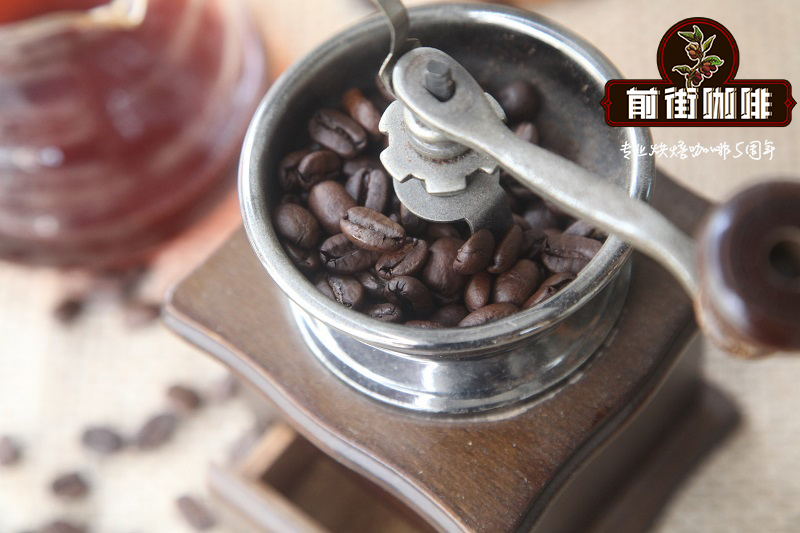
1. Once coffee is ground, the contact area with air increases, so it oxidises easily and the flavour suffers. Grinding right before brewing is absolutely crucial to a good cup. Even an inexpensive hand grinder beats buying pre-ground coffee powder from a shop.
2. To avoid picking up odours, wipe the grinder burrs and base with a damp cloth after every use. When buying a grinder, choose one that produces uniform particles. If the grind is uneven, you can sift it to improve the coffee's clarity.
Step 3: Controlling Water Temperature
Ask coffee professionals about water temperature and you often get curious figures like 92°C or 87°C. Everyone has a preferred temperature, adjusted to the taste they're after. Broadly speaking, high water temperatures pull out the bean's personality, expressing both bitterness and acidity; low water temperatures give a smoother, more mellow cup and are better at drawing out acidity.
Step 4: Brewing
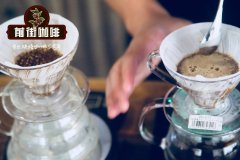
Many cafés abroad don't keep a single espresso machine on the premises - all their coffee is hand-poured. The pour-over kettle is the best way for a brewer to express their personality and skill, and sometimes you can even taste when they're in a bad mood.
Coffee-to-water ratio: 1:12
Suitable beans: Light, medium or medium-dark roast; coarse to medium grind.
Cooking Tips
A super-simple, foolproof hand-pour with the Mr. Clever smart dripper.
Step 1: Fold the filter paper and place it in the smart dripper, rinse it with hot water, then add 12-15 grams of coffee powder.
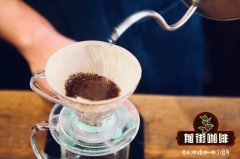
Step 2: Pour 85-94°C hot water in a circular motion until the filter paper is 80% full.
Step 3: Stir with a spoon and let it steep for about 40 seconds.
Step 4: When the time is up, open the valve and let it drip through completely before enjoying.
How to Choose Filter Paper and Drippers?
1. Coffee filter paper is widely available. Choose unbleached brown paper and rinse it briefly with hot water before brewing. Brands such as UCC, Tiamo, Kalita, Hario and Pearl Horse are favourites among enthusiasts.
2. Drippers generally come in two types: conical and trapezoidal. Conical drippers have faster flow and shorter extraction times, so they demand better technique. Beginners should start with a trapezoidal dripper; Hario, Kalita and Tiamo are all excellent choices.
3. Besides filter paper, hand-pouring can also use metal filters and flannel cloths. Metal filters let coffee oils through, while flannel cloths, with their longer filtration time, extract more aromatic compounds and produce a richer flavour.
FrontStreet Coffee Recommendation
Once you settle on a grind and a ratio, the bean matters most. FrontStreet Classic Blend is built for espresso and the moka pot and its standout strength is body and crema: even a beginner on a non-professional home machine can pull a dense, fine crema. It follows a traditional Mamba-style recipe and tastes mellow and rounded, so it suits veterans and newcomers alike. FrontStreet Black Cocoa Blend is 100% Arabica with generous crema and a full body at a very approachable price - ideal for anyone watching costs or just starting out. If you want a single-origin route, FrontStreet PWN Indonesia Golden Mandheling is roasted dark with very low acidity, offering a thick, lingering cup of herbal and dark chocolate aromas with a faint earthy note - a great fit for those who dislike acidity and prefer a heavier profile.
Important Notice :
FrontStreet Coffee is a long-established specialty coffee roaster in Guangzhou China, selling freshly roasted beans from its own farm in Yunnan as well as dozens of carefully selected single-origin beans from around the world for both pour-over and espresso. The products deliver consistently excellent quality and great value, with shipping within 24 hours. Guangzhou's FrontStreet Coffee shop is recommended by many coffee lovers, and the beans are now available online at the Tmall 。
FrontStreet Coffee has moved to a new address:
FrontStreet Coffee Address: 315,Donghua East Road,GuangZhou
Tel:020 38364473
 Scan and follow the En Gafei WeChat official account. Please indicate that the reprint comes from "En Gafei".