Can Blend Coffee Beans Be Used for Pour-Over? Single-Origin Coffee Beans for Espresso SOE Extraction Time
For professional coffee knowledge exchange and more coffee bean information, please follow Coffee Workshop (WeChat public account: cafe_styl)
In the coffee industry there are many types of coffee, and not just varieties of beans but also varieties of coffee drinks. The coffee varieties mentioned here are the names of drinks, such as cappuccino and latte, which are all espresso-based drinks, along with single-origin coffees. These two are the mainstream, and the beans used for each are different. So some people ask: Can espresso beans be used for pour-over? Or can single-origin beans be used for espresso? That is an excellent question, and FrontStreet Coffee is here to clear up the confusion today.
Understanding Coffee Basics
What is pour-over coffee? Pour-over coffee is coffee made through pour-over equipment. What are blended coffee beans, and what are single-origin beans? Single-origin beans come from a single producing region, while blended coffee beans combine multiple single-origin beans, which is where the name comes from.
When developing brewing recipes, we always base them on the characteristics of the beans. For a bean with strong fruity notes, for example, we want to maximize those fruity characteristics through brewing. At that point we need to consider grind size, water temperature, coffee-to-water ratio, moisture content, brewing time, and even the choice of equipment and the influence of technique.
If you are using blended coffee beans, then you need to calculate the above conditions for multiple beans during brewing. At the very least, you must ensure consistency in roast level. Otherwise, while the light-roasted beans are still preheating, the dark-roasted beans may already be over-extracting, clearly not an ideal situation.
Similarly, because the cell walls of dark-roasted beans are more brittle with larger honeycomb structures, finer grinds are generally not chosen during pour-over, while light-roasted beans generally avoid overly coarse grinds. Grinding, then, must be done separately.
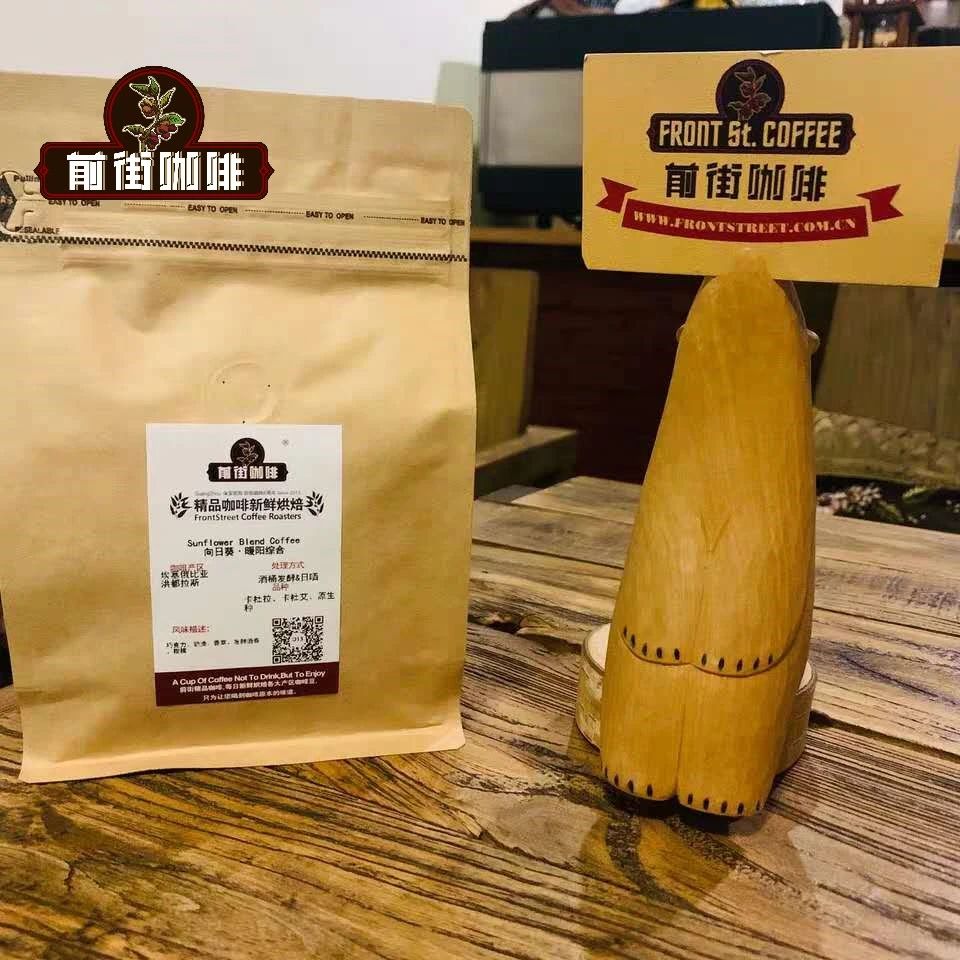
Sunflower Warm Sun Blend
Varieties: Catuai, Catimor, Pacas, Heirloom varieties
Flavor notes: Chocolate, cream, vanilla, fermented wine aroma, citrus
When people think of blended beans, they typically think of beans suited to making espresso. Blending mainly involves combining two or more types of coffee beans either before or after roasting. The purpose is to create pleasant, rich aromas and distinctive flavors, enhance balance and mellow fragrance, achieve a thick and substantial mouthfeel, and let the beans complement each other's strengths and weaknesses to reach balance.
In this warm sun season, I wanted to create a blend suitable for both pour-over and espresso. In terms of mouthfeel, I wanted this blend to have an immediately pleasant aroma, a rich body with a hint of soft fruit acidity, and a finish with medium to high sweetness.
Blending Philosophy
After some thought and selection, I wanted beans with prominent aromatics and substantial body. Beans with special processing methods might also be good choices: anaerobic, or barrel-fermented. Ethiopian beans have thousands of varieties with exploitable flavor potential. Washed beans have bright fruit acidity and a clean mouthfeel, while natural processed beans have richer tropical fruit flavors with a complex and substantial body. When I was at a loss, I thought of the barrel-fermented beans and natural Yirgacheffe beans used previously, both of which had been used for SOE (Single Origin Espresso) with excellent extraction performance: aromas with fruit acidity, a balanced body that was not monotonous, and sufficient sweetness.
After our discussion, we finally decided to blend this "Sunflower Warm Sun Blend" using a 6:4 ratio of barrel-fermented Sherry beans to natural Red Cherry beans.
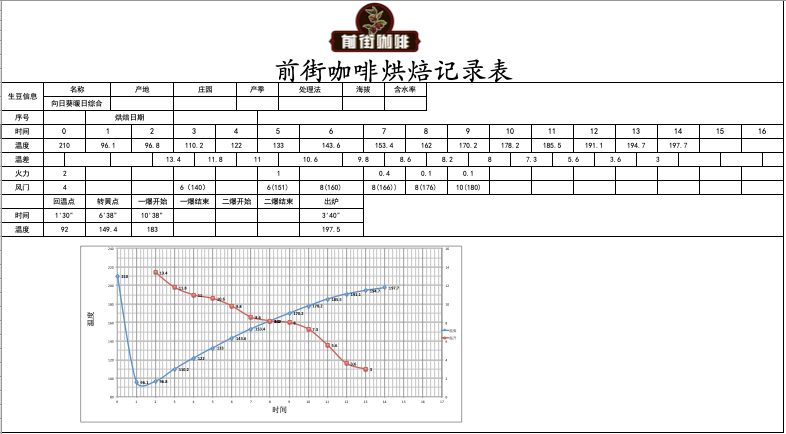
Roasting Curve Analysis
For blended beans, we need body, sufficient sweetness, and overall balance. Considering the possibility of uneven roasting during the blending process, we adopted a gradual heat-reduction method to let the beans develop more synchronously.
Heat the drum to 210°C, set the damper to 4, heat to 200, return temperature point at 1'30", 92°C; when the drum temperature reaches 140°C, open the damper to 6. At this point the bean surface turns yellow, grassy aromas completely disappear, and the coffee enters the dehydration stage. When the drum temperature reaches 180°C, adjust the heat to 10 and open the damper to the maximum of 10.
At 9'30", ugly wrinkles and black spots appear on the bean surface, and the obvious toast aroma transforms into coffee aroma, which can be defined as the prelude to first crack. At this point, listen carefully for the sound of first crack. At 10'38", first crack begins. After first crack, develop for 3'40" and discharge at 197.5°C.

Brewing
After cupping, pour-over, and espresso extraction, this bean has soft fruit acidity on entry, a persistent aftertaste, sufficient sweetness, rich chocolate aroma, vanilla, and cream, with obvious wine notes, a clean and smooth mouthfeel, and a medium body, very much in line with what I wanted for this warm sun blend.
The specific brewing methods are as follows:
Cupping
Flavor notes: Slurping reveals fermented wine aroma, vanilla, cream, citrus, chocolate
Pour-Over
Parameters & Technique
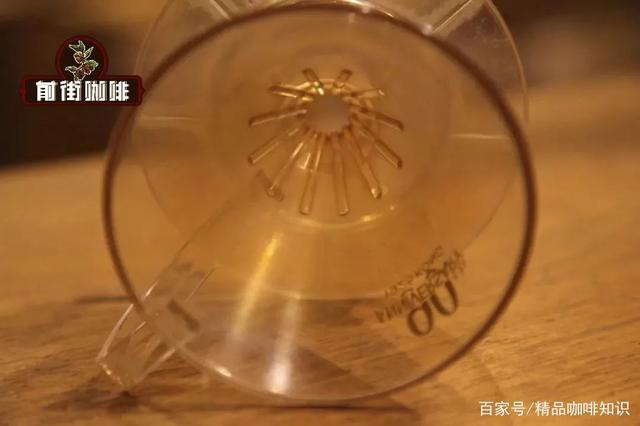
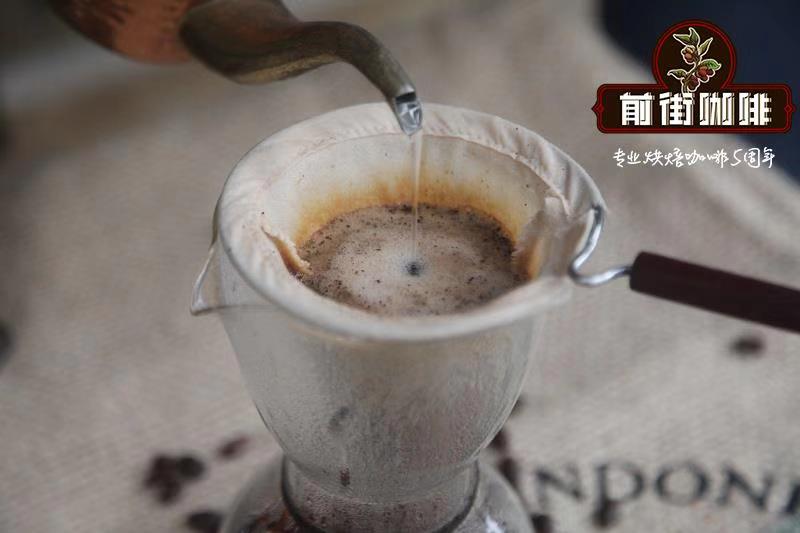
Pour-over dripper: KONO dripper
Water temperature: 87°C
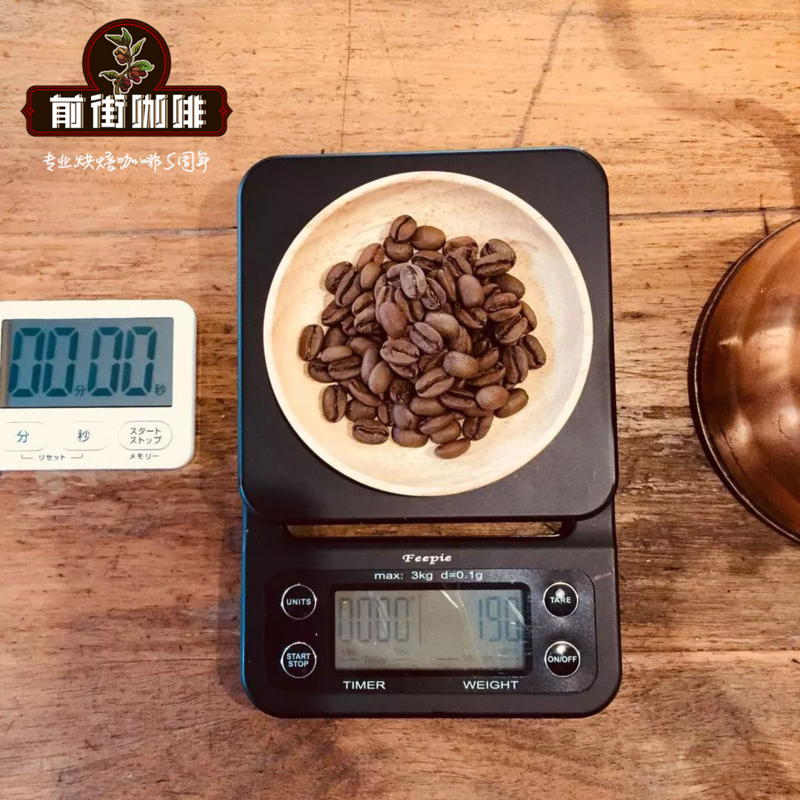
Coffee amount: 15g, Coffee-to-water ratio: 1:15, Grind size: Medium-fine grind (BG 6W: 45% pass rate on a China standard #20 sieve)
Brewing technique: Segmented extraction
Use 30g of water for the bloom, with a bloom time of about 36 seconds. Use a small stream to pour in a circular motion in the center with 95g of water, segmenting when reaching 125g of water. When the water level drops and is about to expose the coffee bed, continue pouring to 227g to finish. When the water level drops and is about to expose the coffee bed again, remove the dripper. Timing starts from the bloom, and extraction time is 2'00".
Flavor notes: When hot, it has soft fruit acidity with obvious sweetness and a rich wine aroma. As the temperature changes, chocolate and vanilla notes emerge, with an obvious cream aroma in the aftertaste.
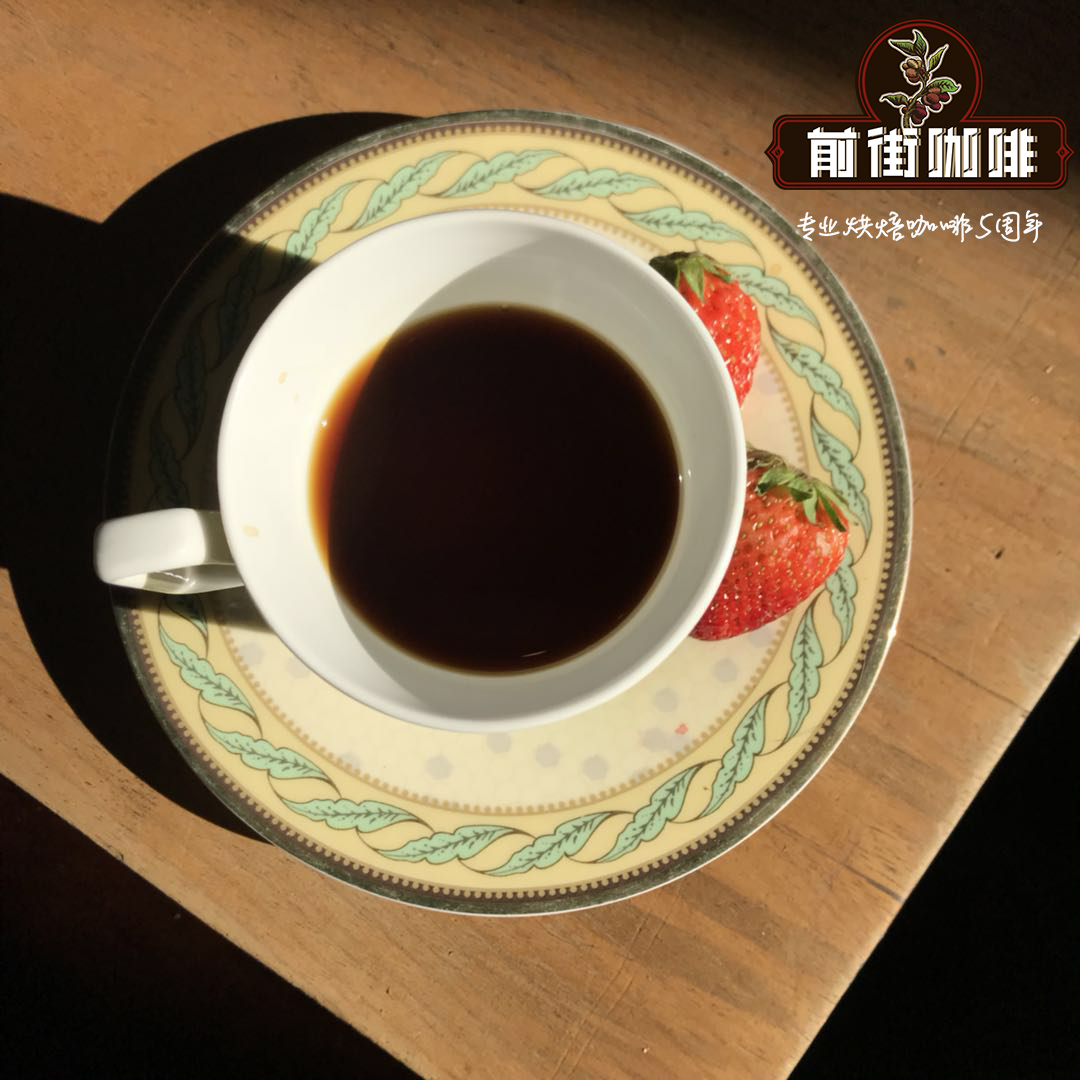
Espresso
Parameters
Grind size: Feima 600N grinder #1.8, 14g dose, extract 20g of coffee liquid, time 20s.
Flavor notes: Smooth mouthfeel, medium body, with obvious fruit acidity on entry accompanied by a light berry aroma, wine notes, a rich chocolate flavor, and an obvious aftertaste.
FrontStreet Coffee Recommendation
A blend like this one brews best in a V60, and the dripper itself explains why. Hario, the company behind the V60, was founded in Tokyo in 1921 and redesigned the brewer in 2004, releasing it a year later with its signature 60-degree cone and V shape. The cone geometry forces the water toward the center before it drips through, lengthening contact with the coffee so aroma and flavor extract fully, while the single large hole lets water flow freely, leaving the flow rate largely in the brewer's hands and showing up directly in the cup. For pour-over beans that carry a similar balance of fruit, sweetness, and body, FrontStreet Coffee suggests the FrontStreet Gudibe Cooperative, a washed Ethiopian coffee with jasmine, lemon, and berry tones, and the FrontStreet Huakui, a natural Ethiopian coffee full of strawberry, passion fruit, jackfruit, and lychee with very low bitterness and a juicy body.
If you want a blend that works across methods rather than a single origin, the FrontStreet Strawberry Candy brings together Costa Rican honey-processed coffee and washed Panama Geisha, so it can be poured over, made in a moka pot or machine, and brewed cold. For a floral-and-fruit cup with tea-like cleanliness, the FrontStreet Mozart, a raisin honey-processed Costa Rican coffee, layers raisin and blueberry sweetness with osmanthus and rose aromas, and shows well as pour-over, cold brew, Americano, or latte. Two dependable everyday picks round out the list: the FrontStreet Brazil Queen Estate, with cream, peanut, and cocoa notes and a caramel sweetness, and the FrontStreet PWN Golden Mandheling, deep-roasted and wet-hulled for a full, mellow body with herbal and dark chocolate notes.
Important Notice :
FrontStreet Coffee is a long-established specialty coffee roaster in Guangzhou China, selling freshly roasted beans from its own farm in Yunnan as well as dozens of carefully selected single-origin beans from around the world for both pour-over and espresso. The products deliver consistently excellent quality and great value, with shipping within 24 hours. Guangzhou's FrontStreet Coffee shop is recommended by many coffee lovers, and the beans are now available online at the Tmall 。
FrontStreet Coffee has moved to a new address:
FrontStreet Coffee Address: 315,Donghua East Road,GuangZhou
Tel:020 38364473
 Scan and follow the En Gafei WeChat official account. Please indicate that the reprint comes from "En Gafei".