Introduction to Tolima, Colombia - Colombian Coffee Overview and Flavor Profile

Tolima, Colombia: Region Overview and Flavor
Today FrontStreet Coffee cupped another new arrival—a Geisha from Colombia's Tolima region with a sweet, balanced, and complex profile. Because this Geisha is washed processed, its character leans clean, gentle, and aromatic, which is precisely what the cupping showed. Beyond the expected citrus and honey notes, there is star-fruit acidity and an orange sweetness and texture. A bean this good deserves to be shared!
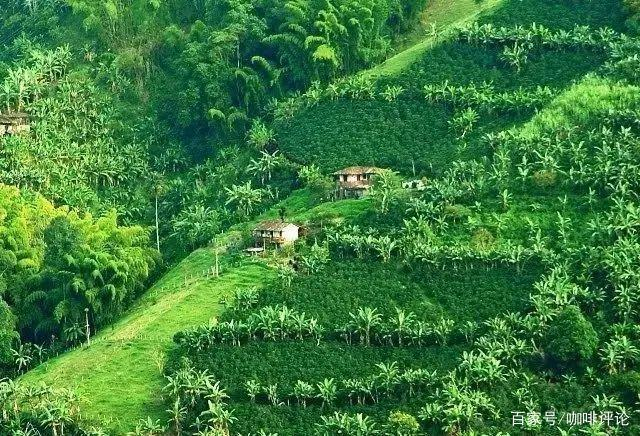
Introducing the Tolima Region
Colombia is divided into 32 departments. Tolima sits in the southwest, bordering the celebrated specialty regions of Huila and Cauca. Its capital is Ibagué. The Andes and their cordilleras run north-south through the department, with the Magdalena River flowing north between the two great ranges.
The name Tolima comes from the region's earliest inhabitants, the Pijao people—in their language, "tolima" means "snow-covered." A fitting omen for a land that would one day grow remarkable coffee. Tolima borders Huila and Cauca, and it is a region serious coffee lovers will make the trip for—though the roads are rough, and visiting experts have written of the bumpy ordeal of getting there.
Farms in Tolima tend to run slightly larger than elsewhere in southern Colombia, averaging 10-15 hectares. Cooperatives are popular here: farmers deliver small batches of fresh cherries to cooperative mills, while some process their own coffee with small-scale equipment sized to a day's harvest. Carefully processed green beans can be priced on cupping results, and a few outstanding lots are held back as "microlots" and sent to the capital, Bogotá, for further cupping. The rest is typically sold into blends according to cup profile.
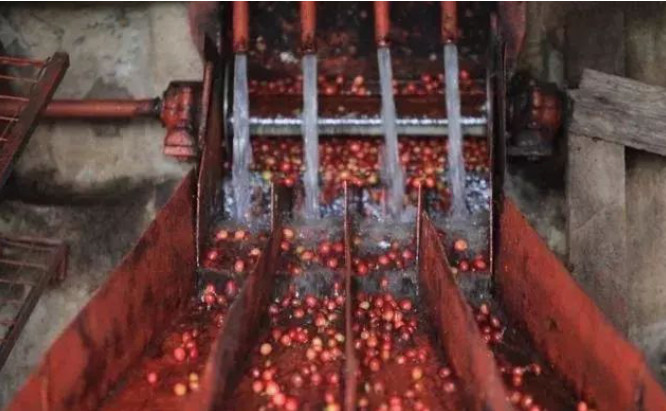
Processing Method
This Colombian Geisha is washed processed.
Cherry selection → depulping → fermentation → washing → drying → hulling
Selected cherries go into a depulper to strip off skin and pulp; beans still coated in pulp and mucilage ferment in water for about 24 hours. After fermentation, the parchment coffee is washed in flowing channels until clean, then dried in the sun or in mechanical dryers to roughly 12% moisture. Finally, the parchment is milled away from the green beans.
FrontStreet Coffee Roasting Analysis
High-grown and hard in density, this bean gets a light roast to showcase its character and aroma, with moderate heat through the drying phase.
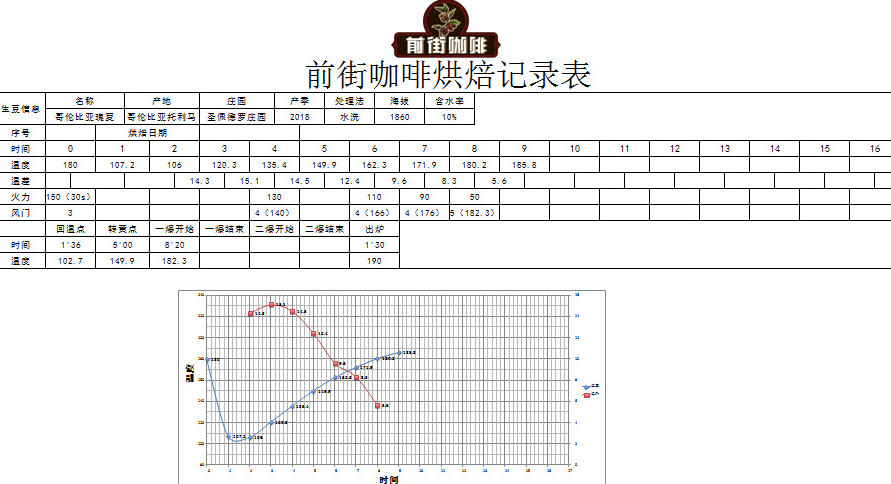
Roaster: Yangjia 800N (300g batch)
Preheat the drum to 180°C and set the damper to 3. After 30 seconds, set heat to 150, damper unchanged. Turning point at 1'36". At 140°C drum temperature, drop heat to 130 and open the damper to 4—the bean surface yellows and the grassy aroma fades as the drying phase ends. At 166°C, lower heat to 110, damper unchanged. At 7'50" the beans show wrinkling and dark speckles, with toasty aromas clearly turning to coffee fragrance—the prelude to first crack. Listen closely. First crack begins at 8'20": reduce heat to 50 and open the damper to 5 (ease the heat gently—don't stall the crack). Develop 1'30" after first crack and drop at 190°C.

Agtron bean reading: 82 (upper image); Agtron ground reading: 97.4 (lower image); roast delta: 15.4.
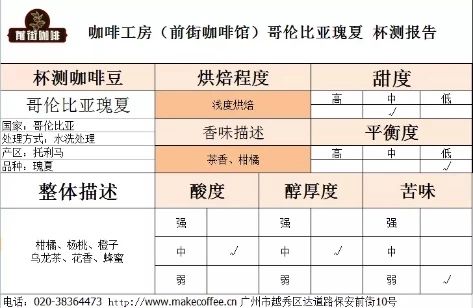
FrontStreet Coffee Cupping Notes
Citrus, star fruit, orange, oolong tea, florals, honey
Colombia Tolima Finca San Pedro
Country: Colombia
Region: Tolima
Altitude: 1,860m
Processing: Washed
Grade: SUPREMO
Variety: Geisha
FrontStreet Coffee Brewing Recommendations
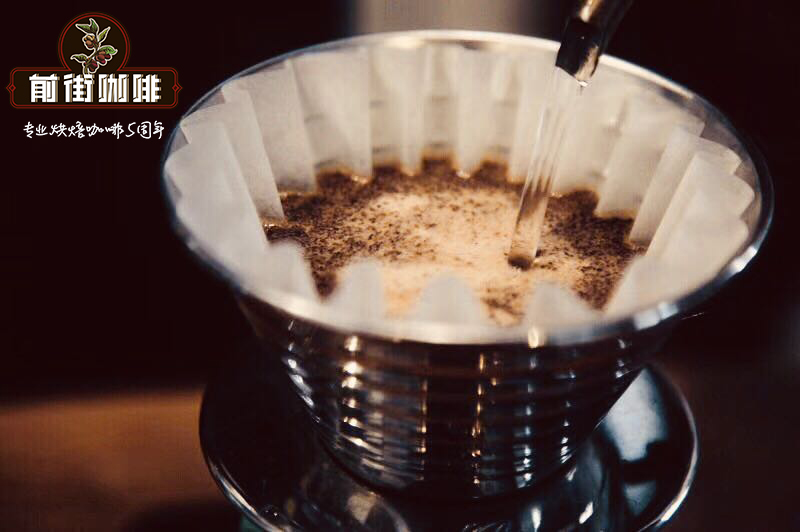
Recommended method: Pour-over
Dripper: Hario V60 or wave-style filter
Water Temperature: 90-92°C
Coffee-to-Water Ratio: 1:15 to 1:16
Grind Size: BG 5R (80% pass-through on the China standard #20 sieve)
FrontStreet Coffee Brewing Technique
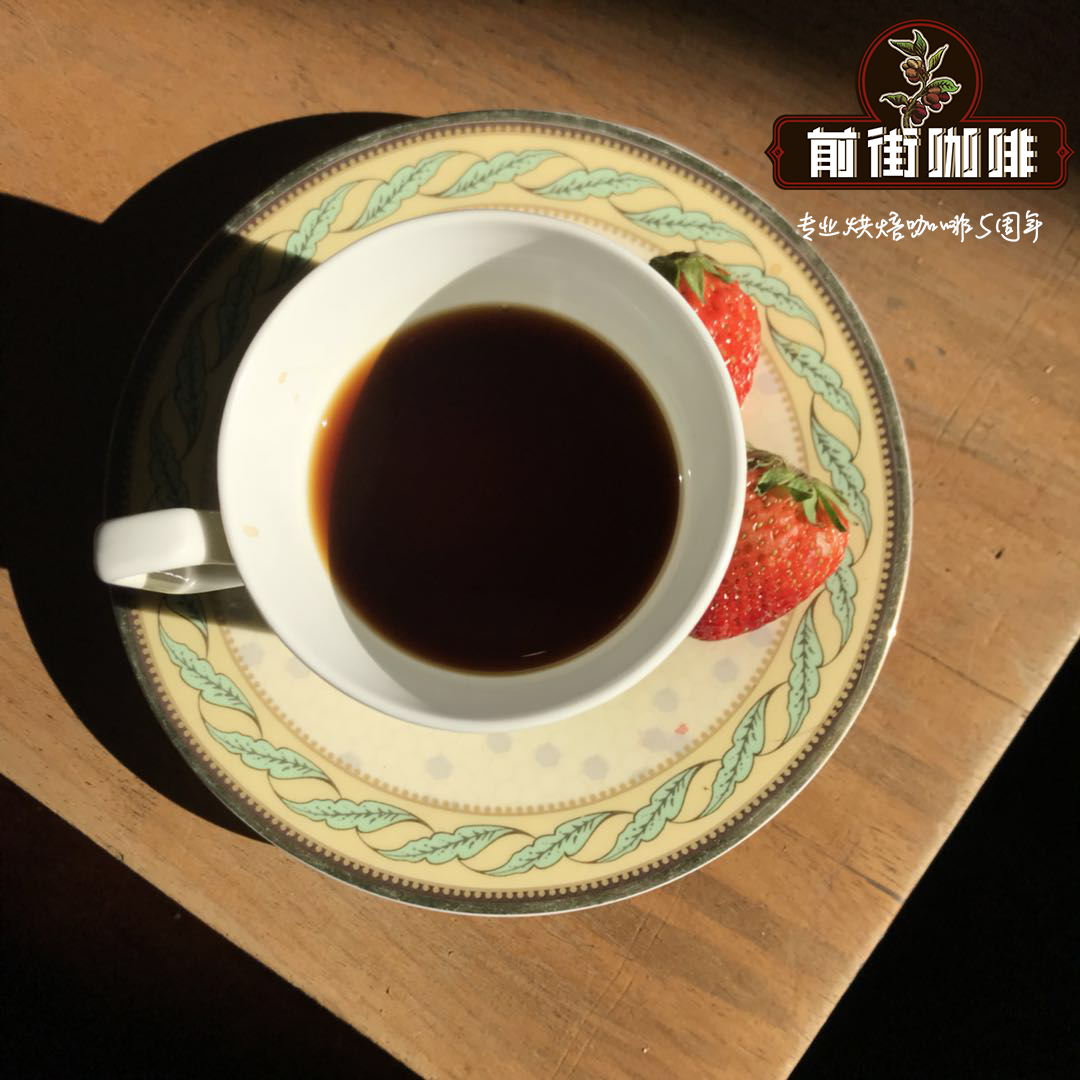
Bloom with 30g of water and wait 30 seconds. Pour in stages to 130g. When the water level drops to just above the coffee bed, continue to 230g and stop. When the level drops again to near the bed, remove the dripper. (Timing starts from the bloom.) Total extraction time: two minutes.
While brewing, you will catch citrus acidity and a green-tea freshness. Served hot, the sucrose and licorice sweetness lead, backed by lemon acidity and an oolong-tea finish—very much like a cup of lemon tea. As it cools, the citrus intensifies, and honey and sucrose sweetness linger long; fully cooled, it drinks like honeyed green tea.
FrontStreet Coffee Recommendation
If this washed Tolima Geisha charms you, FrontStreet Coffee's Geisha shelf has more to explore. The Esmeralda Estate Red Label (officially "Esmeralda Special") grows at 1,600-1,800 meters in Panama, with every batch cupping above 90 points and traceable to a single small plot; the Green Label "Private Collection" blends multiple plots into the estate's signature high-altitude Geisha at a friendlier price. For Geisha's birthplace, try the FrontStreet Genlana Estate Geisha from Ethiopia's Yirgacheffe zone—raised-bed sun-dried for 14-20 days and roasted medium-light for bright citrus acidity, elegant ginger-flower aromatics, and the variety's refined finish.
However you pour it, Geisha rewards a gentle hand: the beans are hard and dense and can clog the dripper if ground too fine, so FrontStreet Coffee suggests a grind passing 78% on the China #20 sieve (about the size of fine sugar), with water at 91°C. Use 15g of coffee in a small Hario V60 at a 1:16 ratio, three pours: 30g to bloom for 30 seconds, then to 125g, then a final pour to 225g once the bed drains halfway—total extraction around 2 minutes 10 seconds to 2 minutes 20 seconds.
FrontStreet Coffee is a roastery based in Guangzhou. The shop is small but the bean selection is broad, covering both famous names and rare finds, and online ordering is available as well.
Important Notice :
FrontStreet Coffee is a long-established specialty coffee roaster in Guangzhou China, selling freshly roasted beans from its own farm in Yunnan as well as dozens of carefully selected single-origin beans from around the world for both pour-over and espresso. The products deliver consistently excellent quality and great value, with shipping within 24 hours. Guangzhou's FrontStreet Coffee shop is recommended by many coffee lovers, and the beans are now available online at the Tmall 。
FrontStreet Coffee has moved to a new address:
FrontStreet Coffee Address: 315,Donghua East Road,GuangZhou
Tel:020 38364473
 Scan and follow the En Gafei WeChat official account. Please indicate that the reprint comes from "En Gafei".