The Story Behind the Name of Costa Rica's La Guaca Treasure Estate - Brunca Region Coffee
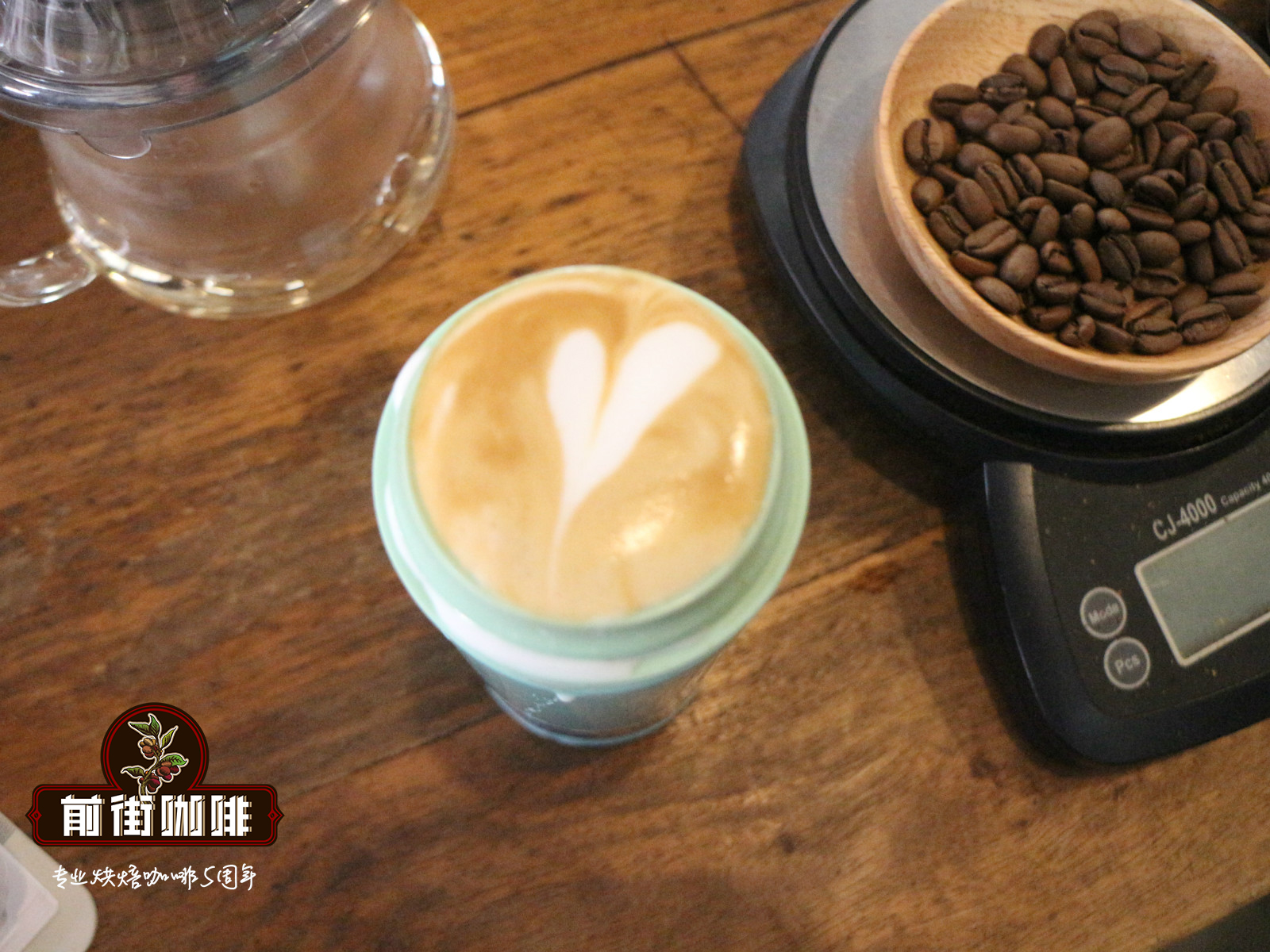
If you want a coffee with perfect balance between sweet and sour and a smooth mouthfeel, Costa Rican coffee is the answer. Costa Rica excels at honey processing - something FrontStreet Coffee greatly admires. That a processing method can lift coffee quality to such heights is remarkable: varieties matter, but it is the dedication to craft that makes their coffee captivating.
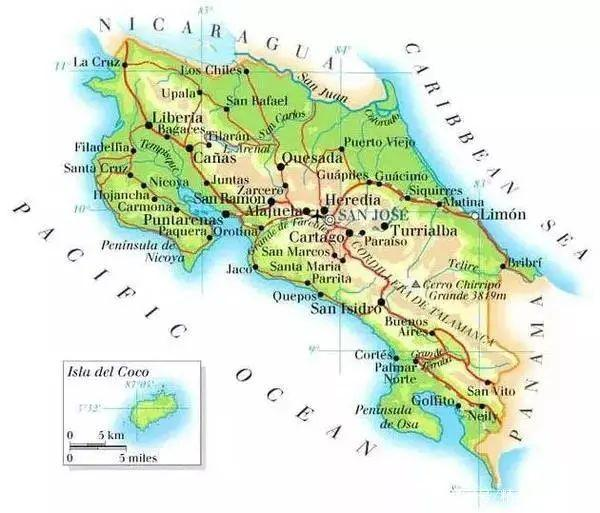
Costa Rica's coffee industry started early - it was the first Central American country to cultivate coffee. In 1820 the first shipment of coffee sailed to Colombia, and in 1854 British nobility hailed it as "golden beans"; from then on coffee became the country's main economic crop, and the status of Costa Rican coffee farmers rose with it.
Only Arabica coffee trees are grown in Costa Rica. The green beans are large and generally of high quality - genuine premium coffee.
In the early 20th century the government made it law: all farms and plantations in Costa Rica could grow only Arabica varieties. Farmers also prune regularly to keep trees around 2 meters tall for easier picking. Robusta is a "prohibited substance" within the country.
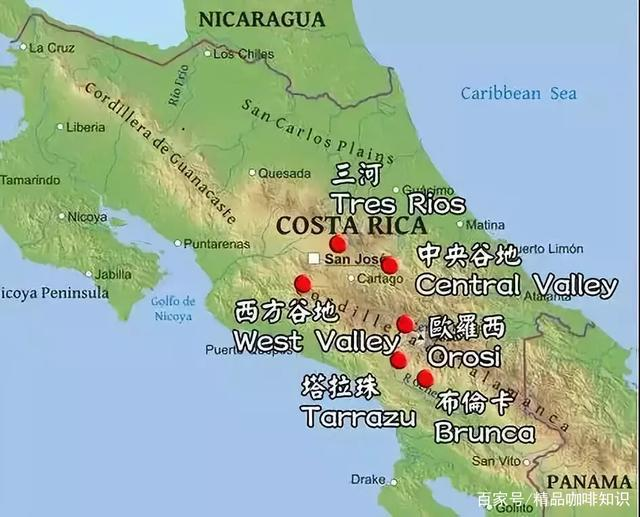
Eight Major Coffee Regions
West Valley, Central Valley, Tarrazu, Tres Rios, Orosi, Brunca, Turrialba, Guanacaste.
What Is the Cup of Excellence (COE)?
C.O.E. stands for Cup of Excellence, an international coffee cupping competition and the most credible contest for premium coffee. Winners represent the finest coffee their country produced that year. To rank highly, coffees must score consistently well across successive cupping rounds before earning the C.O.E. designation. Winning lots are then auctioned on a unified online platform where buyers worldwide bid transparently - raising the profile of the winning farms while securing better prices for the competition lots.
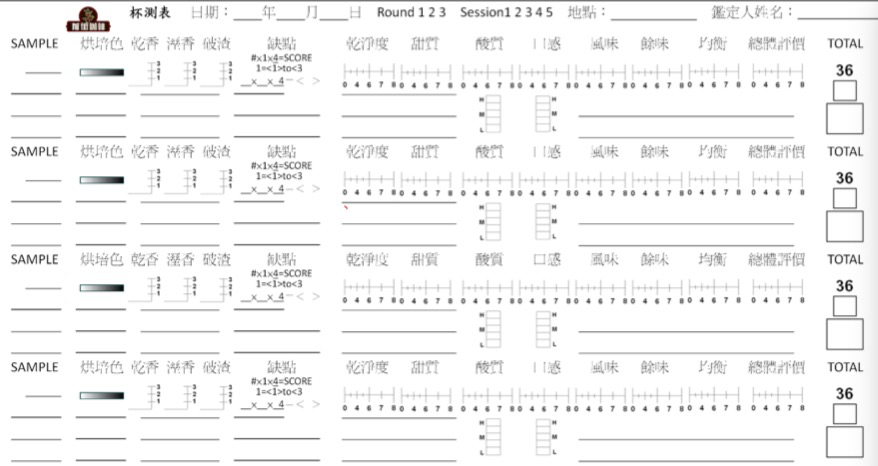
COE Standards and Classification
Total score of 69 or below: inferior commercial or industrial-grade coffee.
Total score between 70-74: standard commercial-grade coffee.
Total score between 75-79: premium commercial-grade coffee.
Total score between 80-84: specialty coffee.
Total score of 85 or above: COE competition-grade coffee - Cup of Excellence winners, the highest level recognized by the international coffee community.
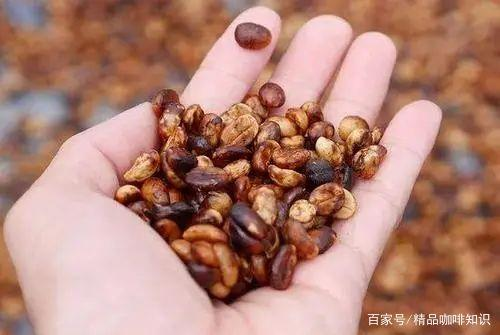
Honey Processing
Honey processing means drying coffee beans with their mucilage intact. After the outer flesh is removed, the beans keep a sticky gelatinous layer. Depending on how much mucilage is retained, the method splits into yellow, red, and black honey.
Yellow Honey: retains 20%-50% of the mucilage, sun-dried for about 8 days until moisture stabilizes.
Red Honey: retains over 50% of the mucilage, dried longer with less direct sun under shade nets for about two weeks.
Black Honey: retains over 80% of the mucilage, taking roughly 2-3 weeks to dry under shade nets - slowing the drying so the beans fully absorb the sugars converted from the mucilage.
La Guaca Estate
Costa Rica's coffee history spans more than 200 years - a pillar of the national economy and an indispensable chapter in world coffee. Over the past decade it has won global acclaim through its micro-mills. In this small Central American nation, unique geography creates diverse specialty coffees; farmers work in excellent conditions supported by stable democracy, strict labor laws, and proper healthcare. Costa Rica was the first country in Central America to abolish its military entirely and hosts the United Nations University for Peace.
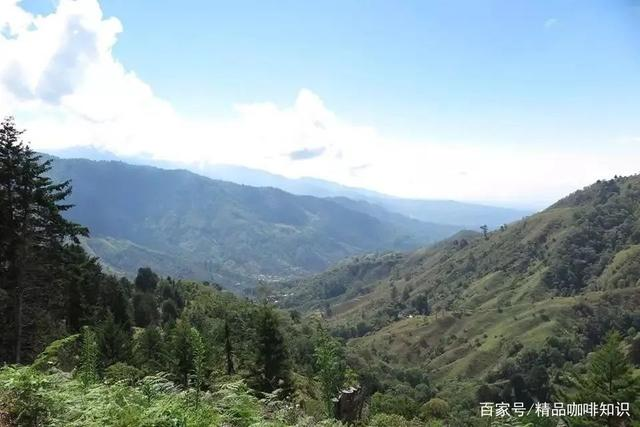
Brunca, one of the country's more remote coffee regions, lies about 150 kilometers southeast of the capital San Jose - roughly three and a half hours by car through high-altitude passes of 3,000-3,400 meters where altitude sickness is possible. The producer is Mr. Regulo's family-owned La Guaca Estate, named - "treasure" - for the local legend that indigenous people buried a treasure here long ago that has never been found. La Guaca began growing coffee about 30 years ago and is still run today by Mr. Regulo, his wife Isabel, and their four children: Ricardo, Mario, Esteban, and Luis. They also operate their own "Rivense" micro-mill.
Mr. Regulo aims for a sustainable coffee industry in which the estate's other organisms thrive alongside the coffee: he preserves native tree species, has planted fruit trees widely to shelter birds, protects springs and waterfalls through soil conservation, and has won the Ecological Blue Flag award two years running. The estate sits between two important ranges, Cerro de la Muerte and Cerro Chirripo (Costa Rica's highest peak), at 1,600 meters - a natural environment exceptionally suited to specialty coffee.
Before 2015, after each early harvest La Guaca struggled to find knowledgeable buyers willing to pay fair prices for such excellent beans. Mr. Regulo was not discouraged: he kept refining his farming and processing and entered Costa Rica's Cup of Excellence. After clearing the domestic preliminary rounds and missing the 2014 international selection by a single position, he finally achieved a remarkable 33rd place in the 2015 COE competition.
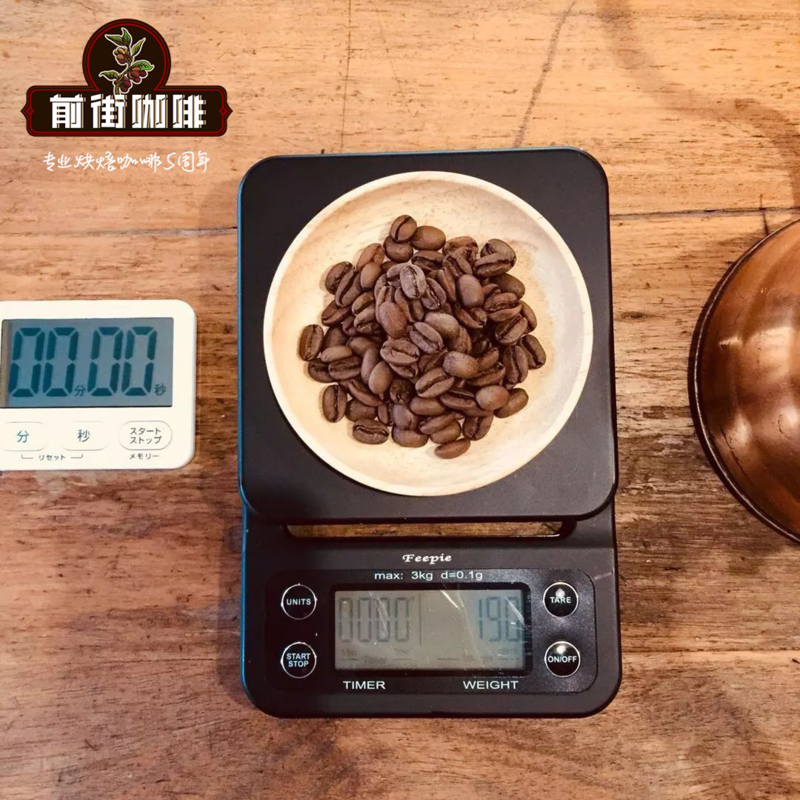
Costa Rica Brunca La Guaca Black Honey
Costa Rica La Guaca Estate Black Honey
Region: Brunca / Rivas
Estate: La Guaca
Mill: Rivense
Altitude: 1650m
Variety: Catuai
Processing: Black Honey
Grade: SHB
Flavor Notes: Blackberry, dark fruit, sweet spices, honey, peach; rounded mouthfeel with rich sweet-sour balance
FrontStreet Coffee Recommendation
Honey processing grew out of Brazil's pulped-natural (semi-dried) method - depulping the cherry then drying it, which shortens drying time while avoiding the off-flavors of uncontrolled fermentation. Costa Rica studied that success and refined it into honey processing, graded by how much mucilage is kept and how long the drying lasts, yielding the now-familiar black, red, yellow, and white honey tiers.
FrontStreet Coffee Costa Rica Blackberry
The Blackberry uses an extreme black honey: almost no mucilage is removed, and drying lasts at least two weeks under shade covers so the sun never dries the beans too fast and the sugars convert fully - with constant turning to prevent hot spots and over-fermentation. It takes real labor. Roasted medium-light, the ground coffee is heady with fresh flowers, and the cup shows grape, berries, and ripe blackberry.
FrontStreet Coffee Strawberry Candy Geisha Blend
Strawberry Candy pairs Panama Geisha with Costa Rican coffee. The Geisha brings its classic orange-blossom honeyed character, while the Costa Rican component uses raisin honey processing - 100% mucilage retained and zero water. On harvest day, ripe cherries sink in the flotation tank while underripe or overripe fruit floats and is discarded; the cherries dry on raised beds for at least three days before depulping, then keep drying with constant turning. The blend marries Geisha's floral-tea character with grape and dried-blueberry fragrance, gentle acidity, an almond finish, and obvious sweetness.
FrontStreet Coffee Costa Rica Mozart
Beyond the classic honeys lies an innovation: raisin honey processing, in which whole cherries pre-dry on raised beds for at least three days before the skin and flesh come off and the usual honey steps follow. Keeping 100% of the mucilage makes it even harder to execute than black honey - timing is everything - but it rewards you with richer dried-fruit sweetness. Brewed as pour-over, cold brew, or moka pot, Mozart shows sweet osmanthus, pineapple, and raisin.
Important Notice :
FrontStreet Coffee is a long-established specialty coffee roaster in Guangzhou China, selling freshly roasted beans from its own farm in Yunnan as well as dozens of carefully selected single-origin beans from around the world for both pour-over and espresso. The products deliver consistently excellent quality and great value, with shipping within 24 hours. Guangzhou's FrontStreet Coffee shop is recommended by many coffee lovers, and the beans are now available online at the Tmall 。
FrontStreet Coffee has moved to a new address:
FrontStreet Coffee Address: 315,Donghua East Road,GuangZhou
Tel:020 38364473
 Scan and follow the En Gafei WeChat official account. Please indicate that the reprint comes from "En Gafei".