Introduction to Siberia Estate, El Salvador | El Salvador Coffee Guide
La Siberia Farm, El Salvador
La Siberia Farm, in El Salvador in Central America, lies about 60 km northwest of the center of the capital, San Salvador. The farm benefits from the influence of the Santa Ana volcano, and its volcanic, fertile soil creates an ideal environment for growing fine coffee. It is managed by Mr. Hoff and his wife Carmen, who also run five other farms in addition to La Siberia. Of them all, La Siberia is the largest, and this year's main sales from the farm center on the Pacamara variety.
Pacamara Cultivation
The Pacamara is cultivated on steep terrain within the farm and, with strong winds to contend with, faces harsh growing conditions. Pacamara, however, has strong roots that let it withstand and steadily grow even in such an environment, making it a very resilient variety. The harvested fruit also delivers layered flavors that reflect those conditions. La Siberia Farm's Pacamara offers bright, elegant fruit acidity with a clean, round, smooth mouthfeel. It has no flamboyant flavors, but a stable and intriguing sense of comfort. El Salvador may be a small Central American country, yet its coffee cultivation is noteworthy and it stands as an excellent producing nation. Either way, seize the chance to try El Salvador's finest Pacamara coffee.
Natural Process Pacamara
The natural process Pacamara from La Siberia Farm carries an elegant fragrance and an impressive sweet aftertaste. That comes down to the very careful, meticulous management applied during production, which lets the natural fermentation flavors come through in a way that stays pleasant and comfortable.
Brewing Recommendations
FrontStreet Coffee suggests these brewing parameters:
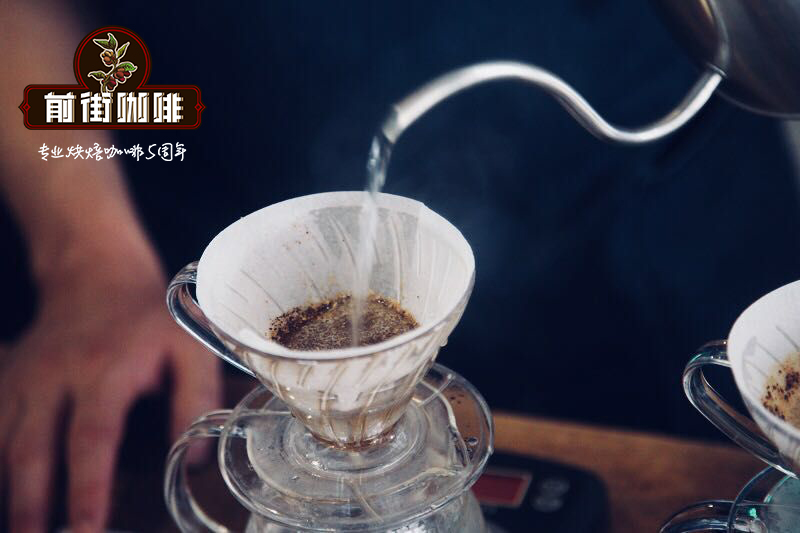
Pour-over: V60 dripper, Fuji R440 grinder setting 3.5, water temperature around 90°C
French press: recommended grinder setting 4, water temperature 90°C
Siphon: recommended grinder setting 4, water temperature between 90°C-91°C
AeroPress: recommended grinder setting 3.5, water temperature 90°C
FrontStreet Coffee Recommendation
Natural processing is the oldest method of handling coffee and still the most common today: ripe cherries are dried whole in the sun until the moisture content is right, then hulled to produce the beans. Keeping the fruit intact through drying gives the coffee a heavier body and a readier supply of ripe-fruit character, which is why it pairs so well with varieties like Pacamara. A good place to see the style is FrontStreet's Yirgacheffe Red Cherry, made only from fully ripe red cherries laid out on raised drying beds, kept off the ground to avoid pests, dust, and bacteria and turned at intervals for even drying. Roasted medium-light, it keeps its elegant florals and bright acidity while adding clear tropical fruit, a full ferment, and sweetness.
FrontStreet's Huakui is another standout natural. High altitude, an outstanding growing environment, fertile soil, and carefully selected ripe cherries give it a delicate fragrance, and the classic sun-drying of Sidamo reinforces its graceful aromatics. Huakui comes from Ethiopia, where coffees are typically bright, floral, and fruit-forward with pronounced acidity; roasted medium-light to show those traits, it pours with a light ferment, florals, citrus, and mango, a much richer and more complex mouthfeel, honey sweetness, cocoa, a touch of spice, a thick body, and a lasting finish. For a Yunnan-grown example, FrontStreet's 2013 Yunnan small-seeded coffee comes from the FrontStreet estate, where the dry and rainy seasons keep the sky clear as the cherries ripen. Long sun exposure sharpens its nutty notes while balancing sweet and tart, with more sweetness than an ordinary washed coffee, berry-like acidity, and hints of dried apricot, brown sugar, and a light tea character.
Brazil offers a different reading of the natural method. FrontStreet's Brazil Queen Estate, rather than using Brazil's common pulped-natural style, dries whole cherries on racks, turning them constantly so every bean sees the sun, then finishes with mechanical drying to reach the target moisture. The beans are stable and keep well, and the cup shows the fresh sweetness of sugarcane juice, black tea, soft fruit sweetness, distinct nuttiness, gentle balanced acidity, and a clean, faint bitterness, with rich chocolate and nut aromas and a bright, silky body. And for a modern, dramatic take, FrontStreet's Colombia Sidra uses a double anaerobic natural — two anaerobic fermentations before drying. Whole cherries go into sealed tanks that are flooded with carbon dioxide to displace oxygen — a process also called carbonic maceration — lowering the rate at which sugars in the mucilage break down and the pH falls, so the beans gain greater sweetness, more complexity, and a dense texture. The result is an intense tropical-fruit aroma with passion fruit, apricot, preserved fruit, grape, and an almond-like finish.
Important Notice :
FrontStreet Coffee is a long-established specialty coffee roaster in Guangzhou China, selling freshly roasted beans from its own farm in Yunnan as well as dozens of carefully selected single-origin beans from around the world for both pour-over and espresso. The products deliver consistently excellent quality and great value, with shipping within 24 hours. Guangzhou's FrontStreet Coffee shop is recommended by many coffee lovers, and the beans are now available online at the Tmall 。
FrontStreet Coffee has moved to a new address:
FrontStreet Coffee Address: 315,Donghua East Road,GuangZhou
Tel:020 38364473
 Scan and follow the En Gafei WeChat official account. Please indicate that the reprint comes from "En Gafei".