Brazil Catuai and Catula Coffee Flavor Characteristics Introduction - Nutty Sweetness of Pulped Natural Catuai
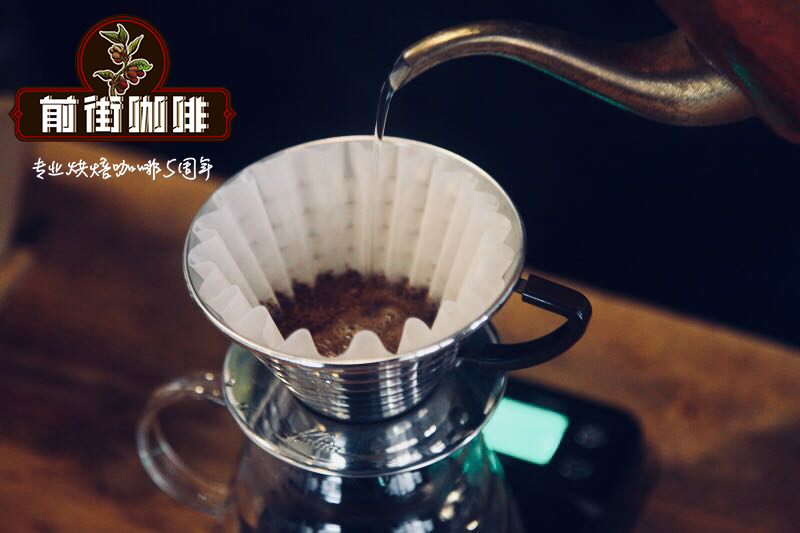
This Brazilian Catuai from FrontStreet Coffee keeps to Brazil's most traditional approach, the pulped natural method. Yet this pulped natural Catuai shows lemon acidity and berry fruit, which is a long way from the usual impression of Brazilian coffee. At the same time it holds onto Brazil's signature nutty aroma and sweetness, with a full body that carries a hint of freshness. The overall impression is bright and refreshing, fruit-forward yet balanced, like a fruit cream biscuit on the palate.
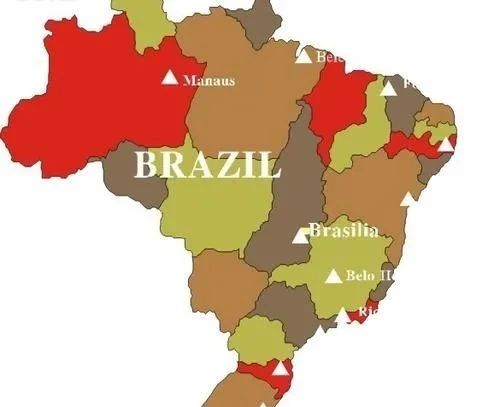
Brazil: The World's Largest Coffee Producer
Brazil is the world's largest coffee-producing country, and its coffee grows mostly on plains and highland tropical savanna. The average annual temperature sits around 20°C. That excellent climate, together with largely flat terrain, allows coffee to be cultivated on a vast scale and harvested mechanically, so the sheer volume of production is no surprise.
01 | Coffee History
Coffee reached Brazil from French Guiana in the 1720s. Francisco de Mello Palheta, a Portuguese captain, won over the wife of the governor of Cayenne, then the capital of French Guiana, and succeeded in carrying coffee seeds into Brazil. From there coffee adapted quickly, spreading from the north down to São Paulo in the southeast. By 1845, Brazilian beans already accounted for 45% of the world's total coffee bean production and had become the main economic engine of São Paulo state.
02 | Brazilian Bean Flavor Characteristics
Brazilian coffee grows at altitudes of roughly 400-1600 meters, which is relatively low. Compared with Central American coffee, Brazilian beans are not especially dense, so their flavor is not as lofty as that of many high-altitude origins. Brazilian coffee is fairly simple in profile: a smooth, balanced mouthfeel with nutty aroma, grassy notes, and chocolate, without excessive acidity or bitterness. That is why it is so often used in espresso blends. Coffee from the coastal Rio area can even show iodine and salty notes, which are thought to come from certain microbial interactions; even grown in the same soil, though, that character does not necessarily appear every year.
03 | Varieties
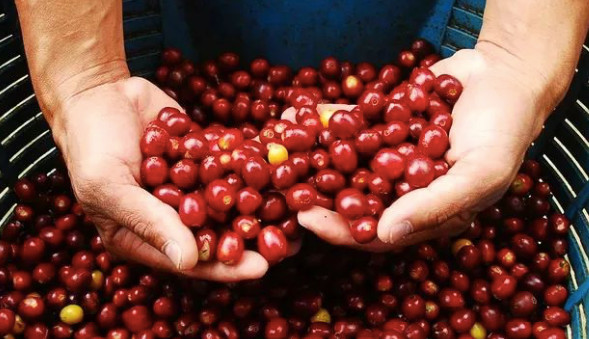
Brazil grows a great many coffee varieties. Red Bourbon, Yellow Bourbon, Mundo Novo, and Catuai are currently the main ones, while Catuai, Acaia, Obatã, Amarelo, and Pointed Bourbon are also cultivated and researched.
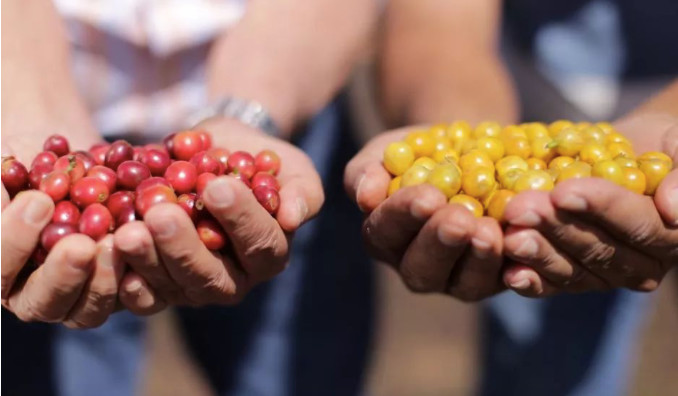
Catuai is a dwarf variety created in Brazil in 1950. It has better production capacity and disease resistance than Bourbon, and its shorter tree height makes harvesting easier. It is highly adaptable, needs no shade trees, and can be grown from as low as 700 meters up to 1700 meters. Its flexibility across altitudes is strong, but the higher it is planted the better the flavor, at some cost to yield.
04 | Coffee Growing Regions
Brazil has 21 states, 17 of which produce coffee. Seven of those states account for 98% of the country's total production.
The seven are: São Paulo (Mogiana, Centro-Oeste), Paraná (Norte Pionerio do Paraná), Bahia (Planalto da Bahia, Cerrado da Bahia, Atlântico Baiano), Espírito Santo (Montanhas do Espírito Santo, Conilon Capixaba), Minas Gerais (Sul de Minas, Cerrado Mineiro, Chapada de Minas, Matas de Minas), Rondônia (Rondônia), and Rio de Janeiro.
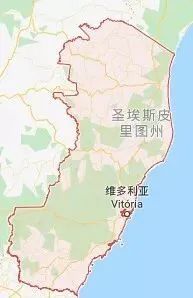
Brazil Espírito Santo Catuai
The altitude here ranges from 1100-1200m. Espírito Santo is mainly divided into two areas: the north, where both large and small estates grow Robusta, and the south, which produces classic mountain-grown Arabica in generally smaller quantities. For a long time Brazil relied primarily on natural processing because water was scarce, and washed processing could not keep up with the volume of production. After 1990, Brazil promoted pulped natural processing, also called semi-washed: after defects and floaters are removed in water tanks, machines strip the skin, pulp, and some mucilage, then the beans are washed and finally dried in the sun or in drying rooms. Compared with washed processing, pulped natural saves water and labor, markedly improved the quality of Brazilian coffee, and reversed the long-standing poor reputation of Brazilian natural processing.
Catuai is a dwarf coffee tree variety created in Brazil in 1950 by crossing Yellow Catuai with Mundo Novo. It adapts well to a range of altitudes and shows better cup quality when planted above 800m. It comes in both red and yellow types. Bourbon is a sub-variety that arose from a Typica mutation and, along with Typica, belongs to the oldest existing coffee varieties. Its green fruits ripen to bright red. Bourbon grown at high altitude typically has better aroma and bright acidity. It is classified by fruit color into Red Bourbon, Yellow Bourbon, Orange Bourbon, and Pink Bourbon. Yellow Bourbon yields relatively less but offers better quality.
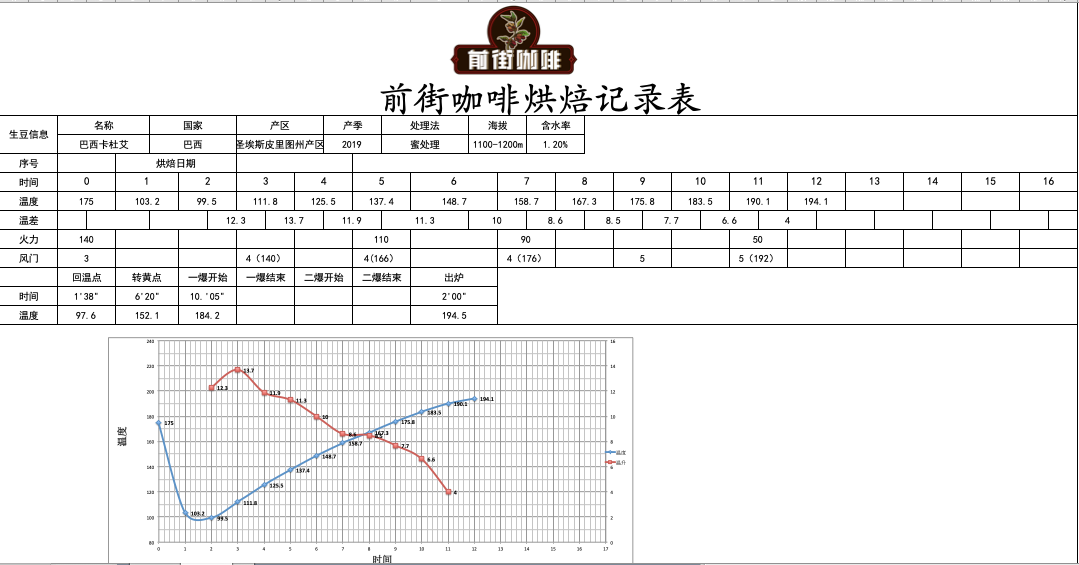
Brazil Catuai Roasting Curve
Heat the roaster to 175°C, then charge the beans with heat at 140 and the damper at 3. The turning point comes at 1'38" at a temperature of 97.6°C. When the roaster reaches 140°C, open the damper to 4; when the temperature climbs to 166°C, adjust the heat to 110 and leave the damper unchanged; at 176°C, adjust the heat to 90 and again leave the damper unchanged; at 192°C, adjust the heat to 50 with the damper at 5. At 9'38", ugly wrinkles and black spots appear on the bean surface and the toast smell shifts clearly into coffee aroma, which can be defined as the prelude to first crack. Listen closely for the first crack sound. First crack begins at 10'05"; open the damper to 5, develop for 2'00" after first crack, then drop at 194.5°C.
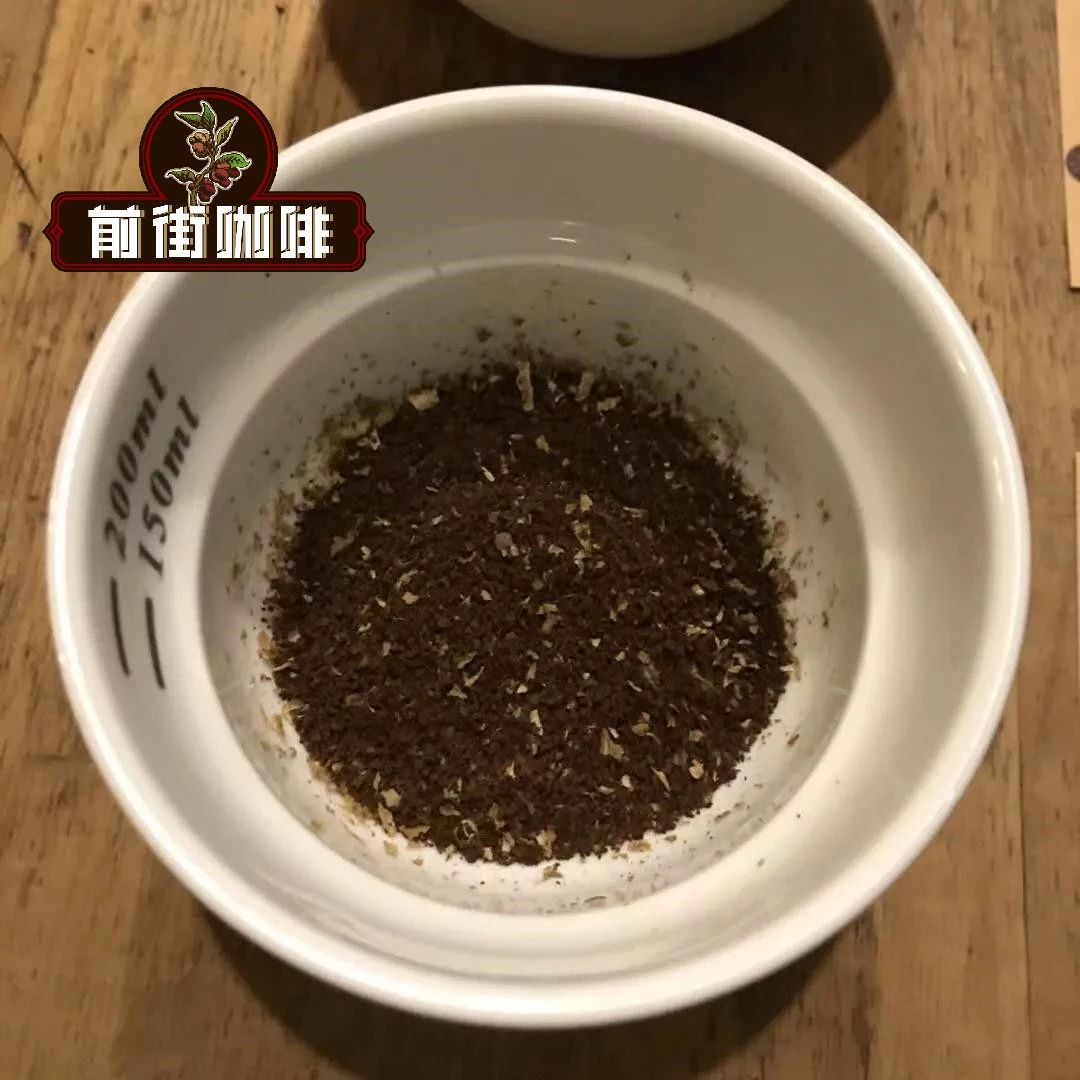
Cupping
Brazil Catuai: the wet aroma is spicy. On the slurp, lemon acidity, berry fruit, herbal notes, caramel, and nuts come through. The overall acidity is bright and clear, with a clean mouthfeel.
Brazil Espírito Santo Catuai
Region: Espírito Santo
Variety: Catuai
Altitude: 1100m
Processing: Semi-washed
Flavor Description: rich lemon acidity, fruity flavors, a relatively muted aroma, balanced mouthfeel, bright fruit acidity

FrontStreet Coffee Recommendation
If you want a gentle introduction to the Brazilian profile that this Catuai belongs to, FrontStreet Brazil Cerrado Red Bourbon is an excellent place to start. It is a classic Brazilian single origin from Cerrado, a well-known growing region prized for high-quality beans, and it is a Red Bourbon, the variety common across South America. Roasted medium, it shows rich aromas of creamy peanut, toasted bread, caramel, and hazelnut, with a rounded body, low acidity, and a light bitterness. It is versatile too: pour-over, moka pot, espresso SOE, siphon, and French press all work well with it.
For a different expression of Brazil, try FrontStreet Brazil Queen Estate Yellow Bourbon, grown in Mogiana near Sul de Minas. The region's fertile red volcanic soil feeds the fruit and builds a full aroma, and the estate combines traditional farming with modern, standardized management, which has lifted local quality considerably. This rare Yellow Bourbon started as a mutation of Red Bourbon and gives a cleaner fruit character; through pour-over, moka pot, or a home espresso machine you get a sugarcane sweetness that other origins rarely offer, alongside fruit and chocolate notes.
Brazilian beans are also the backbone of many FrontStreet espresso blends, where their chocolate and creamy aromas, soft sweet-sour-bitter balance, and steady extraction make them ideal. FrontStreet Classic Blend brings rich crema, FrontStreet Specialty Blend leans into nuts, and FrontStreet Dark Cocoa Blend is the balanced choice many baristas reach for, while FrontStreet Commercial Blend is built for cafe service.
Important Notice :
FrontStreet Coffee is a long-established specialty coffee roaster in Guangzhou China, selling freshly roasted beans from its own farm in Yunnan as well as dozens of carefully selected single-origin beans from around the world for both pour-over and espresso. The products deliver consistently excellent quality and great value, with shipping within 24 hours. Guangzhou's FrontStreet Coffee shop is recommended by many coffee lovers, and the beans are now available online at the Tmall 。
FrontStreet Coffee has moved to a new address:
FrontStreet Coffee Address: 315,Donghua East Road,GuangZhou
Tel:020 38364473
 Scan and follow the En Gafei WeChat official account. Please indicate that the reprint comes from "En Gafei".