Premium Coffee Bean Recommendations--What Coffee Beans Should You Use for Pour-Over Coffee?
As more people in China make coffee a daily habit, plenty of enthusiasts have started studying brewing seriously so they can make their own cup at home. In this article, FrontStreet Coffee looks at which coffee beans suit beginners when it comes to pour-over.
What is Pour-over Coffee?
The roasted beans we buy have been through a series of chemical reactions during high-temperature roasting that generate a whole range of aromatic compounds. When we brew, we use water and equipment to extract those aromatics. Pour-over means grinding the beans first, then pouring hot water onto the grounds to dissolve the coffee's soluble material, using a filter cup with paper or another device to hold the grounds back so they do not end up in the server below - producing a clear-tasting cup of black coffee.
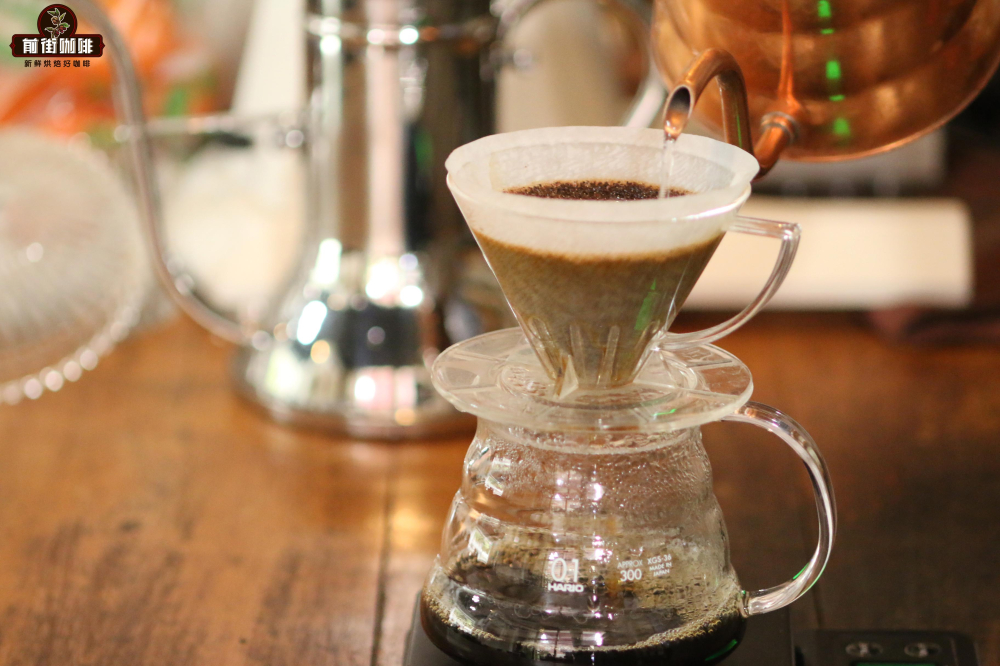
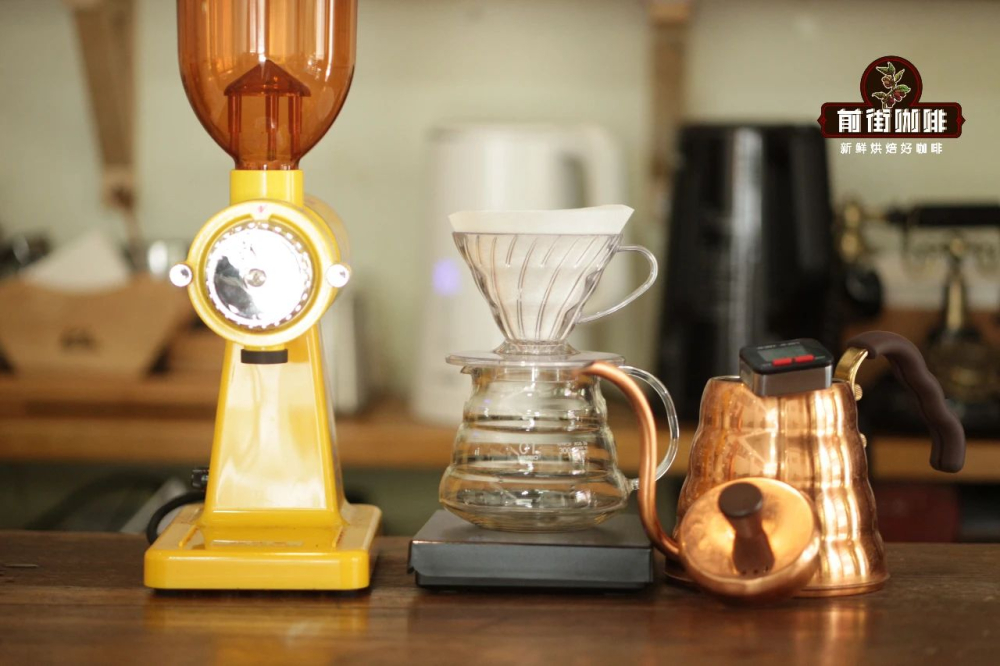
From choosing beans to the final extraction, every step shapes how a pour-over tastes to some degree. Drawing on FrontStreet Coffee's brewing experience, a good cup takes more than quality beans; at minimum you need a pour-over kettle to pour water, a filter cup and paper to hold the grounds, a server, a grinder, a digital scale to weigh water and time the brew, and a thermometer to check water temperature.
Delicious coffee is inseparable from good ingredients, and that means high-quality beans. FrontStreet Coffee suggests choosing beans within 4-30 days of their roast date - the optimal tasting window - which keeps extraction stable and flavor full. To guarantee freshness, FrontStreet Coffee ships beans roasted within 5 days, usually arriving in 1-3 days, so what lands on your doorstep is still inside that window and ready for you to start exploring technique.
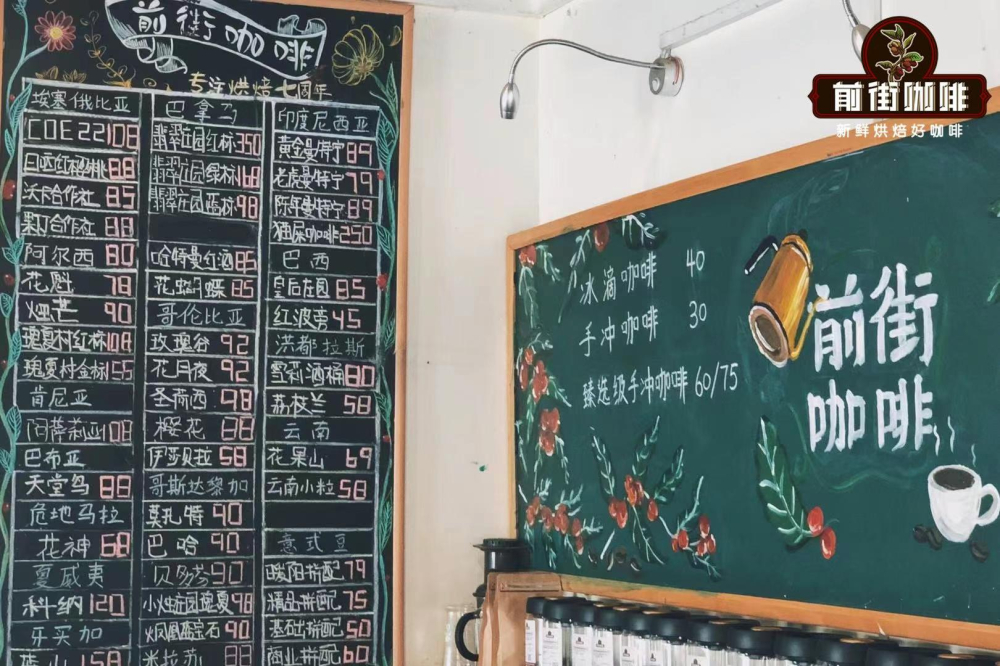
Pour-over Specialty Coffee Bean Recommendations
If you are new to pour-over and worried about wasting expensive, limited-quantity beans on bad brews, FrontStreet Coffee suggests starting with its cost-effective daily beans. FrontStreet Coffee selected 7 excellent classic coffee regions covering a range of representative origins, varieties and processing methods. Daily beans, as the name suggests, are affordable enough to drink every day, with approachable prices and flavors. FrontStreet Coffee picked several flagship representatives to help you learn the basic flavors of the major regions.
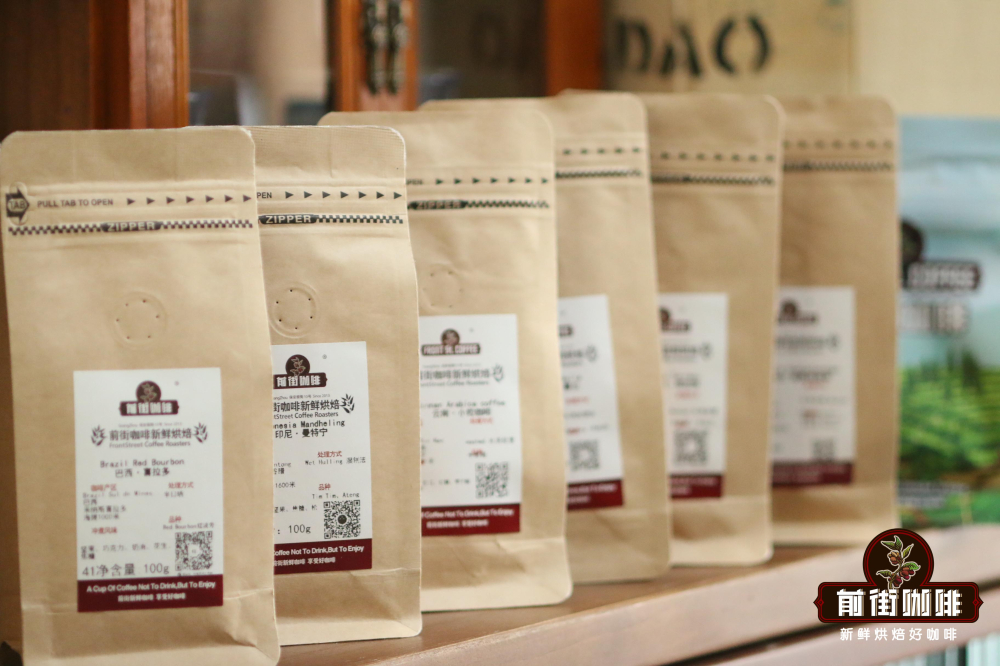
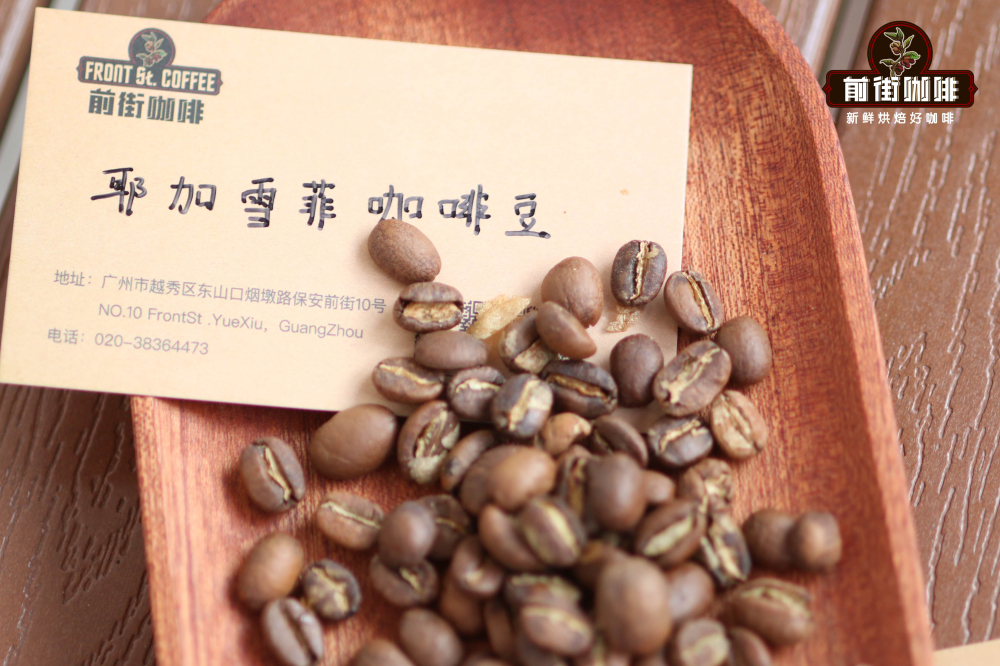
Ethiopia's FrontStreet Coffee Washed Yirgacheffe Coffee Beans
The so-called Yirgacheffe flavor means elegant citrus, lemon and berries with rich florals, plus a clear tea-like quality that is unforgettable once tasted. Expressing flavors and textures this refined takes excellent growing conditions, the right variety, the right processing, and careful roasting and brewing - all of them.
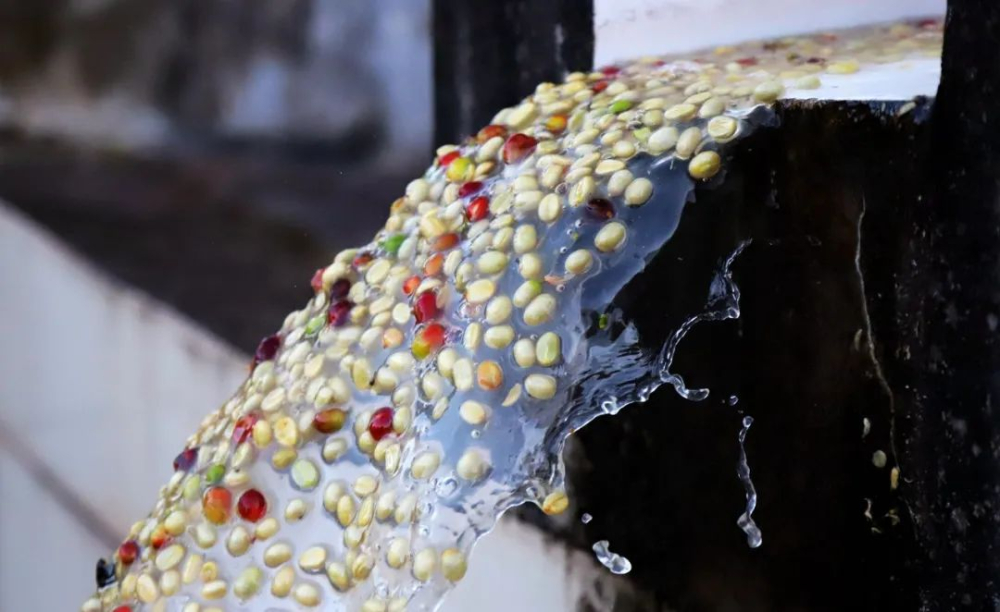
On the African continent, Ethiopia's water resources are limited, so green beans were traditionally processed by the ancient natural method, drying directly in the sun. The rough technique meant quality was generally low. Only in 1972 did Ethiopia introduce Central and South American washed processing technology and equipment to lift bean quality. Unlike other regions, Yirgacheffe is a wetland area that suits washed processing especially well. The multiple steps of washing cut the defect rate significantly, giving higher clarity and letting the inherent aroma come through more clearly and transparently.
That move also multiplied the citrus-lemon acidity and white florals of FrontStreet Coffee's Yirgacheffe several times over, while making the cup fresher and brighter. FrontStreet Coffee's Yirgacheffe daily beans use a medium-light roast to preserve more fruit acidity and keep the classic Yirgacheffe profile, and they suit pour-over, cold brew, French press and more.
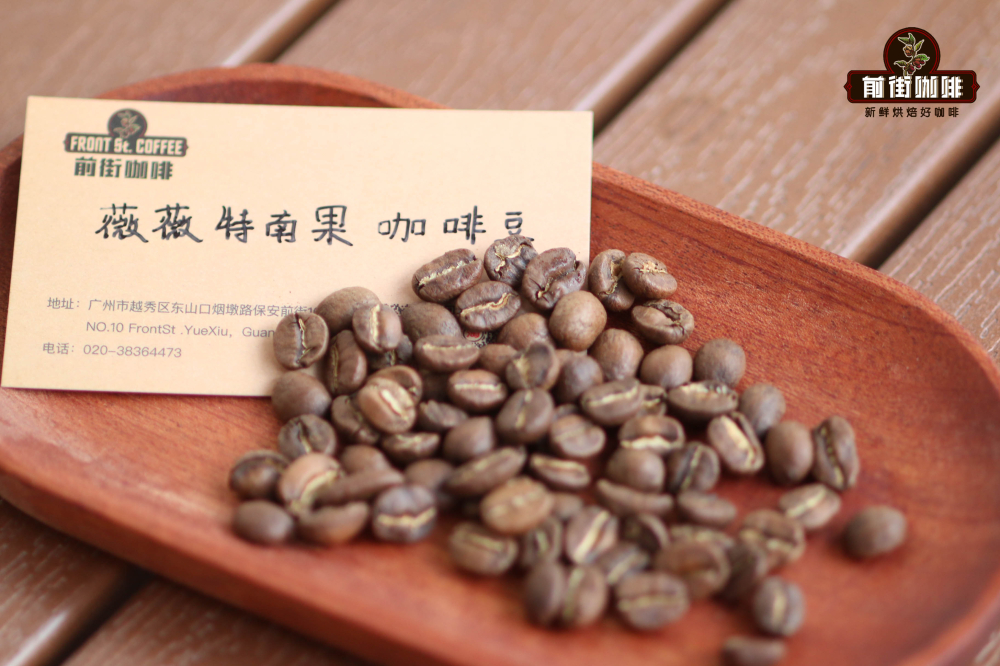
Guatemala's FrontStreet Coffee Washed Huehuetenango Coffee Beans
The Huehuetenango highlands lie in Guatemala's western non-volcanic region, which has the driest climate and the highest altitude. Sitting at the edge of active tectonic plates, its diverse mountain-basin terrain produces rich and varied coffee flavors. Like Antigua it has plentiful volcanic soil, with altitudes reaching 2000m - yet dry hot winds from Mexico's northwest are what allow coffee trees to grow on these 2000-meter plateaus.
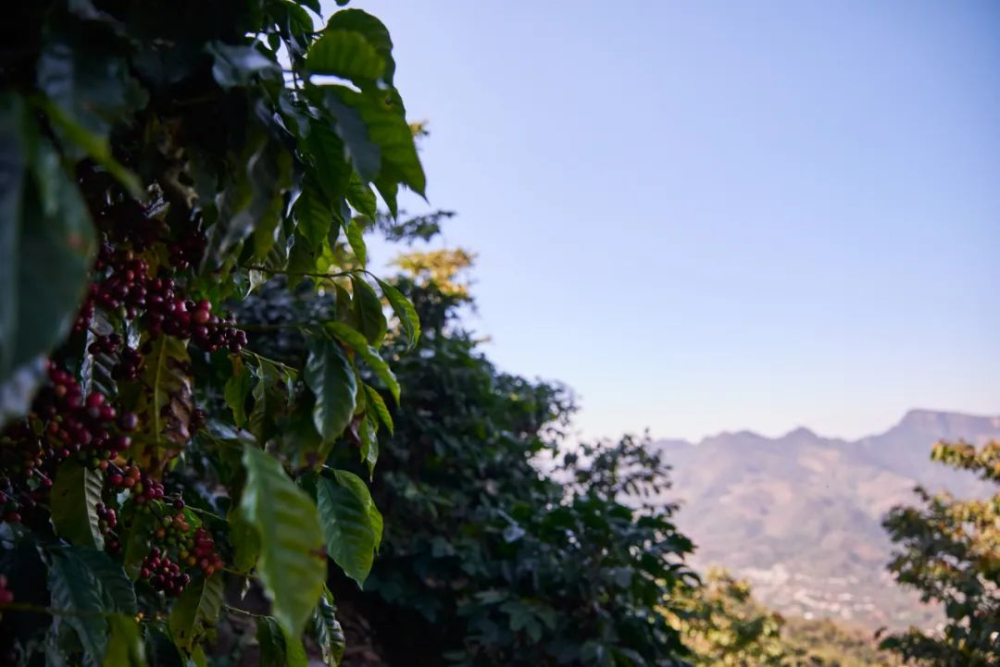
Each country has its own grading standard. Guatemala grades green beans mainly by altitude - the higher the elevation, the denser the bean and the higher the grade. Most coffee from Huehuetenango is SHB (Strictly Hard Bean), the top classification in Guatemala's green bean system.
This FrontStreet Coffee Huehuetenango is washed, showing the cleaner tones typical of Guatemalan coffee. Because its fruity aroma is rich and intense, it is roasted medium-light, so that grinding the coffee releases citrus and nutty sweet aromas.
Colombia's FrontStreet Coffee Washed Huila Coffee Beans
Huila rose to fame in the 21st century, appearing again and again on green bean competition award lists, and it received official Designation of Origin certification in 2013. The region takes its name from Huila Province in southwestern Colombia, on the flank of the Andes near the Huila volcano. Ash from eruptions adds fresh nutrients to the soil, which especially benefits the coffee trees. Compared with other regions, Huila has rainfall year-round and suitable temperatures, letting coffee be planted even above 2000 meters. High-altitude coffee produces bright acidity and chocolate aromas.
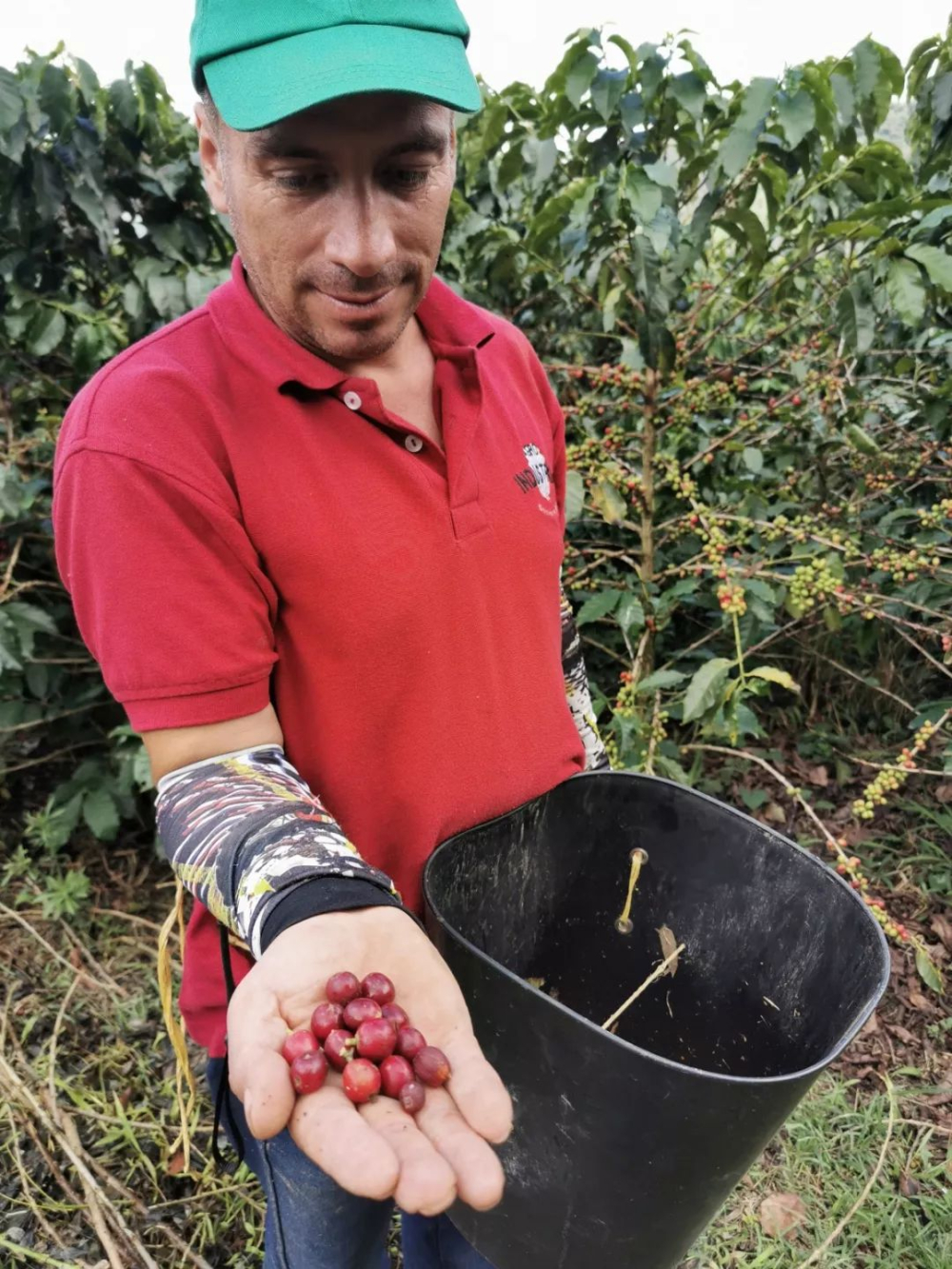
Huila coffee is produced mainly by smallholders, with local farms typically under 1.5 hectares. Growers plant shade trees to improve growing conditions and protect quality. When the cherries ripen, Colombians pick the most mature, full fruit and process it at its freshest, keeping the coffee fresh at every step. The washed FrontStreet Coffee Huila daily beans have both soft acidity and appropriate richness with a sweet aftertaste. FrontStreet Coffee wants to show the classic Colombian nuttiness while keeping some acidity, so it uses a medium-dark roast.
Brazil's FrontStreet Coffee Semi-washed Cerrado
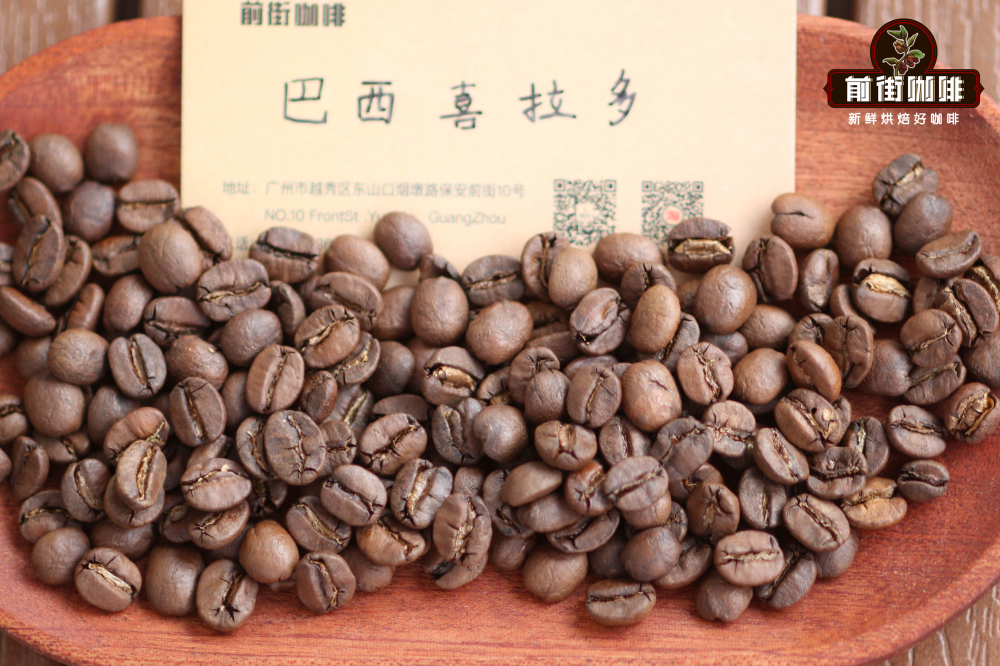
Brazil's plantations lack the high altitudes of African or other South American origins - most are flat plains just a few hundred meters above sea level. Chasing volume, Brazilian growers mainly use large-scale sun-dried planting. The fruit therefore ripens quickly, without the rich fruit acidity of high-altitude coffee, and flavors lean sweet, mellow and balanced. That approachable character is exactly why Brazilian coffee belongs in espresso blends: it accents the roasted aroma and makes extraction more stable.
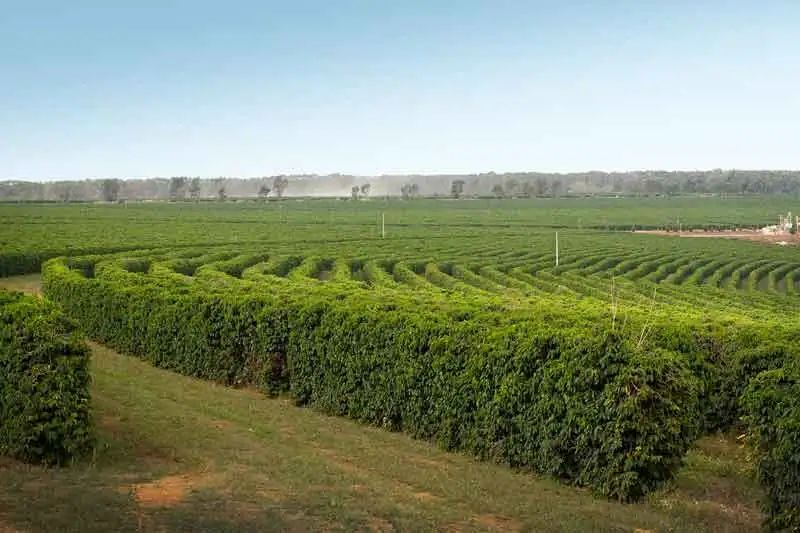
Cerrado, in northwestern Minas Gerais state, has a long coffee history and mature growing and production experience. Many companies have established medium to large plantations here. With altitudes between 800-1300 meters, distinct seasons (humid summers, dry winters) and mineral-rich soil, it produces coffee with nutty, creamy smoothness, a balanced taste and very classic Brazilian flavors. FrontStreet Coffee added its semi-washed Red Bourbon from Cerrado to the daily bean lineup for exactly that reason.
Costa Rica's FrontStreet Coffee Washed Tarrazú
Costa Rica sits in Central America, joined to Panama where Geisha made its name, and influenced by both Pacific and Atlantic currents and monsoons, which creates excellent microclimates. Combined with varied terrain, that makes it a perfect place for coffee to thrive. Costa Rica does not rank high in production volume, but its many volcanoes bring very fertile mineral soil and excellent drainage, so the crops get abundant rainfall and nutrients and naturally produce higher-quality fruit.
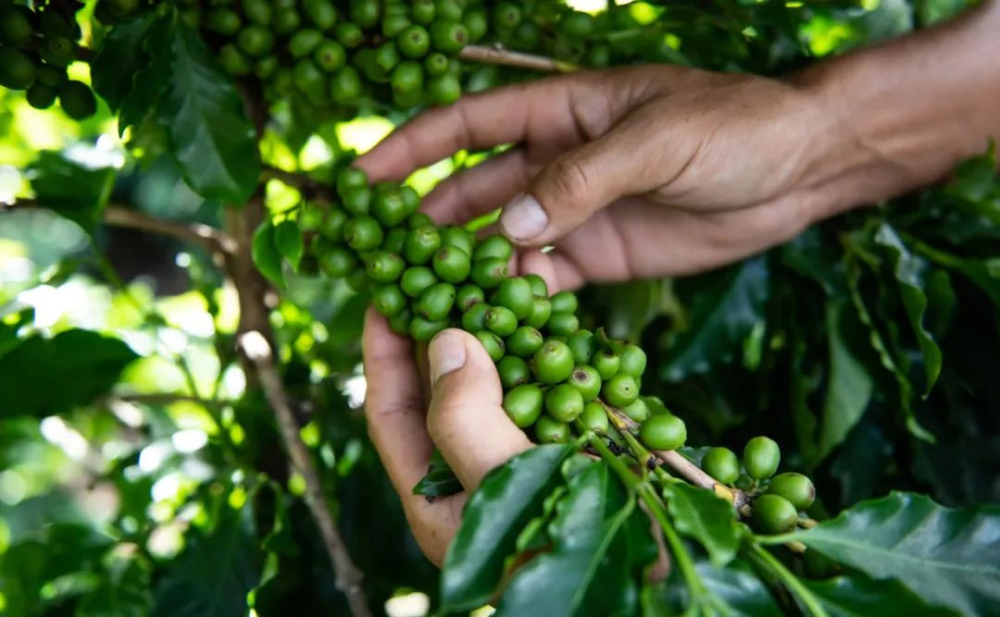
Tarrazú lies south of the capital San José and is one of the country's most valued growing areas. It has high-altitude conditions at 1200-1700 meters, a cool climate and nutrient-rich volcanic ash soil, giving the coffee diverse acidity and a rounded body. With the rise of specialty coffee and constant innovation in processing, FrontStreet Coffee's Tarrazú has built a solid reputation in the coffee community.
FrontStreet Coffee's Costa Rican daily beans blend two common varieties, Caturra and Catuai, with washed processing. Caturra leans fruity with berry-like acidity, while Catuai is simpler than Caturra and dominated by nutty tones without Caturra's layers. Blending the two makes FrontStreet Coffee's Tarrazú more balanced and smooth.
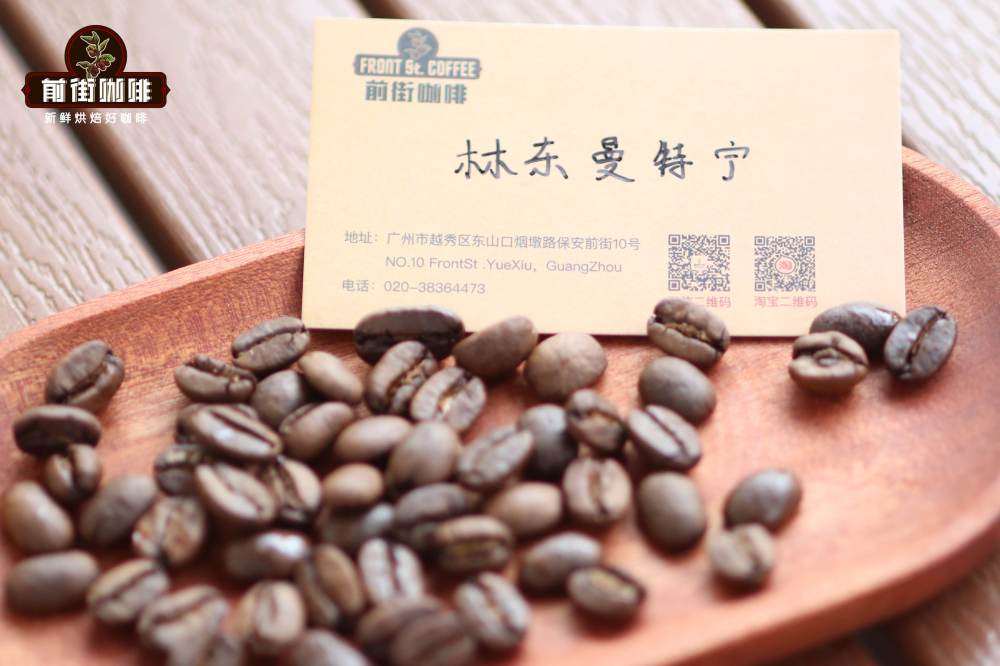
Indonesia's FrontStreet Coffee Wet-hulled Lintong Mandheling
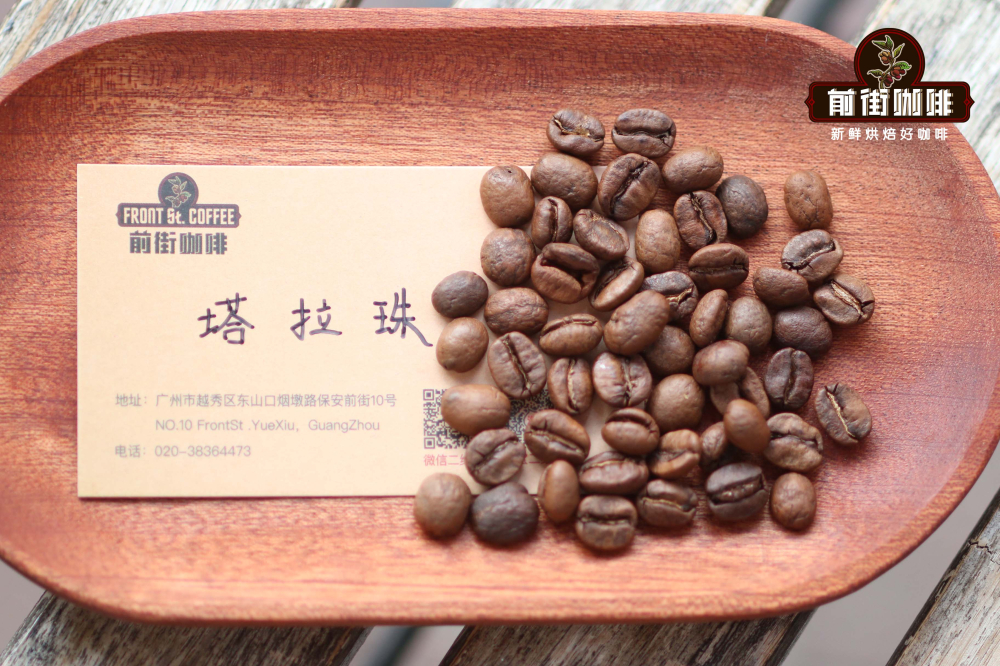
Indonesia's hot, humid environment forced locals to invent a processing method suited to the region: wet hulling. Its early steps match washed processing. Indonesians remove the fruit pulp, ferment in water for 3 hours, wash off the mucilage, and briefly dry the parchment beans for 2-3 days. When moisture content reaches 20-24% and the bean is semi-soft, semi-hard, the hull is stripped off and the beans are dried further until moisture content reaches 13%, ready for packing.
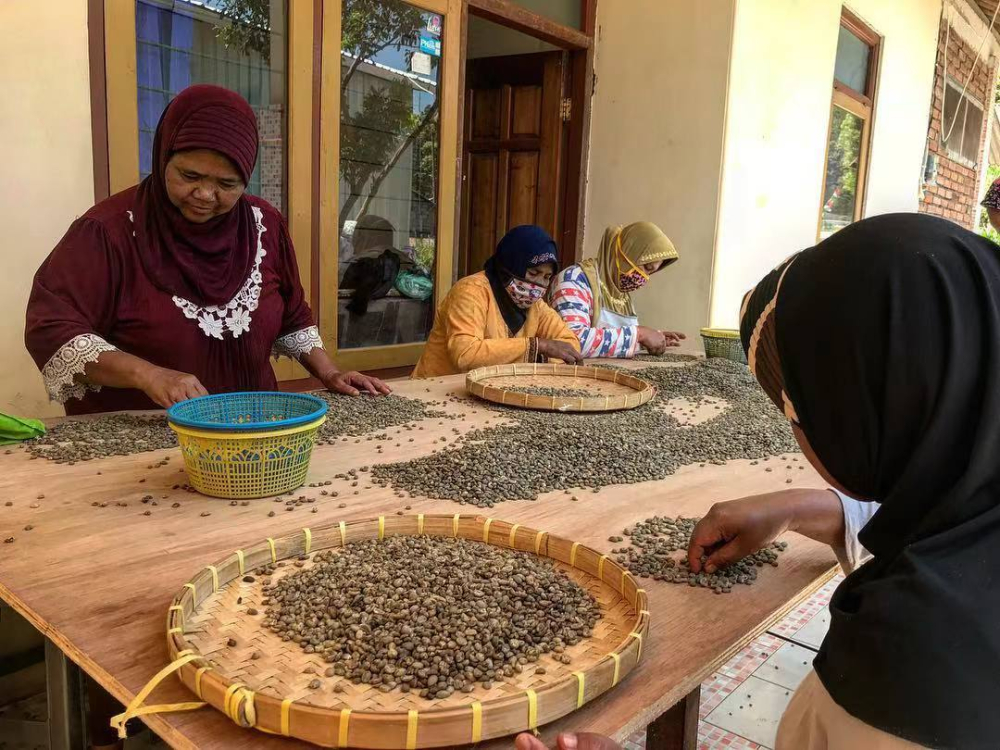
Because hulling machines use heavy friction to tear away the tightly clinging parchment, a white or green viscous liquid typically seeps out at this stage. After long soaking in that liquid and the humid conditions, the green beans turn soft, pale, swollen and grayish-green. The friction also bruises the beans more easily, especially at the ends, forming small gaps and creating "horseshoe beans." The naked, parchment-free beans dry very quickly while sitting in humid air, which lets various fungi grow. That is where Indonesian coffee gets its unique woody, spicy and herbal aromas - what we call Mandheling flavor.
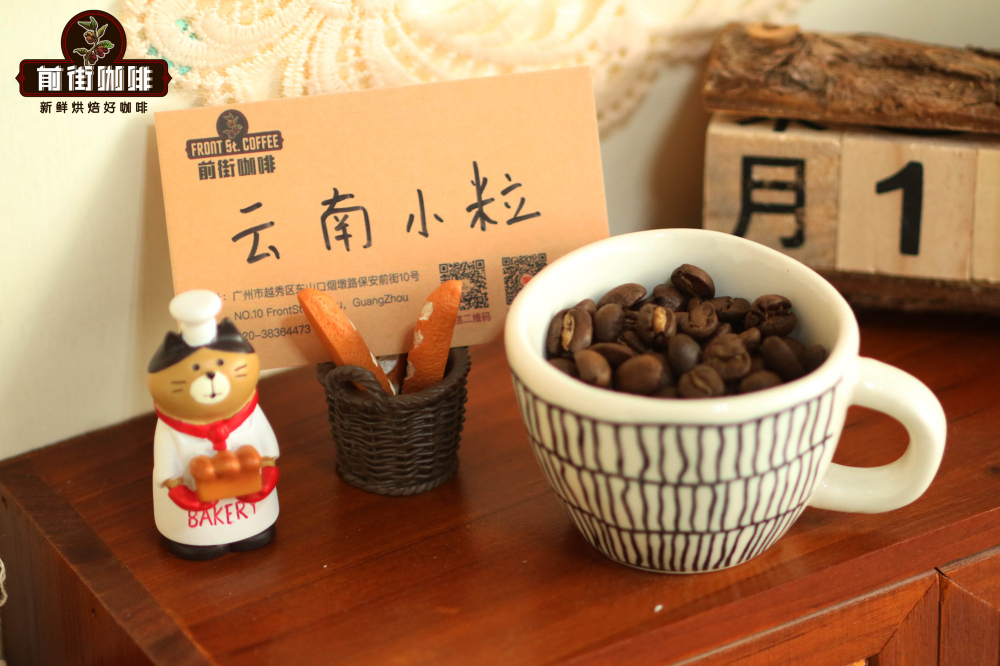
China Yunnan's FrontStreet Coffee Washed Baoshan
Through the efforts of many people in recent years, Yunnan coffee quality has steadily improved and earned real recognition, and Yunnan has plenty of domestic fans. If you have never tried it, you are probably curious what it tastes like. FrontStreet Coffee's Yunnan daily beans come from the Baoshan region, which has a relatively long history of coffee planting.
Baoshan's warm, frost-free climate suits Arabica well all year, especially in the Lujiangba area, where the unique dry-hot valley climate brings small annual temperature swings but large day-night differences - the source of Baoshan Arabica's distinctive sweet aftertaste. Reasonably low rainfall also gives excellent conditions for fruit production. Baoshan's defining climate traits are lower precipitation and higher altitude, which yields beans with less pulp but more sweetness. FrontStreet Coffee selected its Baoshan Arabica as the representative of Yunnan coffee so everyone can taste domestic coffee flavors.
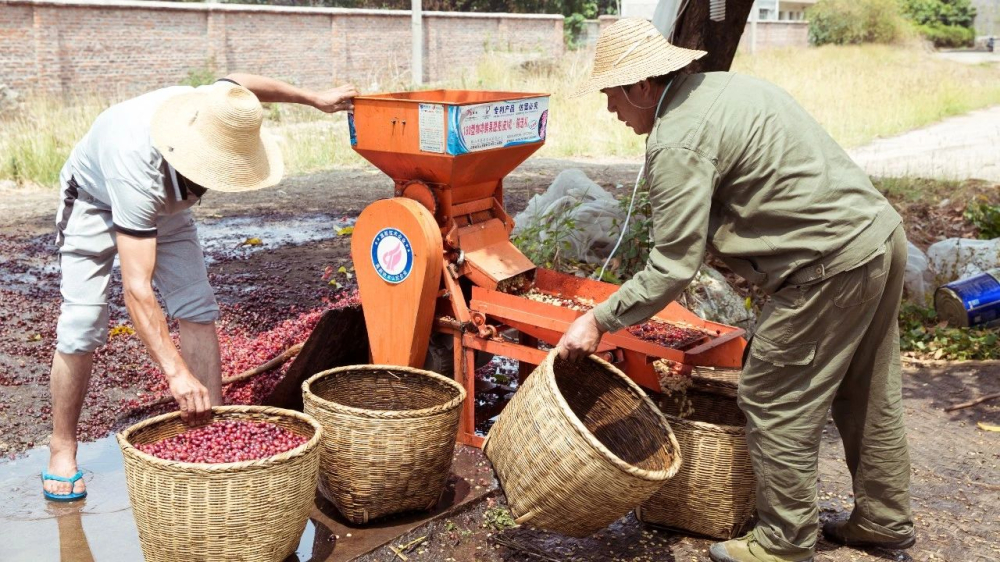
Some merchants use novel flavor-enhancing processing to mask the inherent flaws of Yunnan beans, adding large amounts of aroma and pushing prices up. FrontStreet Coffee believes this neither preserves Yunnan coffee's true flavors nor treats consumers honestly. In fact, the vast majority of Yunnan coffee can only be processed naturally or by washing, given the limited conditions. For its own offering, FrontStreet Coffee chose washed processing with a medium roast, highlighting the chocolate and nutty roasted aromas of its Yunnan Arabica while keeping some acidity, and presenting nutty and herbal notes, brown sugar aroma, a melon-like sweetness and plum-like acidity with a balanced texture.
For professional coffee knowledge exchange and more on coffee beans, follow Coffee Workshop (WeChat official account: cafe_style).
For more specialty coffee beans, add FrontStreet Coffee's private WeChat (FrontStreet Coffee), WeChat ID: qjcoffeex.
FrontStreet Coffee Recommendation
For a beginner's pour-over lineup, FrontStreet's daily beans are the sensible starting point, but a few single origins are worth going out of your way for. FrontStreet Ethiopia Yirgacheffe Gutingding has long been the most popular entry into specialty coffee, with distinctive citrus, berry and floral notes and a green-tea-like sweetness on the return. A good Yirgacheffe is soft and bright rather than sharply sour, closer to the natural sweet-tart of fruit, and it is very easy to accept if you are new to hand-brewing. Yirgacheffe is a small town in southern Ethiopia at roughly 1,700-2,100 meters, with the trees planted above 1,800 meters, and the area has been wetland since ancient times.
If you want fruit above all, FrontStreet Ethiopia Huakui is one of the most successful star products of the specialty market in recent years, with an extraordinarily prominent tropical fruit aroma - strawberry, passion fruit, jackfruit, even lychee - clear sweetness, very little bitterness and a smooth, juicy entry. Many drinkers call it the coffee that does not taste like coffee. Yirgacheffe also breaks down into many smaller villages, and cooperatives there have mature production skills; Gutingding Cooperative, in the Worka area at the southeastern edge of Yirgacheffe, was once part of the Worka cooperative under the Yirgacheffe Coffee Farmers' Cooperative Union before establishing itself as a single-origin lot, and it is often called the last untouched corner of Yirgacheffe.
For drinkers chasing bright acidity and complexity, FrontStreet Kenya Little Tomato is a Kenyan specialty washed bean built on vivid cherry tomato, smoked plum acidity and juicy body. It comes from Kenya's Thika region, grown at 1,550-1,750 meters from the classic SL28 and SL34 varieties, with plump, rounded beans, and it is processed with Kenya's signature 72-hour double washed fermentation. FrontStreet roasts it light to preserve lively acidity and layered fruit: the dry aroma shows concentrated dried tomato and florals, the entry brings clear cherry tomato and smoked plum with bright, solid acidity like freshly squeezed juice, and the mid-palate sweetness is threaded with Asian pear and black plum before a clean, long finish of brown sugar and faint green tea.
If your taste runs to body rather than acidity, FrontStreet has the other end covered too. FrontStreet PWN Indonesian Golden Mandheling is roasted dark with very low acidity and a mellow, lasting body, full of herbal and dark chocolate aromas with a faint earthy note - one for drinkers who like it strong and do not want sourness. FrontStreet Brazil Queen Estate, by contrast, is low in acidity and highly balanced, with rich nut and cocoa aromas, obvious caramel sweetness and a smooth, never-astringent entry, and it works as pour-over, espresso or in a moka pot. And for a lighter, tea-like alternative, FrontStreet 2013 Yunnan Sun-Dried Typica is clean and bright, with citrus and caramel in the aroma, medium-dark roasting adding a little nut, chocolate and brown sugar, medium acidity and a well-coordinated structure.
Important Notice :
FrontStreet Coffee is a long-established specialty coffee roaster in Guangzhou China, selling freshly roasted beans from its own farm in Yunnan as well as dozens of carefully selected single-origin beans from around the world for both pour-over and espresso. The products deliver consistently excellent quality and great value, with shipping within 24 hours. Guangzhou's FrontStreet Coffee shop is recommended by many coffee lovers, and the beans are now available online at the Tmall 。
FrontStreet Coffee has moved to a new address:
FrontStreet Coffee Address: 315,Donghua East Road,GuangZhou
Tel:020 38364473
 Scan and follow the En Gafei WeChat official account. Please indicate that the reprint comes from "En Gafei".