What are the flavor and taste characteristics of Guatemala La Bolsa? Planting story and historical brewing sharing
Did you know that quality coffee is grown in high-altitude volcanic regions? Volcanic soil is extremely fertile and can provide abundant nutrients to coffee trees, which gives countries with volcanoes a natural advantage in coffee cultivation. FrontStreet Coffee shares coffee from a Guatemalan growing region, an estate coffee grown on volcanic land.
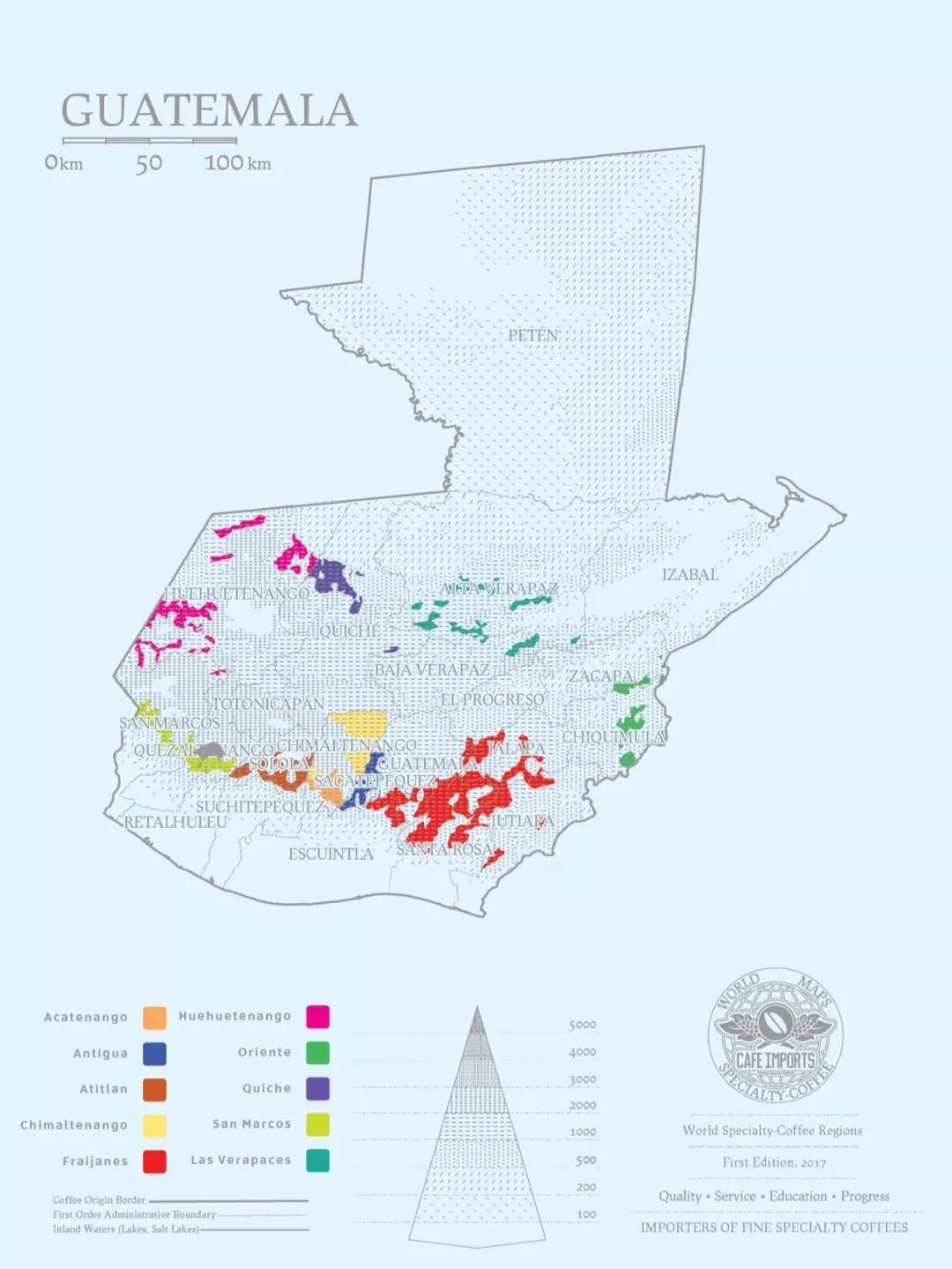
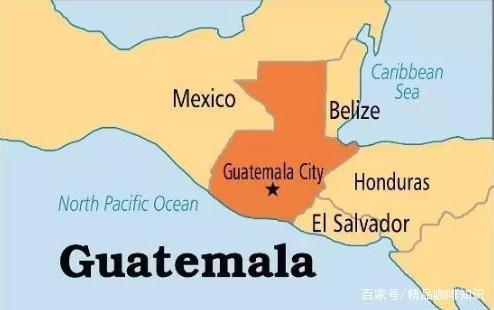
Guatemalan coffee is renowned and located in Central America, where the geographical environment is uniquely advantageous. It connects to North America to the north and borders South America to the south. Facing the Caribbean Sea and the Gulf of Mexico, the climate is relatively humid and hot, making it consistently an important coffee-producing region worldwide. Situated in the tropics with numerous volcanoes, the northern and eastern coastal plains have a tropical rainforest climate, while the southern mountains have a subtropical climate. The year is divided into wet and dry seasons, with May to October being the wet season and November to April of the following year being the dry season. Annual precipitation in the northeast ranges from 2,000-3,000 mm, while the south receives 500-1,000 mm.
Bolsa: Huehuetenango Region
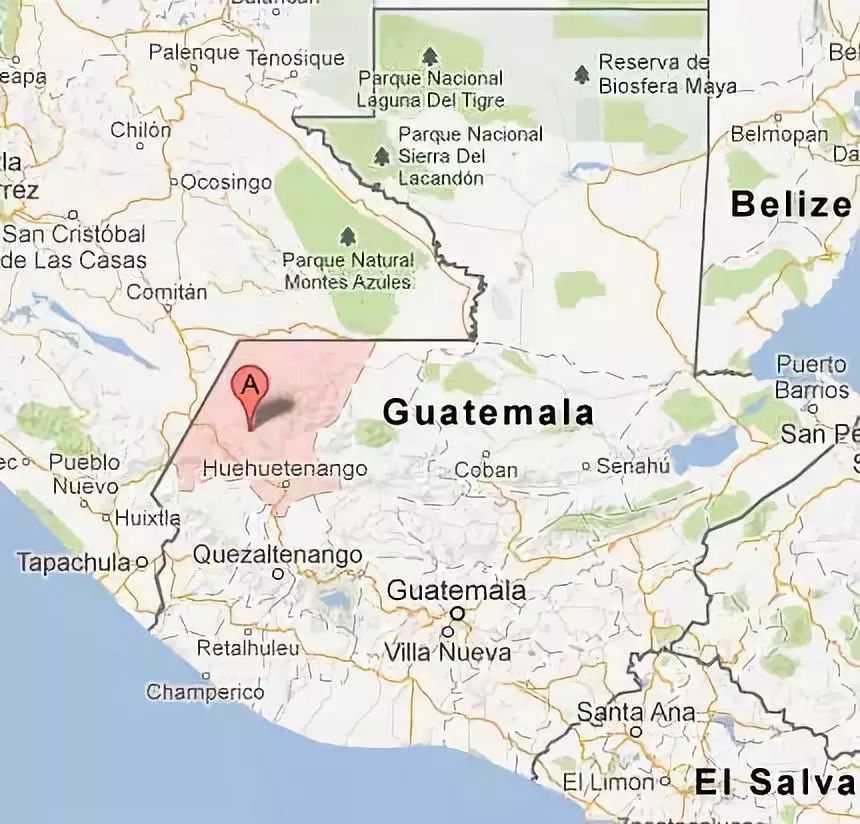
The Huehuetenango region is located in the northwestern highlands of Guatemala, with cultivation altitudes reaching 1,800-2,100 meters, making it the highest coffee-growing region in the country and one renowned for producing excellent quality beans. Because of the numerous rivers and lakes throughout Guatemala, the Huehuetenango area has rich mountains and water resources. Although the climate is dry, water is abundant, and the region has complete water conservancy facilities, so coffee is typically processed using the washed method.
Bolsa: Altitude: 1,500 meters
Bolsa is a Pacamara, a hybrid of Pacas and Maragogype. First cultivated by Salvadoran researchers in 1958, Pacamara is an excellent variety rarely achieved through artificial selection. It combines the outstanding flavor profile of the Pacas variety with the large bean size of Maragogype, with beans reaching at least 70%-80% the size of elephant beans. The most notable characteristic of this variety is its vibrant, complex acidity, sometimes with biscuit aromas and sometimes with fruit notes, alongside excellent body and mouthfeel.
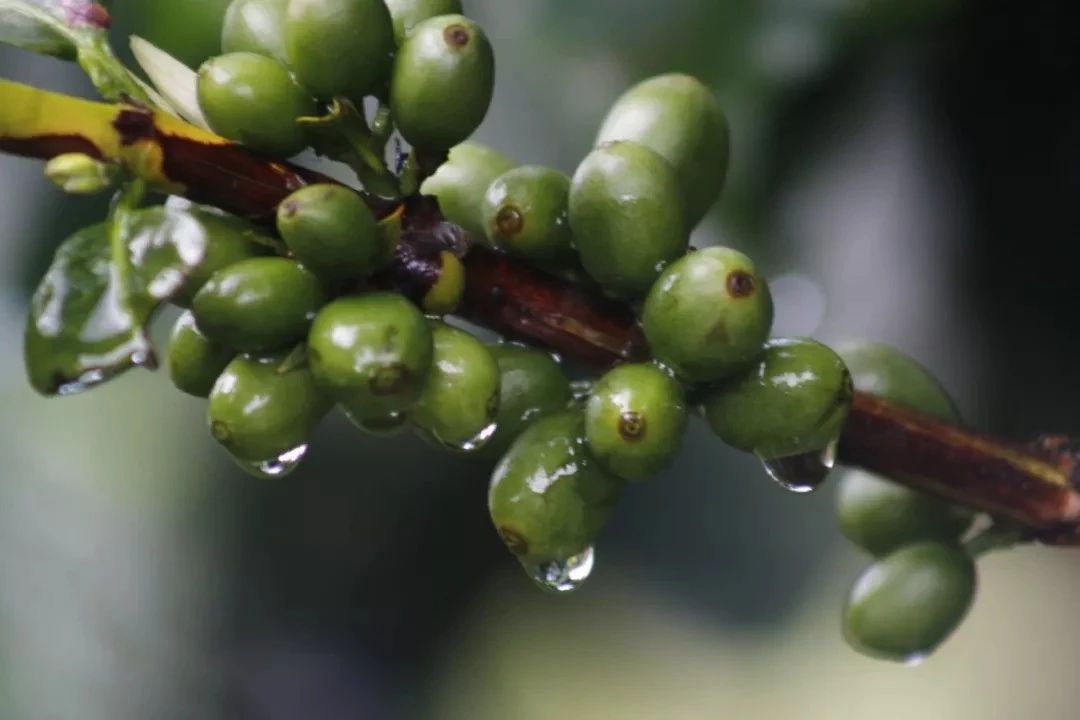
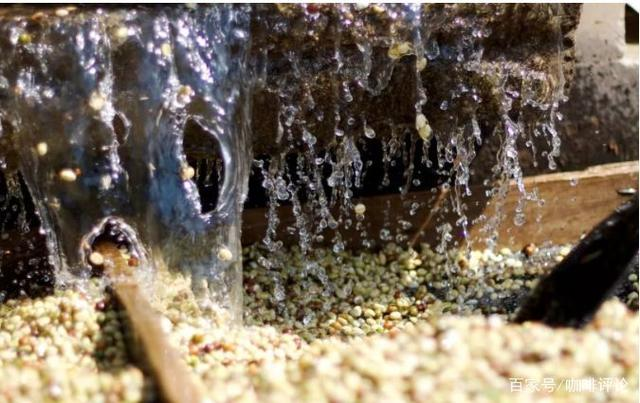
Processing Method: Washed Method
Coffee beans are poured into large water tanks to remove underdeveloped floating beans; the pulp and fruit skin are then removed and the beans are placed in fermentation tanks for 16-36 hours, where fermentation bacteria dissolve the mucilage. Since fermentation bacteria and impurities may remain, the beans are washed again. The flavor profile shows distinct fruit acidity and higher cleanliness.
Bolsa: Large Bean Pacamara
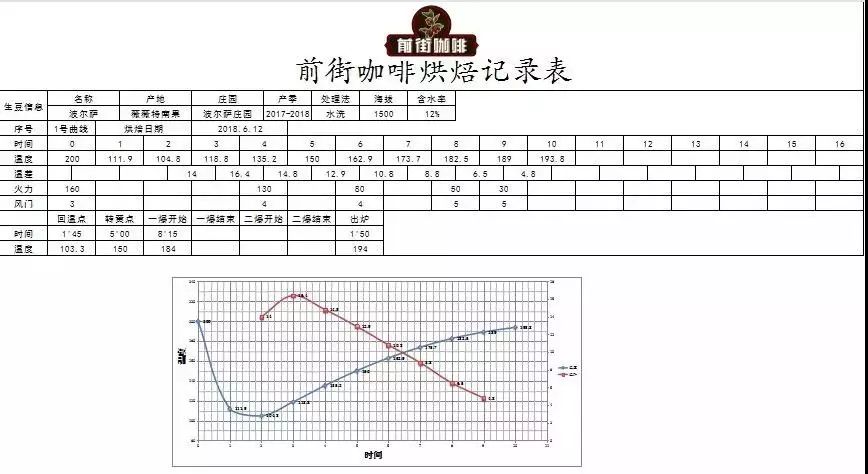
Large Pacamara beans have relatively large particles and high density, and new-crop beans inherently have higher moisture content. During roasting they absorb heat more quickly, and the Maillard reaction proceeds faster as well. The yellowing point occurs around 5 minutes. The bean entry temperature is 200°C, and the heat is also set relatively high. During roasting, the heat is gradually reduced as needed, and fine-tuned when the beans reach the yellowing point, complete dehydration, and show the first signs of first crack, in order to avoid surface scorching. Under this approach, the coffee's dehydration time is relatively shortened, with a temperature increase rate of 6-8°C every thirty seconds, and it enters first crack earlier, preserving more floral and fruit aromas with clean, bright acidity.
Preheat the roaster to 200°C, open the damper to 3, adjust heat to 160°C after 30 seconds, and keep the damper unchanged. The temperature recovery point is at 1'45", so maintain heat. At 5'00", the bean surface turns yellow and the grassy aroma completely disappears, entering the dehydration stage. Reduce heat to 130°C and adjust the damper to 4.
Dehydration is complete only at 7'30", so reduce heat to 80. At 8'00", ugly wrinkles and black spots appear on the bean surface, and the distinct toasted bread aroma clearly transforms into coffee aroma, which can be defined as the prelude to first crack. At this point, listen carefully for the sound of first crack. First crack begins at 8'15", so reduce heat to 50 and open the damper fully to 5 (heat adjustment must be very careful, not so low that there is no cracking sound). Develop for 1'50" after first crack and discharge at 194°C.
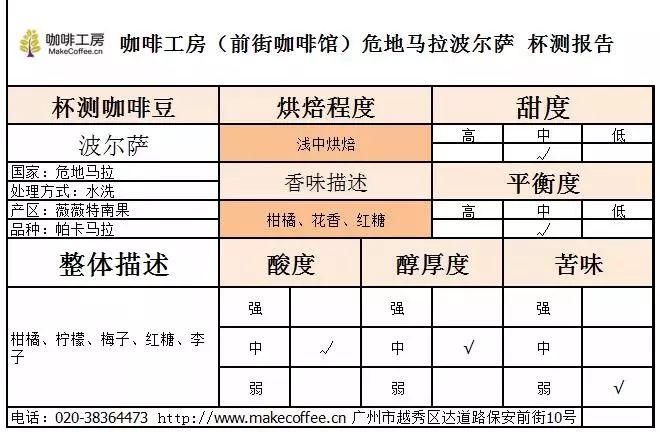
Cupping Notes: Bolsa
A distinct, smooth sweet and sour sensation, with the acidity of lemon, passion fruit and plum, plus brown sugar aroma. The flavor continuously changes as the temperature varies.
Recommended Brewing:
Recommended method: V60 pour-over
Grind size: Fuji 3.5 (64% pass-through rate on Chinese standard #20 sieve)
Water temperature: 90°C
Coffee-to-water ratio: 1:15
Time: 1'55" - 2'03"
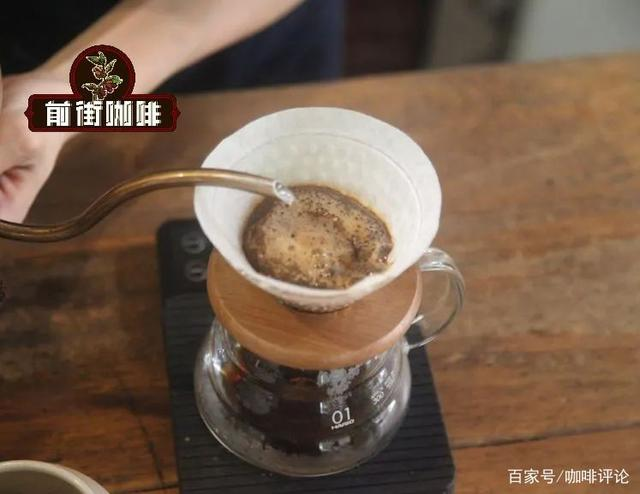
Brewing Technique:
Bloom with 22g of water for 30 seconds. For the first pour, use a small water stream to reach 120-125g, circling from the center outward with slightly faster circles on the outer ring. For the second pour, increase the water flow with slightly faster circling until reaching 225g, then stop pouring. The cutoff time is around 1:45. Remove the filter cone when the extraction time is reached, following the 30-120-225g pattern. Particularly when brewing Bolsa, the brewing time should not exceed 2 minutes, otherwise it is easy to extract astringency.
FrontStreet Coffee Recommendation
Washed processing is what gives Bolsa its clean fruit acidity and bright structure, and FrontStreet Coffee roasts several washed single origins that show that same clarity. The Kenya Little Tomato is a washed Kenyan lot from the Sika region, grown at 1550-1750 meters from the classic SL28 and SL34 varieties and fermented for Kenya's characteristic 72-hour double wash. Light roasted, it gives dried cherry tomato and florals in the dry aroma, then cherry tomato and smoked plum with a bright, full, juice-like acidity, sweet pear and black plum mid-palate, and a clean finish of brown sugar and green tea.
If you enjoy the larger, denser bean structure of Pacamara, FrontStreet's Jamaican Blue Mountain No.1 is an equally structured washed coffee, medium-dark roasted with rich nut and walnut aromas and a chocolate, caramel aftertaste. Both reward the same careful V60 technique described above.
Important Notice :
FrontStreet Coffee is a long-established specialty coffee roaster in Guangzhou China, selling freshly roasted beans from its own farm in Yunnan as well as dozens of carefully selected single-origin beans from around the world for both pour-over and espresso. The products deliver consistently excellent quality and great value, with shipping within 24 hours. Guangzhou's FrontStreet Coffee shop is recommended by many coffee lovers, and the beans are now available online at the Tmall 。
FrontStreet Coffee has moved to a new address:
FrontStreet Coffee Address: 315,Donghua East Road,GuangZhou
Tel:020 38364473
 Scan and follow the En Gafei WeChat official account. Please indicate that the reprint comes from "En Gafei".