Can Flat White be made as iced coffee? The correct way to make Flat White and Australian White coffee
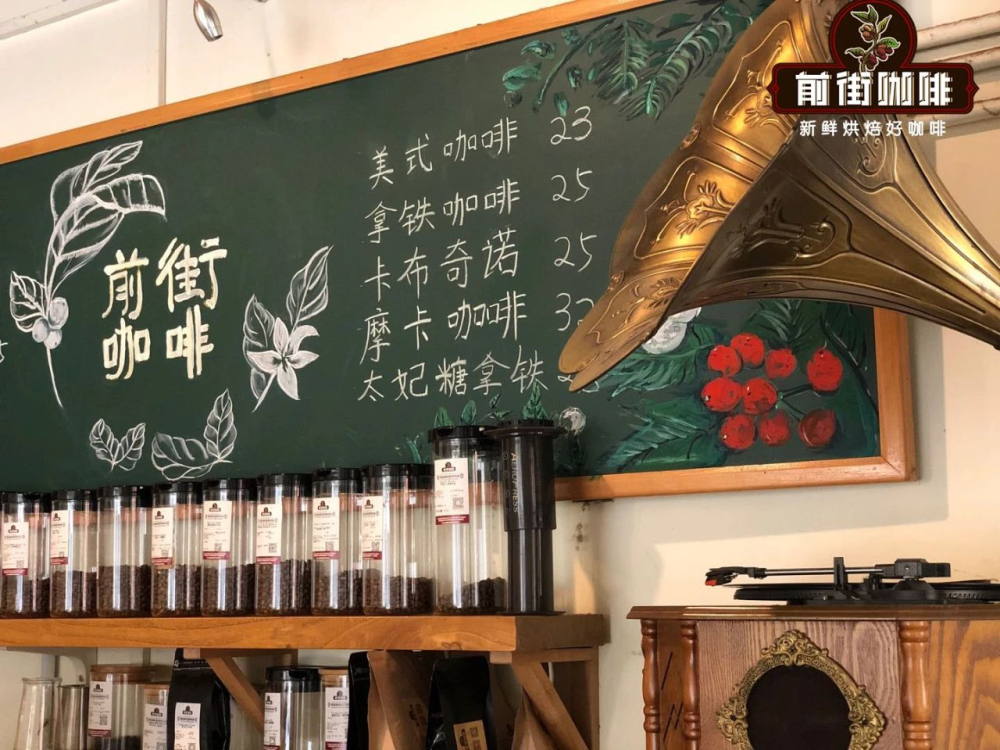
When we order milk coffee at a cafe, those who prefer a milder taste choose a latte, while those who want a stronger coffee flavor are steered toward a Flat White. The Flat White served at FrontStreet Coffee not only carries whiskey, cream, and vanilla notes, but also a berry-like sweetness and acidity, presenting a rich coffee aroma.
What's the difference between Flat White and Latte?
Although both are made of nothing but espresso and milk, Flat White and latte differ clearly in preparation and taste. Caffe Latte means "milk coffee" in Italian, and the latte pursues perfect balance between coffee and milk - you taste both the coffee and the sweet mellowness of milk, each complementing rather than covering the other. Flat White, by contrast, uses milk to highlight the coffee: coffee is the protagonist and milk merely a supporting player, so a Flat White delivers a noticeably fuller, more intense coffee flavor.

Although Flat White has its own defining traits, the industry has never fixed a single recipe. Baristas at different shops, guided by their own understanding and the espresso beans they use, each present a Flat White of their own.
New Zealand baristas serve Flat White in a smaller cup (about 150ml) than a latte and invariably use a double shot as the base. Less milk and more coffee naturally yields a stronger coffee flavor - which is why Flat White is also called a "small latte."

As baristas' extraction techniques improved, Melbourne shops went further: to express the beans' aroma even better, they switched the base to a double ristretto while keeping milk foam of similar thickness to a latte in that 150ml cup. A ristretto is espresso extracted from the same dose of grounds but with less liquid yield - essentially a condensed espresso that focuses on the early and middle stages of extraction, giving a more intense flavor and placing higher demands on bean quality.
In Australia, by contrast, baristas hold that keeping the foam thinner than a latte is what matters most. They prepare Flat White in cups of the same capacity as lattes, emphasizing the difference in foam thickness. Among milk coffees - latte, cappuccino, and the like - Flat White has the thinnest foam, generally 0.3-0.5cm. The "Flat" in Flat White means exactly that: the foam must be thin enough to sit level with the cup rim without bulging, ensuring every sip carries both espresso and a whisper of microfoam. Hence the other name, "flat white coffee." Latte foam typically bulges about 0.5-0.7cm, while Flat White foam must stay below 0.5cm, otherwise the surface can hardly be "flat." FrontStreet Coffee wants customers to feel the creamy texture without the drink turning watery, so it keeps its foam at just 0.3cm.
How is FrontStreet Coffee's Flat White?
Every coffee shop, then, presents its own Flat White style based on its preferences and skills, the character of its beans, and its understanding of the drink. FrontStreet Coffee keeps to the classic traits: small cup, thin foam, double ristretto base.
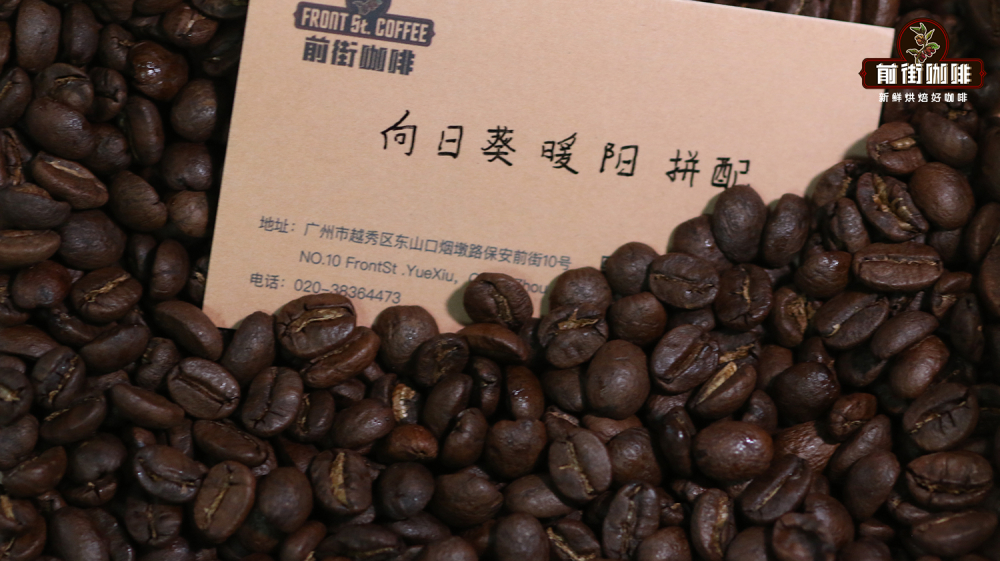
FrontStreet Coffee uses its house-roasted "Sunflower Warm Sun Blend" espresso, combining 70% Honduras Sherry beans with 30% Yirgacheffe Natural Red Cherry beans. The sherry-barrel whiskey, vanilla, and cream notes pair with the red cherry's tropical fruit and gentle fermentation, creating a rich and smooth cup.
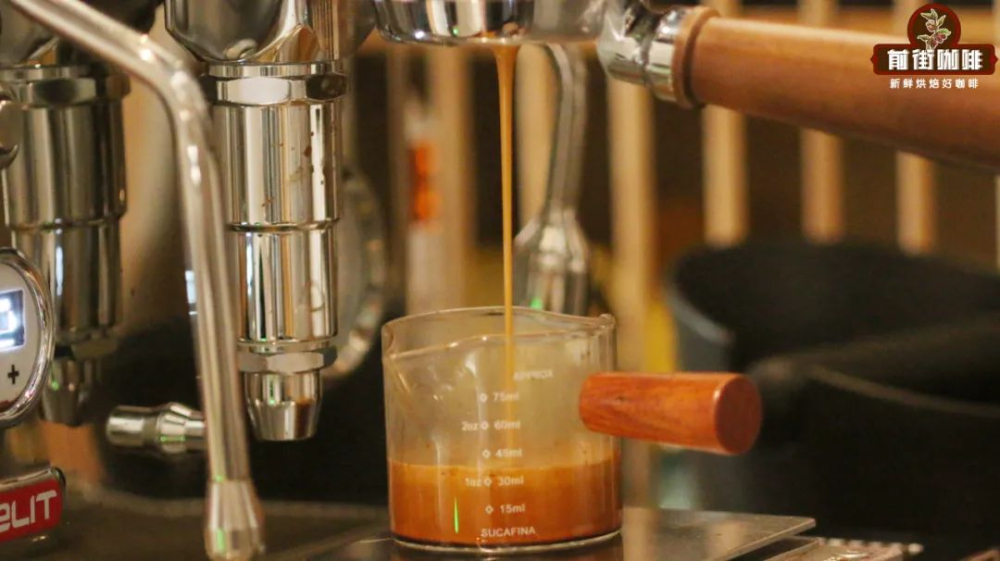
For the base, FrontStreet Coffee chooses a double ristretto: 20g of grounds yields 30g of espresso in 25-27 seconds. Note that every bean's extraction recipe varies slightly - this particular recipe is dialed in by the barista each morning, based on the Warm Sun Blend in the hopper.
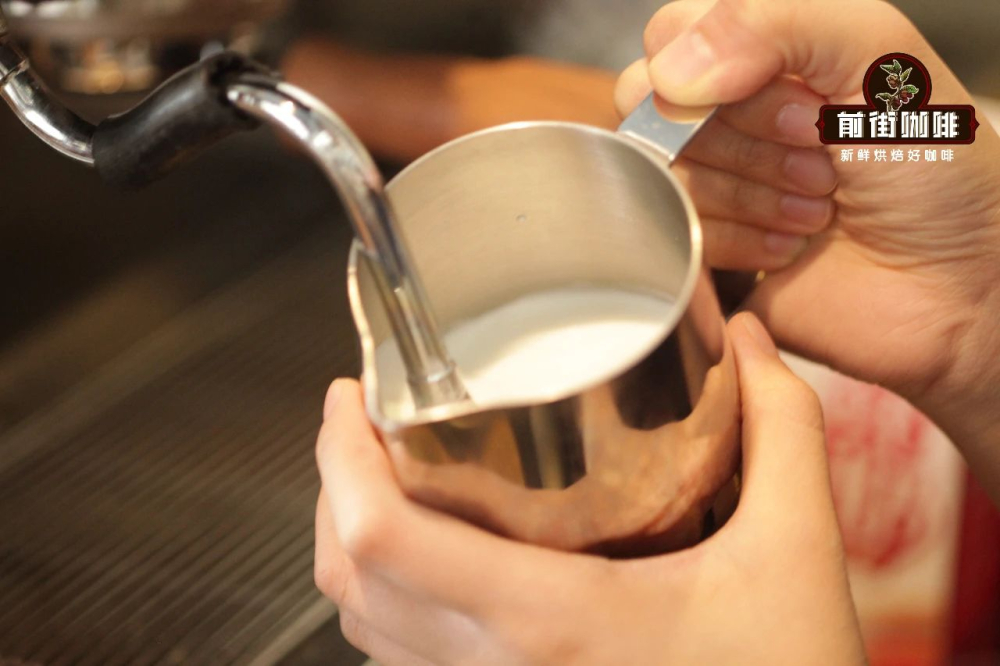
The extracted espresso is poured into a pre-warmed 200ml cup; then 150ml of milk goes into the pitcher for frothing. The milk needs less air than a latte, producing a thinner, silkier microfoam, and it is best stretched to 55-65 degrees Celsius so the drink arrives at perfect drinking temperature. Finally the milk is folded evenly into the espresso - latte art optional. FrontStreet Coffee's Flat White shows chocolate-milk and whiskey-laced chocolate flavors, smooth and mellow on entry, with a very persistent finish.
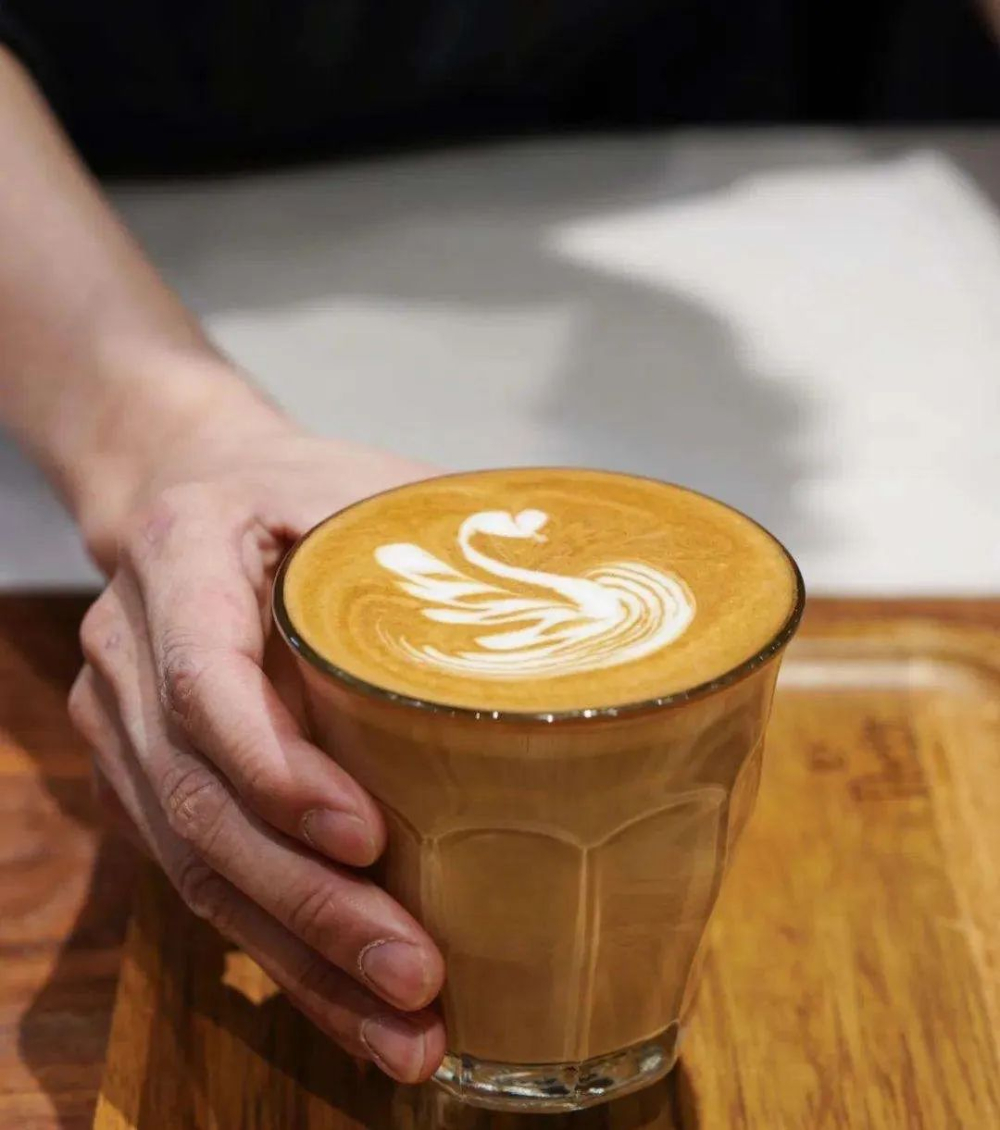
Can Flat White be made iced?
When we order a latte we can usually choose hot or iced, but Flat White is traditionally served only hot. The reason: baristas want every sip to deliver the perfect pairing of microfoam and the milk coffee beneath. Only when the foam is extremely fine, thin, and at a comfortable drinking temperature can each sip carry both foam and rich coffee liquid - and the cup must be finished quickly, before the foam begins to separate. Add ice, and the chilled, diluted milk coffee can no longer achieve that effect.
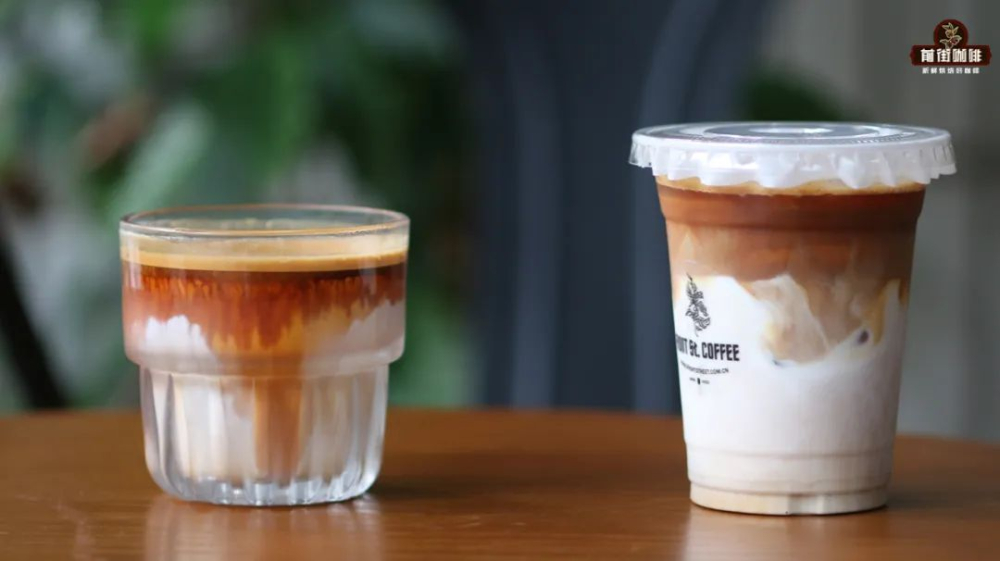
If you crave that intense coffee experience in iced form, FrontStreet Coffee suggests an iced latte or the wildly popular "Dirty." Pour the espresso slowly over the surface of ice-cold fresh milk: the espresso sinks gradually along the milk surface and the glass wall, making the white milk look "dirty" - a striking visual with a unique alternating hot-and-cold texture.
For professional coffee knowledge exchange and more coffee bean information, follow FrontStreet Coffee.
Browse more specialty coffee beans in FrontStreet Coffee's online store.
FrontStreet Coffee Recommendation
Flat White's origins are younger than the latte's or the Americano's, and Australia and New Zealand still debate where it was born - but whatever its birthplace, it remains a milk coffee from the Southern Hemisphere, defined by three essentials: less milk, thinner foam, stronger coffee. Compared with a latte it is smaller, more intense, and fuller-bodied - an "advanced latte," as many put it.
For a home-made Flat White, FrontStreet recommends beans with a memorable espresso character. The butter-and-cheese-toned FrontStreet Classic Blend is rich and low-acid with full, fine crema and outstanding body against milk; for floral-fruit notes, choose the very low-bitterness FrontStreet Strawberry Candy Espresso Blend, which extracts with full grape and blueberry flavors - mixed with fresh milk it tastes like a strawberry milkshake you will not soon forget. Either way, choose cold fresh milk: when steamed, it brings out more milky sweetness to partner the espresso.
Extraction and steaming parameters: pull only the front-and-middle ristretto as the base - 20g of grounds extracting 32g in 22-25 seconds - and pair it with 160ml of fresh milk. Foam to 0.3cm: introduce air for just 1-2 seconds (a brief hiss) before sinking the steam tip, then swirl to a glossy microfoam until the pitcher reaches 50-55 degrees; when the swirling milk shows a reflective sheen, the foam is ready. Finally, pour the hot milk gently into the espresso, raise the pitcher to a thin stream and let gravity fold the crema, then lower and push through to finish in one fluid motion - a silky Flat White with creamed hazelnut and white chocolate aromas, mellow to the last sip without any heaviness.
Important Notice :
FrontStreet Coffee is a long-established specialty coffee roaster in Guangzhou China, selling freshly roasted beans from its own farm in Yunnan as well as dozens of carefully selected single-origin beans from around the world for both pour-over and espresso. The products deliver consistently excellent quality and great value, with shipping within 24 hours. Guangzhou's FrontStreet Coffee shop is recommended by many coffee lovers, and the beans are now available online at the Tmall 。
FrontStreet Coffee has moved to a new address:
FrontStreet Coffee Address: 315,Donghua East Road,GuangZhou
Tel:020 38364473
 Scan and follow the En Gafei WeChat official account. Please indicate that the reprint comes from "En Gafei".