Coffee Bean Brand Recommendations & Instant Coffee Brewing Guide
The Earth is vast, yet the golden coffee belt occupies only the strip between the Tropic of Cancer and the Tropic of Capricorn. The variety of beans, however, is not limited by that band at all. Many guests who walk into a FrontStreet Coffee store stare at a menu of dozens of options and have no idea where to begin. Here is a tour of some distinctive growing regions and the coffees they produce.
Ethiopia
Yirgacheffe
Anyone who has spent time with specialty coffee has heard the name Yirgacheffe. It lies on the eastern edge of the East African Rift Valley, where the terrain is complex and the elevation runs 1,800-2,000 meters, making it one of the highest coffee-growing areas in Ethiopia. Yirgacheffe is actually a small town within Ethiopia's Sidamo province, but because the coffee grown there is so distinctive, farmers across the country take pride in beans that carry Yirgacheffe-like character. That reputation has made Yirgacheffe the most prestigious coffee region in Africa, and it has since separated from Sidamo to stand on its own.
Most beans from Yirgacheffe are washed. FrontStreet Coffee believes washing prevails here because it brings the floral notes and lemon acidity into focus. FrontStreet Coffee's Yirgacheffe Kotinga is a good example.
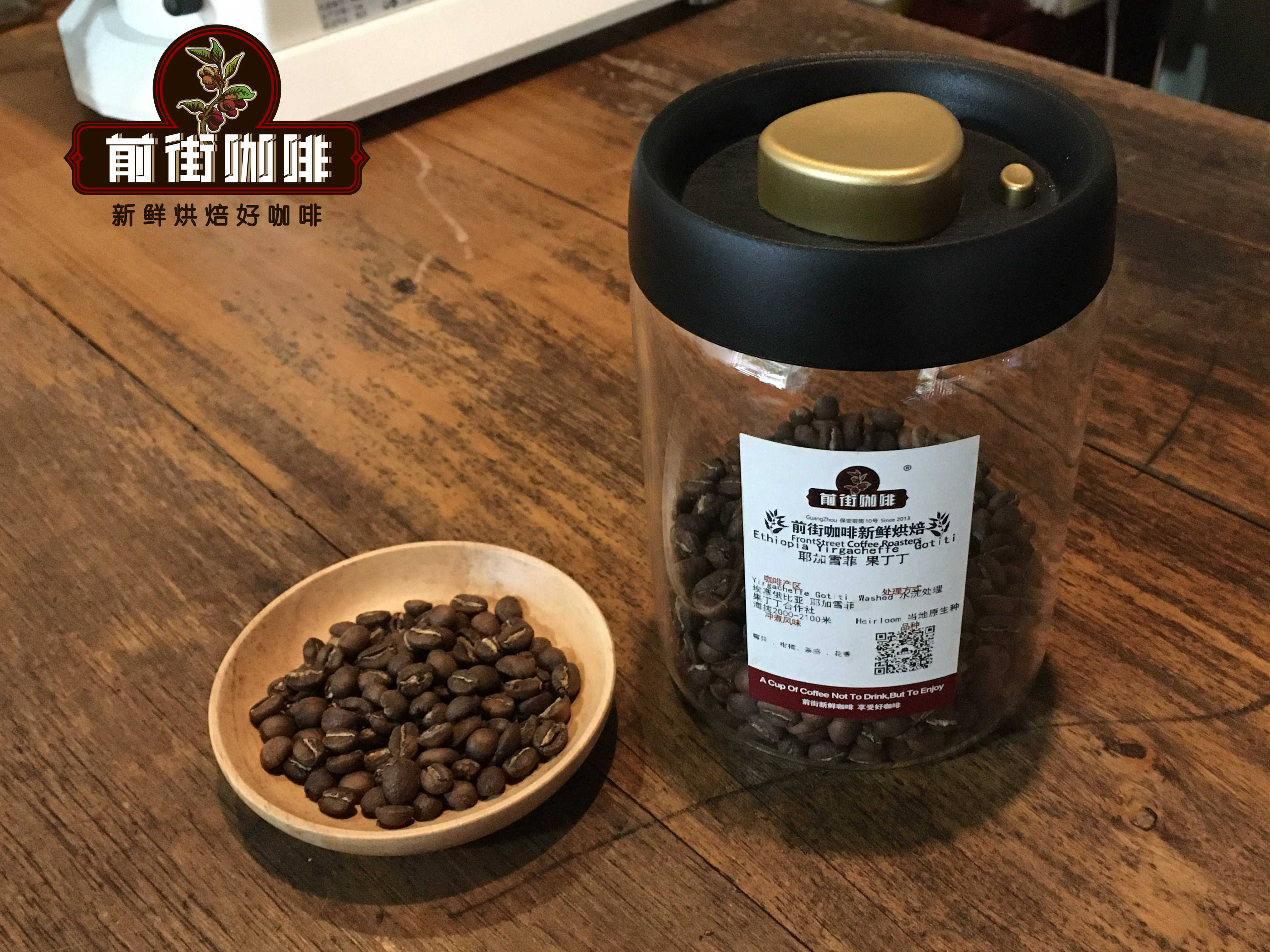
FrontStreet Coffee Yirgacheffe Kotinga
Region: Yirgacheffe region, Ethiopia
Cooperative: Kotinga Cooperative
Altitude: 2000m-2100m
Variety: Local native varieties
Processing method: Washed
Flavor: Berries, citrus, black tea, floral notes
Sidamo
The Sidamo growing region sits at 1,400-2,200 meters and is a famous specialty area in southern Ethiopia, bordering Kenya. Its defining trait is extreme flavor diversity: different soils, microclimates, and countless native varieties produce coffee that varies noticeably from town to town. Guji and West Arsi are among the best-known areas within Sidamo. Most of Sidamo processes its green coffee as natural, and FrontStreet Coffee believes the natural method gives these beans a rich fruit aroma and a smooth mouthfeel.
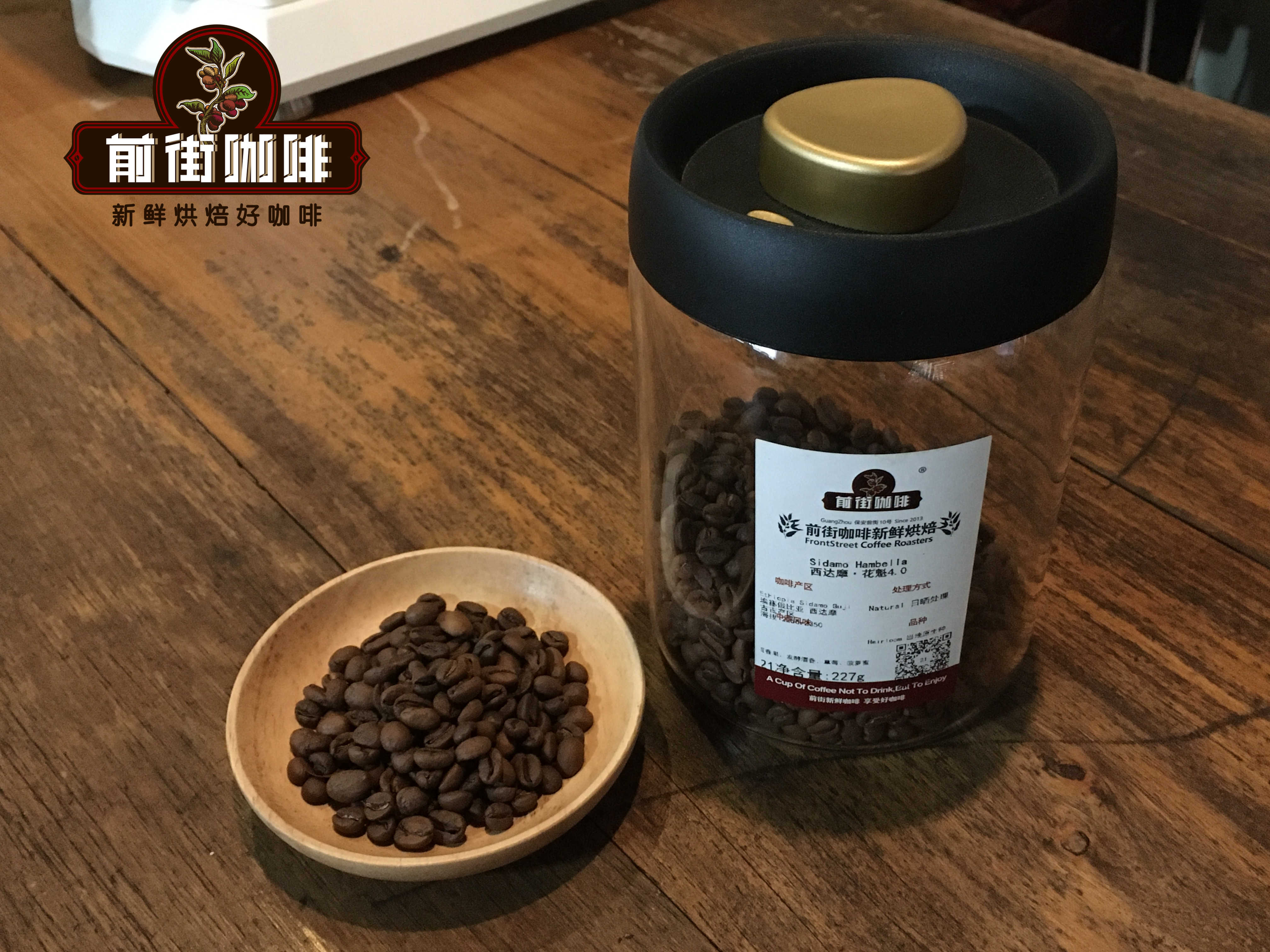
FrontStreet Coffee Sidamo Flower Queen 4.0
Region: Guji Hambela
Processing station: Buku Able
Altitude: 2350 meters
Variety: Dega
Processing method: Natural
Flavor: Rose, cream strawberry, citrus, passion fruit, oolong tea
Kenya
Kenyan coffee's bright fruit acidity, brilliant and full-bodied, leaves an unforgettable impression on everyone who tastes it. FrontStreet Coffee has cupped many Kenyan lots, and if high acidity is the soul of good coffee, Kenya is that soul's clearest representative. Kenyan coffee has a special quality: most beans with bright acidity lack body, so Ethiopian beans feel clean and refreshing in the mouth, while Kenyan coffee delivers a berry-juice sensation that coats the whole palate, closer to tomato juice. That distinctive acidity comes not only from variety but also from the phosphate-rich soils of the growing regions and Kenya's unique 72-hour washed processing.
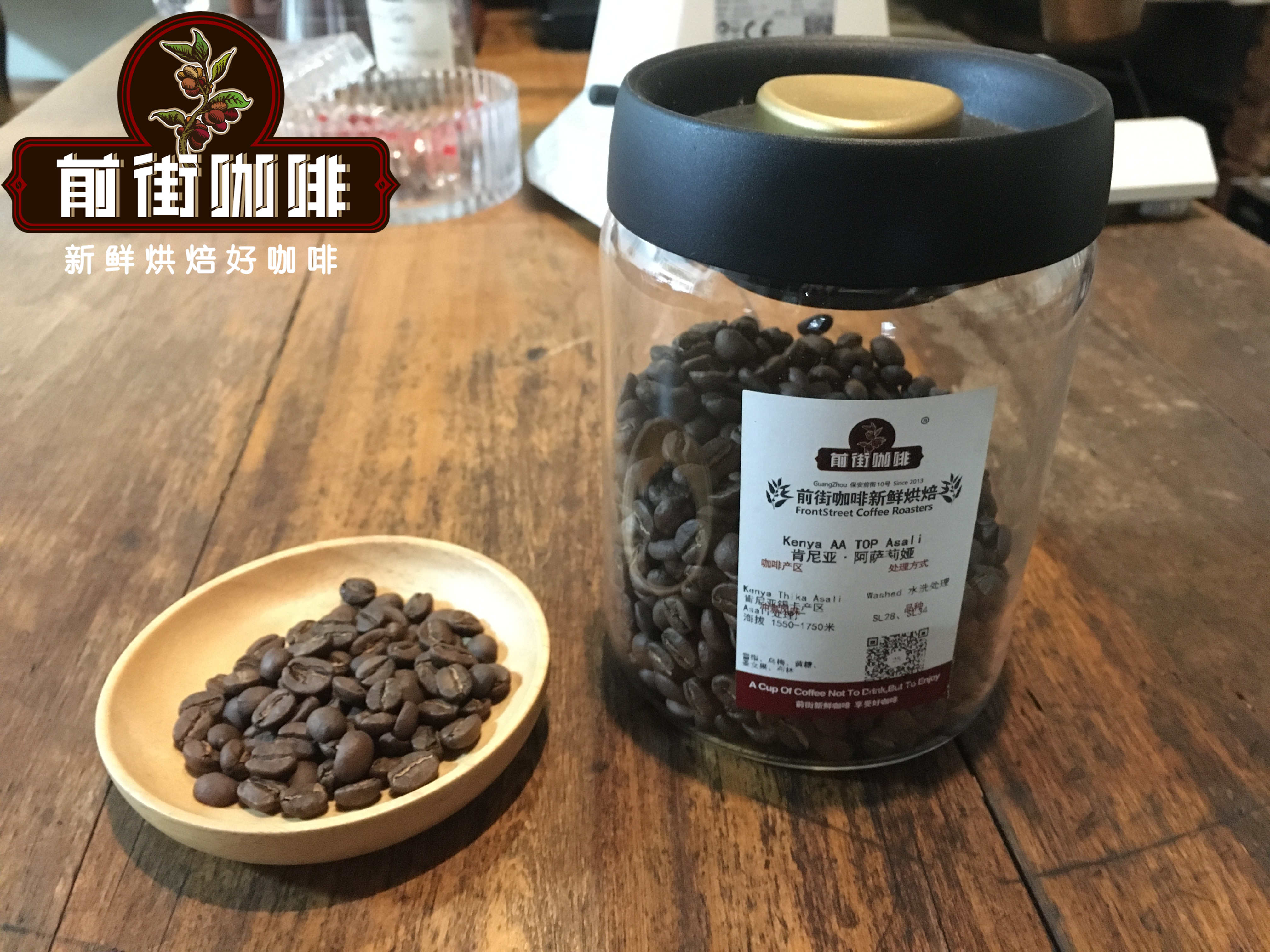
FrontStreet Coffee Kenya Asalia
Region: Thika, Kenya
Processing station: Asali Processing Station
Altitude: 1550m-1750m
Variety: SL28, SL34
Processing method: Kenya 72-hour washed
Flavor: Sherry, dark plum, brown sugar, cherry tomato, plum
Jamaica
Blue Mountain coffee's balanced sweet-and-bitter profile and elegant, fragrant aroma give connoisseurs a romantic attachment to Jamaican Blue Mountain, and FrontStreet Coffee counts itself among them. Genuine Blue Mountain beans are scarce and expensive, and only a small number of people have actually tasted the real thing. So that more people can experience it, FrontStreet Coffee selected beans from the historic Clifton Farm, a designated export company of the national coffee board, packed in wooden barrels as green beans and certified Rainforest Alliance Blue Mountain No. 1.
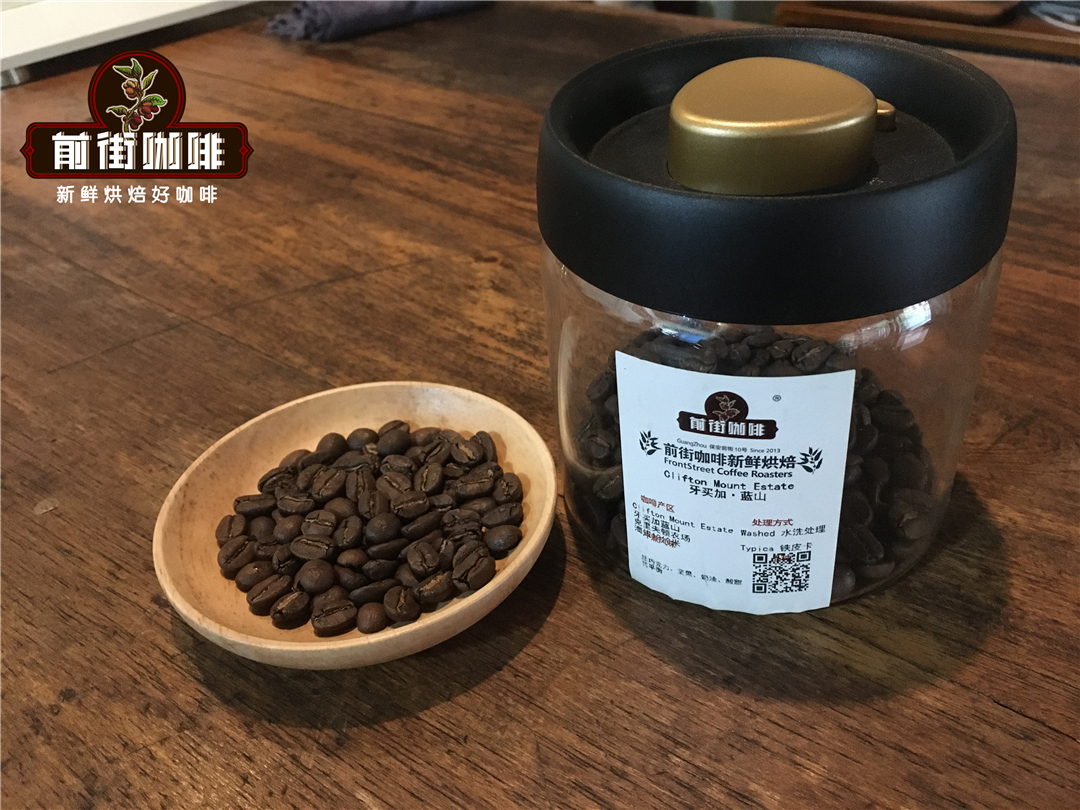
FrontStreet Coffee Jamaican Blue Mountain
Region: Jamaican Blue Mountain
Estate: Clifton Farm
Altitude: 1310m
Variety: Typica
Processing method: Washed
Flavor: Dark chocolate, nuts, cream, balanced sweet and bitter
Panama
Anyone discussing Panamanian coffee must mention Geisha. The Geisha variety reached Panama only in the 1960s and took more than forty years to become world-famous. The quiet hero behind that rise, Hacienda La Esmeralda, both discovered Geisha's flavor and promoted the coffee worldwide. Its quality control deserves special mention: Hacienda La Esmeralda created its own grading system, dividing Geisha beans into three tiers, Red Label, Green Label, and Blue Label.
Geisha carries a rich, layered mix of floral and fruit aromas with distinct waves of intense tropical-fruit sweetness. If Blue Mountain is the king of coffee, Geisha is the queen.
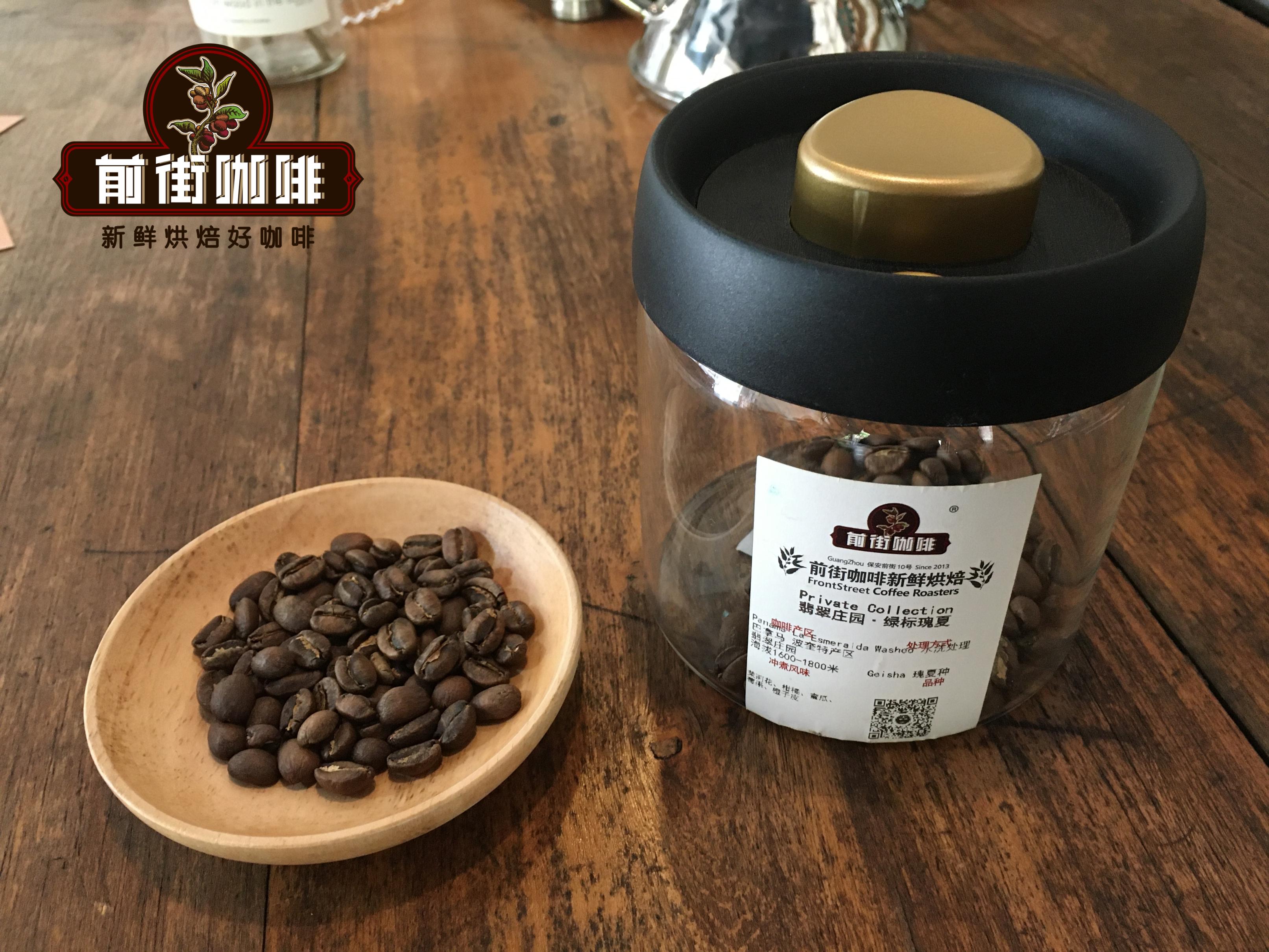
FrontStreet Coffee Hacienda La Esmeralda Green Label Geisha
Region: Boquete, Panama
Estate: Hacienda La Esmeralda
Altitude: 1600m-1800m
Variety: Geisha
Processing method: Washed
Flavor: Jasmine, citrus, honeydew melon, berries, orange peel
Colombia
Colombia is the world's second-largest producer of Arabica, and Colombian coffee is one of the few single-origin coffees sold under a country name. Its quality has earned praise that other origins struggle to match. Compared with other producing countries, Colombia invests more in product development and promotion, and together with its favorable geography and climate that makes its coffee high-quality and widely admired. Among FrontStreet Coffee's daily selection is a Colombian Huila that captures the most typical Colombian profile.
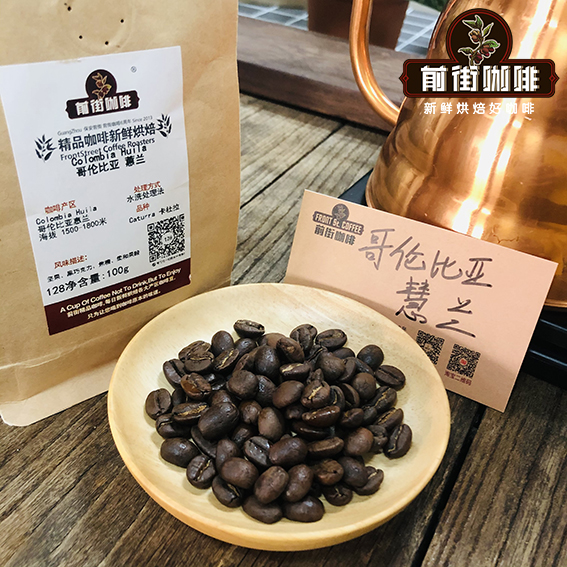
FrontStreet Coffee Colombian Huila
Region: Huila, Colombia
Altitude: 1500m-1800m
Variety: Caturra
Processing method: Washed
Flavor: Nuts, dark chocolate, caramel, gentle fruit acidity
Indonesia
Indonesia lies in Southeast Asia, and its coffee history reaches back to 1696, when the Dutch introduced cultivation to Java. Within thirty years the country had built a solid footing in the coffee market. Today's emblem of Indonesian coffee, though, is Mandheling, which is no surprise: most of the Java coffee originally exported to Europe came from Sumatra, and Mandheling comes from Sumatra as well. Sumatra is therefore a central Indonesian production area.
Sumatra's mysterious, singular environment gives Mandheling its rich aroma, full body, and intense flavor with subtle chocolate and syrup notes. It tastes rich, fragrant, purely bitter, and mellow with a touch of sweetness. Because Mandheling has little acidity to begin with, it won't turn unpleasantly astringent even when kept warm for a long time or made into iced coffee.
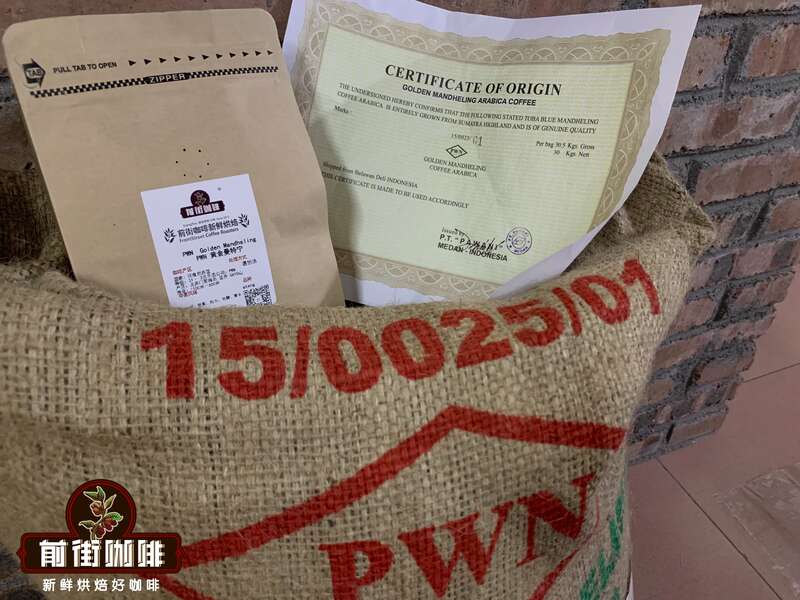
FrontStreet Coffee PWN Gold Mandheling
Region: Gayo Mountain, Aceh
Altitude: 1100-1600m
Variety: Ateng
Processing method: Wet-hulled
Flavor: Toasted bread, nuts, pine, caramel, herbal
Brazil
Brazil is the world's largest coffee producer and exporter, yet more than three hundred years ago there was not a single coffee tree in the country. Coffee seeds finally arrived thanks to a Brazilian Portuguese officer who charmed the wife of the governor of Cayenne, then the capital of French Guiana, and obtained the seeds through her.
Because Brazilian coffee is mostly grown in full sun, the cherries absorb heat quickly and ripen fast. Brazilian beans have a soft texture, large size, strong flavor, low acidity, and a gentle taste with an exceptionally smooth mouthfeel.
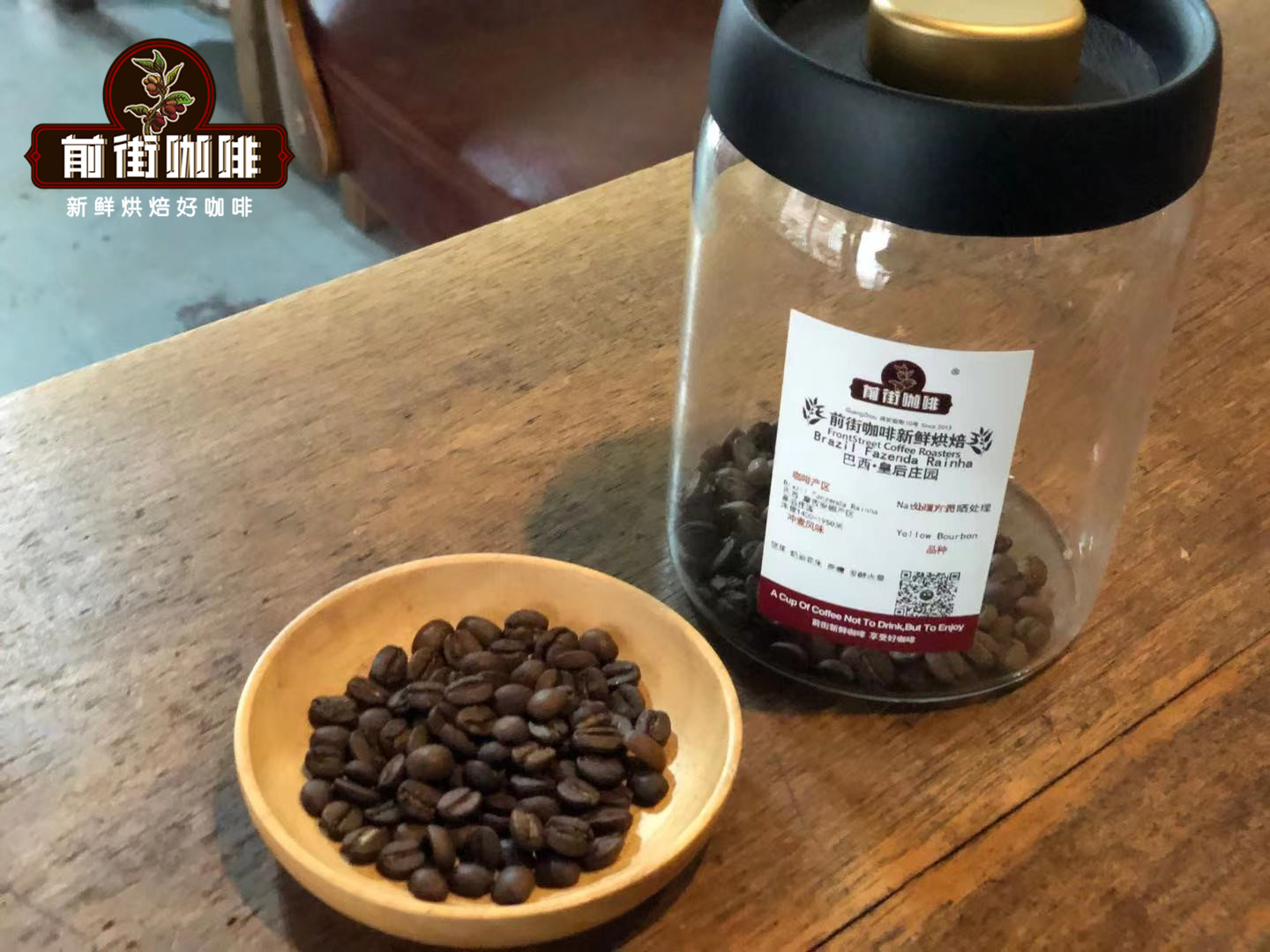
FrontStreet Coffee Brazil Queen Estate
Region: Mogiana region, Brazil
Estate: Queen Estate
Altitude: 1400m-1950m
Variety: Yellow Bourbon
Processing method: Natural
Flavor: Nuts, creamy peanuts, sugarcane, fermented fruits
Honduras
Finca Moca is a small estate in the highlands of Marcala. Marcala is a municipality in Honduras's Intibucá department, south of the Jesús de Otoro valley and surrounded by mountains and hills, and it is mainly home to coffee growers who are the engine of the local economy; the valley floor is given over to basic grains and livestock. As for the name, according to Mr. Alberto Membreo's "Indigenous Place Names," Masaguara means "place of deer."
This Sherry coffee bean from FrontStreet Coffee has won over many coffee lovers with its whiskey-like aroma.
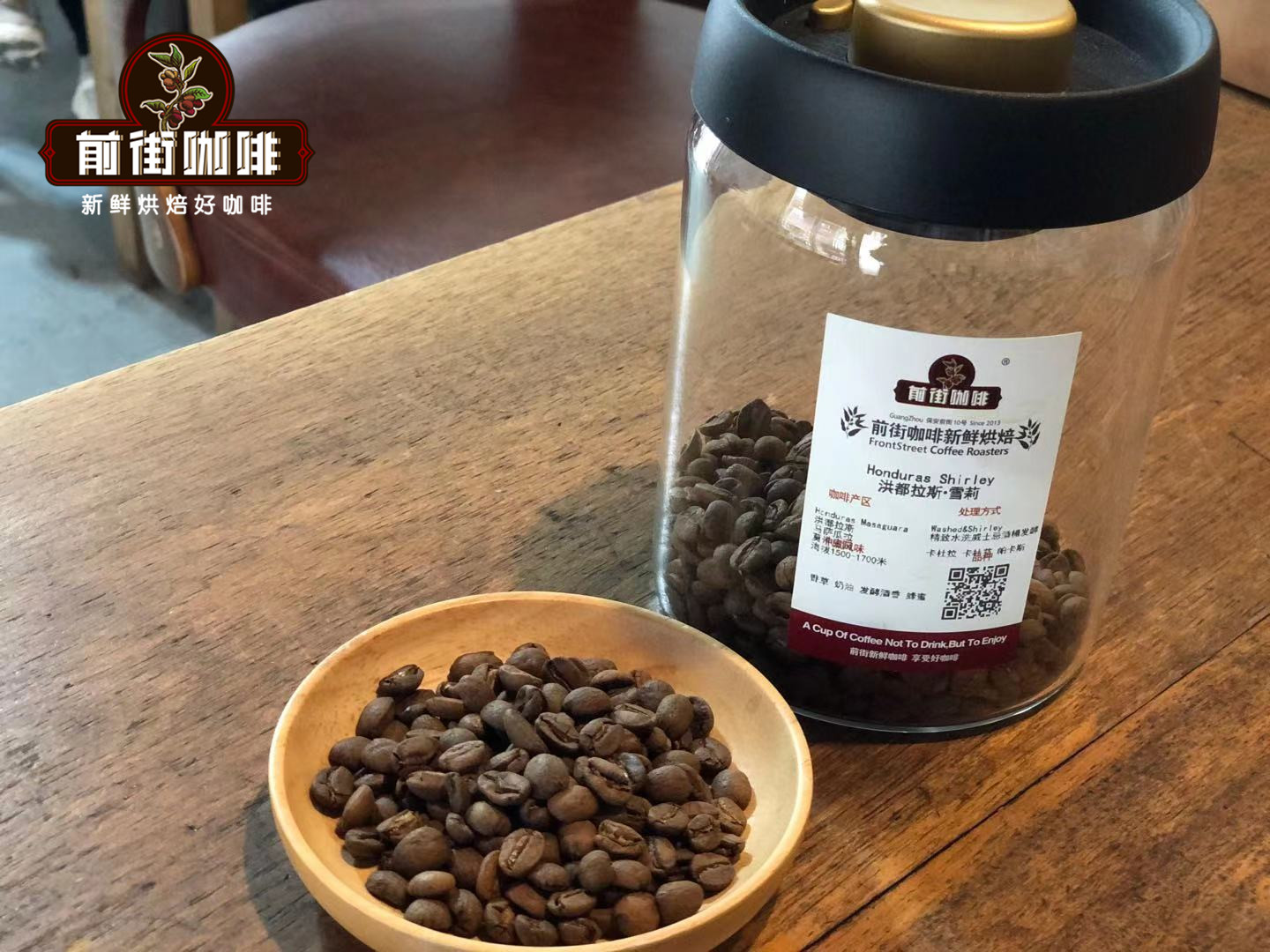
FrontStreet Coffee Honduras Sherry
Region: Marcala, Honduras
Estate: Finca Moca
Altitude: 1500m-1700m
Variety: Caturra, Catuai, Pacas
Processing method: Refined washed whiskey barrel fermentation
Flavor: Vanilla, cream, fermented wine aroma, honey
Yunnan, China
Western and southern Yunnan Province lie between 15° north latitude and the Tropic of Cancer. Most of the area sits at 1,000-2,000 meters, with mountainous, sloped terrain and sharp elevation changes. Fertile soil, abundant sunshine, plentiful rainfall, and large day-night temperature swings give Yunnan small-bean coffee its signature: rich but not bitter, fragrant but not strong, with a faint fruit flavor.
Yunnan's coffee regions are concentrated in Dehong, Baoshan, Lincang, and Pu'er. Baoshan has the longest coffee history in the province; its small-bean coffee is a national geographical indication product and ranks among the finest coffees in China and the world. The average temperature there is 21.5°C with no frost year-round, and it is regarded as the best origin for small-bean coffee. FrontStreet Coffee finds that coffee from this region is rich but not bitter, fragrant but not strong, with a mellow aroma; it is rich in oils, with strong fruit acidity and a long-lasting aftertaste, and is genuinely among the finest coffees.
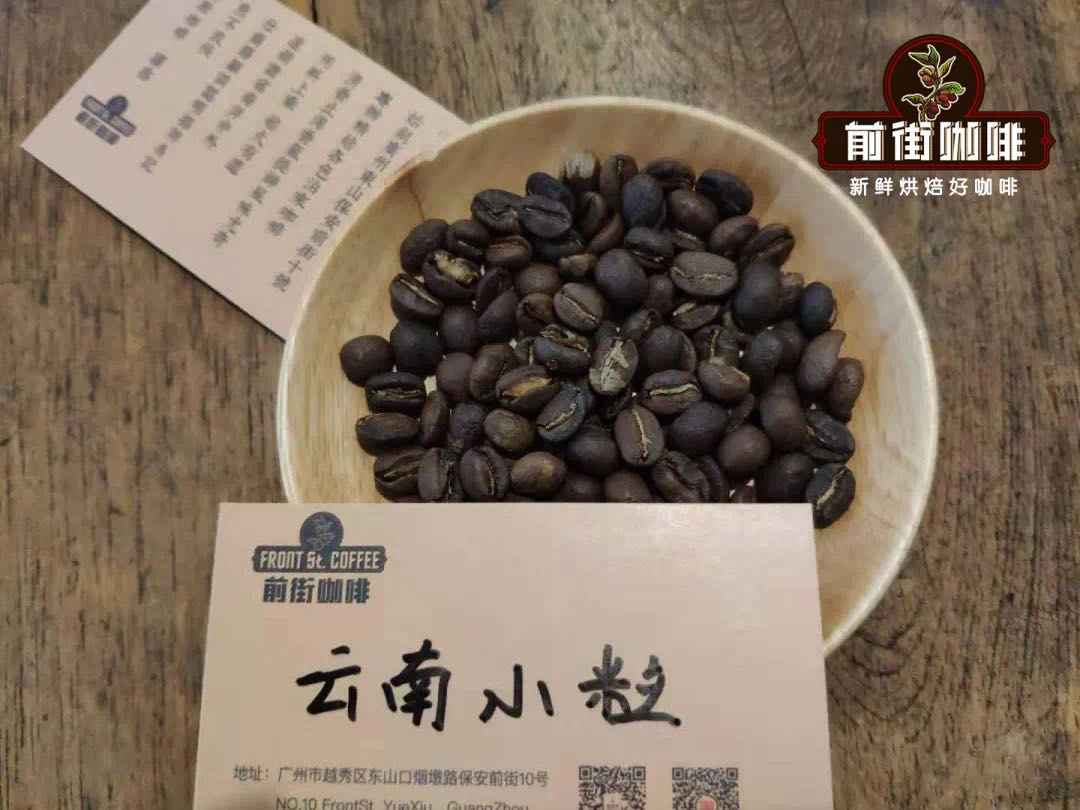
FrontStreet Coffee Yunnan Small Bean
Region: Baoshan, Yunnan
Altitude: 1200m
Variety: Catimor
Processing method: Washed
Flavor: Melon and fruit aroma, sweet melon, brown sugar, plum acidity, black tea sensation
FrontStreet Coffee Recommendation
Yirgacheffe is the classic entry point into Ethiopian coffee, and FrontStreet Coffee's washed Yirgacheffe is an everyday bean built around white jasmine, bright citrus and lemon acidity, and a clean tea-like body, at a price that makes it a natural first specialty coffee. For a cooperative expression of the same region, FrontStreet Gudingding Cooperative comes from the Gudingding village at the southeastern edge of Yirgacheffe, in the Worka area; the traditional washed process keeps bitter notes out and leaves fresh, bright citrus and lemon acidity with jasmine fragrance. FrontStreet's sun-dried Red Cherry uses only fully ripe cherries, dried on raised beds for three to five weeks and turned every two to three hours early on, so the cup keeps the typical Yirgacheffe character alongside a tropical fruit sweetness, berry-juice body, honeyed sweetness, and creamy smoothness.
For brewing, FrontStreet Coffee suggests a V60 at 90-91°C with 15g of coffee and a 1:15 ratio. Grind to EK43s setting 10, about fine-sugar size, aiming for 80% pass-through a No. 20 sieve. Bloom with 30g of water for 30 seconds, then pour to 125g over about one minute. When the water level falls to two-thirds of the bed, add the remaining 100g for a total of about 225g, finishing that pour around 1:35. The bed should drain by 2:00-2:10, and then the brew is done.
Important Notice :
FrontStreet Coffee is a long-established specialty coffee roaster in Guangzhou China, selling freshly roasted beans from its own farm in Yunnan as well as dozens of carefully selected single-origin beans from around the world for both pour-over and espresso. The products deliver consistently excellent quality and great value, with shipping within 24 hours. Guangzhou's FrontStreet Coffee shop is recommended by many coffee lovers, and the beans are now available online at the Tmall 。
FrontStreet Coffee has moved to a new address:
FrontStreet Coffee Address: 315,Donghua East Road,GuangZhou
Tel:020 38364473
 Scan and follow the En Gafei WeChat official account. Please indicate that the reprint comes from "En Gafei".