How to Choose FrontStreet Coffee Bean Roast Levels? Explaining the Relationship Between Roast Degree and Flavor Period
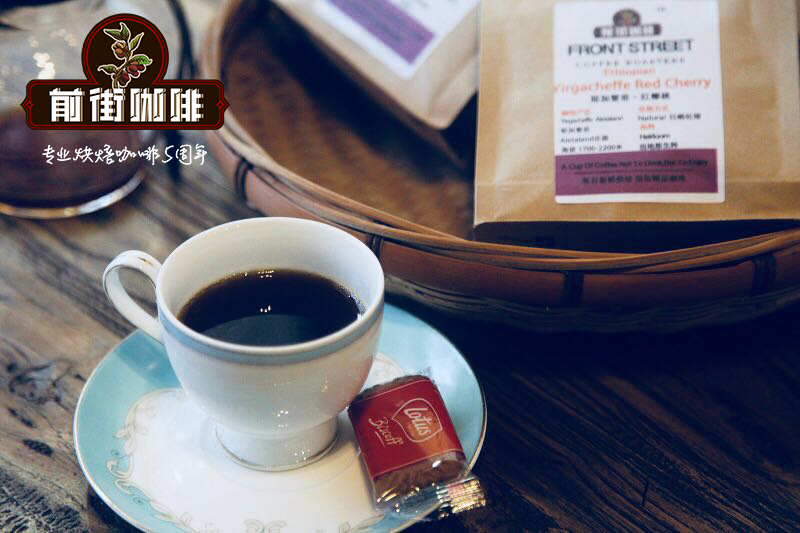
FrontStreet Coffee Bean Main Roast Levels & Characteristics Comparison
FrontStreet Coffee offers the following five roast levels, so that our coffee-loving supporters can choose according to the flavors they enjoy.
Light Roast
Full of aroma, with particularly strong fruit acidity. Best suited to drinkers with special preferences.
Light-Medium Roast
Retains most of the aroma while featuring bright fruit acidity; this is the lightest roast level FrontStreet Coffee recommends for coffee enthusiasts.
Medium Roast
Gentle fruit acidity and sweetness.
Medium-Dark Roast
Rich body with caramel aroma.
Dark Roast
Rich body with bitter flavors derived from caramelization reactions. Ideal for pairing with milk and suitable for making lattes.
Roast Level vs. Flavor Period
Light to Medium Roast Coffee Beans
Roasted beans that have not yet entered second crack show minimal cell wall damage, and most of the oils remain stored inside the bean's cell walls. Because carbonization is limited, the bean keeps its original aroma and acidity, meaning the terroir and regional flavors of the growing area. Well-roasted specialty beans can reveal fruity aromas and acids such as apple, lemon, and orange. If you are used to dark roast beans and unaccustomed to acidity, these more delicate flavors take time to appreciate.
Medium-Dark and Dark Roast Coffee Beans
Choosing to enter second crack sacrifices some acidity and aroma. It does increase oil content and create a richer body, but cell wall carbonization and the emergence of oil also make the beans harder to preserve. Coffee oils that surface on the bean combine with oxygen in the air, and that reaction is the key factor accelerating spoilage, so the flavor period grows shorter: under the same room-temperature conditions, the darker the roast, the shorter the flavor period. The vast majority of commercial coffee is dark roasted, mainly because the quality of the green beans used is poor, what the trade calls commercial beans. Dark roasting carbonizes them, which not only looks appealing but also helps mask off-flavors.
FrontStreet Coffee Recommendation
When you are choosing beans to drink with milk, FrontStreet Coffee recommends matching them to the brew method. For espresso and moka pot, where the goal is a more concentrated base, blends are the natural choice. The FrontStreet Classic Blend is the first pick: it is designed specifically for espresso and the moka pot, and its strongest point is crema. Even a beginner using a non-professional home machine can pull a dense, fine layer of it, which is exactly what a latte, cappuccino, or Dirty depends on. Built on the traditional Mamba recipe, it tastes full, warm, and mellow, and it works for newcomers and experienced drinkers alike.
For a high-value commercial option, the FrontStreet Black Cocoa Blend uses 100% Arabica beans and offers plenty of crema, a rich body, and a friendly price, which makes it a practical choice for anyone opening a shop who wants both quality and cost control. If you prefer fruit-forward coffee, the FrontStreet Strawberry Candy is a popular fruit-toned espresso blend that combines the native flavors of Arabica beans from different regions into a clear strawberry soft-candy sweetness. It suits both daily home drinking and commercial cafe service, and one bag covers several brewing styles.
For pour-over with a splash of milk, where the lower concentration means the coffee is easily overwhelmed, choose a medium-dark single origin. FrontStreet Coffee suggests beans whose flavor notes read as chocolate, nut, cream, or cocoa, such as the FrontStreet PWN Golden Mandheling, the FrontStreet Bird of Paradise, or the FrontStreet Queen Farm. For cold brew with milk, fruit or wine-like medium roasts work better than caramel-toned beans because cold extraction favors the lighter, brighter compounds; the FrontStreet Strawberry Candy Geisha blend and the FrontStreet Colombia Sidra are both strong choices.
Important Notice :
FrontStreet Coffee is a long-established specialty coffee roaster in Guangzhou China, selling freshly roasted beans from its own farm in Yunnan as well as dozens of carefully selected single-origin beans from around the world for both pour-over and espresso. The products deliver consistently excellent quality and great value, with shipping within 24 hours. Guangzhou's FrontStreet Coffee shop is recommended by many coffee lovers, and the beans are now available online at the Tmall 。
FrontStreet Coffee has moved to a new address:
FrontStreet Coffee Address: 315,Donghua East Road,GuangZhou
Tel:020 38364473
 Scan and follow the En Gafei WeChat official account. Please indicate that the reprint comes from "En Gafei".