What's the Difference Between Mandheling and Golden Mandheling? Is Mandheling Coffee Bitter? Is Mandheling Coffee Famous?
When conversation turns to Asian coffee, Indonesian Mandheling inevitably comes up. Before Blue Mountain arrived on the scene, coffee connoisseurs regarded Mandheling as the most mellow coffee there was, and FrontStreet Coffee agrees. The body of Mandheling ranks among the fullest in specialty coffee, and its heavy mouthfeel and low acidity are its signature traits. A smoothness and sweetness reminiscent of dark chocolate and caramel linger long on the finish, building complex layers of flavor. In Asia in particular, Mandheling holds a significant place.
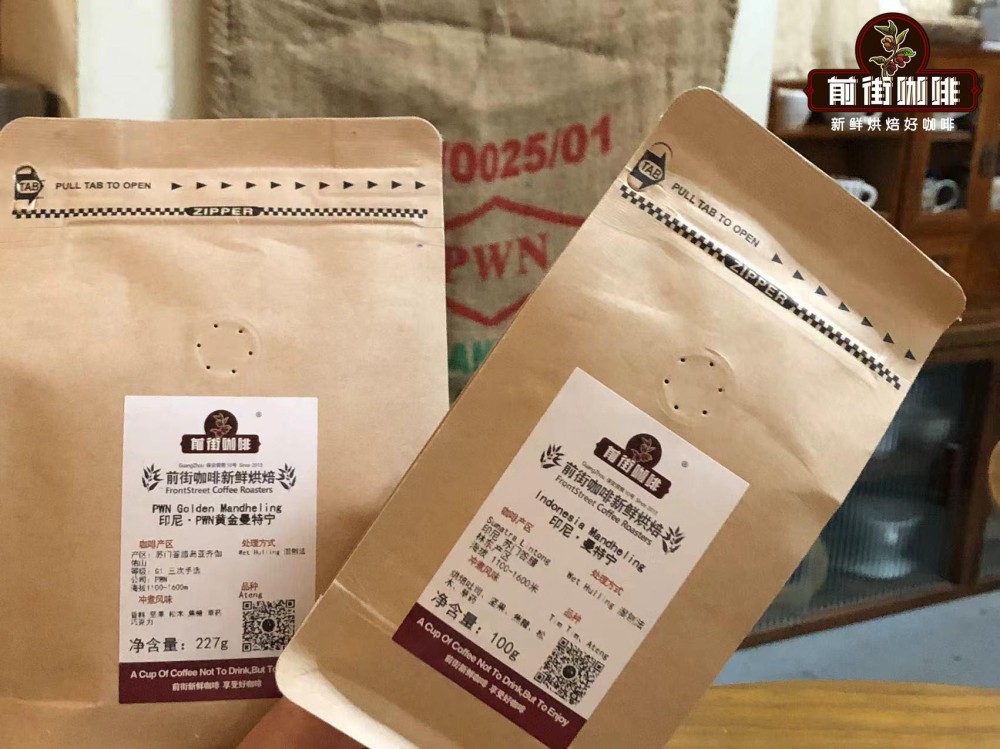
Mandheling's flavor is genuinely distinctive, and that distinctiveness is often what people mean when they call it bitter. Among FrontStreet Coffee's customers there are two camps: one prefers the light, fresh, floral and fruity coffees of Ethiopia, while the other favors a mellow cup like Mandheling. Some describe Mandheling as very "manly" - the more you drink it, the more flavor you find. In truth, FrontStreet Coffee believes Mandheling does carry some bitterness. If you dislike that bitterness you will turn your nose up at it and keep your distance, but if you like Mandheling you will only grow fonder of it, especially Golden Mandheling. FrontStreet Coffee carries two Mandheling coffees: the everyday Lintong Mandheling and the single-origin Golden Mandheling. If Mandheling is the specialty among Indonesian coffees, then Golden Mandheling is the finest specialty among Mandhelings. It is cleaner and clearer than regular Mandheling and more complex in layers, which is also why it costs more.
Sumatran Mandheling Coffee
Indonesia, in Southeast Asia, has a coffee history reaching back to 1696, when Dutch plantation owners searched for broader coffee-growing territory. After extensive exploration they settled on the island of Java. Within 30 years, Indonesia had established a solid footing in the coffee market.
Today, though, the representative of Indonesian coffee is Mandheling, and that is hardly surprising: most of the Java coffee originally exported to Europe actually came from the Sumatra region, and Mandheling originates in Sumatra. Sumatra can therefore be considered a key coffee-producing area in Indonesia. At present, the finest beans from the entire Sumatra region come from the Gayo mountain area, where old-tree varieties are widely planted. The Gayo Mountains lie in the Aceh production area of North Sumatra Province, at elevations between 1500 and 2500 meters, and most coffee farmers there are members of the indigenous GAYO tribe.
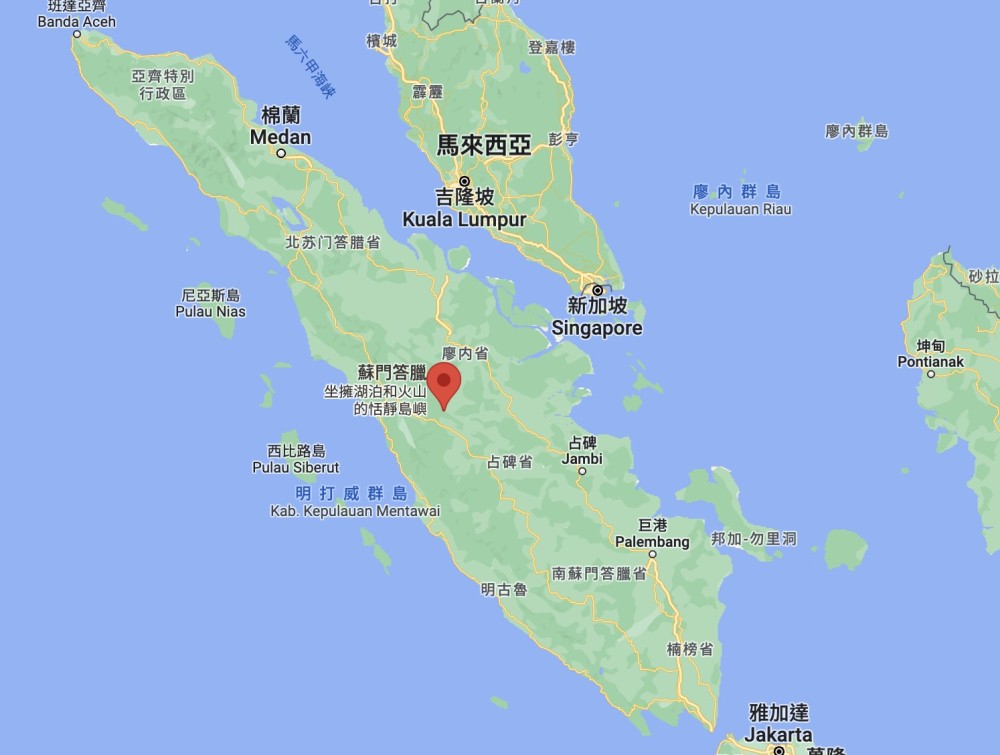
Sumatra is not only Indonesia's largest island but the world's sixth-largest, lying in the northwest of the country. It extends from northwest to southeast with the equator passing through its center. The northwest is higher, with the Barisan Mountains running through it, and it primarily grows Arabica - making it the main Mandheling production area. The southeast is lower, mostly flat or marshy, and grows mainly Robusta. The island has over 90 volcanoes and numerous volcanic lakes, providing fertile soil for coffee. Because of its geography, Sumatra also has the country's earliest harvest season, running from November to March.
Mandheling:
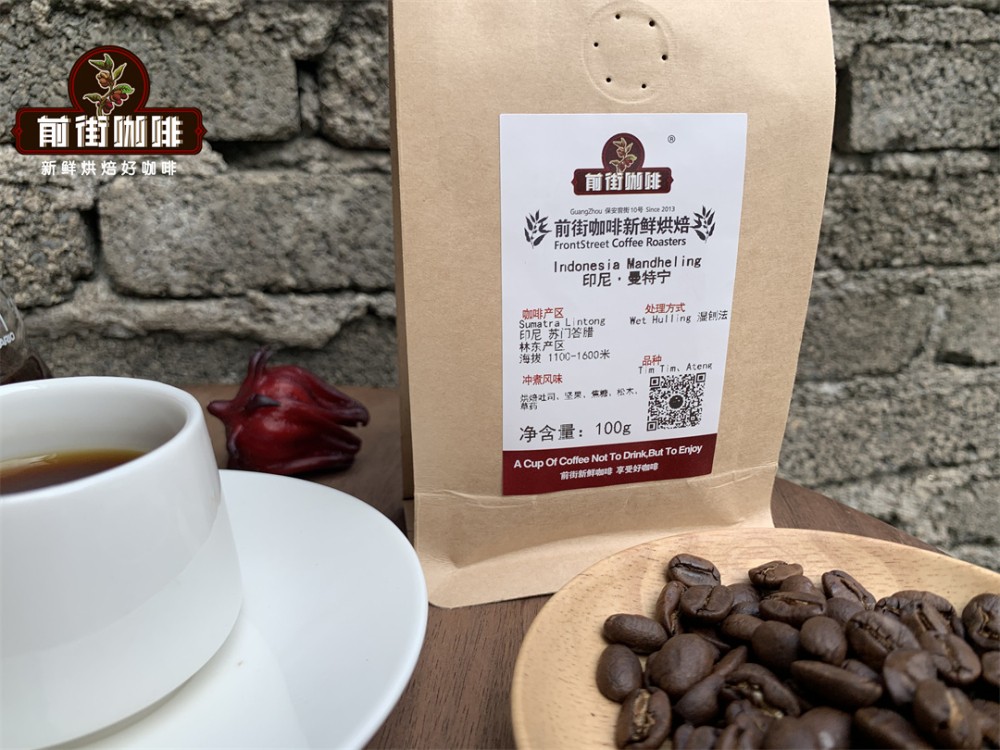
Lintong Mandheling is produced in the Lintong mountain area of north-central Sumatra, near Lake Toba. It is the regular version of Sumatran Mandheling. Mandheling refers to the semi-washed or natural processed beans most famous from the area around Lake Toba in north-central Sumatra, in particular the Lintong mountain area at elevations of 900-1200 meters on the southwestern shore. The Batak people are the main coffee farmers there. Once praised as the world's fullest coffee beans, Mandheling is a trademark used for Arabica coffee from North Sumatra, produced in the Tapanuli region of northwest Sumatra and named after the Mandailing people.
Golden Mandheling Coffee
PWN company applies extremely strict standards when producing Golden Mandheling. After selecting G1 grade beans above 18 screen with fewer than 3 defective beans in a 300g green bean sample, they subject them to three additional manual selections. This lets PWN Golden Mandheling present a uniform color and consistent bean shape, and the result is a clean, transparent taste with intense sweetness.
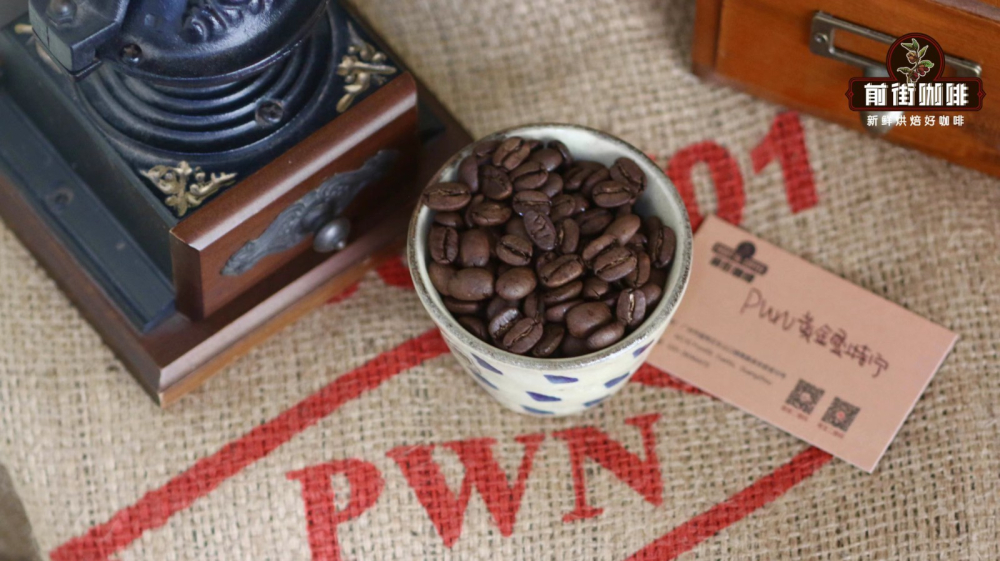
FrontStreet Coffee's Golden Mandheling comes from PWN. Golden Mandheling derives from Mandheling and can be understood as selected Mandheling, which is why FrontStreet Coffee chose to stock it. FrontStreet Coffee cup-tests 300-500 batches of beans each year and selects the one-fifth with the most regionally representative flavors; Golden Mandheling is a masterpiece of that selection, and FrontStreet Coffee believes it perfectly represents the Sumatran style. For professional-level tasters and anyone with a sensitive palate, the difference between Mandheling and Golden Mandheling becomes obvious when you drink the two side by side. Golden Mandheling's sweetness, cleanliness, richness and wild spice notes are all slightly superior to G1, which is one reason it is far more expensive.
Mandheling Coffee Bean Varieties
Indonesia has a very long history of coffee cultivation. Arabica was grown in the past, but after leaf rust struck, 90% of the beans Indonesia now exports are Robusta, with only 10% Arabica. FrontStreet Coffee's Lintong Mandheling is the TimTim Ateng variety, while Golden Mandheling is listed simply as Ateng. Timtim is Timor, an Arabica variety with Robusta blood, while Ateng is Catimor, a hybrid of Caturra and Catimor. These are just local names for the varieties.
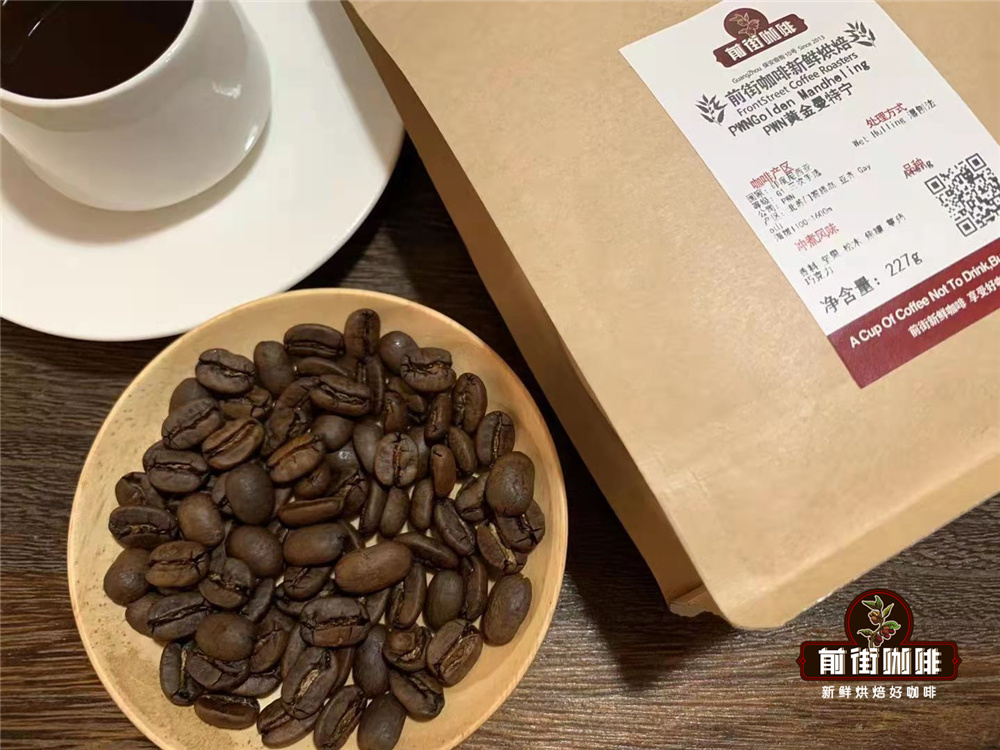
Mandheling Coffee Bean Processing Method
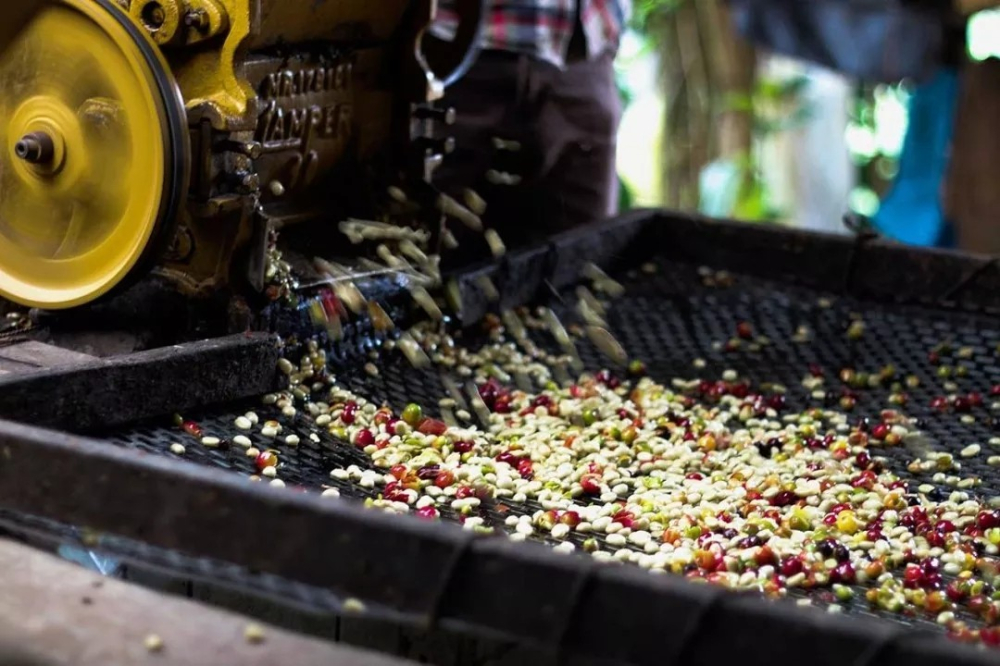
Mandheling is processed using the wet-hulling method. Some customers see the appearance of the beans and think they look a little ugly, because they have gaps at both ends - what are commonly called "elephant hoof beans." These are not defects. Indonesia sits near the equator with a tropical rainforest climate, so mass-produced coffee mostly uses rough wet-hulling. Wet-hulling greatly speeds up the whole process, but scraping off the parchment layer while the bean is still semi-dry requires significant friction, so the green beans are easily crushed and squeezed, especially at both ends, forming small gaps.
FrontStreet Coffee's roasters use a medium-dark roast level for Mandheling to highlight its mellow mouthfeel. When brewing, the baristas use a KONO dripper to extend contact time between the hot water and the coffee grounds, with 88°C water and a relatively coarse grind to avoid burnt bitterness.
FrontStreet Coffee's Mandheling Brewing Parameters:
FrontStreet Coffee typically uses a KONO dripper for daily brewing of medium-dark roast Mandheling. The KONO dripper makes the coffee taste rounder and more mellow, with a more direct expression of flavor. It has less than half the flow ribs of a V60, and a smooth curved surface on the upper part that lets the filter paper fit more closely. This restricts upward airflow, forcing hot water to flow only downward and creating a siphon-like extraction effect that releases the coffee's aroma compounds more fully, thereby enhancing the mellow mouthfeel.
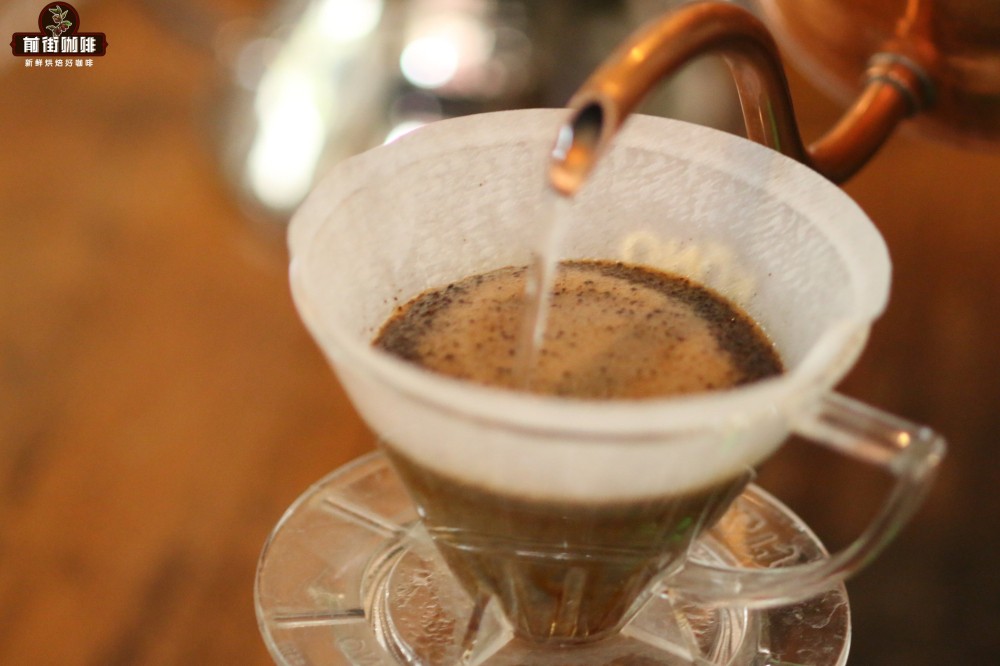
Using a Kono dripper: water temperature 88°C, dose 15g, powder-to-water ratio 1:15, grind size medium-fine (Chinese standard 20-mesh sieve pass rate 75%).
Use three-stage extraction: bloom with twice the amount of water as coffee, that is, 30g of water for 30 seconds. Blooming is necessary so the coffee can release its internal carbon dioxide, which makes the later extraction more stable. With a small flow, pour in circles until reaching 125g, then continue until 225g and stop. Wait until all the water has dripped through the filter, then remove the dripper. Start timing from the beginning of the pour; extraction time is 2'00". Next, lift the whole cup and shake it evenly, then pour into a cup for tasting.
FrontStreet Coffee Lintong Mandheling Flavor Characteristics:
Rich nutty notes with a hint of melon aroma toward the finish. As the temperature drops, herbal plant flavors emerge, with a mellow mouthfeel and rich layers.
FrontStreet Coffee PWN Golden Mandheling Flavor Characteristics:
Rich nutty flavor; as the temperature drops slightly, melon, herbal and spice notes begin to emerge. The aftertaste carries dark chocolate, with obvious caramel sweetness. Clean and smooth mouthfeel.
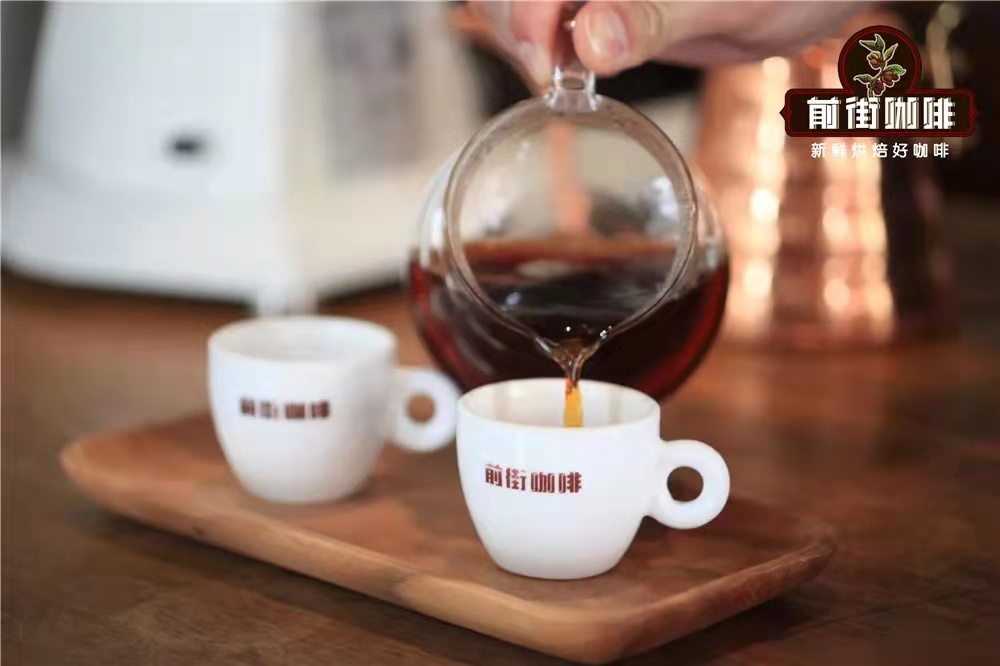
FrontStreet Coffee's Brewing Suggestions:
On the subject of brewing, FrontStreet Coffee has always held that the freshness of the beans strongly affects the flavor of the cup. FrontStreet Coffee therefore ships beans roasted within 5 days. The roasting philosophy is "freshly roasted good coffee," ensuring that every customer who places an order receives the freshest coffee on arrival. The resting period is around 4-7 days, so by the time customers receive it, the coffee is at its optimal flavor.
For those who need ground coffee, FrontStreet Coffee offers a reminder: if beans are ground in advance there is no need for further resting, because during transport the pressure from carbon dioxide in the package also rounds out the flavor. You can brew a cup as soon as the ground coffee arrives. Ground coffee should be brewed promptly, though, because it oxidizes quickly in air, so the flavor dissipates relatively fast and the cup will not taste as good. FrontStreet Coffee therefore suggests buying whole beans and grinding fresh for each brew to appreciate the flavor at its best.
FrontStreet Coffee Recommendation
For anyone who wants the fullest expression of the wet-hulled style, FrontStreet Coffee's PWN Golden Mandheling is the top of the line. PWN buys only high-grade Mandheling green beans, then applies one machine sort and several hand sorts to keep only plump, flawless beans, so every lot sits at specialty grade. Golden Mandheling is their flagship: even, plump, bright and low in defects, and after a medium-dark roast it carries a rich roasted aroma, with a clean cup and full body that suits anyone who dislikes acidity.
FrontStreet Coffee's Lintong Mandheling is the everyday cup: deep and rich with a gentle bitterness, a strong and stimulating entry, and clove and woody aromatics. Roasted medium-dark, it is low in acidity, with a spiced, faintly minty character and a powerful, lasting, full sweetness.
If you want Mandheling flavor in an espresso machine, the FrontStreet Classic Blend is a favorite for repeat buyers. It builds on the creamy, nutty notes of Brazilian coffee by adding medium-dark roasted Mandheling, which brings butter, roasted chestnut and caramel to the foreground, lifts the body of the whole cup, and layers in sandalwood, herbal and spice notes, with a touch of Robusta for a richer crema - easy for latte art or for a layered Dirty.
Important Notice :
FrontStreet Coffee is a long-established specialty coffee roaster in Guangzhou China, selling freshly roasted beans from its own farm in Yunnan as well as dozens of carefully selected single-origin beans from around the world for both pour-over and espresso. The products deliver consistently excellent quality and great value, with shipping within 24 hours. Guangzhou's FrontStreet Coffee shop is recommended by many coffee lovers, and the beans are now available online at the Tmall 。
FrontStreet Coffee has moved to a new address:
FrontStreet Coffee Address: 315,Donghua East Road,GuangZhou
Tel:020 38364473
 Scan and follow the En Gafei WeChat official account. Please indicate that the reprint comes from "En Gafei".