Yirgacheffe Woka Cooperative Coffee Origin Story Characteristics Woka Coffee Beans Brewing Processing Method and Flavor Description
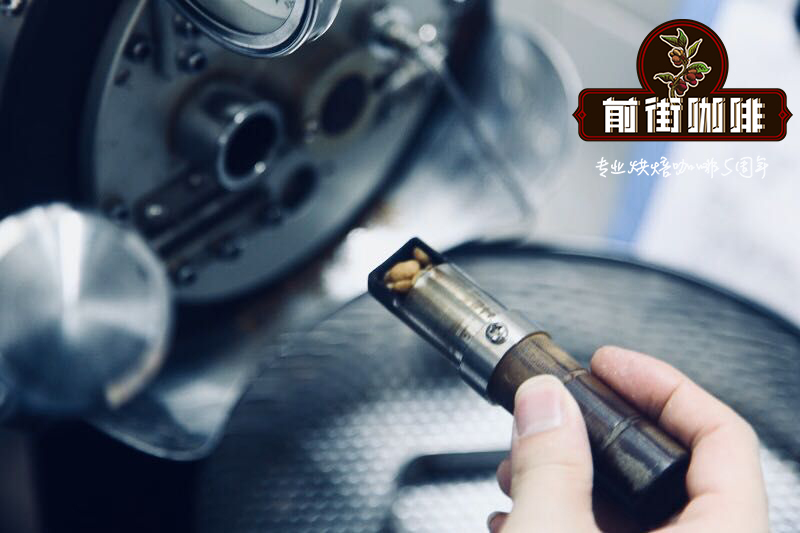
Today FrontStreet Coffee wants to share a coffee that's perfect for beginners: washed Yirgacheffe Werka. Werka comes from the town of Werka in Ethiopia's southern coffee-growing region and produces high-quality Yirgacheffe defined by fresh, elegant florals and clean, bright acidity. The coffee is grown mainly by more than 700 local smallholder farmers and processed with traditional washed and natural methods. Thanks to its distinctive regional character, Werka has become one of the standard-bearers of Ethiopian specialty coffee. FrontStreet Coffee believes that the depth of Werka's flavor owes much to the farmers' cooperative effort, careful harvesting, and rigorous processing. Yirgacheffe has always been indispensable to specialty coffee — a treasure of the industry. If Yirgacheffe ever lost its charm, we suspect the momentum of the entire specialty coffee movement would slow with it.
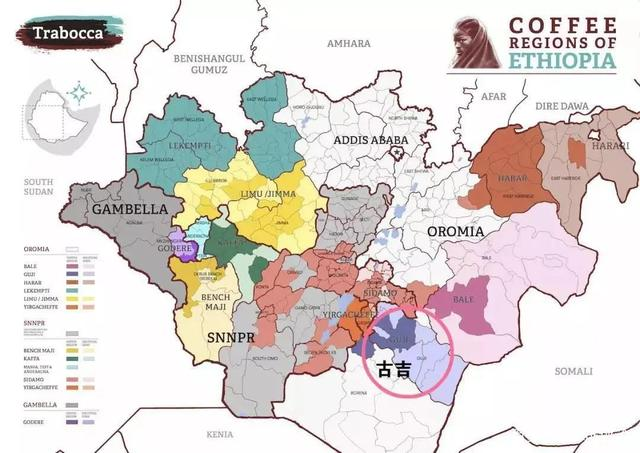
Yirgacheffe lies in the Gedeo zone of southern Ethiopia, which encompasses the well-known Yirgacheffe and Kochere areas. At 1700-2100m, it is among the highest coffee-growing regions in the world and practically synonymous with Ethiopian specialty coffee. In the rift valley around Misty Valley, mist lingers year-round, creating a spring-like climate — gentle breezes, cool and humid. Thousands of coffee varieties thrive here, nurturing a terroir where delicate florals and fruit aromas intertwine in constantly shifting ways.
Coffee Cultivation in Yirgacheffe
Coffee in Yirgacheffe is grown mostly under the garden coffee model: farmers plant trees near their homes, harvest themselves during the picking season, then deliver the cherries to nearby wet processing mills for unified processing (or sell to middlemen who do). Apart from a handful of larger plantations that plant, harvest, and process independently, beans from many different areas and varieties are processed centrally and sent to the auction house for official grading — which is exactly why Ethiopian coffees are so often named after processing mills or cooperatives.
Why It's Called Werka
The Werka Cooperative belongs to the YCFCU cooperative federation. Established in 2005, it sits in a remote corner of the Yirgacheffe growing region, 75 kilometers from Dilla, the local coffee distribution hub. Getting there isn't easy: 20 kilometers of dirt road connect the cooperative to the nearest paved highway. The cooperative counts 305 member farmers cultivating about 763 hectares, with an annual output of nearly 460 tons — a relatively small operation. Because no chemical fertilizers or pesticides are used, the Werka farmers have also earned Skal organic certification recognized by the European Union.
More than half of Ethiopia's coffee is grown as garden coffee — literally, smallholders cultivating coffee in their backyards on plots averaging 0.5-1.5 hectares per household. Coffee is the main cash crop, and farmers also grow banana-like grain crops for shade and food. Each household is self-sufficient in staples and trades coffee for other daily goods. Combined with the region's unique native heirloom varieties, this way of farming gives every batch its own distinct flavor. FrontStreet Coffee's Yirgacheffe Werka is traditionally washed processed and shows the classic washed Yirgacheffe character: distinct florals and rich citrus in both the dry and wet fragrance.
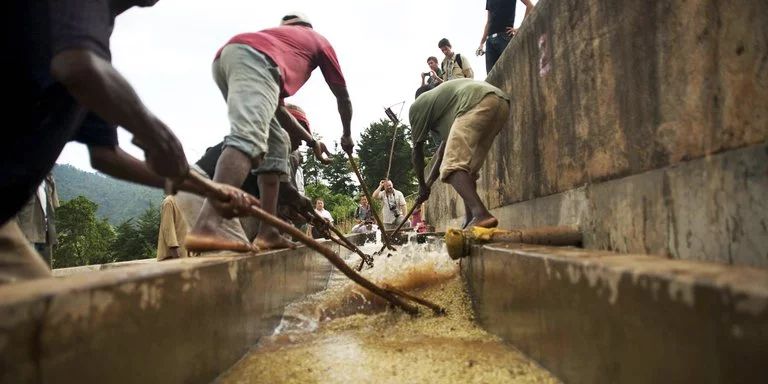
Washed Processing
Sorting cherries — depulping — fermentation — washing — drying — hulling
Sorted cherries go into the depulper to strip off skin and most of the pulp; the beans, still coated in mucilage, then ferment in water for about 24 hours. After fermentation, the parchment coffee is washed in flowing water channels to remove the remaining mucilage, then sun-dried or machine-dried to roughly 12% moisture. Finally, the parchment is milled off.
FrontStreet Coffee Roasting Analysis
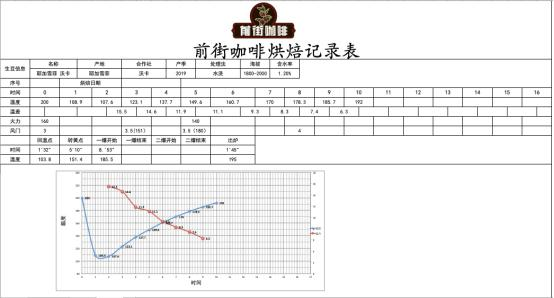
Yellowing point at 5'10"; first crack begins at 8'53" at 185.5°C, followed by 1'45" of development before dropping the beans at 195°C.
FrontStreet Coffee Yirgacheffe Werka Color Values
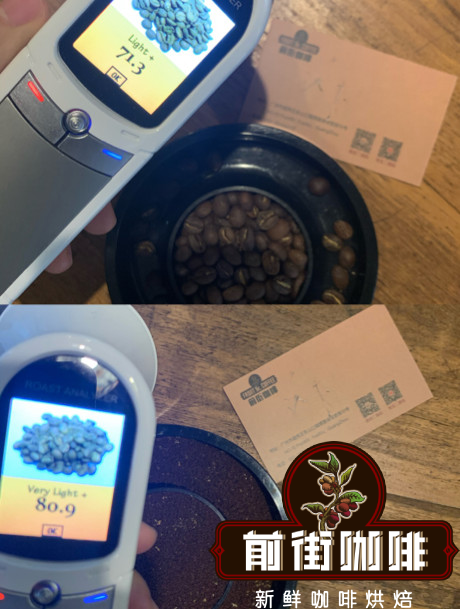
Agtron bean value 71.3 (upper image), ground value 80.9 (lower image), roast delta 9.6.
Yirgacheffe Werka Washed
Country: Ethiopia
Region: Yirgacheffe
Altitude: 1850-2100m
Processing Method: Washed
Grade: G1
Variety: Heirloom
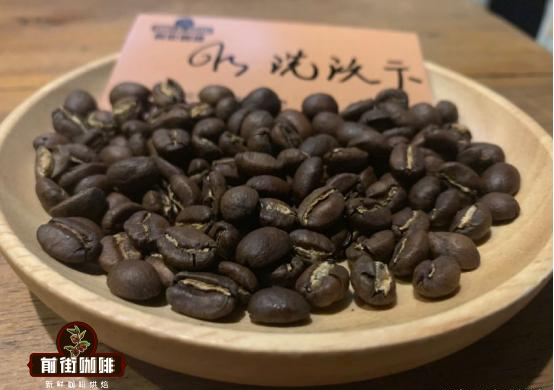
FrontStreet Coffee Brewing Parameters
Recommended method: Pour-over
Dripper: Hario V60
Water temperature: 90°C
Dose: 15 grams
Ratio: 1:15
Grind size: Medium-fine (80% pass-through on the China standard #20 sieve)

Technique: Segmented extraction. First pour: 30g of water for a 30-second bloom. Second pour: a small circular flow up to 120g, then pause. Once the water level drops and the coffee bed is about to be exposed, continue with the third pour up to 225g and stop. When the level drops again and the bed is about to show through, remove the dripper. (Timing starts at the bloom.) Total extraction time: 2'00".
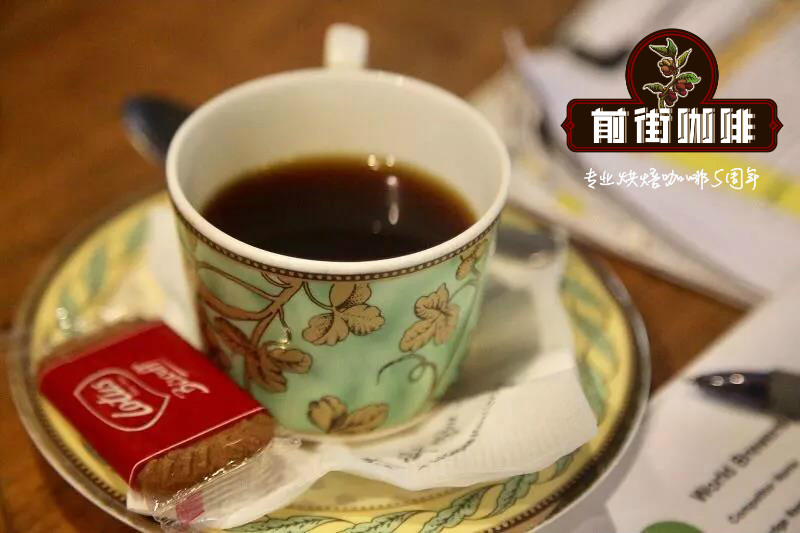
Flavor: Lemon, plum, and Tieguanyin tea notes up front. Caramel becomes prominent as the cup cools, with bright acidity and a lingering finish.
FrontStreet Coffee Recommendation
Werka belongs to the same family of cooperatives as one of our favorite coffees: FrontStreet Coffee's Guodingding Cooperative. Guodingding sits in the Worka area at Yirgacheffe's southeastern edge and was once part of the Worka Cooperative under the YCFCU union, before breaking away in 2012 as the world's coffee hunters chased single-origin traceability. Its traditionally washed coffee carries no trace of conventional bitterness — instead it offers clean, bright citrus and lemon acidity wrapped in jasmine fragrance, the kind of cup that wins people over at first sip.
For the classic gateway into Ethiopian coffee, start with FrontStreet Coffee's Washed Yirgacheffe house bean, known for white jasmine, bright citrus and lemon acidity, and a tea-like finish — at an everyday price, it's the bean many drinkers use to first discover specialty coffee. And if you'd like to taste what natural processing adds, FrontStreet Coffee's Red Cherry Project natural uses only fully ripe cherries, sun-dried on raised beds with regular turning, yielding citrus acidity, berry juiciness, honeyed sweetness, and a creamy smoothness on top of that unmistakable Yirgacheffe character.
Important Notice :
FrontStreet Coffee is a long-established specialty coffee roaster in Guangzhou China, selling freshly roasted beans from its own farm in Yunnan as well as dozens of carefully selected single-origin beans from around the world for both pour-over and espresso. The products deliver consistently excellent quality and great value, with shipping within 24 hours. Guangzhou's FrontStreet Coffee shop is recommended by many coffee lovers, and the beans are now available online at the Tmall 。
FrontStreet Coffee has moved to a new address:
FrontStreet Coffee Address: 315,Donghua East Road,GuangZhou
Tel:020 38364473
 Scan and follow the En Gafei WeChat official account. Please indicate that the reprint comes from "En Gafei".