Brazil Bolivia Pour-Over Coffee Beans Flavor Characteristics Taste Differences Brazil Coffee Cultivation History Stories
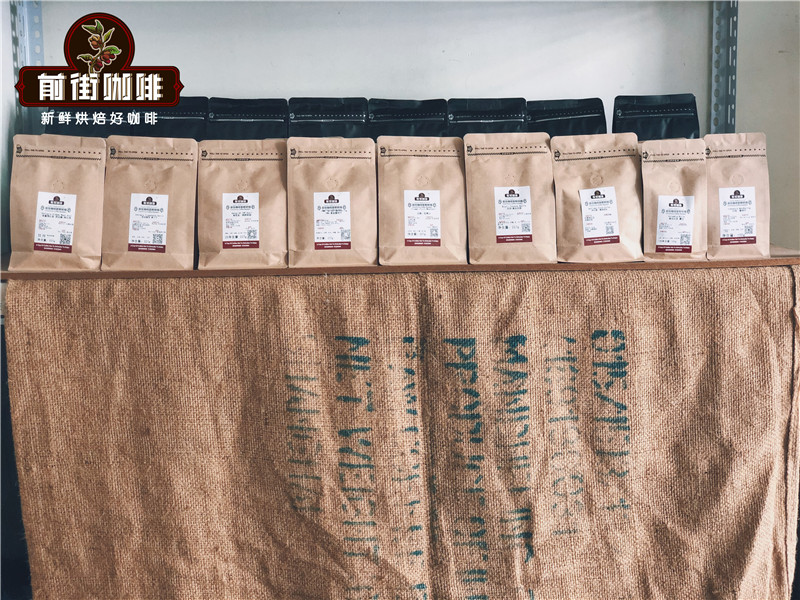
Brazil shares borders with ten countries: Uruguay, Argentina, Paraguay, Bolivia, Peru, Colombia, Venezuela, Guyana, Suriname, and French Guiana. You have probably also heard of Bolivian coffee from its neighbor Bolivia. So will the flavor profiles of Brazilian and Bolivian coffee beans actually be similar? In this article, FrontStreet Coffee compares the flavor characteristics of beans from these two producing countries.
Latest News from Brazilian Coffee Regions in 2020
According to Coffee Financial Network reports, recent drought conditions in Brazil may cause significant damage to Brazilian coffee production. In many areas the damage has reached 50%. Although it is still impossible to estimate next year's exact Arabica output, at the estates FrontStreet Coffee visited, some areas may suffer 30% damage, some 50%, and some even as high as 100%. This drought will inevitably affect coffee bean prices in 2021.
About Brazilian Coffee
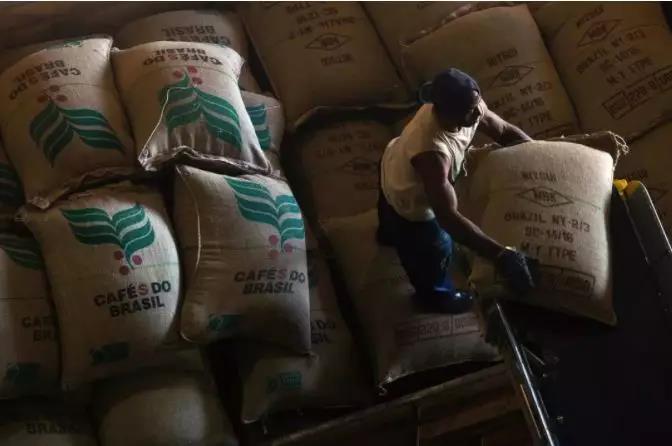
Brazil has been vividly described as the "giant" and "monarch" of the coffee world. The country is home to roughly 3.97 billion coffee trees, and smallholder farmers now grow 75% of its total coffee production. The number of people working in coffee in Brazil is two to three times that of Colombia, the world's second-largest producer. Unlike in the past, Brazil's economy now depends less on coffee: the crop accounts for only 8%–10% of the gross national product. Before World War II, Brazil produced 50% or more of the world's coffee; today that share is close to 30%. Even so, the country's influence on the global market — especially on prices — remains enormous. The two frosts of 1994, for example, sent coffee prices around the world surging.
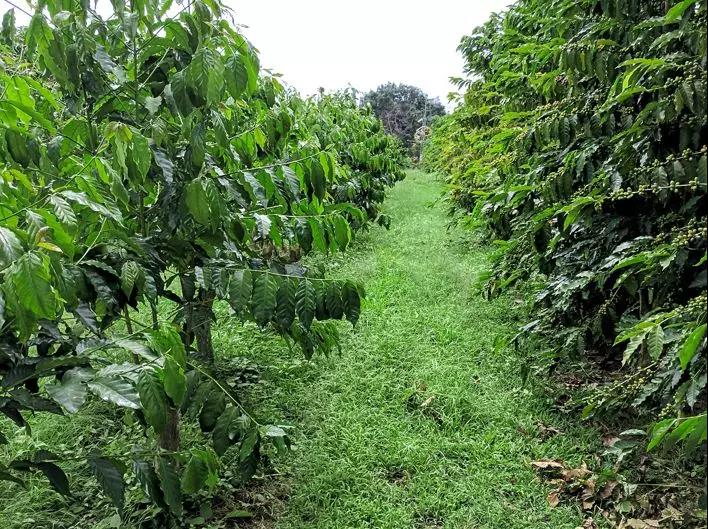
Since the free market opened in 1990, the former Brazilian Coffee Institute (IBC) was replaced by the National Economic Association, a non-investment administrative body. This association follows a non-intervention policy, letting producers and exporters negotiate directly. Exporters' business activities are supervised by government legislation, and the relevant departments register legitimate exporters. Most Brazilian coffee is unwashed (natural) and sun-dried, classified by state of origin and shipping port. Brazil has 21 states, 17 of which grow coffee, but just 4 states account for 98% of the national total: Paraná, São Paulo, Minas Gerais, and Espírito Santo. Southern Paraná once had the most impressive output, contributing 50% of the total.
About Bolivian Coffee
Bolivia has a long history of coffee cultivation. In the old days, coffee trees were often planted around gardens as decorative hedges, and real commercial production only began in the early 1950s. The great frost of 1957 devastated Brazil's coffee industry, and Bolivia benefited, developing rapidly. Production at that time was run mainly in the style of large farms. However, between 1932 and 1983 Bolivia was beset by internal and external troubles and political turmoil, and its coffee industry stagnated or even regressed. In 1991, a stabilized Bolivian government, seeking to revive the national economy, encouraged indigenous communities to join coffee cultivation programs — though quality was not a priority at that stage. Poor national infrastructure and difficult transportation further limited the development of the coffee industry.

Bolivia's famous Yungas region lies in the Andean hills directly east of La Paz and is a rugged agricultural zone. The roads into the Yungas are treacherous, making coffee transport difficult. Although the region produces abundant coffee, its processing facilities are very backward, so coffee cherries from the Yungas must be hauled to areas at higher altitude than the growing zone itself for processing. Because of the steep terrain and winding mountain roads, transit times are long, and the cherries cannot be properly stored en route, leading to rot and mold. A single spoiled cherry can affect most of the others, so only a small proportion of cherries ultimately make it to exportable beans — which explains why Bolivian coffee commands such a high price.
Brazilian Coffee Bean Flavor
Brazil is a low-altitude producer, with coffee cultivated at only 900–1100m. FrontStreet Coffee often points out that beans grown at higher altitudes develop better flavor and harder bean density. Meanwhile, Brazil's flat terrain lacks microclimates, and the sun-exposed cultivation without intensive care gives Brazilian beans their distinctly soft character. After cupping Brazilian coffees from different regions, FrontStreet Coffee finds them low in acidity, with prominent nut and cocoa notes. Because much of what is grown is Bourbon, the beans also show obvious sweetness with a sugarcane-like quality.

FrontStreet Coffee · Brazil Cerrado Pulped Natural Red Bourbon Coffee Beans
Region: South Minas, Brazil
Altitude: 1000m
Variety: Red Bourbon
Processing: Pulped Natural
Bolivian Coffee Bean Flavor
The Yungas region reaches altitudes of up to 2500m. FrontStreet Coffee finds that coffee from this area usually carries deep, rich sweetness, gentle citrus acidity, and alternating notes of dark fruits and berries. Compared with Bolivian coffee grown at lower altitudes, it shows a more balanced cup, excellent chocolate sweetness, mild acidity, and malt and dried-fruit flavors.

FrontStreet Coffee · Bolivia Java Coffee Beans
Region: Valiqui Estate, La Paz, Bolivia
Altitude: 1600m
Variety: Java
Processing: Cocoa Natural
From the flavor descriptions above, we can see just how much altitude matters to a coffee's flavor expression — provided, of course, that the variety being grown is an Arabica one.
Brazilian Coffee Bean Varieties
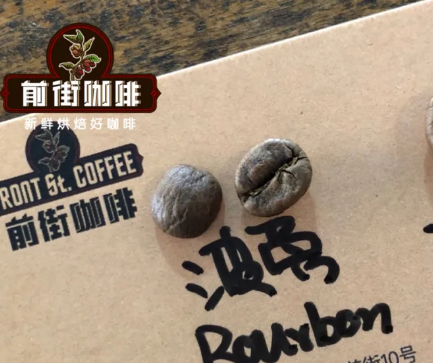
Bourbon is a sub-species that mutated from Typica, and together with Typica it belongs to the oldest coffee varieties still in cultivation. When ripe, its green fruits turn bright red. Bourbon grown at high altitude usually shows better aroma and brighter acidity, sometimes even wine-like flavors. Bourbon grown at low altitude, by contrast, leans on its sweetness advantage, bringing a sugarcane-like clarity to the cup.
Bolivian Coffee Bean Varieties
The variety locally known as "long beans" in Bolivia takes its name from its elongated shape; its official name is Java. Java is a fascinating variety. For a long time everyone assumed Java was a Typica mutation, but genetic comparison revealed that it is actually an Ethiopian variety called Abyssinia. Java produces very long fruits and seeds, its young shoots are bronze-colored, and the plants are tall but low-yielding. Thanks to a flavor that rivals Geisha, plus stronger resistance to leaf rust and coffee berry disease, it is well suited to smallholder growers.
FrontStreet Coffee Brewing Comparison
To keep the comparison fair, FrontStreet Coffee used the Kono dripper for both coffees. The Kono's deep rib design slows the flow during extraction, creating a partial immersion effect that boosts body. Because of that immersion character, the water temperature should not be too high — FrontStreet Coffee used 89°C water. The coffee-to-water ratio was 1:15, with a medium-coarse grind (coarse sugar texture).

FrontStreet Coffee's Segmented Pouring Method
First, pour 30g of water to fully saturate the grounds into a "hamburger" shape and bloom for 30 seconds (if no "hamburger" forms, check whether the beans are stale or the grind is too coarse). For the second stage, at 54 seconds on the timer, pour up to 125g, then wait for the water level to drop to about two-thirds of the grounds bed before the third pour (this stage draws out the acidic and sweet compounds). The third stage brings the total to 225g at 1'40" on the timer, with a total extraction time of 2'10" (this stage extracts the mellow, body-building compounds). Once extraction is complete, swirl the brew gently and let the coffee homogenize before tasting.
FrontStreet Brazil Cerrado Red Bourbon — Brewed Flavor
On the first sip there is obvious sweetness with a faint lemon aroma, backed by rich nut flavors, and clear dark chocolate notes in the finish. The overall impression is round and smooth.

FrontStreet Bolivia Java — Brewed Flavor
At high temperature there is a slight fermented edge with grape-like sweet-sour notes. As the cup cools, nut and white-floral aromas emerge. The coffee shows medium acidity overall with a juicy texture.
FrontStreet Coffee Recommendation
If this comparison has you curious about Brazilian beans, FrontStreet Coffee's Brazil Cerrado Red Bourbon is the classic place to start: a pulped natural lot from South Minas with moderate acidity and a beautifully balanced sweetness, bitterness, and body. Medium roasted, it releases a rich nutty aroma with notes of creamed peanuts, toast, caramel, and hazelnut, and stays smooth and round in the cup — no sourness, just a light pleasant bitterness. It works wonderfully as a pour-over single origin, but it is equally at home in a moka pot, siphon, French press, or even as an espresso SOE. And if you want to explore more of what Brazil can do, FrontStreet Coffee's Queen Estate Yellow Bourbon from the Mogiana region offers a cleaner fruit character with a distinctive sugarcane sweetness alongside chocolate and fruit notes — a lovely contrast to the Cerrado profile described above.
Important Notice :
FrontStreet Coffee is a long-established specialty coffee roaster in Guangzhou China, selling freshly roasted beans from its own farm in Yunnan as well as dozens of carefully selected single-origin beans from around the world for both pour-over and espresso. The products deliver consistently excellent quality and great value, with shipping within 24 hours. Guangzhou's FrontStreet Coffee shop is recommended by many coffee lovers, and the beans are now available online at the Tmall 。
FrontStreet Coffee has moved to a new address:
FrontStreet Coffee Address: 315,Donghua East Road,GuangZhou
Tel:020 38364473
 Scan and follow the En Gafei WeChat official account. Please indicate that the reprint comes from "En Gafei".