How to Brew Delicious Coffee with a Siphon Pot: Step-by-Step Guide to Making Siphon Coffee with Coffee Grounds
FrontStreet Coffee is a place for professional coffee knowledge exchange and coffee bean information.
How to Brew Siphon Coffee with Coffee Grounds?
Immersion extraction, as the name suggests, works by letting coffee grounds steep in hot water for a period of time, dissolving and diffusing until the coffee's flavor and aromatic compounds are released—completing the extraction before any bitterness emerges. Compared with pour-over, immersion leaves you with fewer variables to juggle. Common immersion devices include the French press, siphon pot, and AeroPress. The most widely used is the French press: it is dead simple to operate, needs no filter paper, and quickly produces full-bodied, rich coffee, which is why it is so popular.
That said, going immersion does not mean skipping filtration. The AeroPress, for example, needs filter paper or a metal filter to strain the brewed liquid; siphon makers come with filters built from a spring hook, mesh screen, and filter cloth, though filter paper or metal filters can be swapped in. Filters change flavor, too: AeroPress coffee through filter paper tastes different from AeroPress through metal. Because paper absorbs oils, the metal-filter version has fuller body; meanwhile, siphon coffee through a metal filter occasionally picks up metallic notes that make the cup taste sharper, whereas ceramic filters give a comparatively smoother mouthfeel and are less likely to hold onto flavors.
Although immersion removes the pouring variables of pour-over, the choice and handling of equipment still shape the final cup enormously. Each brewing device has its own process, populated with variables such as grind size, water-to-coffee ratio, water temperature, and brew time. To find your favorite flavor profile, set different values for each variable and experiment step by step until you find the combination that consistently extracts the flavors you want.
The mouthfeel of siphon coffee varies not only with the beans themselves but also with how heat is applied, creating high-, medium-, and low-temperature phases during the brew and thus rich flavor variation. At first sip, sweetness arrives first, with acidity appearing as the temperature eases down; at high temperatures the coffee aroma is intense, and once the cup cools to around 70°C, the beans' inherent depth of flavor gradually comes fully into view.
FrontStreet Coffee Shares Four Steps for Siphon Brewing:
1. Insert the Filter
First, place the filter in the upper chamber, pull the filter spring out through the bottom of the tube, hook it onto the tube base, then use the stirring rod to center the filter.
2. Heat
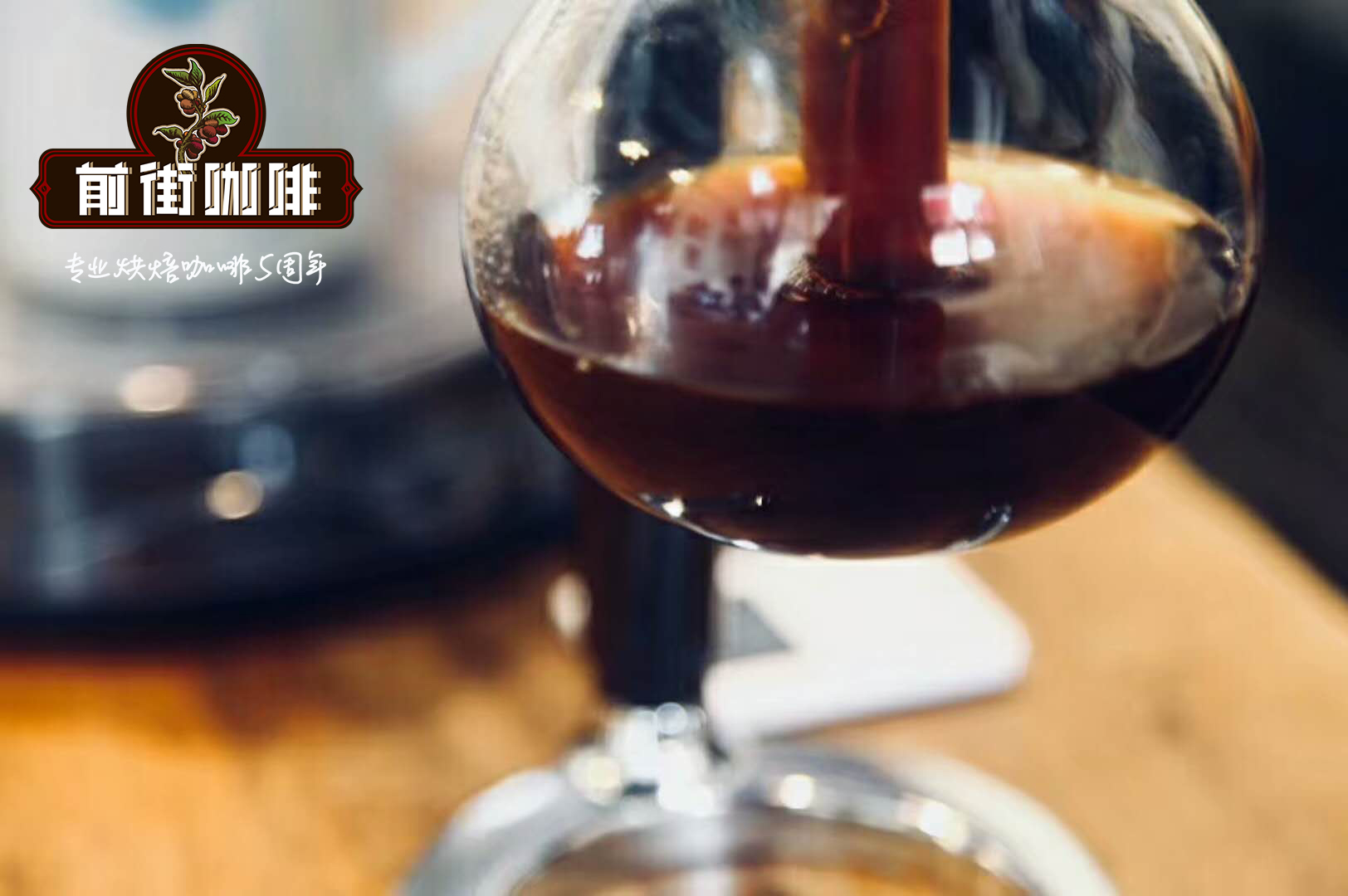
With the upper and lower chambers connected, ignite the heat source to warm the water in the lower chamber. Keep heating until thermal expansion of the trapped air pushes the water up into the upper chamber. Watch the bubbles rising to the surface: large bubbles mean the filter is not sitting level. Use the stirring rod to adjust it until the seal is tight and gap-free.
3. Add Grounds and Stir
When most of the hot water has risen into the upper chamber, adjust to your desired heat level, add the grounds, start timing, and begin stirring. Stirring is the crucial step for even extraction. First use the stirring rod to gently press the grounds down in sections so they sink, then stir in circular motions to fully wet them, letting the grounds contact enough water to release their compounds properly. Stir a second time at around 20-30 seconds. Aroma will keep releasing throughout the brew; total brewing time is roughly 50 seconds to 1 minute.
4. Stop Heating
Once the heat is off, the gas contracts, pressure falls, and the brewed coffee in the upper chamber falls back down through the siphon principle (wrapping the lower chamber with a damp cloth speeds up the contraction). After use, soak the lower chamber in hot water to remove oily residue; for a deeper clean, use cleaning enzymes or baking soda.
FrontStreet Coffee Shares Tips for Brewing Siphon Coffee:
Heat control is the most critical variable in siphon brewing. In practice, alcohol lamps demand wick adjustments and are hard to govern; gas burners deliver strong heat but heat unevenly—park the flame to one side and move it frequently to modulate the heat; halogen lamps give the most stable heating because they have no flame at all.
FrontStreet Coffee Recommendation
Immersion brewing pairs beautifully with the right beans. Because the siphon—like the French press—steeps grounds in hot water for an extended contact time, light roasts will yield elevated acidity that can mask their delicate florals and layered subtlety; medium or darker roasts express sweetness and caramel-type flavors far better in full immersion.
If you love fragrant, sweet coffees, choose FrontStreet Strawberry Candy: this Geisha blend combines honey-processed Costa Rica with washed Panama Geisha, gathering the finest flavor traits of Central American coffee. Steeped in a French press, it releases rose, citrus, grape, and dried blueberry aromas, and with milk it turns to strawberry soft candy.
For a low-acid black coffee with a full layer of crema, first choice is FrontStreet PWN Golden Mandheling—one of Asia's most famous specialty coffees. It passes three hand sortings plus one machine sort, leaving the beans uniform and translucent; after a medium-dark roast the large beans carry rich spice, caramel, cedar, and dark chocolate aromas, and as French press it delivers a mellow body with pleasing oils.
Grind size: FrontStreet recommends a coarse-granulated-sugar grind—about setting 10.5 on an EK43s electric grinder or 26 clicks on a hand grinder, like small gravel rather than fine sand. Grind too fine and water extracts too fast; with other immersion devices that may not matter, but in a French press fine particles can push through the metal mesh and leave a heavy sediment in the cup. If you do want more layered flavors with a finer grind, remember to shorten the steep time to avoid over-extraction.
Ratio: the common formula is 1:15 (15g of coffee to 225g of water), which yields a strength in the 1.1-1.2% range—a thicker, fuller taste. Start there, then adjust the dose or water in subsequent brews until you find your own favorite proportion.
Water temperature: another variable to experiment with. Without a thermometer, let boiled water rest 2-3 minutes (depending on room temperature) and brew at about 90 degrees. Since a French press pours all at once and involves no stirring to raise extraction, you may bump the temperature 1-2°C above your usual pour-over temperature to compensate—a temperature-controlled kettle or a thermometer makes this much easier to manage.
Steep time: with no manual stirring to boost extraction, time must do the work—generally 3 to 5 minutes. For darker roasts, 5 minutes can turn bitter and astringent; for light roasts, 3 minutes may be too short to release the flavors. FrontStreet suggests starting at 4 minutes and adjusting from there.
How to use it: remove the plunger assembly, add the ground coffee, pour in 15 times its weight in hot water, stir gently a few times, and rest the plunger on top without pressing. After a 4-minute steep, press the plunger slowly to the bottom and pour the coffee out carefully, leaving the sediment undisturbed—then enjoy your fragrant cup.
Important Notice :
FrontStreet Coffee is a long-established specialty coffee roaster in Guangzhou China, selling freshly roasted beans from its own farm in Yunnan as well as dozens of carefully selected single-origin beans from around the world for both pour-over and espresso. The products deliver consistently excellent quality and great value, with shipping within 24 hours. Guangzhou's FrontStreet Coffee shop is recommended by many coffee lovers, and the beans are now available online at the Tmall 。
FrontStreet Coffee has moved to a new address:
FrontStreet Coffee Address: 315,Donghua East Road,GuangZhou
Tel:020 38364473
 Scan and follow the En Gafei WeChat official account. Please indicate that the reprint comes from "En Gafei".