How Many Milliliters in a Shot of Espresso - Common Espresso Extraction Problems and Correct Methods
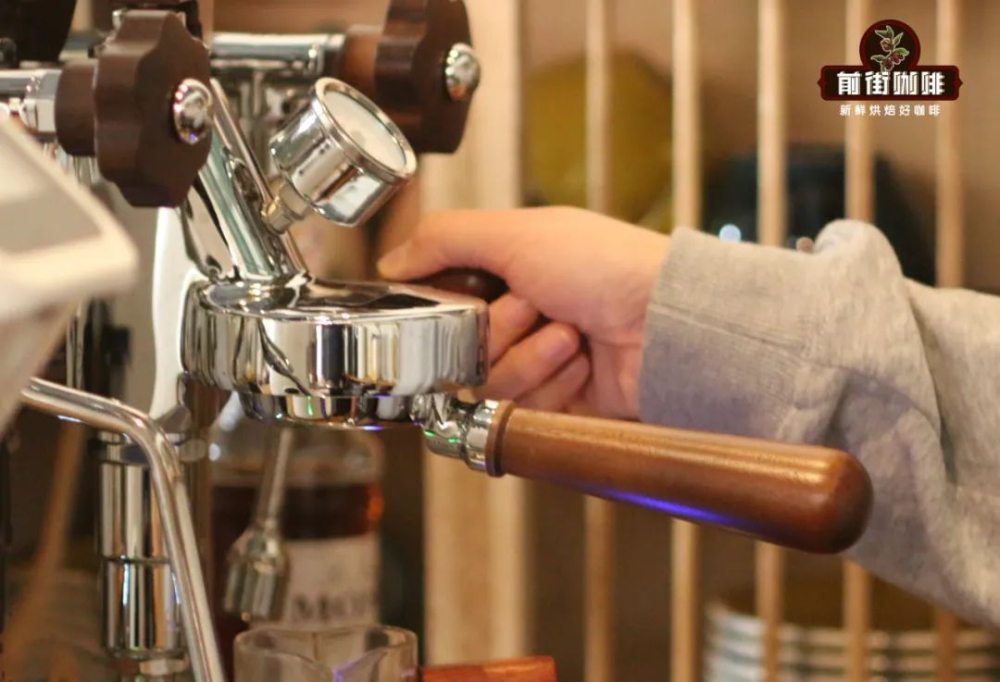
What Is Espresso?
Espresso is a coffee beverage - or a coffee base - that originated in Italy, extracted quickly under high pressure. Traditionally, a single shot measures about one ounce. The classic technical standard calls for roughly 7 grams of freshly ground coffee, water at around 92°C, and about 9 bar of pressure, extracting over 20-30 seconds to produce about 20-30ml of coffee crowned with a layer of golden crema.
As coffee has professionalized, the theory has evolved, and with so many independent cafes now thriving, their extraction recipes differ in subtle ways. By FrontStreet Coffee's house standard, espresso is built on a double shot: 19g of ground coffee extracted to 38g of espresso liquid at a 1:2 ratio in 28 seconds.
Why have most cafes switched from milliliters to grams?
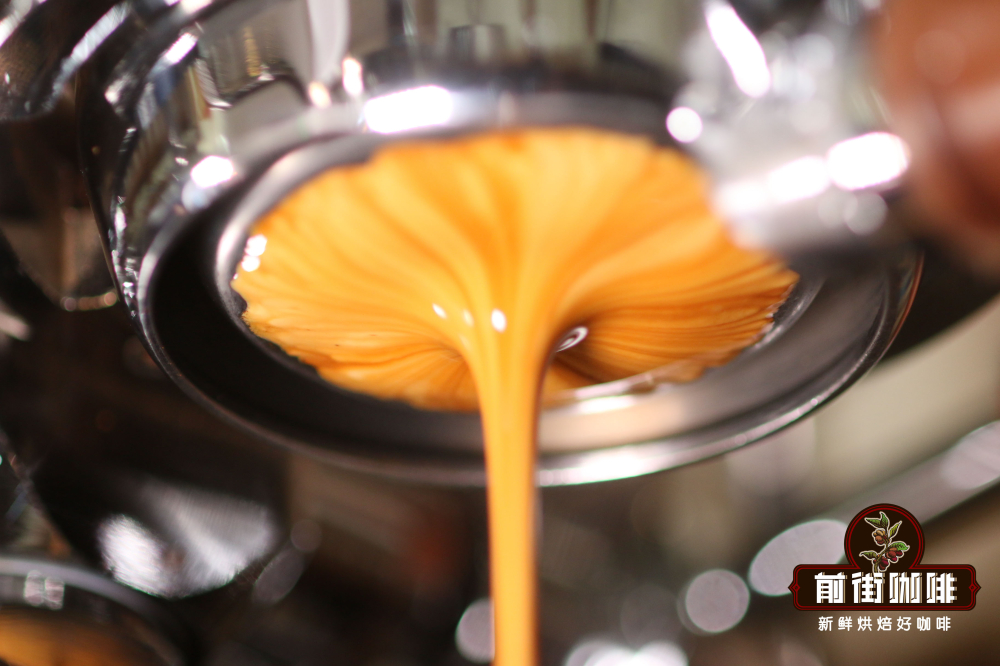
It comes down to density. A cup of espresso consists of dark coffee liquid topped by floating crema, and that crema is low in density but large in volume - and it is never guaranteed to be identical from cup to cup. Measuring by weight is simply more accurate.
How to Recognize Under-Extraction and Over-Extraction
Over-extraction shows up as dark coffee liquid and crema, sometimes with obvious large bubbles floating on the surface. The extraction time usually runs too long (a minute or more), and the first drop may take more than 10 seconds to appear. Common causes include a grind that is too fine, water that is too hot, pressure that is too high, or tamping that is too hard. On the palate, over-extracted espresso tends toward burnt bitterness and astringency.

Under-extraction is the opposite: plenty of aromatic compounds remain locked in the grounds when the shot ends - generally what happens when the extraction yield falls below 18%. The liquid looks pale yellow and may lack crema, the shot runs short (finishing in 15 seconds or so), and the coffee gushes out thin like water instead of flowing in the thick, honey-like stream of a proper extraction. These are all the classic signatures of an under-extracted shot.
Common Espresso Extraction Problems
Beyond the theory, a few practical problems come up again and again at the espresso machine:
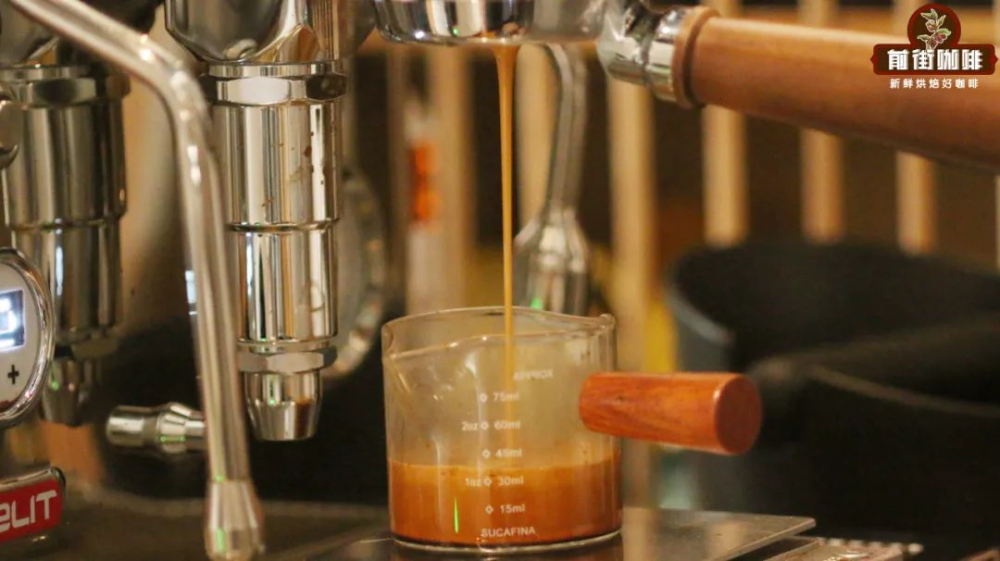
Why does the coffee flow from one side of a double-spout portafilter first?
Three things usually cause this. First, check whether the group head's shower screen is clogged with coffee residue: watch how the water disperses from the group head, and if it skews to one side, clean the group head and shower screen.
Second, check the tamp. If the coffee puck sits high on one side and low on the other, water will channel through the lower side faster and the liquid will emerge from that spout first.

Third, check whether the machine - or the counter it stands on - is actually level. Quite often the first two checks come up clean, and the real culprit is a tilted machine or an uneven bench, which sends the flow out one side first.
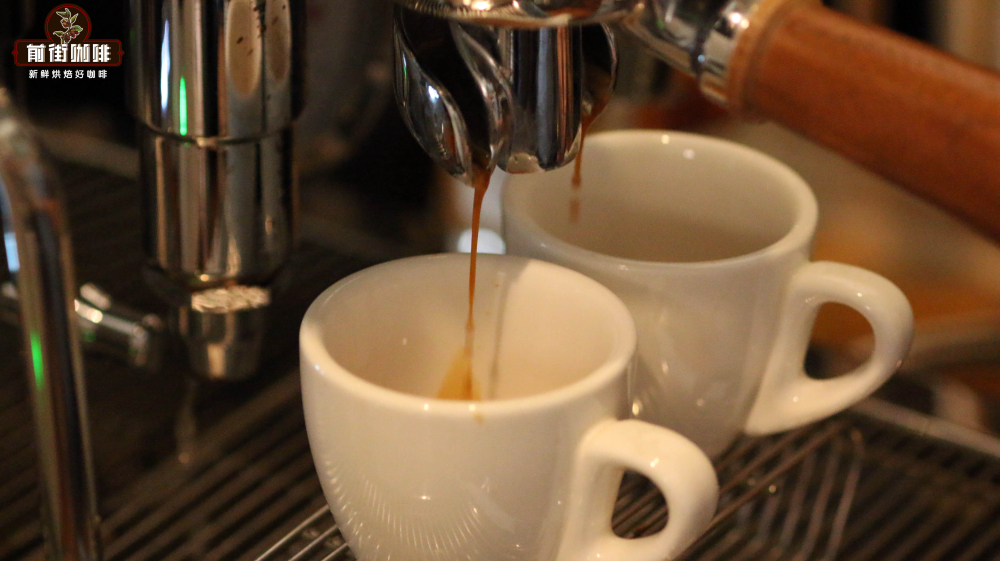
What causes crema to clump?
Crema forms when brewing's high temperature and pressure emulsify the coffee's oils with dissolved gases. If the beans are too fresh, the gas trapped inside them is excessive: the crema becomes too thick and unstable, and after resting it turns rough, then breaks down and clumps.
So if your crema clumps, the beans are probably too fresh. The best fix is patience - let them rest a few more days past the degassing period before pulling shots.
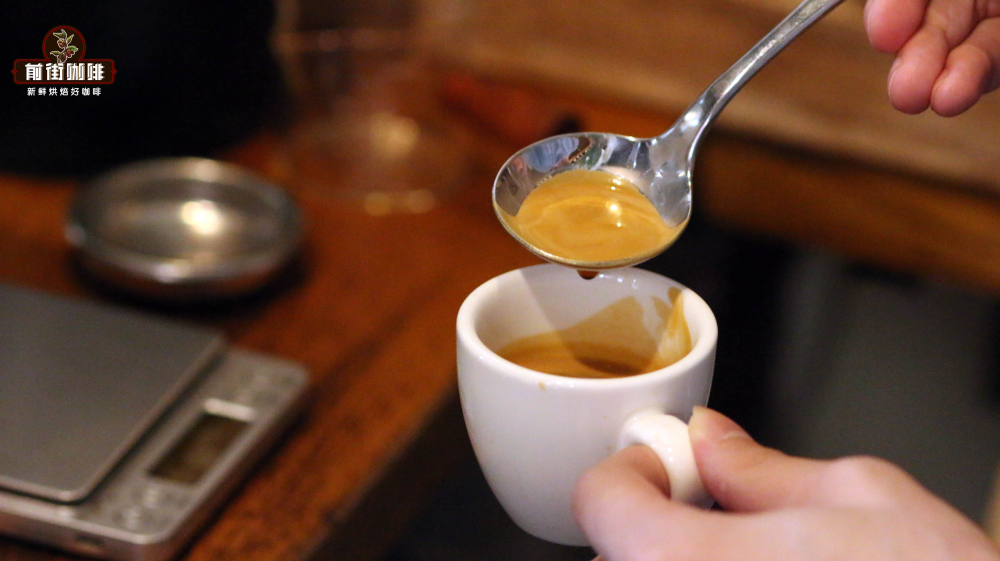
Is tiger-striped crema normal?
Tiger-striped crema means dark speckles across the crema surface, like tiger stripes. Those speckles are very fine coffee particles. They can come from a grinder producing too many fines, basket holes that have widened, or extraction pressure that is too high. Coarse grinding paired with heavy tamping can also push fines down through the basket into the cup, darkening the crema.

In truth, tiger stripes have little effect on flavor. A striped shot usually has a fuller body, but an excess of fines works against it, producing a rough, gritty mouthfeel.
FrontStreet Coffee Recommendation
Espresso is only as good as the beans behind it, and for classic milk drinks FrontStreet Coffee's Classic Blend is the house first choice. Built on the traditional Brazilian-plus-Mandheling formula and designed specifically for espresso machines and moka pots, it produces exceptionally thick, fine crema - even on modest home machines - with a mellow, rounded body that carries butter, nut, spice, dark chocolate, and toast notes. It is forgiving for beginners and reliable for shops alike, whether you are pouring lattes, cappuccinos, or Dirty drinks.
If you prefer to highlight a single origin, FrontStreet Coffee's SOE lineup offers a different direction: the Natural Huakui SOE from Guji Hambela, Ethiopia (grown up to 2300 meters and roasted medium) brings cream, strawberry, cocoa, and black-tea notes; the honey-processed Costa Rica Blackberry SOE is the high-sweetness option, showing cranberry cookie, raisin, and nut flavors over milk; and the Brazil Fazenda Rainha SOE, a yellow Bourbon roasted medium-dark, delivers butter-cookie, macadamia, and toast aromas with the low acidity and extraction stability that make Brazilian coffee an espresso favorite.
Important Notice :
FrontStreet Coffee is a long-established specialty coffee roaster in Guangzhou China, selling freshly roasted beans from its own farm in Yunnan as well as dozens of carefully selected single-origin beans from around the world for both pour-over and espresso. The products deliver consistently excellent quality and great value, with shipping within 24 hours. Guangzhou's FrontStreet Coffee shop is recommended by many coffee lovers, and the beans are now available online at the Tmall 。
FrontStreet Coffee has moved to a new address:
FrontStreet Coffee Address: 315,Donghua East Road,GuangZhou
Tel:020 38364473
 Scan and follow the En Gafei WeChat official account. Please indicate that the reprint comes from "En Gafei".