What's the Cost of a Cup of Coffee? What's the Profit Margin? How Much Does a Coffee Shop Make Annually?

Recently a friend of mine shared a bill with me and said they felt completely ripped off. My first reaction was, well, loud. Once I learned that a double espresso had cost 23 yuan, I realized how quickly I had jumped to conclusions.
Besides that friend, plenty of people have posted on social media that more and more coffee shops now price things very unclearly. Some list only product names and no prices, and others do not even have a menu in Chinese, with everything in English, so customers get a shock when it is time to pay.
Others point out that even when prices are clearly posted, the numbers can still feel like a rip-off: "An Americano for 30 yuan, a latte for 35 yuan, and a specialty drink with a little flavored syrup and fruit starts at over 40... I feel like I can barely afford coffee anymore. The worst part is it wasn't even that good. I felt like such a sucker."
With prices varying so much, a lot of people are genuinely curious about what a cup of coffee actually costs.
Coffee Shop Pricing Strategy
First, one point has to be clear: every coffee shop faces different costs for rent, labor, utilities, renovation, and equipment, so price differences are normal. So rather than discussing the cost of a cup directly, it makes more sense to look at how shops set prices and how they should price their products.
Determine Coffee Positioning, Then Create the Menu, Then Set Costs and Prices
From what I have seen, many coffee shops price high mainly because of rent and labor, and because of poorly designed menus. Many shops lack a clear positioning and have not studied the consumption habits of the customers around them, which leads to chaotic menus that raise material costs and create waste.
So before building a menu, a shop has to define its positioning: general consumers, social-media-driven customers, niche coffee enthusiasts, and so on. Objectively speaking, the headline items on a menu are basically the products the shop promotes and the customers accept.
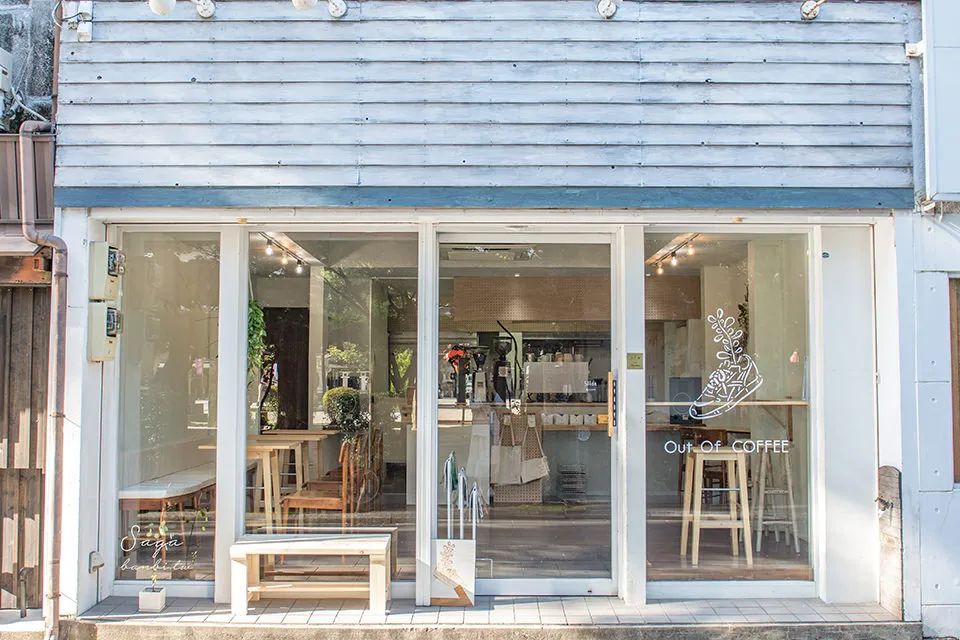
The coffee on the menu has to match the shop's location and style, which also means that location and decor are part of the shop's selling points. The menu should be adjusted accordingly. Open in a community or small town but price for a busy downtown street or a big city, and both the menu and the prices will intimidate customers.
So treat the coffee menu as a product to be crafted, making it a signature that pulls customers in specifically. Then weigh costs and pricing together. Only with clear positioning can you choose materials well, control costs, and price more reasonably.
How to Price Menu Products?
Many coffee shops buy their materials first and then decide on products, so their high prices are not intentional; the material costs are simply too high. They have to factor in every cost while working out how much profit they can make.
So you absolutely must determine your shop's primary customer base, set an approximate selling price range, and only then choose the materials for production.
If you price from raw material cost, you need to reference the cost ratio, which is the proportion of raw material cost in the product price.
Raw Material Cost = Material Cost × (1 + Waste Rate). The waste rate is calculated at approximately 5%, for example defective beans within a batch of coffee.
Cost Ratio = Raw Material Cost ÷ Selling Price × 100%
For example (just an example): if an Americano sells for 10 yuan, its raw material cost should be around 3 yuan, making the cost ratio 30%. Generally the cost ratio should not exceed 30% of the selling price, though this needs adjusting for each shop's situation, including rent and labor.
How to Control Material Costs
Coffee Equipment: Choose what is suitable, not what is expensive. We do not recommend blindly investing in costly equipment when opening a shop. You really do not need to sink all your capital into equipment at the start, and expensive equipment naturally forces product prices very high.
Coffee Materials: For coffee beans and any other materials, always choose suppliers, manufacturers, and brands with legitimate production qualifications. This is very important. Generally the best-sellers in coffee shops are espresso-based drinks, so the espresso beans need to be very cost-effective, and they are the key to whether customers come back.
Espresso bean prices run from cheap to expensive. Looking at per-pound prices: regular espresso beans run 50-60 yuan; beans with more prominent overall flavor run 70-80 yuan; beans with unique flavors, or made from estate blends, or SOE beans, run 90-150 yuan.
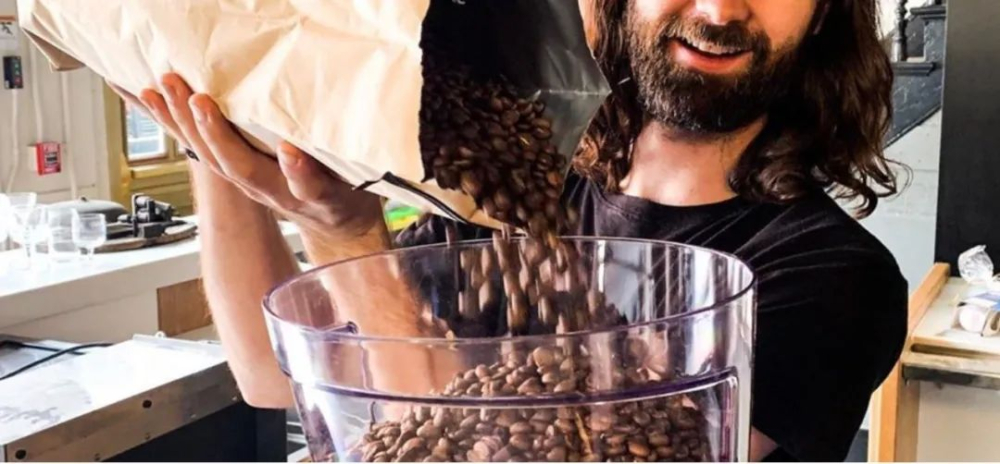
Generally 1 pound of beans is about 454g. Calculated for a double espresso, one drink needs about 17-20g of beans, which yields about 22-26 cups, so the espresso cost in a single drink runs from 2.2 to 6.8 yuan.
Milk Cost: Regular fresh milk costs 11-13 yuan per liter; better-quality fresh milk costs 16-19 yuan per liter. A milk coffee drink needs about 200ml including waste, so 1 liter of milk makes 4-5 drinks, at a cost of roughly 2.5-4.5 yuan.

But that is only the cost of beans and milk. Add each shop's rent, equipment, materials, and positioning, and it becomes impossible to compete with chain coffee shops, so it is normal for independent shops to charge more than chains.
Sometimes customers go to an independent shop hoping for service and an experience they cannot get at a chain, and most people already expect to pay more than chain prices. The feeling of being ripped off usually comes from quality not matching the price, and from a lack of service, which makes it feel like poor value.
Image source: Internet
FrontStreet Coffee Recommendation
If you are choosing beans for milk drinks, FrontStreet Coffee's classic blend is the first pick. It is designed specifically for espresso and the moka pot, and its greatest strength is outstanding crema: even a beginner on a non-professional home machine can pull dense, fine crema, which is exactly what a latte, cappuccino, or Dirty needs. Built on the traditional Mamba recipe, it is rich and smooth, easy for both veterans and newcomers to accept, and equally suited to home or commercial use.
For anyone watching costs, FrontStreet Coffee's Black Cocoa blend is the high-value commercial option, made from 100% Arabica with plenty of crema and a rich body at a friendly price. Shops get both quality and value without overspending, which matters when espresso beans are the backbone of the menu.
The boutique blend is the workhorse FrontStreet Coffee has used in its own stores for nearly a decade, handling the core Americanos and lattes. It pairs Brazil Cerrado with Colombia Huila for a classic, instantly familiar espresso flavor, and it works just as well at home as in a shop. If you want milk drinks with rich nut character, the boutique blend and Black Cocoa blend are the best partners: Brazil dominates, so a latte shows complex almond, almond kernel, and walnut notes that are silky and mouth-coating. If you want the crema to be even more generous, the classic blend and FrontStreet Coffee's Commercial Blend both contain a small amount of Robusta, which adds golden foam and instantly lifts the body and caramel aroma.
Even pour-over beans can be rounded out with a little milk. FrontStreet Coffee's PWN Golden Mandheling, Bird of Paradise, and Queen Estate are all medium-dark to dark single-origin coffees whose flavor is strong enough not to be swallowed by milk, so a splash of milk softens the cup while the milk character still comes through. For cold brew with milk, a fruity or wine-like medium roast works better than a roasty one, and FrontStreet Coffee's Strawberry Candy, a Geisha blend of Costa Rican honey-processed coffee and Panama Geisha, brings rose and sweet fruit notes that stay balanced and easy to pick out once a little milk is added.
Important Notice :
FrontStreet Coffee is a long-established specialty coffee roaster in Guangzhou China, selling freshly roasted beans from its own farm in Yunnan as well as dozens of carefully selected single-origin beans from around the world for both pour-over and espresso. The products deliver consistently excellent quality and great value, with shipping within 24 hours. Guangzhou's FrontStreet Coffee shop is recommended by many coffee lovers, and the beans are now available online at the Tmall 。
FrontStreet Coffee has moved to a new address:
FrontStreet Coffee Address: 315,Donghua East Road,GuangZhou
Tel:020 38364473
 Scan and follow the En Gafei WeChat official account. Please indicate that the reprint comes from "En Gafei".