Introduction to Colombian Coffee Regions and Main Varieties?
Many people first met Colombian coffee through espresso blends. For a long time, Colombia's distinctive topography, combined with its low latitude and high altitude, has given coffee trees an excellent growing environment and made the country very well suited to Arabica cultivation. It is the world's second-largest producer of Arabica coffee beans.
In the past, Colombia concentrated on the commercial coffee bean market with little thought for flavor profiles, and quality was not especially stable. As a result, most coffee shops would roast dark and then blend with beans from other regions to build espresso blends that were rich without being overpowering, while keeping a subtle fruit acidity.
By the late 1990s, as the specialty coffee market was taking shape, Colombia saw little potential in it and did not begin focusing on specialty production until 2001. Because of that early indifference, when the specialty market took off, Colombian beans were largely overlooked, still used mainly in blends and struggling to stand out.
Colombia's climate and environment, however, and the fact that most coffee grows at 1,200-1,900 m, meet the requirements for specialty coffee. So as demand grew, Colombia came under increasing pressure from the specialty market.
Colombian Coffee Growing Regions

Colombia sits between 3° and 8° north latitude, within the low-latitude coffee belt. The defining feature of low-latitude regions is abundant rainfall year-round with no drought, and average monthly temperatures of 25-28°C. Coffee trees can grow all year in such conditions and fruit heavily, which is why Colombia harvests Arabica twice a year.
To supply the market with better Arabica, Colombia divides its production into two categories: specialty coffee bean regions and commercial coffee bean regions.
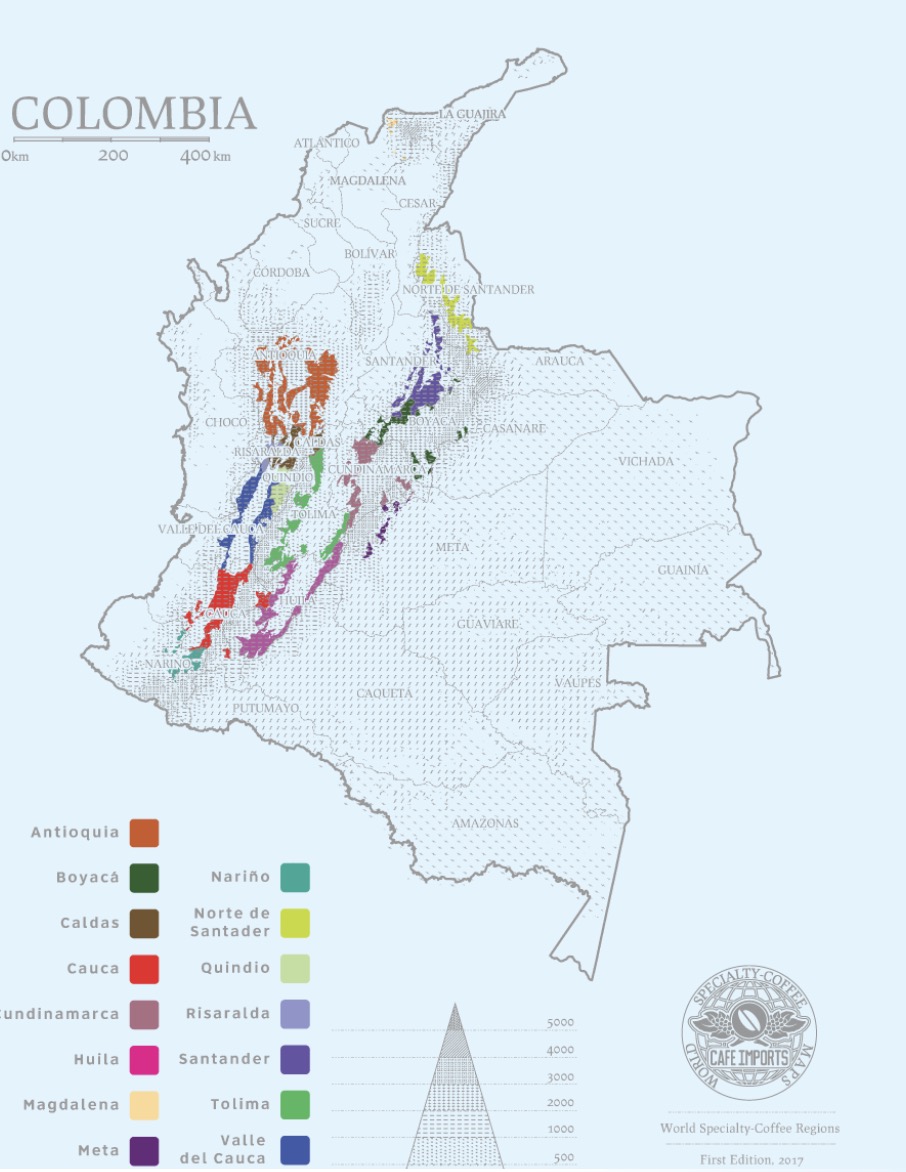
Specialty beans are grown mainly in regions above 1,500 m in southern Colombia, including Cauca, Huila, Meta, Tolima, and Nariño provinces. Beans from these areas show delicate berry aromas and acidity along with caramel-like sweetness. FrontStreet Coffee currently sells Colombian beans mostly from southern regions at 1,500-1,800 m.
Commercial beans are grown mainly in central and northern Colombia, including Medellín, Armenia, and Manizales. Beans from these areas have the typical Central American profile: mild fruit acidity with nutty and caramel aromas.
Colombian Coffee Varieties
Caturra and Catuai are the most common varieties in Colombia. Beyond them, some well-known local estates grow Geisha and other newer varieties such as Colombia (yes, that is a variety name) and Castillo.
Caturra is a natural variant of the Arabica Bourbon variety, discovered in Brazil in 1937. Its plant is shorter and smaller than Bourbon. Since it descends from Bourbon, it has relatively weak disease resistance but yields more than Bourbon. Although it was discovered in Brazil, Caturra is not well suited to Brazilian conditions and was never widely planted there; instead it became popular across Central and South America, with large-scale plantings in Colombia, Costa Rica, and Nicaragua.
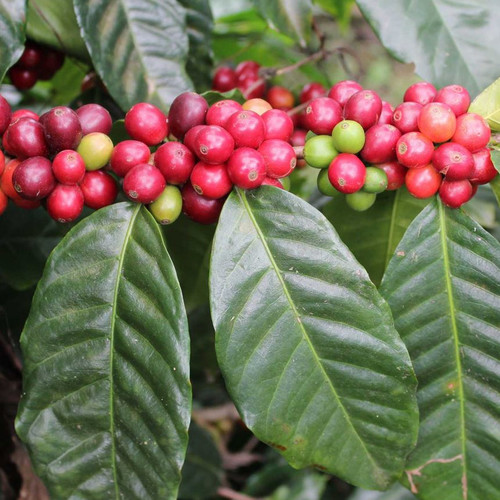
Catuai is a hybrid created by crossing Caturra with Mundo Novo. It resists natural disasters well, especially wind and rain. Catuai plants are relatively short, and compared with other coffee trees their fruit grows more densely and is harder to pick. The fruit comes in both red and yellow forms, and to date no significant flavor difference has been found between them. Some cuppers have found that although coffee processed from yellow fruit may have good acidity, its cleanliness is often inferior to that of red fruit.
Castillo: beginning in 1961, CENICAFE began researching the Timor variety, which has Robusta lineage. CENICAFE continued its work and released the second disease-resistant variety, Tabi — a hybrid of Typica, Bourbon, and Timor — in 2002. In 2005 it released Castillo, its most successful disease-resistant variety to date. After the massive leaf rust outbreak of 2008, Colombia began aggressively promoting Castillo cultivation.
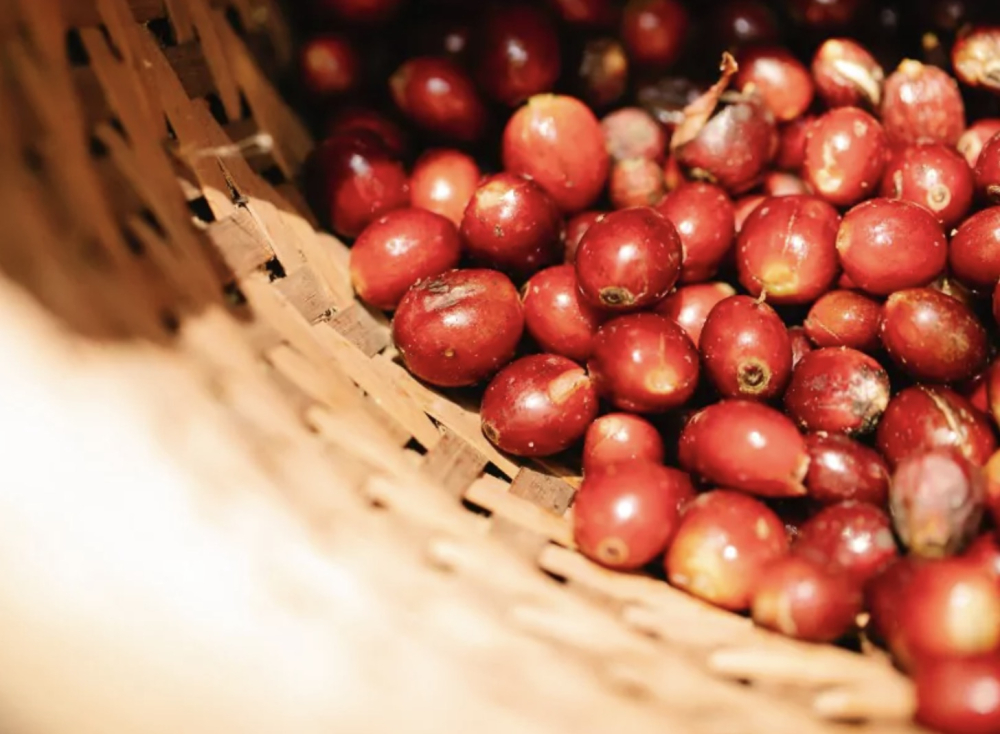
Colombia, the variety that shares the country's name, is a hybrid developed in 2008 from Caturra and Timor lineage, making it a Catimor variety. The FNC insists, however, that although Colombia is a direct descendant of Catimor, its flavor is far more elegant than typical Catimor, because it has gone through multiple generations of backcrossing with Arabica varieties that eliminated Robusta's musty taste. Its flavor is closer to Arabica while keeping Robusta's disease resistance and high yield, making it a powerful tool for raising Colombia's production.
Colombian Coffee Processing Methods
Most Colombian coffee is washed, and specialty coffee is mostly produced by small to medium-scale independent farms. Compared with Brazil's large-scale cultivation, small farms generally produce higher-quality coffee.
After harvest, the cherries are poured into large water tanks. Underdeveloped, low-quality beans float to the surface while mature, full fruit sinks to the bottom, and the defective cherries on the surface are removed.
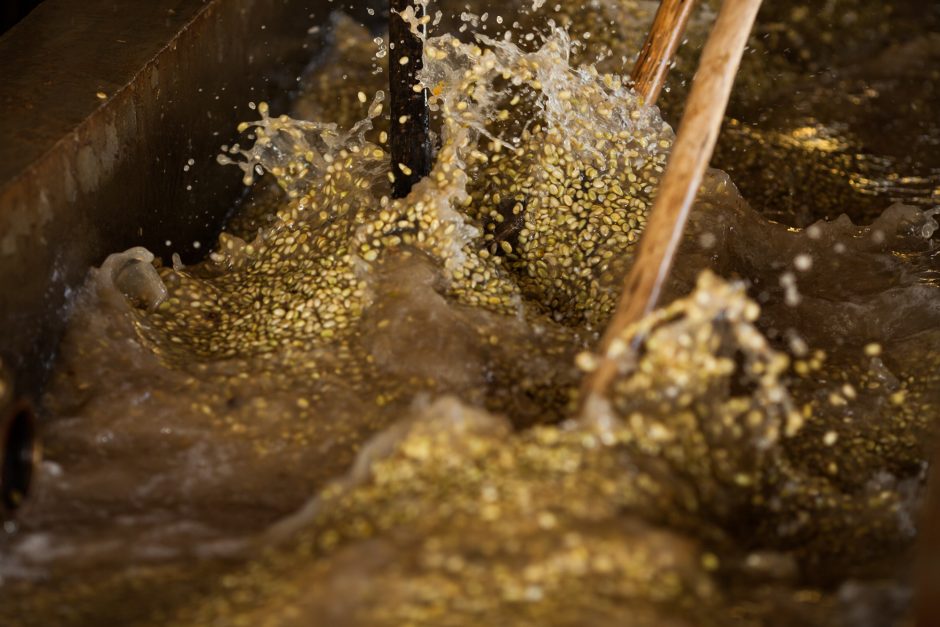
A pulping machine then removes the outer skin and pulp. At this point the beans still carry a slippery layer of mucilage. The mucilage-covered beans go into fermentation tanks for 16-36 hours, during which microorganisms break the mucilage down.
Once fermentation is complete, large amounts of clean water wash away the remaining mucilage. Finally, the cleaned beans are dried in the sun.
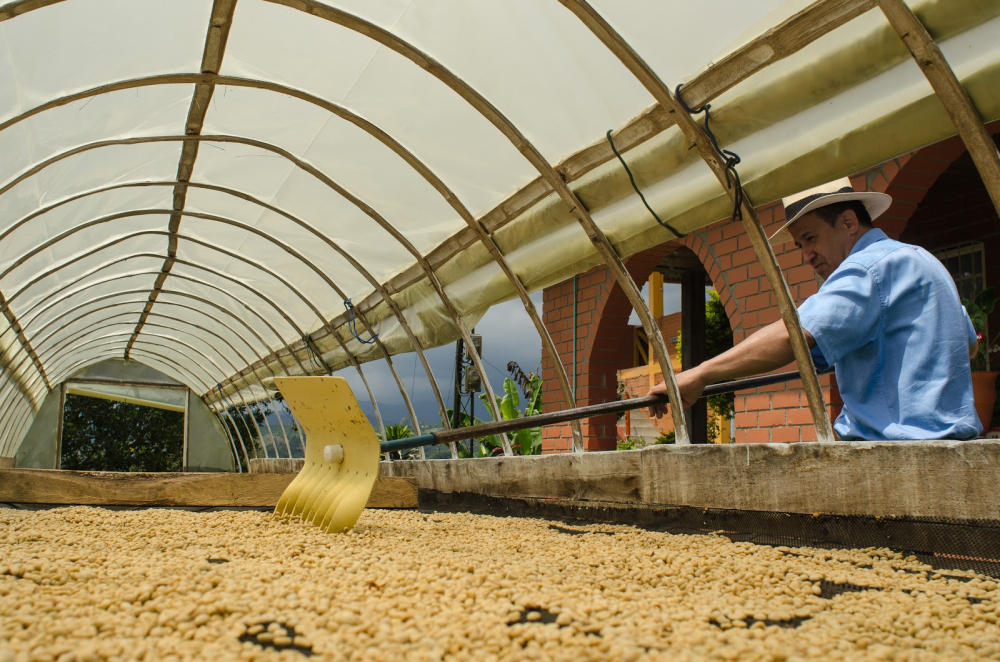
FrontStreet Coffee believes that only washed processing truly reflects a coffee's quality, directly showing its clean, pure flavors. For that reason FrontStreet Coffee has selected a Caturra coffee from the Huila region as an introductory daily bean, letting everyone experience Colombian regional flavor at a very competitive price.
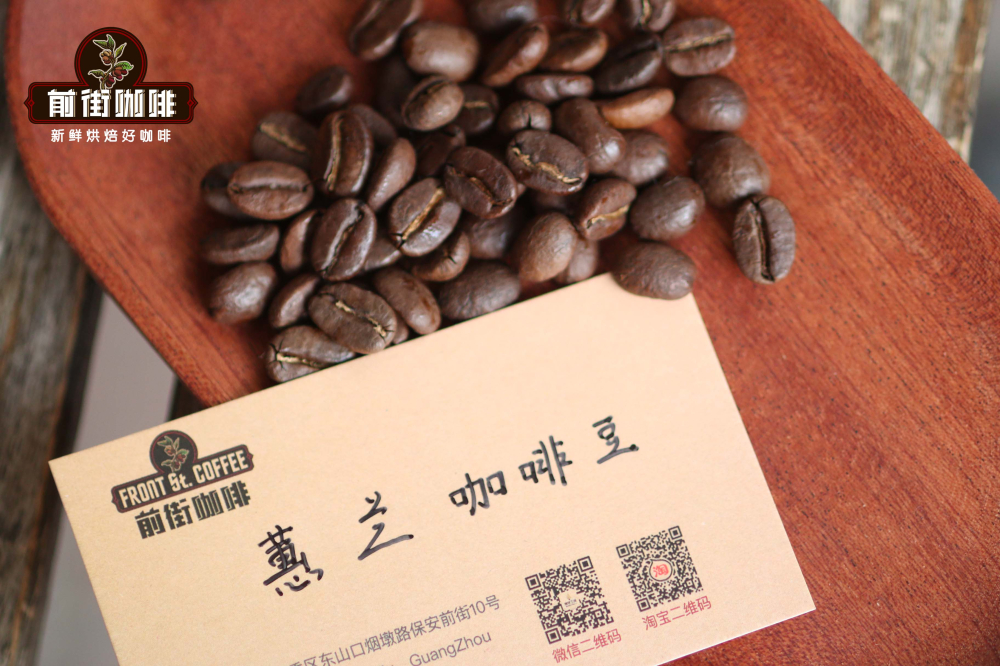
The Colombian Coffee Growers Federation (Federacion Nacional de Cafeteros de Colombia, abbreviated FNC) has also promoted specialty coffee programs with strict quality control for exports. In recent years, many special processing methods have come out of Colombia too, such as barrel fermentation and anaerobic fermentation. Colombian coffee continues to innovate within the specialty world.
Colombian Coffee Grading System
Colombian coffee grading focuses on size rather than flavor. So when you see the highest grade, "Supremo," do not assume it means better taste.
It only indicates that 80% of the beans are size 17 or larger, which has nothing to do with flavor. You need to look at the specific growing region instead. Southern specialty regions usually state the province and the specific origin name; if that information is missing, the coffee is likely commercial grade.
| Grade | Size Standard |
|---|---|
| Supreme Screen 18+ | 95% size 18 and above |
| Supreme | 95% size 17 and above |
| Excelso Extra | 95% size 16 and above |
| Excelso EP | Size 14-16 |
| U.G.Q | Size 14 and above |
How to Roast Colombian Coffee Beans?
FrontStreet Coffee currently sells Colombian coffee beans from the following regions:
FrontStreet - Huila Region Washed Daily Coffee Bean: flavor profile of nuts, dark chocolate, caramel, and mild fruit acidity
FrontStreet - Rose Valley Coffee Bean: flavor profile of roses, peach, and liqueur chocolate
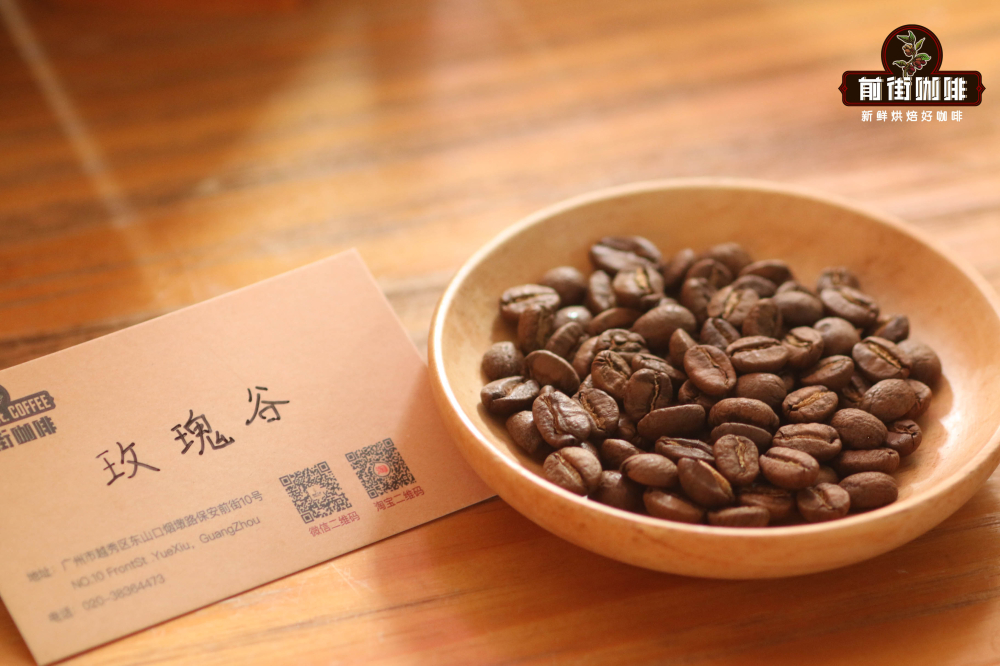
FrontStreet - Flower Moon Night Coffee Bean: flavor profile of strawberry jam, fermented notes, and chocolate
FrontStreet - San Jose Coffee Bean: flavor profile of rum, tropical fruits, liqueur chocolate, and maple syrup
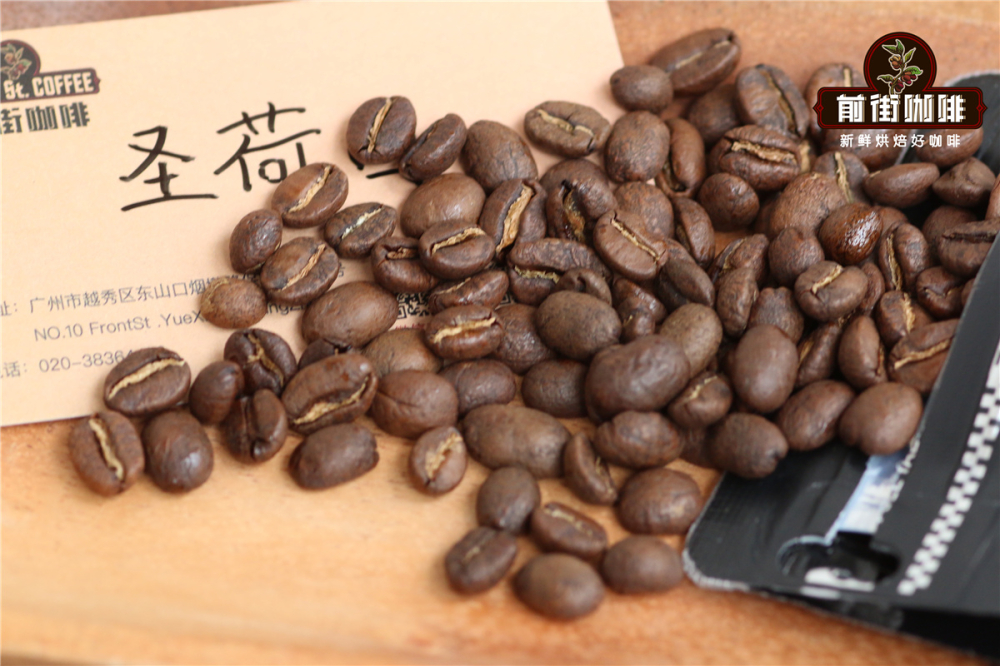
FrontStreet - Sakura Coffee Bean: flavor profile of basil leaves, strawberry jam, berries, and vanilla spices
FrontStreet - Hanami Coffee Bean: flavor profile of pink peppercorn, chamomile, white citrus, honey, and almonds
To preserve the mild acidity of Colombian regional beans and the sweetness from caramelization, FrontStreet Coffee uses a medium roast while extending the time from yellowing to first crack, letting the beans develop better sweetness.
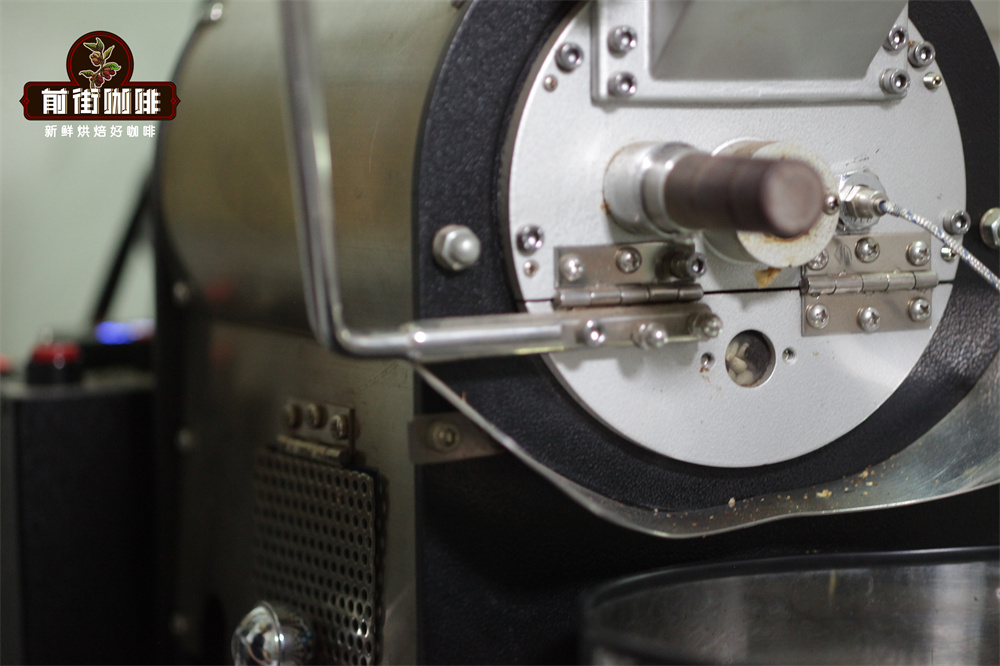
To ensure everyone can experience the aroma of freshly roasted coffee, FrontStreet Coffee guarantees that beans ship within 5 days of roasting.
How to Brew Colombian Coffee Beans?
FrontStreet Coffee brews Colombian regional coffee with a V60 dripper. The 60° conical dripper has relatively large holes, and its unique spiral-ribbed design lets air escape more easily, improving extraction quality.
Water temperature: 90-91°C
Grind size: fine sugar size / Chinese standard #20 sieve with 80% pass-through
Coffee-to-water ratio: 1:15
Coffee amount: 15 grams
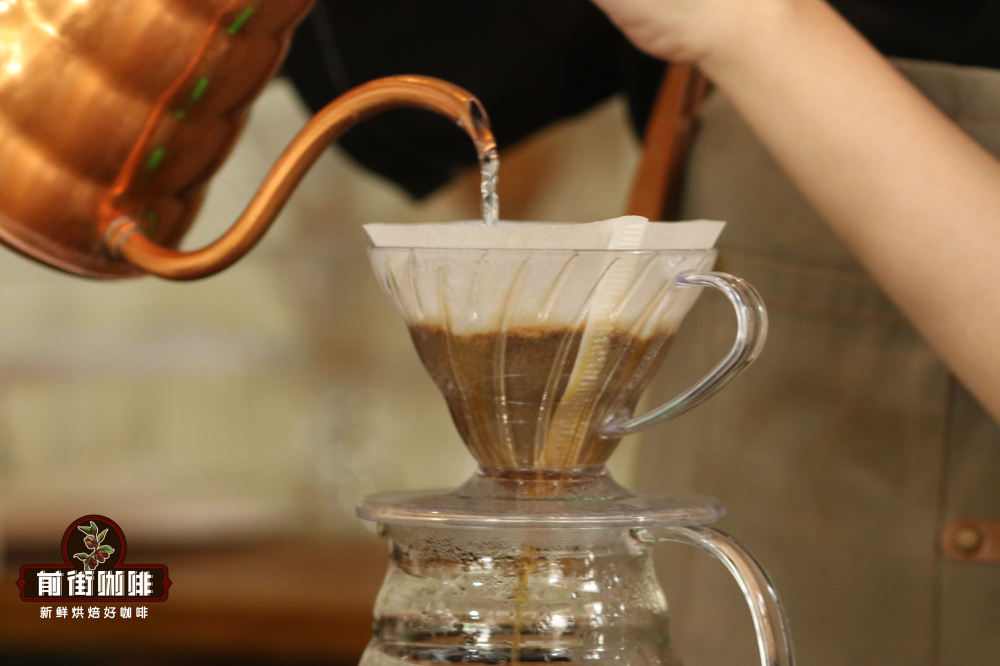
Three-stage pouring: in the first stage, pour 30 g of water for a 30-second bloom. Then pour 95 g (the scale reads around 125 g), completing the pour in about 1 minute. When the water level drops to 2/3 of the coffee bed, pour the remaining 100 g (the scale reads around 225 g), completing the pour in about 1 minute 40 seconds. Finish the drip at 2'00", remove the dripper, and extraction is complete.
FrontStreet Coffee Recommendation
Colombian coffee is used across a wide range of styles: in espresso blends and as a single-origin pour-over, in fruit-forward and full-bodied forms, and in versions built above all around aroma. That range makes it a natural fit for a broad audience. FrontStreet's Colombia Huila coffee comes from Huila province, the country's most famous specialty region, in the southern part of the central cordillera — a landscape of hills ringed by mountains, planted above 1,500 meters, where Colombia's most important rivers converge and bring abundant water and humidity. Roasted medium-dark to emphasize dark chocolate and nutty sweetness with moderate oils and a full body, it suits pour-over and French press as readily as a moka pot or espresso machine, and it handles americano or latte with ease.
FrontStreet's Colombia Sidra from the Finca La División estate shows the experimental side of the country. Colombian coffee was long washed as a matter of course, but in recent years innovative processing has taken hold. Anaerobic fermentation, sometimes called carbonic maceration, is one such method: whole cherries go into a pressure-resistant stainless steel tank where temperature, time, and pH can be controlled to steer the fermentation, and it is most famous in its anaerobic natural and anaerobic washed forms. FrontStreet's Sidra is processed as an anaerobic natural, and the oxygen-free fermentation converts into a bigger tropical aroma; roasted medium-light, it works as pour-over, cold brew, drip bag, or moka pot, showing complex passion fruit, grape, apricot, and preserved-fruit flavors.
For anyone with a home espresso machine or a moka pot, baristas strongly recommend FrontStreet's specialty blend. Designed for café service, it combines the creamy, nutty character of Brazilian coffee with the dark chocolate bittersweetness of Colombian coffee, and it extracts with a fine, golden crema. It is excellent with milk for a rich, smooth latte, very forgiving for beginners, and a fine base for americano, cappuccino, mocha, and other standard espresso drinks.
Important Notice :
FrontStreet Coffee is a long-established specialty coffee roaster in Guangzhou China, selling freshly roasted beans from its own farm in Yunnan as well as dozens of carefully selected single-origin beans from around the world for both pour-over and espresso. The products deliver consistently excellent quality and great value, with shipping within 24 hours. Guangzhou's FrontStreet Coffee shop is recommended by many coffee lovers, and the beans are now available online at the Tmall 。
FrontStreet Coffee has moved to a new address:
FrontStreet Coffee Address: 315,Donghua East Road,GuangZhou
Tel:020 38364473
 Scan and follow the En Gafei WeChat official account. Please indicate that the reprint comes from "En Gafei".