How to Make Flat White Coffee: Preparation Methods, Flat White vs Cappuccino vs Latte, Milk Ratios, Recipes, and Flavor Differences
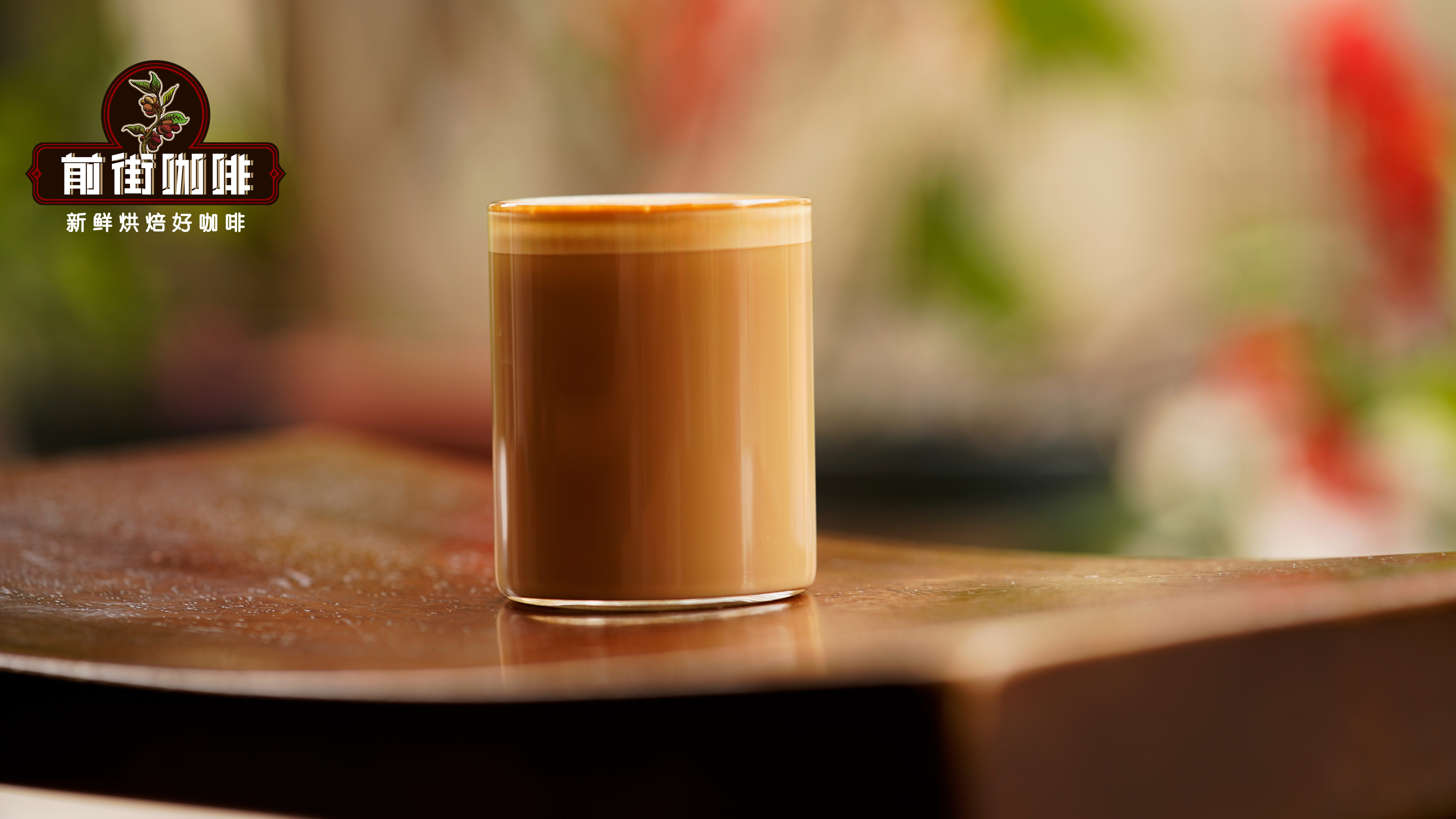
When it comes to rich, milk-based coffee, many people first think of Starbucks' "Fluffy White" - internationally known as Flat White. The drink was fairly obscure in China at first, but it gained wide recognition after Starbucks put it on the menu, and it has since become one of the popular coffee choices.
What is Flat White Coffee?
Flat White coffee, known by its original name "Flat White," goes by many Chinese renderings - "Aussie White," "Flat White," "Little White" are all translations of "Flat White." Flat White originates from Oceania (though Australia and New Zealand still debate which one invented it), and it can be considered the Australian take on latte. At first it was popular only in the Australian region, until Starbucks brought the "Flat White" to China under the elegant name "Fluffy White," which naturally made it popular domestically too.

Beyond the debate over its birthplace, Flat White's preparation also varies. Flat White is a milk coffee defined by a stronger coffee flavor, less milk, and thinner milk foam.
As for the espresso base, New Zealanders prefer to use a double ristretto for Flat White, while Australian baristas tend to prefer a single espresso.
The History and Origins of Flat White
As for who invented Flat White, Australians and New Zealanders each hold their own views, both insisting the beverage originated in their country - and the recipes their baristas use differ accordingly. We may never settle which country owns it, but what is certain is that the drink was born of everyone's pursuit of better coffee.
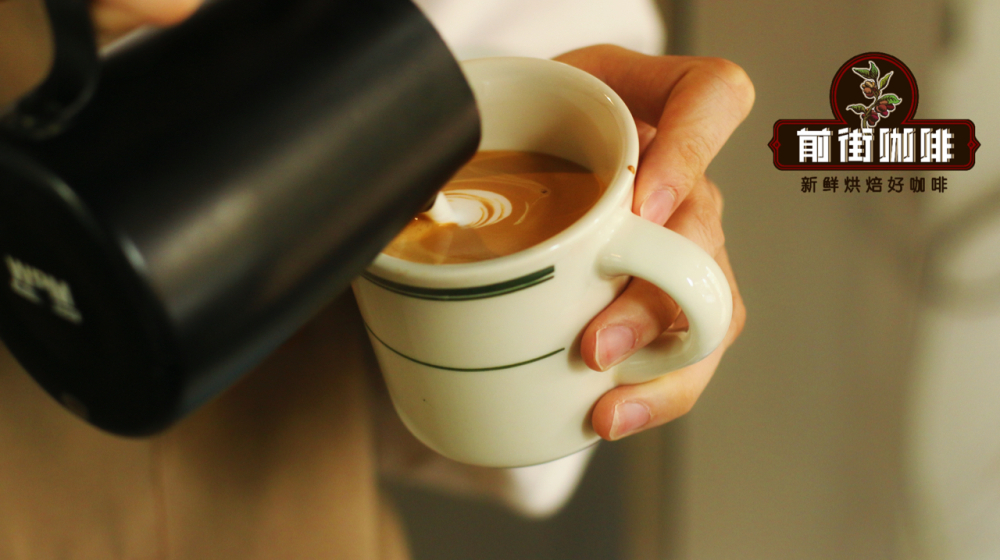
Before the 1970s, Australian cafes brewed black coffee mainly with French presses and manual drip methods. In the early 1970s, Italians brought espresso machines to Australia, officially launching a new wave of coffee culture. Compared with traditional lattes and cappuccinos, Australians wanted milk coffees with thinner foam and a stronger coffee flavor, so milk coffee began being continually "improved" across Australia and New Zealand. As the foam grew flatter and flatter until it was a thin layer sitting completely level with the cup rim, the drink was named Flat White - "flat" for the level surface, and "white" for the milk-whitened coffee.
Starting in the 1980s, Australians wrote Flat White onto their regular menus, and it soon spread to cafes across Europe and America. Flat White became a hit in China after Starbucks introduced it in 2015 as the signature "Fluffy White" - a sign that this milk coffee had gone mainstream.

Back to the drink itself: Flat White uses milk to highlight the coffee, with coffee as the protagonist and milk merely supporting - so the coffee flavor is fuller and richer than in a latte. The thin foam layer ensures every sip of espresso arrives with a velvety, dense veil of microfoam, and the moderate temperature and smaller cup mean it is finished before the foam and liquid separate. Beyond cup size and foam thickness, some baristas swap in a double ristretto to better express the beans' aroma, pairing it with latte-like foam in a 150ml cup.
FrontStreet Coffee Teaches You to Tell Latte, Cappuccino, and Flat White Apart
To distinguish latte, cappuccino, and Flat White, FrontStreet Coffee compares them on four points: composition, cup size, foam thickness, and flavor.
First, cup size: by FrontStreet Coffee's standards, the latte uses a 300ml wide-mouth ceramic cup, the cappuccino a 180ml narrow-mouth ceramic cup, and the Flat White a 210ml glass cup. Next, composition. A latte is 2 shots of espresso (40g) plus 260ml of steamed milk with thin foam; a cappuccino is 1 shot of espresso (20g) plus 160ml of steamed milk with thick foam; a Flat White is 2 shots of ristretto (30g) plus 180ml of steamed milk with thin foam. A ristretto is the early-to-middle portion of the espresso extraction, richer and more intense in flavor.

Latte Coffee
Foam thickness has always been a key marker for telling these three apart. Cappuccino has the thickest foam (about 1-1.5cm), so thick that a proper cappuccino can be filled eleven-tenths full, the foam doming above the rim in a proud "hamburger" shape; Flat White has the thinnest (about 0.3cm), so thin that the liquid sits level with the rim - hence "flat white"; and the latte's foam falls between the two (about 0.5cm), which makes it ideal for latte art - one reason lattes use wide-mouth cups.
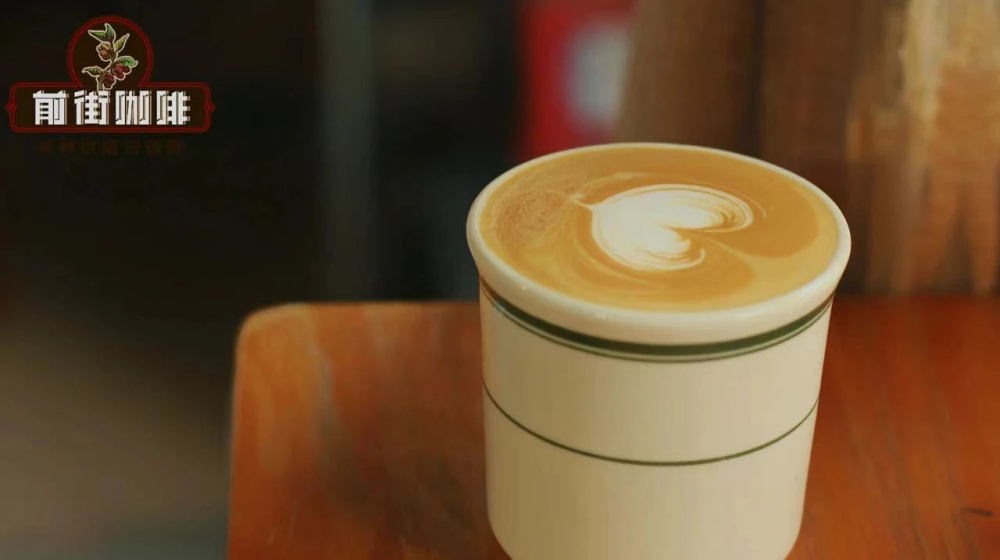
Flat White Coffee
In flavor, the latte - with the most milk - is not dominated by espresso; the two complement and gently mask each other in balance. The Flat White, built on ristretto with less milk, highlights the coffee's aroma without excess bitterness, while the cappuccino leans even more strongly toward the coffee. In texture, the cappuccino has the fullest mouthfeel, its delicate, rich foam combined with crema making it exceptionally smooth and substantial; next comes the Flat White, then the latte.

Cappuccino Coffee
One final note: latte, cappuccino, and Flat White all began as hot drinks, but over time the latte grew an iced version, while the cappuccino and Flat White remain hot drinks to this day.
FrontStreet Coffee Recommendation
Every cafe has its own "secret Flat White formula," but no matter how it varies, the essentials never change: less milk, thinner foam, stronger coffee. And a great Flat White starts with the right beans matched to the right milk. For home brewing, FrontStreet recommends its butter-and-cheese-toned Classic Blend - mellow and low-acid, with full, fine crema and excellent richness against milk - or, for floral-fruit lovers, the very low-bitterness Strawberry Candy Espresso Blend, which extracts with full grape and blueberry flavors and turns into a strawberry-milkshake-like Flat White when mixed with fresh milk.
Milk matters as much as the bean: milk that is too thin makes a watery Flat White, while overly strong milk buries the coffee's aroma. FrontStreet suggests chilled fresh milk - steamed, it shows off more milky sweetness and partners the espresso beautifully. Use the front-and-middle ristretto as the base (20g of grounds extracting 32g in 22-25 seconds) with 160ml of fresh milk.
For the foam, keep it to 0.3cm: introduce air for only 1-2 seconds - a brief hiss - before sinking the steam tip, then swirl into a dense, glossy vortex until the pitcher reaches 50-55 degrees. When the swirling milk shows a reflective sheen, the foam is ready. Then pour the hot milk gently into the espresso, raise the pitcher to a thin stream and let the milk's weight fold the crema, lower the pitcher, and push through with a white line - done in one fluid motion, a silky Flat White with creamed hazelnut and white chocolate aromas, rich and mellow yet never heavy.
Important Notice :
FrontStreet Coffee is a long-established specialty coffee roaster in Guangzhou China, selling freshly roasted beans from its own farm in Yunnan as well as dozens of carefully selected single-origin beans from around the world for both pour-over and espresso. The products deliver consistently excellent quality and great value, with shipping within 24 hours. Guangzhou's FrontStreet Coffee shop is recommended by many coffee lovers, and the beans are now available online at the Tmall 。
FrontStreet Coffee has moved to a new address:
FrontStreet Coffee Address: 315,Donghua East Road,GuangZhou
Tel:020 38364473
 Scan and follow the En Gafei WeChat official account. Please indicate that the reprint comes from "En Gafei".